

 Voorvertoning
 Verstuur
 Delen
Delen
 Details bekijken
 Gids
Gids

 Download
 Vergelijkbare items
 Röntgenonderzoek
 Diavoorstelling
 Statistieken
Le Pavillon
 Oil On Canvas
- WallArt
- Impressionism
 1909
1909- 19th Century
 81.0 x 100.0 cm
 Lees meer
Giclée / Kunstafdrukken
Giclée- of canvasafdruk van museumkwaliteit met een snelle productie en flexibele afwerkingsmogelijkheden. ( Bestel handgeschilderde reproductie Schakel over naar digitale afbeeldingen)




P118B €10

P118H €10

P118W €10

P438Z €10

P508JH €12

P508YH €12

P805H €10

P805Z €10

P919BZ €10

P919G €10

P919XJ €10

P959ZH €10

P968JZ €12

W106C €8

W218G €10

W218JH €8

W218Y €10

W307PJ €10

W316G €10

W316PJ €8

W316Y €10

W398PJ €8

W4111J €10

W500HY €15

W500JH €15

W692G €12

W849H €8

W940BG €15

W953PJ €8




Kies uit onze vooraf ingestelde maten die overeenkomen met de originele verhoudingen van het kunstwerk.

Voer de gewenste breedte en hoogte in, passend bij uw lijst of muur. Een afdruk kan alleen worden ingekort en nooit groter worden gemaakt dan het origineel; een formaat met andere verhoudingen zal daarom een deel van de afbeelding verliezen. Wij sturen u een digitaal mockup ter goedkeuring voordat we tot drukwerk overgaan. De afbeelding op deze pagina toont niet de werkelijke uitsnede — dit is alleen te zien op het mockup.
Wereldwijde levering () binnen 2 weken in plaats van de standaard 4/5 weken. (27 oktober)

Gratis wereldwijde expressverzending

Hoogwaardig linnen canvas

Volledige verzendverzekering

Garantie op terugbetaling van invoerrechten

Garantie op exacte kleurweergave

Retourbeleid van 100 dagen (alleen bij defecten)

100% Geld-terug-garantie

Korting bij meerdere afnames
 De optie voor glas is alleen beschikbaar bij een formaat kleiner dan 110 cm.

Le Pavillon
Giclée / Kunstafdrukken
Afmetingen reproductie
-


Eindtotaal
€ 71
Le Pavillon: A Glimpse of Tranquility by Henri Le Sidaner
Henri Le Sidaner's "Le Pavillon," painted in 1909, is an exquisite example of Intimist painting, capturing a serene garden scene with remarkable atmospheric depth. Measuring 81 x 100 cm, this oil on canvas artwork transports viewers to a world of quiet beauty and gentle contemplation. The piece exemplifies Le Sidaner's signature style – characterized by soft light, muted colors, and an almost dreamlike quality—and offers a window into the artist’s personal haven in Gerberoy.
Subject & Composition: A Garden Sanctuary
"Le Pavillon" depicts a picturesque garden setting centered around a circular fountain adorned with roses. The fountain's presence serves as a focal point, drawing the eye and establishing a sense of harmony within the composition. Lush greenery surrounds the fountain, creating a vibrant backdrop that contrasts beautifully with the soft pink hues of the flowers. A charming cottage nestled in the background adds depth and context to the scene, suggesting a secluded retreat from the bustle of everyday life. The perspective is subtly flattened, enhancing the painting's atmospheric quality and contributing to its overall sense of tranquility. The foreground features a circular bed covered with white flowers and green moss, leading the eye towards the central fountain. Behind the fountain, a small cottage with a thatched roof provides a focal point. The background consists of dense foliage and rolling hills, further blurring the lines between objects and creating a sense of atmospheric perspective.
Style & Technique: Impressionistic Nuances
Le Sidaner’s style is deeply rooted in Impressionism but transcends it with his unique Intimist approach. He masterfully employs loose brushstrokes and subtle color variations to capture the fleeting effects of light and atmosphere. Unlike some Impressionists who focused on capturing a moment's vibrancy, Le Sidaner sought to evoke a sense of quiet introspection and peaceful solitude. The painting’s palette leans towards muted greens, pinks, and browns, creating a harmonious and calming visual experience. The technique involves layering paint in short, broken strokes to build up color and form. This creates a hazy effect that enhances the dreamlike quality of the scene. Le Sidaner's use of light is particularly noteworthy; he skillfully depicts diffused sunlight filtering through the foliage, casting soft shadows and highlighting the delicate details of the flowers and fountain.
Historical Context & Symbolism: Gerberoy’s Embrace
“Le Pavillon” was created during a period when Impressionism had evolved into various artistic movements. Le Sidaner, however, remained true to his Intimist sensibilities, focusing on intimate scenes of domesticity and nature. The painting is intrinsically linked to the artist's life in Gerberoy, a village he adopted as his home in the early 20th century. He restored a medieval fortress there and cultivated enchanting gardens, which became recurring subjects in his mature works. The garden itself symbolizes tranquility, refuge, and the beauty of simple pleasures. The fountain can be interpreted as a source of life and renewal, while the cottage represents comfort and security. Symbolically, the scene evokes themes of nostalgia, peaceful solitude, and the enduring power of nature to soothe the soul.
Emotional Impact & Legacy: A Timeless Retreat
"Le Pavillon" resonates with viewers through its ability to evoke a sense of calm and serenity. The painting’s gentle colors, soft light, and harmonious composition create an atmosphere of peaceful contemplation. It offers a visual escape from the stresses of modern life, inviting viewers to immerse themselves in a world of quiet beauty. Le Sidaner's work continues to be admired for its dreamlike allure and its striking blend of impressionistic technique with contemplative themes. For those interested in purchasing handmade oil painting reproductions of this stunning garden scene, OriginalUniqueArt.com offers a wide range of options.
Veelgestelde vragen
Is een download met hoge resolutie van "Le Pavillon" beschikbaar?
Een digitale afbeelding van "Le Pavillon" door Henri Le Sidaner is verkrijgbaar op de Digitale afbeelding pagina: een digitale afbeelding in hoge resolutie om te downloaden.
Hoe bekend is "Le Pavillon" van Henri Le Sidaner?
"Le Pavillon" wordt geclassificeerd als Recognized.
Welk gevoel roept "Le Pavillon" door Henri Le Sidaner op?
In "Le Pavillon" gaat een Serene sfeer gepaard met een Tranquil emotie.
Biografie kunstenaar
Early Life and Background
Henri Le Sidaner, een naam die synoniem staat voor de zachte charme van het impressionisme en de intimistische sfeer van de Franse landschapskunst, werd geboren op 7 augustus 1862 in Port Louis, Mauritius. Zijn jeugd was gevormd door een mix van culturen – de Bretonse invloed van zijn vader, Jean Marie Le Sidaner, die als inspecteur werkte voor Lloyd’s, en de Franse tradities van zijn moeder, Amélie Henrietta Robberechts. In 1872 keerde het gezin terug naar Frankrijk en vestigde zich in Dunkerque, een stad aan de Noordzee die een belangrijke rol zou spelen in de vroege ontwikkeling van Le Sidaner’s artistieke visie. De jonge Henri toonde al vroeg een ongebruikelijke interesse in kunst; hij werd aangemoedigd door zijn ouders en kreeg de kans om te leren schilderen bij lokale kunstenaars, wat de basis legde voor zijn latere stijl.
Een cruciale gebeurtenis in zijn jeugd was het ontvangen van een beurs die hem in staat stelde om naar Parijs te verhuizen en zich aan te sluiten bij de prestigieuze École nationale supérieure des beaux-arts. Deze beslissing markeerde niet alleen een professionele stap, maar ook een belangrijke culturele verschuiving – Le Sidaner werd blootgesteld aan de nieuwste trends in de kunstwereld en kwam in contact met invloedrijke figuren die zijn artistieke ontwikkeling zouden bepalen.
Artistic Training and Influences
De École des Beaux-Arts in Parijs was een broedplaats voor talent, en Le Sidaner’s tijd daar was gevuld met studie en experimentatie. Hoewel hij onder de leiding van Alexandre Cabanel studeerde, een bekende naam binnen de academische schilderkunst, voelde hij zich niet volledig thuis bij de traditionele methoden. Hij werd bijzonder aangetrokken tot het werk van Édouard Manet en Claude Monet, kunstenaars die de grenzen van de conventionele schilderkunst verlegden door hun focus op licht, kleur en spontaneiteit. De invloed van deze impressionistische pioniers was onmiskenbaar, maar Le Sidaner’s artistieke reis liep verder dan alleen het kopiëren van hun technieken; hij absorbeerde hun geest van observatie en de wens om de wereld te vangen zoals hij die zag.
Een andere belangrijke factor in zijn ontwikkeling was de participatie aan de ‘Colonie artistique d’Étaples’, een groep kunstenaars die samenwerkten in Étaples, een stad nabij Dunkerque. Deze gemeenschap bood Le Sidaner een unieke omgeving om te experimenteren met nieuwe technieken en stijlen, waaronder Pointillisme – een methode waarbij kleuren worden gecreëerd door kleine, puntvormige penseelstreken. De Pointillisten’s benadering van kleur en compositie had een diepgaande invloed op Le Sidaner’s palet en techniek.
Artistic Style and Development
Le Sidaner’s stijl is uniek te herkennen aan zijn subtiele kleuren, de nauwkeurige gradaties van grijs en het gebruik van ‘opals’ – kleine, onregelmatige penseelstreken die een zachte, schimmerende effect creëren. Deze techniek resulteerde in een atmosfeer van mysterie en melancholie in zijn werken, vaak vergezeld door een gevoel van rust en sereniteit. Hij was bijzonder bekwam in het schilderen van nachtszènes, waarbij hij de delicate nuances van licht en schaduw tijdens de schemering met meesterlijke precisie vastlegde.
Naarmate zijn carrière vorderde, evolueerde Le Sidaner’s stijl verder. Hij verliet de directe invloed van het impressionisme en ontwikkelde een meer persoonlijke benadering die elementen van Symbolisme integreerde. Zijn werken werden complexer en expressiever, met een focus op emotie en innerlijke ervaring. Na zijn vestiging in Gerberoy in Picardie, waar hij meer dan dertig jaar zou leven en werken, werd hij beroemd om zijn betoverende weergaven van de tuinen die hij creëerde rondom de ruïnes van een middeleeuws kasteel. Deze schilderijen, gekenmerkt door dappere zonnestralen en rozenstruiken, versterkten zijn reputatie als een unieke kunstenaar met een onmiskenbare esthetische smaak.
Major Works and Recognition
Tijdens zijn carrière creëerde Le Sidaner een aanzienlijke hoeveelheid werken die vandaag de dag in musea over de hele wereld te vinden zijn. Zijn ‘La Promenade Des Orphelines’ (1888) is een van zijn meest bekende werken, en wordt vaak beschouwd als een symbool van zijn vroege impressionistische stijl. Ook zijn schilderijen ‘Table Au Clair De Lune’ (1928) en ‘Les Cygnes’ (1900), die de serene sfeer van het Picardse landschap vastleggen, zijn van onschatbare waarde.
Le Sidaner ontving erkenning voor zijn werk door prijzen te winnen en tentoonstellingen te organiseren in Parijs en Londen. In 1913 werd hij benoemd tot Officier van de Legion d’honneur, een prestigieuze onderscheiding die zijn bijdrage aan de Franse kunstwereld erkende. Zijn werk blijft relevant en wordt nog steeds tentoongesteld in musea zoals het Musée des Beaux-Arts Tournai in België.
Historical Significance
Henri Le Sidaner wordt vaak beschouwd als de ‘laatste impressionist’, een kunstenaar die de overgang markeerde tussen het impressionisme en de vroege fase van het post-impressionisme. Zijn unieke stijl, gekenmerkt door zijn subtiele kleuren, zachte penseelstreken en focus op atmosfeer, plaatst hem buiten de traditionele categorieën van de kunstgeschiedenis. Hij ving de essentie van dagelijkse routines en intieme momenten vast met een ongeëvenaarde gevoeligheid en precisie, waardoor hij een blijvende impact heeft op het kunstwereld.
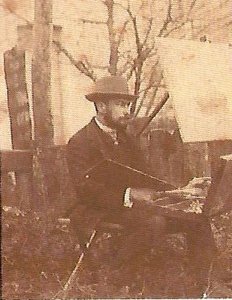
Henri Le Sidaner
1862 - 1939 , Mauritius
Belangrijkste feiten
- Artistic Movement Or Style: Intimisme, Impressionisme
- Artists Or Movements Influenced By This Artist: ['Symbolisme']
- Artists Who Influenced This Artist:
- Manet
- Monet
- Pointillisten
- Date Of Birth: 7 augustus 1862
- Date Of Death: 14 juli 1939
- Full Name: Henri Eugène Augustin Le Sidaner
- Nationality: Frans
- Notable Artworks:
- La Promenade Des Orphelines
- Table Au Clair De Lune
- Place Of Birth: Port Louis, Mauritius
Gerelateerde artikelen

Paul Cézanne's Top 25 Meesterwerken: Kleur, Vorm & De Basis van Modern Art | OriginalUniqueArt
Ontdek de 25 meest iconische schilderijen van Paul Cézanne! Duik in zijn kleurrijke wereld, leer over impressionisme & post-impressionisme en bewonder meesterwerken als 'De Baders'. Vind museumkwaliteit reproducties & interieurinspiratie op OriginalUniqueArt.com.

Evocations of Place: A Historical Journey Through Landscape Art
Explore the rich history of landscape art with OriginalUniqueArt. Discover renowned artists, movements like Impressionism & Romanticism, and expert guidance for collecting timeless pieces. Find your perfect serene escape today!

John Constable's Top 25 Meesterwerken: Landschappen die de Ziel Raaken | OriginalUniqueArt
Ontdek de 25 mooiste schilderijen van John Constable, meester van de Engelse Romantiek. Van idyllische landschappen tot iconische Hay Wain – bewonder zijn techniek en emotie. Museumkwaliteit reproducties & decoratie op OriginalUniqueArt.com.
Cultivating Paradise: A Historical & Artistic Exploration of Gardens in Painting
Explore the rich history of gardens in painting! Discover masterpieces from Renaissance to Impressionism & beyond. Learn about symbolism, artists like Monet & Klimt, and find your perfect artwork at OriginalUniqueArt.
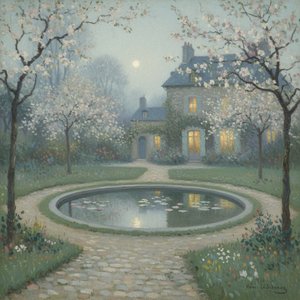
Henri Le Sidaner: Evoking Atmosphere & Intimacy in Post-Impressionist Landscapes
Discover the evocative world of Henri Le Sidaner, a master of Intimist painting. Explore his tranquil landscapes & atmospheric interiors – a celebration of light and intimacy. Learn about his life, style, and lasting legacy.