

 Voorvertoning
 Verstuur
 Delen
Delen
 Details bekijken

 Download
 Vergelijkbare items
 Röntgenonderzoek
 Diavoorstelling
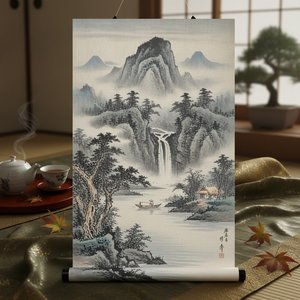
Landscape
 Shui-mo (Japanese Landscape)
 601
601 32.0cm x 50.0cm
 Lees meer
Giclée / Kunstafdrukken
Giclée- of canvasafdruk van museumkwaliteit met een snelle productie en flexibele afwerkingsmogelijkheden. ( Bestel handgeschilderde reproductie Koop afbeelding)




































Kies uit onze vooraf ingestelde maten die overeenkomen met de originele verhoudingen van het kunstwerk.

U kunt uw eigen afmetingen opgeven om in een specifieke lijst of ruimte te passen. Als de door u gekozen maat niet overeenkomt met de proporties van het originele kunstwerk, zullen wij de afbeelding bijsnijden of uitbreiden met een gespiegelde of effen rand. Een digitaal mockup wordt ter goedkeuring naar u verzonden voordat de productie begint.
Houd er rekening mee dat de preview op het scherm de werkelijke bijsneding of uitbreiding niet weergeeft. Alleen de mockup toont de uiteindelijke compositie nauwkeurig.
Hoewel aangepaste maten beschikbaar zijn, raden wij aan een afmeting uit de vooraf bepaalde lijst te kiezen om de originele proporties te behouden.
Wereldwijde levering () binnen 2 weken in plaats van de standaard 4/5 weken. (22 augustus)

Gratis wereldwijde expressverzending

Hoogwaardig linnen canvas

Volledige verzendverzekering

Garantie op terugbetaling van invoerrechten

Garantie op exacte kleurweergave

Retourbeleid van 60 dagen (alleen bij defecten)

100% Geld-terug-garantie

Korting bij meerdere afnames
 De optie voor glas is alleen beschikbaar bij een formaat kleiner dan 110 cm.

Landscape
Giclée / Kunstafdrukken
Afmetingen reproductie
-


Eindtotaal
$ 81
Biografie van de kunstenaar
Hara Naoharu: A Pioneer of Monochrome Landscape Painting
Hara Naoharu (1547 – 1618), born in Saga, Japan, stands as a pivotal figure in the history of Japanese art, particularly renowned for his masterful execution of suiboku-ga—water-ink monochrome paintings—during the Momoyama period. He was the second son of Hara Naoe, lord of Nogomi Castle in Hizen Province, establishing him within a noble lineage deeply intertwined with the artistic patronage of the era. His artistic journey began under the tutelage of Sesshu Sesshū (1428–1506), arguably the most influential painter of his time, whose austere style profoundly shaped Naoharu’s approach to composition and tonal gradation—a hallmark of the Unkoku School he founded.- Early Life & Training: Naoharu's formative years were marked by exposure to the refined artistic environment fostered by his father’s castle, where he honed his skills alongside other prominent artists. Sesshu’s teachings instilled in him a dedication to capturing the essence of nature through subtle variations in ink tone—a technique prioritizing observation and conveying mood rather than detailed representation.
- The Unkoku School: Following Sesshu's influence, Naoharu established the Unkoku School (無垢流), which distinguished itself from the prevailing Kanō school’s emphasis on elaborate ornamentation. Instead, Unkoku painters favored simplicity and restraint, focusing on conveying profound spiritual contemplation through landscapes imbued with atmospheric depth and luminosity. This stylistic preference reflected a broader cultural shift towards Zen Buddhism during the Momoyama period.
- Notable Works: Among his celebrated pieces are screens depicting scenes from Buddhist legends, showcasing Naoharu’s ability to integrate narrative elements with artistic subtlety. These works exemplify the Unkoku School's commitment to conveying spiritual contemplation through carefully crafted landscapes.

hara naoharu
1547 - 1618 , Japan
Belangrijkste feiten
- Artistic Movement Or Style: Suiboku-ga (Water-Ink Painting)
- Artists Or Movements Influenced By This Artist: kanō school
- Artists Who Influenced This Artist: sesshū
- Date Of Birth: 1547
- Full Name: Hara Naoharu
- Nationality: Japanese
- Notable Artworks: ['Landscape']
- Place Of Birth: Saga, Japan
Gerelateerde artikelen

Katsushika Hokusai's 25 Meesterwerken: Japanse Kunst voor uw Interieur | OriginalUniqueArt
Ontdek de 25 meesterwerken van Katsushika Hokusai, de Japanse Ukiyo-e kunstenaar! Reis door zijn iconische prints zoals 'The Great Wave' en Mount Fuji. Vind museumkwaliteit reproducties & inspiratie voor uw interieur op OriginalUniqueArt.com.
Serenity on Canvas: A Guide to the Timeless Beauty of Japanese Landscape Painting
Discover the serene beauty of Japanese landscape painting. From Hokusai's iconic woodblock prints to meditative sumi-e ink washes, explore a visual journey through the 'floating world' and learn how to bring this timeless Zen aesthetic into your modern home decor.

Romantische Landschappen: Top 10 Meesterwerken voor een Sfeervol Interieur | OriginalUniqueArt.nl
Ontdek de 10 meest iconische meesterwerken van de Romantiek! Reis door de tijd met Caspar David Friedrich, Turner & Delacroix. Laat je inspireren en vind museumkwaliteit kunst reproducties voor een sfeervol interieur op OriginalUniqueArt.com.

Zen on Canvas: The Timeless Beauty and Spiritual Depth of Japanese Landscape Painting
Explore the profound serenity of Japanese landscape painting. From Hokusai's waves to Zen-inspired ink washes, discover the history, technique, and spiritual depth of Ukiyo-e masters in this expert art historical guide for collectors and enthusiasts.

Evocations of Place: A Historical Journey Through Landscape Art
Explore the rich history of landscape art with OriginalUniqueArt. Discover renowned artists, movements like Impressionism & Romanticism, and expert guidance for collecting timeless pieces. Find your perfect serene escape today!

