Menu
Text size

() ·

A painting made for you, by hand

Christ before Pilate (detail)

Handgemaakte olieverfreproductie

Met de hand geschilderd in olieverf op canvas in uw gewenste maat en lijst, op bestelling gemaakt door onze kunstenaars. ( Schakel over naar print Schakel over naar digitale afbeeldingen)

Beschrijving verzamelobject

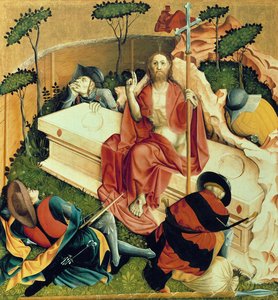
Experience the poignant detail of Hans Multscher's 'Christ before Pilate.' This iconic 1437 painting captures a pivotal moment, showcasing realism and religious drama within a masterful work.

Biografie kunstenaar

"meta_description": "Hans Multscher (1400-1467): Duitse beeldhouwer en schilder die de overgang van Gotiek naar Renaissance markeert. Bekend om realistische werken zoals het Wurzach Altaar en zijn invloedrijke Ulm werkplaats."

from ·

Chapter 1

How large should it be?

Slide to change the size; the picture on the left shows the frame at its real width. The proportions of the original are kept.

Standaardformaat
op maat gemaakt
CM
INCH

Kies uit onze vooraf ingestelde maten die overeenkomen met de originele verhoudingen van het kunstwerk.

breedte
hoogte

Voer de breedte en hoogte in die u nodig heeft, passend bij uw lijst of uw muur. Omdat dit handgeschilderd is, kan de kunstenaar bij een afmeting met een andere beeldverhouding iets meer rondom het schilderij schilderen of juist iets meer weglaten — u kiest zelf. Wij sturen u een digitaal mockup ter goedkeuring voordat het schilderwerk begint. De afbeelding die op deze pagina wordt getoond, is niet het uiteindelijke resultaat — alleen de mockup geeft dit weer.


Chapter 2

How should it arrive?

Choose the edges of the stretched canvas

Choose your frame

Corner sample of the WhiteWrap canvas edge finish, stretched on massief hout bars
White €1
Corner sample of the BlurSideWrap canvas edge finish, stretched on massief hout bars
Blurside €1
Corner sample of the ExtendedWrap canvas edge finish, stretched on massief hout bars
Extended €1
Corner sample of the P118B picture frame: gegoten polystyreen, 5 cm wide and 3 cm thick
P118B €10
Corner sample of the P118H picture frame: gegoten polystyreen, 5 cm wide and 3 cm thick
P118H €10
Corner sample of the P118W picture frame: gegoten polystyreen, 5 cm wide and 3 cm thick
P118W €10
Corner sample of the P438Z picture frame: gegoten polystyreen, 5.5 cm wide and 3.5 cm thick
P438Z €10
Corner sample of the P508JH picture frame: gegoten polystyreen, 7 cm wide and 3.5 cm thick
P508JH €12
Corner sample of the P508YH picture frame: gegoten polystyreen, 7 cm wide and 3.5 cm thick
P508YH €12
Corner sample of the P805H picture frame: gegoten polystyreen, 5 cm wide and 3.5 cm thick
P805H €10
Corner sample of the P805Z picture frame: gegoten polystyreen, 5 cm wide and 3.5 cm thick
P805Z €10
Corner sample of the P919BZ picture frame: gegoten polystyreen, 7 cm wide and 3.5 cm thick
P919BZ €10
Corner sample of the P919G picture frame: gegoten polystyreen, 7 cm wide and 3.5 cm thick
P919G €10
Corner sample of the P919XJ picture frame: gegoten polystyreen, 7 cm wide and 3.5 cm thick
P919XJ €10
Corner sample of the P959ZH picture frame: gegoten polystyreen, 5 cm wide and 3 cm thick
P959ZH €10
Corner sample of the P968JZ picture frame: gegoten polystyreen, 6 cm wide and 4 cm thick
P968JZ €12
Corner sample of the W106C picture frame: massief hout, 5 cm wide and 3 cm thick
W106C €8
Corner sample of the W218G picture frame: massief hout, 5 cm wide and 3 cm thick
W218G €10
Corner sample of the W218JH picture frame: massief hout, 5 cm wide and 3 cm thick
W218JH €8
Corner sample of the W218Y picture frame: massief hout, 5 cm wide and 3 cm thick
W218Y €10
Corner sample of the W307PJ picture frame: massief hout, 6 cm wide and 3 cm thick
W307PJ €10
Corner sample of the W316G picture frame: massief hout, 6 cm wide and 3 cm thick
W316G €10
Corner sample of the W316PJ picture frame: massief hout, 6 cm wide and 3 cm thick
W316PJ €8
Corner sample of the W316Y picture frame: massief hout, 6 cm wide and 3 cm thick
W316Y €10
Corner sample of the W398PJ picture frame: massief hout, 5 cm wide and 3 cm thick
W398PJ €8
Corner sample of the W4111J picture frame: massief hout, 6.5 cm wide and 3.5 cm thick
W4111J €10
Corner sample of the W500HY picture frame: massief hout, 7 cm wide and 5 cm thick
W500HY €15
Corner sample of the W500JH picture frame: massief hout, 7 cm wide and 5 cm thick
W500JH €15
Corner sample of the W692G picture frame: massief hout, 8 cm wide and 4 cm thick
W692G €12
Corner sample of the W849H picture frame: massief hout, 5 cm wide and 3 cm thick
W849H €8
Corner sample of the W940BG picture frame: massief hout, 7.5 cm wide and 4.5 cm thick
W940BG €15
Corner sample of the W953PJ picture frame: massief hout, 6 cm wide and 3.5 cm thick
W953PJ €8
Corner sample of the H24-GOLD picture frame: gesneden hout met gesso, 10 cm wide and 6 cm thick
H24-GOLD €30
Corner sample of the H24-SILVER picture frame: gesneden hout met gesso, 10 cm wide and 6 cm thick
H24-SILVER €30
Corner sample of the H36-GOLD picture frame: gesneden hout met gesso, 15 cm wide and 6.5 cm thick
H36-GOLD €45
Corner sample of the H36-SILVER picture frame: gesneden hout met gesso, 15 cm wide and 6.5 cm thick
H36-SILVER €45
Lijstvoorbeeld
Ingelijst

Moulding: . Overall size with the frame: .

Chapter 3

Who paints it, and should anything change?

Examples of what can be changed: Replace face with customer photo; Add pet (e.g., replace cat with dog); Include hidden message in background; Change background landscape or elements.
After order, OriginalUniqueArt.com team will email client for instructions and provide a mockup preview

Wereldwijde levering () binnen 3 tot 4 weken in plaats van de standaard 5 weken. (30 oktober). Zonder concessies aan de kwaliteit.

Chapter 4

The finishing touches

A nameplate, as in a museum?

Details van de gegraveerde bronzen plaat

This elegant plaque features the artist's name and the title of the artwork, finely engraved for a timeless presentation.

It is made from bronze with a refined, elegant finish. The text is precisely laser-engraved for a sharp and permanent result. Measuring 9x2 cm, the plaque is compact yet easy to read. It's built to be durable and scratch-resistant, offering a professional, museum-quality look. Mounting is simple thanks to the included adhesive backing.

Details transparante acrylplaat

The plaque includes essential engraved details such as the artist's name, the title of the artwork, the date it was created, the type of media used-like oil on canvas or watercolor-a brief description of the piece, and a QR code that links to the complete artwork information.

It is crafted from clear acrylic, offering a sleek, modern appearance. The text is UV-engraved in black to ensure strong visual contrast. With a size of 10x15 cm, it ensures optimal readability. It comes equipped with two metal hooks for secure wall mounting. The plaque is designed to be weather-resistant, making it suitable for various environments, and it includes interactive features that work seamlessly with smartphone scanning.

Details zwarte acrylplaat

This elegant plaque includes engraved information such as the artist's name, the title of the artwork, the date it was created, the type of media used (like oil on canvas or watercolor), a short description of the artwork, and a QR code for quick access to more information.

The plaque itself is made from refined black acrylic with a premium finish. The text is laser-engraved in white for high contrast and readability. Its size is 10x15 cm, designed to be easy to read. It comes with two metal hooks for professional mounting. The design is sleek and fits any interior style. It is also weather-resistant and durable, with built-in digital integration for mobile compatibility.

A protective varnish?

When do you need it?

Chapter 5

Your painting, as you ordered it

Christ before Pilate (detail)

Druktechniek

Afmetingen reproductie

-

Geselecteerde topkunstenaars

Meer detail, verfijning en extra productietijd

-

Lijst voor reproductie

-

-

Voor kunstwerken of reproducties die aan één zijde groter zijn dan 105 cm (ongeveer 41 inch), wordt de lijst als een losse set verzonden. Deze methode garandeert een veilige levering en voorkomt schade tijdens het transport.

Professionele montage vereist - dit is geen doe-het-zelfproduct.
De set moet worden gemonteerd en het canvas moet worden gespannen door een ervaren professionele lijstenmaker, met gebruik van houtlijm (niet inbegrepen), een doekspanter en klemmen om de sponningen recht te houden terwijl de lijm droogt. Onjuiste montage of een ongelijkmatige spanning op het canvas kan het kunstwerk permanent beschadigen en wordt niet gedekt door onze garantie.

  • Alle massief houten onderdelen zijn inbegrepen, nauwkeurig op maat gesneden voor montage.

  • Te monteren met de meegeleverde schroeven, plus houtlijm voor de hoekverbindingen, die niet wordt meegeleverd en door uw lijstenmaker moet worden aangeschaft.

  • Professioneel gereedschap is vereist en niet inbegrepen: een spanner voor canvas en klemmen om de latten recht te houden terwijl de lijm droogt.

Belangrijk:
De hoekverbindingen vereisen houtlijm, de latten moeten met lijmklemmen worden vastgehouden tot de lijm volledig is opgedroogd, en het spannen van het canvas op het samengestelde frame vereist een doekspanter. Geen van deze artikelen is inbegrepen in de set. Wij adviseren u om een ervaren professionele lijstenmaker te raadplegen voordat u deze maat bestelt.

Naamplaatje

-

-

Beschermende vernislaag

Glanzende vernis (versterkt de kleuren en biedt bescherming tegen licht en vocht)

-

Mijn kunstwerk aanpassen

Voorbeelden van aanpassingen: vervang het gezicht door een eigen foto; voeg een huisdier toe (bijv. vervang de kat door een hond); verwerk een verborgen boodschap in de achtergrond; wijzig het landschap of andere elementen op de achtergrond.

-

Spoedlevering

Wereldwijde levering () binnen 3 tot 4 weken in plaats van de standaard 5 weken. (30 oktober). Geen concessies aan de kwaliteit.

-

Spoedlevering

Wereldwijde levering naar binnen 5 weken. (6 november).

Inbegrepen

Eindtotaal

€ 266

Totaalprijs € 266

De optie voor glas is alleen beschikbaar bij een formaat kleiner dan 110 cm.

Included with every order

  • Gratis wereldwijde expressverzending
  • Hoogwaardig linnen canvas
  • Volledige verzendverzekering
  • Garantie op terugbetaling van invoerrechten
  • Garantie op exacte kleurweergave
  • Retourbeleid van 100 dagen (alleen bij defecten)
  • 100% Geld-terug-garantie
  • Korting bij meerdere afnames

A Moment of Contemplation: Christ Before Pilate by Hans Multscher

The painting “Christ before Pilate” by Hans Multscher, created around 1437, is not merely a depiction of a biblical scene; it’s a profound meditation on power, judgment, and the weight of human responsibility. Multscher, a pivotal figure bridging the Gothic and burgeoning Renaissance in Germany, masterfully captures a tense, almost suffocating atmosphere within this single composition. He wasn't simply replicating a narrative from scripture; he was distilling its essence – the agonizing confrontation between divine authority and earthly doubt – into a powerfully resonant visual experience. The painting’s enduring appeal lies not just in its technical skill but in its ability to evoke a deep sense of empathy for both Christ and Pilate, forcing the viewer to confront uncomfortable questions about faith, guilt, and the nature of leadership.

A Masterclass in Early German Realism

Multscher’s style is immediately recognizable as a significant step forward in German art. Departing from the stylized forms of late Gothic painting, he embraces a newfound realism that anticipates the meticulous detail and naturalistic portrayal characteristic of the Northern Renaissance. Observe how he renders the textures of the clothing – the heavy wool of Christ's robe, the rough linen of Pilate’s tunic – with astonishing accuracy. The faces are equally compelling; Christ’s expression is one of quiet resignation mingled with a profound sorrow, while Pilate’s face reflects a mixture of weariness and reluctant apprehension. The artist skillfully employs chiaroscuro—the dramatic contrast between light and shadow—to heighten the emotional impact, drawing our attention to key figures and creating a sense of depth within the crowded scene. The use of oil paint allowed for layering and blending, contributing significantly to the richness and luminosity of the work.

Symbolism Woven into the Scene

Beyond its realistic depiction, “Christ before Pilate” is rich in symbolic detail. The gathering of onlookers – a diverse group representing Roman officials, Jewish elders, and common citizens – underscores the universal nature of Christ’s trial. The presence of the bowls and cups suggests the offer of compromise, the temptation to avert judgment through earthly means. Note the subtle gestures: Christ's outstretched hands, Pilate’s averted gaze, the nervous fidgeting of the guards—each detail contributes to the narrative tension. The inclusion of animals – a dog and a bird – adds an element of earthy realism and perhaps hints at the broader themes of judgment and innocence. The positioning of these figures is deliberate; they frame Christ within a microcosm of human society, highlighting the conflict between divine law and human desire.

Historical Context and Artistic Legacy

Created during a period of significant artistic transition in Germany, “Christ before Pilate” reflects Multscher’s engagement with both established Gothic traditions and emerging Renaissance influences. His work is closely linked to the Wurzach Altar, a monumental altarpiece that once dominated the church of Wurzach in southern Germany. The wings of this altar, now separated into panels, are particularly significant for their depiction of the Passion narrative. Multscher’s contribution—the central panel depicting Christ before Pilate—is considered one of the most compelling and emotionally resonant images from the entire altarpiece. His workshop produced numerous copies and variations on this theme, demonstrating its enduring appeal to artists and viewers alike. The painting's influence can be seen in subsequent depictions of the Passion narrative, solidifying Multscher’s place as a key figure in the development of German art.

Today, reproductions of “Christ before Pilate” continue to captivate audiences with its timeless message and masterful execution. It serves as a poignant reminder of the complexities of faith, justice, and the enduring power of human emotion—a testament to Hans Multscher’s artistic vision and his profound understanding of the human condition.

Veelgestelde vragen

Is er een gids beschikbaar voor "Christ before Pilate (detail)" door Hans Multscher?

Er is een Informatieblad pagina beschikbaar voor "Christ before Pilate (detail)" door Hans Multscher: een printbaar informatieblad over het kunstwerk, ontworpen voor studenten en gebruik in de klas.

Welke ruimte past bij de kleuren van "Christ before Pilate (detail)" door Hans Multscher?

Gezien het Earthy kleurenpalet wordt "Christ before Pilate (detail)" aanbevolen voor een Living Room.

Wat voor soort kunstwerk is "Christ before Pilate (detail)" door Hans Multscher?

"Christ before Pilate (detail)" is een WallArt-werk.

More about this painting

Voorvertoning Bekijk in AR Schakel over naar print Schakel over naar digitale afbeeldingen Verstuur
Details bekijken Gids Toevoegen aan favorieten Download Vergelijkbare items Röntgenonderzoek Diavoorstelling Q&A Statistieken

In numbers

  • 1437the year it was painted
  • 29frames to choose from
  • standard sizes, in its own proportions
  • 5weeks to paint and deliver it
Hans Multscher

Hans Multscher

1400 - 1467, Duitsland

Quick facts about Hans Multscher

  • Artistic Movement Or Style: Late Gotiek/Renaissance
  • Artists Or Movements Influenced By This Artist: ['Volgend generatie meesters']
  • Artists Who Influenced This Artist:
    • Noord-Franse stijlen
    • Nederlandse stijlen
  • Date Of Birth: ca. 1400
  • Date Of Death: 1467
  • Full Name: Hans Multscher
  • Nationality: Duits
  • Notable Artworks:
    • Altar van Wurzach
    • Man van Verdriet
  • Place Of Birth: Reichenbach, Duitsland

Biografie kunstenaar

Hans Multscher (1400-1467): Een Brug tussen Middeleeuwen en Renaissance

De naam Hans Multscher roept beelden op van een kunstenaar die, in het hart van de 15e eeuw, een cruciale rol speelde bij het overgangsritme van de late Gotiek naar de opkomende Renaissance in Duitsland. Meer dan alleen een meester van zijn vak, was hij een vernieuwer, een observator en een vertolker van menselijke emoties – een figuur die de kunstwereld voorgoed veranderde. Zijn leven, geweven door reizen, experimenten en een onstilende creatieve geest, biedt een fascinerend inzicht in de spirituele en artistieke transformatie van zijn tijd.

Geboren rond 1400 in het bescheiden stadje Reichenhofen, gelegen in de huidige regio Allgäu, was Multscher’s jeugd gekleurd door de traditionele gotische kunst die nog steeds dominant was in de regio. Hij groeide op in een omgeving waar de nadruk lag op symboliek en religieuze verering, maar al vroeg toonde hij een ongebruikelijke nieuwsgierigheid naar andere stijlen. Deze interesse leidde hem op zijn reis door Europa, waarschijnlijk via steden als Noord-Frankrijk en de Nederlanden, waar hij de opkomende realistische technieken en het gebruik van olieverf ontmoette – elementen die zijn eigen artistieke vocabulaire zouden definiëren.

In 1427 vestigde Multscher zich in Ulm, een bruisend handelscentrum aan de rivier de Donau. Deze verhuizing markeerde een keerpunt in zijn carrière; Ulm bood hem niet alleen een stabiele basis, maar ook toegang tot een diverse clientèle en een dynamische kunstscene. Hij trouwde met Adelheid Kitzin en begon, samen met zijn broer Heinrich, een atelier dat snel bekendheid kreeg vanwege zijn innovatieve sculpturen en schilderijen. Het atelier werd meer dan alleen een productielocatie; het was een laboratorium voor artistieke experimenten, waar traditionele gotische vormen geleidelijk werden verweven met de naturalistische invloeden die Multscher had opgedaan.

De Atelierwerking en Artistieke Ontwikkeling

Het Multscher-atelier was een broedplaats van creativiteit. Hans leidde een aanzienlijk team – bronnen vermelden soms wel zestien assistenten – en creëerde een omgeving die experimenteren en innovatie stimuleerde. De sculpturen, bijvoorbeeld, verlieten de lange, uitgespreide figuren en gestileerde draperie van de late Gotiek in de richting van anatomisch nauwkeurigere representaties en een grotere expressie van emoties. Zijn schilderijen, hoewel minder talrijk dan zijn sculpturen, demonstreerden een vergelijkbare verschuiving. Het meest bekende voorbeeld hiervan is het *Wurzacher Altar* (1437), een monumentaal werk dat de overgang van Gotiek naar Renaissance illustreert. Dit altaar, oorspronkelijk bedoeld voor de kerk van St. James in Wurzach, toont Multscher’s meesterschap in het gebruik van olieverf – een relatief nieuwe techniek op dat moment – en zijn vermogen om texturen, licht en schaduw met buitengewone precisie weer te geven.

De panelen van het altaar vertellen verhalen uit het leven van Christus en de Maagd Maria. Ze staan erom bekend door hun menselijkheid, een kenmerk dat hen onderscheidt van eerdere devotionele kunstwerken. Het *Wurzacher Altar* was niet alleen een religieuze expressie; het was ook een bewijs van Multscher’s technische vaardigheid en zijn vermogen om verschillende stijlen en materialen te combineren. Naast de *Wurzacher Altar* werkte Multscher aan andere belangrijke projecten, waaronder het altaar voor de kerk in Sterzing in Tirol (1456-58) en de sculptuur van de keizers die de oostelijke gevel van Ulm’s stadhuis sieren. Deze werken getuigen van zijn veelzijdigheid en zijn vermogen om zich aan te passen aan verschillende opdrachtgevers en contexten.

Belangrijke Werken en Erfgoed

Naast het *Wurzacher Altar* staan er nog een aantal werken die Multscher’s reputatie als een van de belangrijkste Duitse kunstenaars van zijn tijd hebben verstevigd. De sculptuur van *Holy Mary Magdalen*, nu te zien in Frankfurt’s Liebieghaus, is een bijzonder aangrijpend voorbeeld van zijn vermogen om diepe emoties over te brengen via bewerkte vorm. Haar treurige uitdrukking en de delicate weergave van haar haar en kleding onthullen een diep begrip van de menselijke psychologie.

De *Man of Sorrows* – kopieën ervan zijn te vinden in Ulm Minster – is een krachtige representatie van Christus’ lijden, doordrenkt met devotionele intensiteit. Deze sculptuur, evenals andere werken uit het atelier, demonstreert Multscher’s vaardigheid in zowel beeldhouwen als schilderen en zijn vermogen om zijn stijl aan verschillende contexten en opdrachtgevers aan te passen.

Een Brug tussen Tijdperken

Hans Multscher’s betekenis ligt niet alleen in de schoonheid en technische vaardigheid van zijn kunst, maar ook in zijn rol als katalysator voor verandering. Hij was een van de eerste Duitse kunstenaars die de realisme en naturalisme volledig omarmde die in Noord-Europa opkwamen, waardoor hij het pad effende voor latere generaties Renaissance meesters. Zijn werk vertegenwoordigt een cruciale periode in de ontwikkeling van de Duitse kunst, markeert een afscheiding van de gestileerde conventies van de Gotiek naar een meer humanistische en observatiegerichte benadering. Hoewel hij traditionele vormen niet volledig verliet – elementen van Gotische versiering zijn nog steeds zichtbaar in zijn werk – combineerde hij ze op een bekwame manier met nieuwe technieken en esthetische gevoeligheden, waardoor hij een unieke artistieke taal creëerde die resoneren met zijn tijdgenoten en vandaag de dag nog aanspreekt.

Het Werken van Multscher Vandaag De Dag

Gelukkig overleven er talloze voorbeelden van Hans Multscher’s kunst, waardoor we zijn genie direct kunnen waarderen. De Gemäldegalerie Alte Meister in Dresden herbergt een indrukwekkende collectie Europese schilderijen uit de 15e tot en met de 18e eeuw, die een bredere context bieden voor het begrijpen van Multscher’s plaats in kunstgeschiedenis. Voor wie geïnteresseerd is in het bekijken van hoogwaardige reproducties van zijn werk, bieden platforms zoals OriginalUniqueArt en OriginalUniqueArt zorgvuldig handgeschilderde kopieën die de nuances van zijn originele meesterwerken vastleggen. Bovendien bieden bronnen zoals Wikipedia en de Web Gallery of Art waardevolle biografische informatie en gedetailleerde analyses van zijn artistieke stijl.

Door ons te verdiepen in deze bronnen kunnen we blijven vieren het leven en het erfenis van Hans Multscher – een ware pionier van Duitse realisme wiens kunst ons nog steeds inspireert en aanspoort, eeuwen later.

Snelle feiten

  • Subject or theme: Religious art, Passion
  • Artist: Hans Multscher
  • Artistic style: Early Renaissance
  • Year: 1437
  • Medium: Oil on fir wood

Kunstquiz

Er is slechts één goed antwoord op elke vraag.

Vraag 1:
What is the primary subject depicted in Hans Multscher’s ‘Christ before Pilate (detail)’?
Vraag 2:
In what century was ‘Christ before Pilate (detail)’ painted?
Vraag 3:
Which artistic movement is most closely associated with Hans Multscher’s style?
Vraag 4:
The painting features a dog and a bird. What do these animals likely symbolize in the context of the scene?
Vraag 5:
Hans Multscher’s ‘Christ before Pilate (detail)’ is part of a larger altarpiece. What was the original purpose of this altarpiece?
Ontdek kunstwerken georganiseerd op thema, stijl en kenmerk.