
 Voorvertoning
 Verstuur
 Delen
Delen
 Details bekijken
 Gids
Gids

 Download
 Vergelijkbare items
 Röntgenonderzoek
 Diavoorstelling
 Q&A
Q&A Statistieken
Der Triumph der Ariadne

- 476.0 x 784.0 cm


 Lees meer
Giclée / Kunstafdrukken
Giclée- of canvasafdruk van museumkwaliteit met een snelle productie en flexibele afwerkingsmogelijkheden. ( Bestel handgeschilderde reproductie Schakel over naar digitale afbeeldingen)




P118B €10

P118H €10

P118W €10

P438Z €10

P508JH €12

P508YH €12

P805H €10

P805Z €10

P919BZ €10

P919G €10

P919XJ €10

P959ZH €10

P968JZ €12

W106C €8

W218G €10

W218JH €8

W218Y €10

W307PJ €10

W316G €10

W316PJ €8

W316Y €10

W398PJ €8

W4111J €10

W500HY €15

W500JH €15

W692G €12

W849H €8

W940BG €15

W953PJ €8




Kies uit onze vooraf ingestelde maten die overeenkomen met de originele verhoudingen van het kunstwerk.

Voer de gewenste breedte en hoogte in, passend bij uw lijst of muur. Een afdruk kan alleen worden ingekort en nooit groter worden gemaakt dan het origineel; een formaat met andere verhoudingen zal daarom een deel van de afbeelding verliezen. Wij sturen u een digitaal mockup ter goedkeuring voordat we tot drukwerk overgaan. De afbeelding op deze pagina toont niet de werkelijke uitsnede — dit is alleen te zien op het mockup.
Wereldwijde levering () binnen 2 weken in plaats van de standaard 4/5 weken. (1 november)

Gratis wereldwijde expressverzending

Hoogwaardig linnen canvas

Volledige verzendverzekering

Garantie op terugbetaling van invoerrechten

Garantie op exacte kleurweergave

Retourbeleid van 100 dagen (alleen bij defecten)

100% Geld-terug-garantie

Korting bij meerdere afnames
 De optie voor glas is alleen beschikbaar bij een formaat kleiner dan 110 cm.

Der Triumph der Ariadne
Giclée / Kunstafdrukken
Afmetingen reproductie
-


Eindtotaal
€ 72
A Symphony of Mythic Splendor
In the grand tradition of nineteenth-century European painting, few works command the eye with such immediate, breathtaking authority as Hans Makart’s Der Triumph der Ariadne. Completed in 1874, this monumental oil on canvas is not merely a depiction of a mythological event; it is a visceral experience of joy, abundance, and theatrical grandeur. The painting breathes life into the Homeric legend of Ariadne, capturing the precise moment of her divine rescue by Dionysus after being abandoned on the shores of Naxos. As the viewer gazes upon this vast composition, they are swept into a whirlwind of celebration, where the boundaries between the mortal and the divine blur amidst a sea of swirling drapery and exuberant human forms.
The scene is a masterclass in movement and vitality. Makart populates his canvas with an entourage of figures, many rendered in the soft, luminous glow of classical nudity, engaged in a rhythmic dance of revelry. The composition is anchored by Ariadne herself, whose presence radiates a transformative energy that shifts the narrative from abandonment to triumph. Through the strategic placement of figures and the sweeping lines of limbs and fabric, Makast creates a sense of perpetual motion, as if the viewer has just stumbled upon a secret, sacred festival in the heart of an ancient paradise.
The Mastery of Makartstil
To understand this masterpiece, one must understand the essence of Makartstil—the signature style of the artist that would come to define the aesthetic of the Vienna Secession era. Makart was a virtuoso of color and light, drawing profound inspiration from the Baroque masters such as Rubens and Rembrandt. He utilized the technique of chiaroscuro not merely for dramatic contrast, but to sculpt his figures with a palpable, three-dimensional realism. The interplay of deep, velvety shadows and brilliant, shimmering highlights creates a sense of depth that invites the eye to wander through every corner of this opulent world.
His palette is nothing short of audacious. Makart achieved an otherworldly luminosity by meticulously layering pigments, particularly focusing on rich, regal golds and passionate, blood-red hues. These colors do not simply sit upon the canvas; they seem to glow from within, imbuing the floral decorations and silken fabrics with a life of their own. This technical brilliance ensures that the painting remains a captivating focal point, offering a sensory richness that is as much about texture and light as it is about subject matter.
Symbolism and Emotional Resonance
Beyond its surface beauty, Der Triumph der Ariadne is a dense tapestry of symbolic meaning. The overwhelming abundance of floral arrangements serves as a metaphor for fertility, rebirth, and the flourishing of life following tragedy. Even the subtle inclusion of birds within the composition adds layers of classical allegory, hinting at the fleeting nature of beauty and the soaring spirit of the soul. Every element, from the heavy, luxurious drapery to the dynamic poses of the revelers, is designed to evoke a sense of overwhelming emotional abundance.
<For the discerning collector or interior designer, this work offers more than just historical significance; it provides an atmosphere of unparalleled sophistication. A high-quality reproduction of this piece brings with it a sense of historical weight and artistic prestige. It is a work that demands attention, serving as a profound statement of elegance in any grand hall or curated gallery space. To possess such a vision is to invite the spirit of the Baroque—a spirit of drama, passion, and eternal triumph—into one's own surroundings.
Veelgestelde vragen
Hoe kan ik "Der Triumph der Ariadne" door Hans Makart bekijken als een diavoorstelling?
Er is een diavoorstelling beschikbaar op de Diavoorstelling-pagina van "Der Triumph der Ariadne" door Hans Makart.
Is Hans Makart, maker van "Der Triumph der Ariadne", bekend onder andere namen?
Hans Makart staat ook bekend als Hans Markart.
Maakt "Der Triumph der Ariadne" door Hans Makart gebruik van sterke contrasten of zachte harmonieën?
In "Der Triumph der Ariadne" wordt een Statement contrast gecombineerd met een Softly Mixed Palette harmonie.
Biografie kunstenaar
Hans Makart: Een Leven in Weelde en Invloed
De naam Hans Makart roept beelden op van een bruisend, decadent Wenen aan het einde van de negentiende eeuw. Meer dan slechts een schilder was hij een icoon, een smaakmaker die met zijn werk en zijn extravagante levensstijl een hele generatie kunstenaars en een breed publiek wist te betoveren. Geboren in 1840 in Salzburg, groeide Makart op in een omgeving die hem blootstelde aan de hofcultuur van het Habsburgse rijk. Zijn artistieke reis begon al vroeg, maar zijn aanvankelijke studieperiode aan de Weense Academie verliep niet vlot. Een gebrek aan beheersing in tekenen leidde tot vertrek, maar dit betekende niet het einde van zijn ambities; integendeel, het was een cruciale stap naar het ontwikkelen van zijn unieke stijl.
De periode die volgde, onder de invloedrijke vleugels van Karl Theodor von Piloty in München, bleek essentieel. Hier leerde Makart omgaan met kleur en compositie, maar hij wist al snel zijn eigen weg te vinden. Zijn reizen naar Londen, Parijs en Rome verrijkten zijn perspectief verder, waardoor hij een breed scala aan Europese kunststromingen kon bestuderen en absorberen. Terug in Wenen begon hij een fenomeen te creëren dat bekend zou worden als de ‘Makartstil’, een stijl die zich kenmerkte door overdaad, levendige kleuren en een theatrale flair.
De Ontbloeiing van de Makartstil
De 'Makartstil' was meer dan alleen een schilderstijl; het was een levenshouding. Het omarmde luxe, decoratie en een zekere vorm van decadentie die perfect aansloot bij de opkomende bourgeoisie in Wenen. Zijn vroege werken, zoals Lavoisier in Prison, toonden al zijn groeiend gevoel voor kleur, terwijl latere schilderijen als De Knight and the Water Nymphs zijn talent voor decoratieve kunst benadrukten. Maar het waren werken als Modern Amoretti en The Plague in Florence die hem echt tot een toonaangevende figuur in de Weense kunstwereld verheven. De aankoop van Romeo and Juliet door de Oostenrijkse keizer voor het Weens museum was een bevestiging van zijn status, een teken dat hij niet meer weg te denken was uit het culturele landschap.
Makart’s schilderijen waren vaak historisch of allegorisch, maar altijd doordrenkt met een gevoel van drama en sensualiteit. Hij putte inspiratie uit de meesters van de Renaissance, zoals Rubens en Titaans, maar voegde er zijn eigen unieke visie aan toe. Zijn palet was rijk en verzadigd, zijn composities dynamisch en zijn figuren vaak sensueel en expressief. De schilderijen ademen een sfeer van weelde en verfijning, die de belevingswereld van het Weense publiek van die tijd perfect weergaf.
De Maestro en Zijn Salon
Makart was niet alleen een getalenteerd kunstenaar; hij was ook een meester in zelfpresentatie. Zijn luxueuze atelier aan de Gusshausstraße 25 werd het toneel van legendarische salonfeesten, waar de elite van Wenen samenkwam om te schaken, muziek te luisteren en te genieten van Makart’s gezelschap. Het was een plek waar kunst, politiek en sociale status samenvloeiden, en Makart stond in het middelpunt van deze bruisende wereld. Hij ontving bezoekers als Richard Wagner, Arnold Böcklin en Franz Liszt.
Zijn meest memorabele prestatie was wellicht de organisatie van de 'Makart-Parade' ter ere van het zilveren jubileum van keizer Franz Joseph en Sisi. Deze grootschalige parade, met kostuums en decors ontworpen door Makart zelf, was een spektakel dat de hele stad in vervoering bracht. Het toonde niet alleen zijn artistieke genialiteit, maar ook zijn vermogen om een evenement van ongekende schaal te organiseren en te dirigeren.
Een Erfgoed van Invloed
Hoewel Makart’s leven abrupt eindigde in 1884 op slechts veertigjarige leeftijd, liet hij een onuitwisbare indruk achter op de kunstwereld. Zijn invloed strekte zich verder uit dan alleen zijn eigen schilderijen; hij inspireerde een hele generatie kunstenaars en vormde de smaak van een tijdperk. Vooral de jonge Gustav Klimt erkende Makart als een mentor en bron van inspiratie, en de elementen van decoratie en sensualiteit die in Makart’s werk aanwezig waren, zouden later prominent terugkeren in Klimt’s eigen oeuvre.
De ‘Makartstil’ bleef voortleven in de architectuur en interieurontwerpen van Wenen, en droeg bij aan het creëren van de unieke sfeer die de stad kenmerkte. Hoewel Makart misschien niet altijd wordt beschouwd als een van de grootste kunstenaars aller tijden, blijft hij een fascinerende figuur, een symbool van een tijdperk van weelde, creativiteit en artistieke innovatie.

Hans Makart
1840 - 1884 , Oostenrijk
Belangrijkste feiten
- Artistic Movement Or Style: Academische kunst
- Artists Or Movements Influenced By This Artist:
- Gustav Klimt
- Art Nouveau
- Artists Who Influenced This Artist:
- Karl Theodor von Piloty
- Johann Fischbach
- Date Of Birth: 28 mei 1840
- Date Of Death: 3 oktober 1884
- Full Name: Hans Makart
- Nationality: Oostenrijks
- Notable Artworks:
- Lavoisier in Prison
- Modern Amoretti
- De Pest in Florence
- Romeo en Julia
- Place Of Birth: Salzburg, Oostenrijk
Gerelateerde artikelen

Top 10 Barok Meesterwerken: Kunstgeschiedenis voor uw Interieur | OriginalUniqueArt.nl
Ontdek de 10 meest iconische Barok meesterwerken van Caravaggio, Rembrandt & Rubens! Duik in de geschiedenis en passie achter deze klassieke schilderijen. Vind museumkwaliteit reproducties voor uw interieur op OriginalUniqueArt.com.
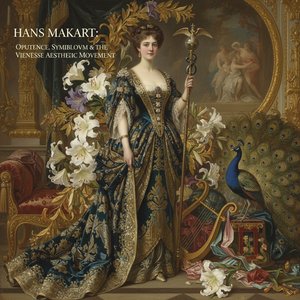
Hans Makart: Opulence, Symbolism & the Viennese Aesthetic Movement
Explore the opulent world of Hans Makart, a pivotal figure in Austrian art history. Discover his influence on Klimt & the Vienna Secession, signature style, and investment potential. Expert insights for collectors.

Barokke Pracht: Kunst die Grootsheid in Huis Brengt
Ontdek de barokke pracht! Leer over de geschiedenis, kenmerken en toepassingen van deze weelderige kunststijl in uw interieur. Laat u inspireren door meesters en breng grootsheid in huis.

The Visceral Stage: Exploring Dramatic Narratives & Emotional Intensity in Baroque Art
Explore the dramatic world of Baroque art! Discover iconic masters like Caravaggio & Rembrandt, their techniques, and the movement's lasting impact. Expert insights for collectors & enthusiasts at OriginalUniqueArt.

The Dramatic Flourish: Exploring the Baroque Movement's Enduring Legacy in Art History
Explore the dramatic world of Baroque art! Discover iconic artists like Caravaggio & Rubens, defining techniques, and its lasting impact on art history. Expert insights for collectors & enthusiasts at OriginalUniqueArt.