
 Voorvertoning
 Verstuur
 Delen
Delen
 Details bekijken

 Download
 Vergelijkbare items
 Röntgenonderzoek
 Diavoorstelling
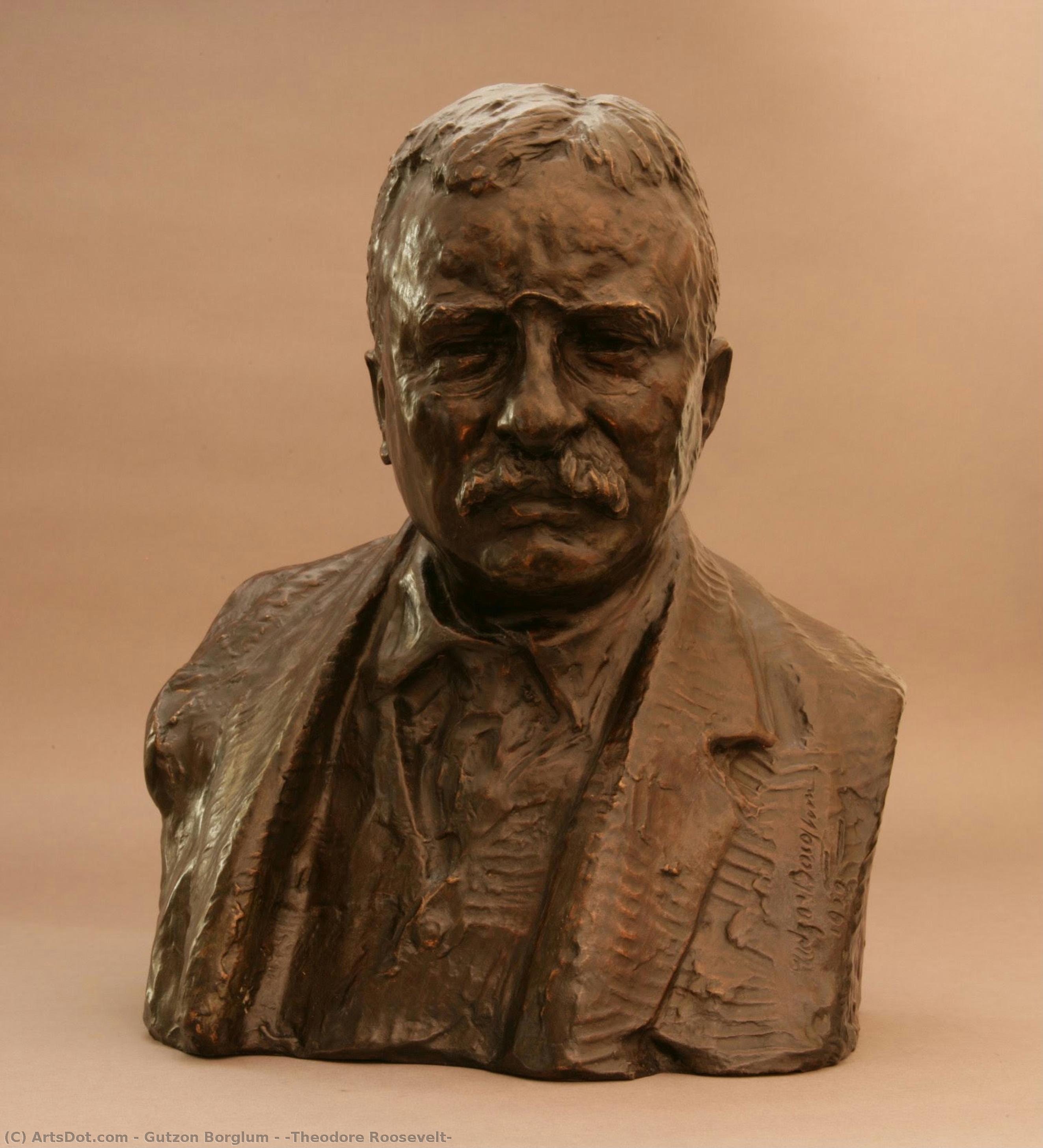
(Theodore Roosevelt)


 Lees meer
Koop een digitale afbeelding in hoge resolutie met verbeterde kwaliteit, die veel superieur is aan de online voorvertoning.
Elk bestand wordt met uiterste precisie voorbereid door onze interne specialisten, met behulp van geavanceerde tools en deskundige handmatige retouche. Wij garanderen dat elke afbeelding een uitzonderlijke helderheid, nauwkeurige kleurweergave en verfijnde details bezit.
Het uiteindelijke bestand wordt binnen 72 uur per e-mail geleverd, geoptimaliseerd voor direct gebruik in professionele, redactionele en printomgevingen. Dit is dezelfde kwaliteit waarop vooraanstaande designstudio's, uitgevers en galerieën vertrouwen.
Digitale afbeeldingen
Download een bestand met hoge resolutie voor persoonlijke weergave, afdrukken en creatieve projecten. ( Bestel print Bestel handgeschilderde reproductie)
Inbegrepen bij elke bestelling van een digitale afbeelding
Professionele digitale levering, gegarandeerd
Wanneer u kiest voor OriginalUniqueArt.com, ontvangt u niet alleen een afbeelding – u krijgt een professioneel verbeterd digitaal kunstwerk, met precisie vervaardigd en voorzien van een tevredenheidsgarantie. Dit is alles wat automatisch bij uw bestelling is inbegrepen:

Snelle levering per e-mail
Uw hoogwaardige digitale afbeeldingsbestand wordt binnen 72 uur na bestelling naar u gemaild – klaar voor direct gebruik.

AI-verbeterd digitaal bestand
Uw kunstwerk wordt professioneel geoptimaliseerd met behulp van geavanceerde AI-tools en handmatige bewerkingen, waardoor maximale details, helderheid en kleurnauwkeurigheid worden gegarandeerd.

Gratis levenslange herlevering van digitale afbeeldingen
Je bestand per ongeluk verwijderd of kwijtgeraakt? Geen zorgen – we sturen het u op elk gewenst moment gratis opnieuw toe.

Geen invoerkosten – nooit
Geniet direct van uw kunstwerk zonder invoerrechten, belastingen of verzendkosten – digitale downloads zijn altijd belastingvrij.

Garantie op kleurgetrouwheid
Met behulp van professionele hulpmiddelen en kleurbeheer zorgen wij ervoor dat uw digitale afbeelding de originele kleuren zo nauwkeurig mogelijk weergeeft.

60 dagen tevredenheidsgarantie
Als u niet tevreden bent met uw digitale afbeelding, passen wij deze aan of storten wij 100% terug binnen 60 dagen – zonder vragen gesteld.

100% Geld-terug-garantie
Niet tevreden? Ontvang binnen 60 dagen na ontvangst van uw digitale bestand uw volledige aankoopbedrag terug – zonder vragen te stellen.

Korting bij grote bestellingen
Koop 3 afbeeldingen, bespaar 10% - Koop 5, bespaar 15% - Koop 10+, bespaar 20%. Ideaal voor creatieve projecten, galerieën en bureaus.
Kunstenaarsbiografie
A Life Carved in Stone: The Monumental Vision of Gutzon Borglum
Born John Gutzon de la Mothe Borglum on March 25, 1867, in the rugged landscape of St. Charles, Idaho Territory, the future sculptor’s origins were as complex and multifaceted as the monumental works he would later create. His parents, Jens Møller Haugaard Børglum and Christina Mikkelsen Borglum, Danish immigrants drawn to the promise—and complexities—of a new life in America, initially embraced the tenets of Mormon polygamy. This unconventional upbringing instilled in young Gutzon a sense of otherness, perhaps fueling his later desire to forge a distinctly American identity through art. The family’s eventual rejection of Mormonism and relocation to Nebraska marked a period of transition, with his father establishing himself as a county doctor. It was in Omaha, however, after attending St. Mary’s College in Kansas, that Borglum first encountered the practical world of mechanics through an apprenticeship in a machine shop—an experience that would prove unexpectedly valuable when confronting the engineering challenges inherent in his colossal sculptural ambitions. A pivotal encounter with artist Elizabeth Jannes, who had studied extensively in Boston, New York, and Paris, proved transformative. Their relationship blossomed into marriage in 1889, and she became not only his wife but also a crucial influence on his artistic development, encouraging and accompanying him on formative travels through Europe.European Refinement and the Rodin Influence
The decade Borglum spent immersed in European art and culture was instrumental in shaping his aesthetic sensibilities. He honed his skills at the prestigious Académie Julian in Paris, a hotbed of artistic innovation. It was here that he encountered the work of Auguste Rodin, whose revolutionary approach to sculpting—emphasizing light, texture, and emotional depth—left an indelible mark on Borglum’s own style. He absorbed Rodin's techniques for capturing the play of light across sculpted surfaces, a characteristic that would become readily apparent in his later creations. This wasn’t merely about technical training; it was about absorbing a cultural heritage and understanding the power of art to convey profound meaning. Borglum’s talent quickly gained recognition, with acceptances into the esteemed Paris Salons of 1891 and 1892—a testament to his growing reputation within the European art world. These exhibitions provided invaluable exposure and validation, solidifying his commitment to a life dedicated to sculpture. The breadth of artistic styles he encountered during these travels broadened his understanding beyond American traditions, laying the foundation for a unique synthesis of influences that would define his mature work.Monumental Visions: From Lincoln to Mount Rushmore
Upon returning to America, Borglum embarked on a career characterized by ambition and scale. His 1908 bust of Abraham Lincoln, housed in the United States Capitol crypt, stands as an early masterpiece—a colossal representation that established his reputation for capturing likenesses with remarkable detail and conveying a sense of gravitas befitting the subject. This commission signaled his ability to handle large-scale projects and solidified his position within the American art establishment. However, it was Mount Rushmore National Memorial, begun in 1927 and continuing until 1941 (completed by his son after his death), that would forever cement Borglum’s place in history. This audacious undertaking—carving the faces of George Washington, Thomas Jefferson, Abraham Lincoln, and Theodore Roosevelt into the granite cliffs of the Black Hills—embodied his vision of monumental sculpture celebrating American ideals. The sheer scale of the project was unprecedented, demanding not only artistic skill but also innovative engineering solutions. Simultaneously, Borglum pursued another ambitious endeavor: Stone Mountain near Atlanta, Georgia, intended to depict Confederate leaders. Though he ultimately left the project due to disagreements with the committee, his initial designs profoundly influenced its eventual completion. Even the Trail Drivers Monument in Texas, commissioned by the Trail Drivers Association, though completed at a reduced scale, reflects his dedication to honoring American history and celebrating the spirit of the West.The Techniques of a Master Sculptor
Borglum’s sculptural process was as innovative as his artistic vision. He didn't simply carve; he engineered. The sheer size of Mount Rushmore demanded a revolutionary approach to stone removal, utilizing dynamite blasts to excavate vast quantities of granite. This required meticulous planning and an understanding of geological formations—skills honed during his apprenticeship in the machine shop. His use of different types of stone – primarily gray granite for the faces and red quartzite for the background – created a striking visual contrast, enhancing the monument’s dramatic effect. Furthermore, Borglum experimented with various sculpting techniques, including dry-stacking (building structures without mortar) to stabilize the massive blocks of stone. This combination of artistic skill and engineering ingenuity set him apart from other sculptors of his time, demonstrating a remarkable ability to translate ambitious concepts into tangible reality.A Legacy Etched in Stone
Gutzon Borglum’s influence extends beyond the physical presence of his sculptures. He challenged conventional notions of artistic scale, demonstrating that art could be not just beautiful but also profoundly impactful on a national level. His work sparked conversations about American identity, historical memory, and the role of public art in shaping civic consciousness. While controversies surrounding Stone Mountain—and its original Confederate symbolism—have prompted ongoing dialogue, they underscore the complex relationship between art, history, and social values. Gutzon Borglum wasn’t simply a sculptor; he was a cultural force who left an indelible mark on the American landscape and imagination. His dedication to monumental forms, combined with his technical mastery and unwavering belief in the power of art to inspire, ensures that his legacy will continue to resonate for centuries to come—a testament to a life truly carved in stone.
Gutzon Borglum
1867 - 1941 , Verenigde Staten van Amerika
Belangrijkste feiten
- Artistic Movement Or Style: Neoklassiek, Impressionisme
- Artists Or Movements Influenced By This Artist: ['Publieke kunst']
- Artists Who Influenced This Artist: ['Rodin']
- Date Of Birth: 25 mrt 1867
- Date Of Death: 6 mrt 1941
- Full Name: Gutzon Borglum
- Nationality: Amerikaans
- Notable Artworks:
- Mount Rushmore
- Stone Mountain
- Lincoln bust
- Place Of Birth: St. Charles, USA

