 Bekijk op ware grootte
 Verstuur
 Delen
Delen
 Details bekijken

 Download
 Vergelijkbare werken
 Röntgenonderzoek
 Diavoorstelling
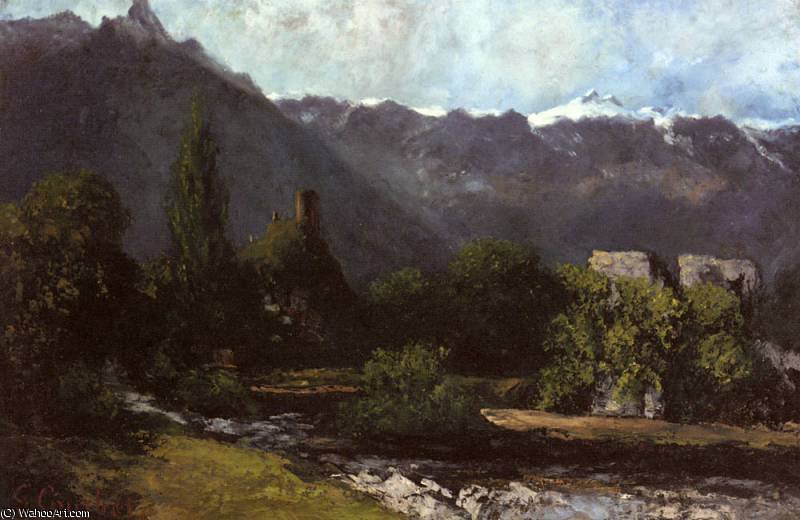
le glacier

 Lees meer
Giclée / Kunstafdrukken
Giclée- of canvasafdruk van museumkwaliteit met een snelle productie en flexibele afwerkingsmogelijkheden. ( Bestel een handgeschilderde reproductie van dit verzamelobject Naar afbeelding wisselen)




P118B $10

P118H $10

P118W $10

P438Z $10

P508JH $12

P508YH $12

P805H $10

P805Z $10

P919BZ $10

P919G $10

P919XJ $10

P959ZH $10

P968JZ $12

W106C $8

W218G $10

W218JH $8

W218Y $10

W307PJ $10

W316G $10

W316PJ $8

W316Y $10

W398PJ $8

W4111J $10

W500HY $15

W500JH $15

W692G $12

W849H $8

W940BG $15

W953PJ $8




Kies uit onze vooraf ingestelde maten die overeenkomen met de originele verhoudingen van het kunstwerk.

U kunt uw eigen afmetingen opgeven om in een specifieke lijst of ruimte te passen. Als de door u gekozen maat niet overeenkomt met de proporties van het originele kunstwerk, zullen wij de afbeelding bijsnijden of uitbreiden met een gespiegelde of effen rand. Een digitaal mockup wordt ter goedkeuring naar u verzonden voordat de productie begint.
Houd er rekening mee dat de preview op het scherm de werkelijke bijsneding of uitbreiding niet weergeeft. Alleen de mockup toont de uiteindelijke compositie nauwkeurig.
Hoewel aangepaste maten beschikbaar zijn, raden wij aan een afmeting uit de vooraf bepaalde lijst te kiezen om de originele proporties te behouden.
Wereldwijde levering () binnen 2 weken in plaats van de standaard 4/5 weken. (7 augustus)

Gratis wereldwijde expressverzending

Hoogwaardig linnen canvas

Volledige verzendverzekering

Garantie op terugbetaling van invoerrechten

Garantie op exacte kleurweergave

60 dagen retourbeleid (alleen bij defecten)

100% Geld-terug-garantie

Korting bij meerdere afnames
 De optie voor glas is alleen beschikbaar bij een formaat kleiner dan 110 cm.

le glacier
Giclée / Kunstafdrukken
Formaat reproductie
-


Totaalprijs
$ 81
Beschrijving verzamelobject
A Glimpse into the Real: Gustave Courbet’s *Le Glacier*
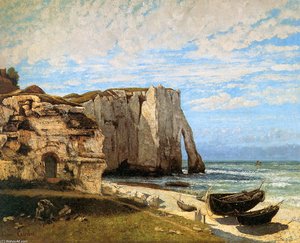
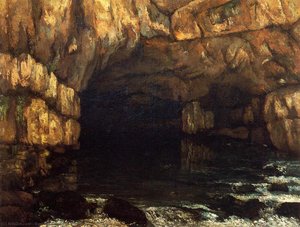
Gustave Courbet's *Le Glacier* (also known as *Saillon (Valais)*) is a captivating landscape painting that exemplifies the core tenets of the Realist movement. Created sometime during his prolific career, this work transports viewers to the majestic Swiss Alps, offering a strikingly honest and unidealized depiction of nature’s power and beauty.Subject & Composition
The scene unfolds with a dramatic vista dominated by snow-capped mountains that pierce the sky. A glacial body of water – the ‘glacier’ itself – occupies the foreground, reflecting the surrounding peaks and creating a sense of depth and vastness. Scattered trees dot the landscape, providing scale and grounding the composition. Notably, Courbet includes human elements: two buildings are visible, one centrally positioned and appearing substantial in size, while another resides to the right. This juxtaposition is key; it’s not simply nature *and* humanity, but a statement about their co-existence – and perhaps, humanity's intrusion upon the natural world.Style & Technique
Courbet was a revolutionary figure who rejected the romanticized and often mythological subjects favored by academic painting. He championed Realism, focusing on depicting everyday life and landscapes with uncompromising accuracy. *Le Glacier* is a prime example of this approach. Courbet’s brushwork is direct and visible, eschewing smooth blending in favor of textured surfaces that convey the ruggedness of the mountains and the fluidity of the water. His palette leans towards earthy tones – grays, browns, whites – accurately reflecting the natural colors of the alpine environment. The painting isn't about *ideal* beauty; it’s about observed truth.Historical Context & Courbet’s Philosophy
Born in 1819, Gustave Courbet lived during a period of significant social and political upheaval in France. He actively challenged the established art world, believing that artists should paint what they see, not what they are *told* to see. This philosophy is encapsulated in his famous dictum: “to know how to paint one must first know how to see.” His rejection of academic conventions paved the way for Impressionism and other modern art movements. *Le Glacier*, painted during a time when landscape painting was gaining popularity, stands out due to its lack of sentimentality and its commitment to portraying nature as it is – imposing, indifferent, and undeniably real.Symbolism & Emotional Impact
While Courbet largely avoided overt symbolism, *Le Glacier* evokes powerful emotions through its sheer scale and the sublime beauty of the landscape. The mountains represent permanence and power, while the glacier itself suggests both creation and destruction – a constant cycle of change. The presence of human structures hints at humanity’s ambition to conquer and control nature, but their relatively small size emphasizes our vulnerability in the face of such immense forces. The painting invites contemplation on themes of nature, humanity, and the passage of time.For Collectors & Designers
*Le Glacier* is a significant work within Courbet’s oeuvre and a compelling example of 19th-century Realism. A high-quality reproduction would serve as a striking focal point in any interior, bringing a sense of grandeur and tranquility to a living space or study. Its muted color palette lends itself well to various design schemes, from traditional to contemporary. The painting’s inherent drama and emotional depth make it an excellent conversation starter and a testament to the power of representational art.Biografie van de kunstenaar
A Rebel’s Brush: The Life and Legacy of Gustave Courbet
Jean Désiré Gustave Courbet, born in Ornans, France, on June 10, 1819, stands as a monumental figure in the history of art – a defiant iconoclast who irrevocably altered the trajectory of painting during the mid-nineteenth century. More than simply capturing visual impressions; his artistic journey embodies a profound rejection of convention and an unwavering dedication to portraying reality with uncompromising honesty. His upbringing within a moderately prosperous bourgeois family fostered an early appreciation for artistic pursuits, nurtured by his mother’s encouragement – a formative influence that propelled him toward a revolutionary vision of artistic expression. Formal training commenced at the École des Beaux-Arts in Paris in 1839, yet Courbet swiftly recognized the stifling limitations imposed by academic dogma and Romantic idealism. While acknowledging debts to artists like Eugène Delacroix and Théodore Géricault – figures who championed dramatic emotion and historical narrative – Courbet resolutely forged his own path, prioritizing observation over imagination and truth above all else. This deliberate divergence from established artistic norms would define his entire career and establish him as the undisputed leader of Realism.The Birth of Realism: Challenging Artistic Conventions
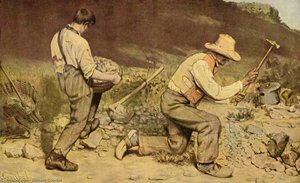
Courbet’s artistic development was characterized by a conscious repudiation of prevailing aesthetic standards. He eschewed mythological tales and heroic allegories, instead focusing intently on the everyday lives of ordinary individuals – particularly laborers and rural inhabitants. This commitment to depicting the world without embellishment—a stance that would soon become synonymous with Realism—encountered vehement opposition from critics accustomed to idealized representations steeped in romantic sentimentality. Early canvases explored landscapes and portraits; however, he swiftly transitioned toward scenes of working-class existence, rendered on monumental scales traditionally reserved for grand historical or religious paintings. This deliberate choice wasn’t merely stylistic; it was a declaration about the inherent dignity and significance of subjects often marginalized by artistic discourse. The Stone Breakers (1849), tragically destroyed during World War II, exemplifies this approach—a stark portrayal of two laborers toiling under oppressive conditions, their faces obscured by exhaustion and despair. Critics deemed such depictions vulgar and unworthy of serious consideration, highlighting the profound challenge Courbet posed to the prevailing artistic sensibilities of his time.Major Works and Artistic Philosophy
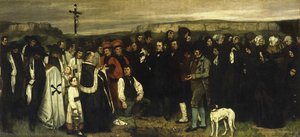
Courbet’s artistic philosophy extended beyond subject matter to encompass technique. He championed a direct, impasto style—applying paint thickly onto the canvas—that prioritized the materiality of the medium itself. This method deliberately rejected the smooth surfaces favored by academic painters, emphasizing texture and physicality as crucial elements of visual expression. His most celebrated paintings include A Burial at Ornans (1850-51), a monumental canvas depicting a provincial funeral that provoked considerable controversy upon its exhibition. Unlike Romantic artists who sought to elevate emotion and inspire awe, Courbet presented the mourners with unflinching realism—faces etched with sorrow, boredom, and resignation—challenging viewers to confront uncomfortable truths about human experience. Similarly, Château du Chillon (1874), a breathtaking depiction of the medieval castle overlooking Lake Geneva, showcases Courbet’s meticulous attention to detail and his masterful command of light and color. He sought to capture not merely what he saw but also how it felt—a profound ambition that resonated deeply with fellow artists grappling for new modes of artistic representation.Legacy and Historical Significance
Gustave Courbet's influence on subsequent art movements is undeniable. While acknowledging debts to earlier masters like Caravaggio for their dramatic realism and use of chiaroscuro, his impact transcended mere imitation. He fundamentally reshaped the landscape of painting by liberating artists from the constraints of tradition—encouraging them to explore uncharted territories of visual perception. His unwavering advocacy for artistic freedom cemented his position as a champion of intellectual dissent and fueled the burgeoning movement toward socially engaged art. Courbet’s participation in the Salon des Refusés (1863)—an audacious defiance of official censure—solidified his reputation as an iconoclastic rebel who refused to compromise on his convictions. He died peacefully in Paris on April 29, 1877, leaving behind a legacy that continues to inspire artists and scholars alike – a testament to the transformative power of art to confront societal norms and illuminate the complexities of human existence.
Gustave Courbet
1819 - 1877 , Frankrijk
Snelle feiten
- Artistic Movement Or Style: Realisme
- Artists Or Movements Influenced By This Artist:
- Impressionisme
- Post-impressionisme
- Artists Who Influenced This Artist:
- Eugène Delacroix
- Théodore Géricault
- Caravaggio
- Date Of Birth: 10 juni 1819
- Date Of Death: 31 december 1877
- Full Name: Gustave Courbet
- Nationality: Frans
- Notable Artworks:
- De Steenbakers
- Een begrafenis te Ornans
- De Schilderstudio
- Place Of Birth: Orléans, Frankrijk
Gerelateerde artikelen
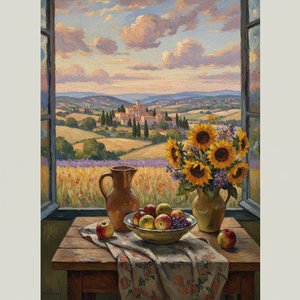
Bernard Cathelin: A Poetic Realist's Exploration of Still Life and the French Landscape
Explore the captivating world of Bernard Cathelin, a master of French Poetic Realism. Discover his stunning still lifes & landscapes, and learn about his legacy with OriginalUniqueArt.
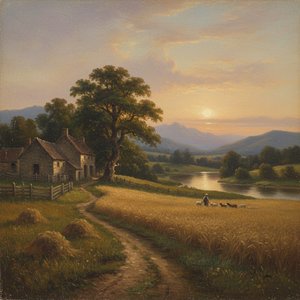
Cultivating Visions: A Historical Exploration of Rural Life in Painting
Explore the rich history of rural life in painting! Discover masterpieces from Dutch Masters to Courbet & Watteau. Uncover the artistic and social significance of idyllic landscapes and peasant scenes.
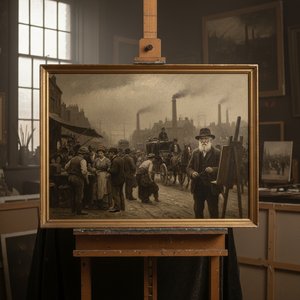
Walter Greaves: A Study in Victorian Realism & the Social Landscape of British Art
Explore the life & work of Walter Greaves, a key Victorian realist painter influenced by Whistler. Discover his London streetscapes, portraits, and enduring legacy. Learn about art appraisal & reproduction options at OriginalUniqueArt.
Henri Le Sidaner: Evoking Atmosphere & Intimacy in Post-Impressionist Landscapes
Discover the evocative world of Henri Le Sidaner, a master of Intimist painting. Explore his tranquil landscapes & atmospheric interiors – a celebration of light and intimacy. Learn about his life, style, and lasting legacy.

Concrete Visions: Exploring the Urban Landscape in Painting – From Realism to Contemporary Art
Explore the evolution of cityscape painting from Realism to contemporary art with OriginalUniqueArt. Discover key artists & invest in timeless urban visions. Expert guidance, museum-quality reproductions.