Voorvertoning
 Verstuur
 Delen
Delen
 Details bekijken
 Gids
Gids

 Download
 Vergelijkbare items
 Röntgenonderzoek
 Diavoorstelling
 Q&A
Q&A Statistieken
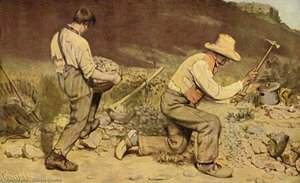
De Steenhouwer

- 45.0 x 54.0 cm


 Lees meer
Giclée / Kunstafdrukken
Giclée- of canvasafdruk van museumkwaliteit met een snelle productie en flexibele afwerkingsmogelijkheden. ( Bestel handgeschilderde reproductie Schakel over naar digitale afbeeldingen)




P118B €10

P118H €10

P118W €10

P438Z €10

P508JH €12

P508YH €12

P805H €10

P805Z €10

P919BZ €10

P919G €10

P919XJ €10

P959ZH €10

P968JZ €12

W106C €8

W218G €10

W218JH €8

W218Y €10

W307PJ €10

W316G €10

W316PJ €8

W316Y €10

W398PJ €8

W4111J €10

W500HY €15

W500JH €15

W692G €12

W849H €8

W940BG €15

W953PJ €8




Kies uit onze vooraf ingestelde maten die overeenkomen met de originele verhoudingen van het kunstwerk.

Voer de gewenste breedte en hoogte in, passend bij uw lijst of muur. Een afdruk kan alleen worden ingekort en nooit groter worden gemaakt dan het origineel; een formaat met andere verhoudingen zal daarom een deel van de afbeelding verliezen. Wij sturen u een digitaal mockup ter goedkeuring voordat we tot drukwerk overgaan. De afbeelding op deze pagina toont niet de werkelijke uitsnede — dit is alleen te zien op het mockup.
Wereldwijde levering () binnen 2 weken in plaats van de standaard 4/5 weken. (31 oktober)

Gratis wereldwijde expressverzending

Hoogwaardig linnen canvas

Volledige verzendverzekering

Garantie op terugbetaling van invoerrechten

Garantie op exacte kleurweergave

Retourbeleid van 100 dagen (alleen bij defecten)

100% Geld-terug-garantie

Korting bij meerdere afnames
 De optie voor glas is alleen beschikbaar bij een formaat kleiner dan 110 cm.

De Steenhouwer
Giclée / Kunstafdrukken
Afmetingen reproductie
-


Eindtotaal
€ 72
De Steenhouder
Gustave Courbets De Steenhouder is een baanbrekend werk binnen de Realisme beweging, dat de essentie van arbeid en vastberadenheid uit de 19e eeuwse Frankrijk vangt. Het schilderij, geschilderd in 1849, meet 45 x 54 cm en is gekenmerkt door zijn realistische weergave van een man die stenen breekt in een veld.De Samenstelling van het Doek
Het centrale figuur in het schilderij is een man met een hoed, die met een hamer geduldig stenen breekt. De scène speelt zich af tegen de achtergrond van heuvels en verre bomen, wat de isolatie en harde arbeid van de arbeider benadrukt. Andere gereedschappen zijn zichtbaar in het schilderij, waaronder een schep aan de rechterkant en nog een verderop. Twee extra figuren kunnen op de achtergrond worden gezien, één in de bovenste linker hoek en één in de onderste rechter hoek.Artistieke Betekenis
De Steenhouder werd tentoongesteld op de Salon van 1850 in Parijs, waar het gemengde kritieken kreeg. Sommige critici prijzen de realistische weergave van het dagelijks leven, terwijl anderen de dikke verf en het slechte licht bekritiseerden. De sociale theoreticus Pierre-Joseph Proudhon prees het werk als een succesvolle socialistische schildering, omschreven als "een meesterwerk in zijn genre."Historische Context
Courbet produceerde twee versies van De Steenhouder. De eerste versie werd getoond op de Salon van 1850 en later verworven door de Gemäldegalerie Alte Meister in Dresden. Helaas werd deze versie vernietigd tijdens de Tweede Wereldoorlog terwijl ze naar een veilige opslagplaats werden verplaatst. De tweede versie, een omgekeerde afbeelding, overleefde de oorlog en is nu onderdeel van de Oskar Reinhart Collectie in Winterthur.Vergelijking met Andere Werken
De Overledene Moeder Begraven, een schilderij uit 1856 van Jozef Israëls, is vergeleken met De Steenhouder. Beide werken tonen de struggles van het dagelijks leven, maar terwijl De Overledene Moeder Begraven zich richt op een weduwe visserman en zijn kinderen, benadrukt De Steenhouder de solitaire arbeid van een steenhouwer.Erfenis en Invloed
De Steenhouder wordt beschouwd als een belangrijk werk in de Realisme beweging, wat later invloed had op kunstenaars zoals Vincent van Gogh. Het blijft een krachtig voorbeeld van Courbets vermogen om het essentie van het dagelijks leven vast te leggen door zijn kunst. Voor meer informatie over Gustave Courbet en zijn werken, bezoekt u Gustave Courbet: De Steenhouder bij OriginalUniqueArt. Om andere Realistische schilderijen te verkennen, bekijk dan Gustave Courbet: Begrafenis in Ornans en Gustave Courbet: Een Begrafenis in Ornans.Veelgestelde vragen
Hoe kan ik kunstwerken ontdekken die lijken op "De Steenhouwer" door Gustave Courbet?
Op de pagina Vergelijkbare werken van "De Steenhouwer" door Gustave Courbet vindt u gerelateerde kunstwerken.
Is "De Steenhouwer" door Gustave Courbet een portret, landschap of vierkante compositie?
"De Steenhouwer" door Gustave Courbet heeft een Liggend formaat-formaat. Het formaat beschrijft de verhoudingen van de compositie.
Hoe harmonieus is het kleurgebruik in "De Steenhouwer" door Gustave Courbet?
De kleurharmonie van "De Steenhouwer" wordt beschreven als Sterke kleurconsistentie.
Biografie kunstenaar
A Rebel’s Brush: The Life and Legacy of Gustave Courbet
Jean Désiré Gustave Courbet, born in Ornans, France, on June 10, 1819, stands as a monumental figure in the history of art – a defiant iconoclast who irrevocably altered the trajectory of painting during the mid-nineteenth century. More than simply capturing visual impressions; his artistic journey embodies a profound rejection of convention and an unwavering dedication to portraying reality with uncompromising honesty. His upbringing within a moderately prosperous bourgeois family fostered an early appreciation for artistic pursuits, nurtured by his mother’s encouragement – a formative influence that propelled him toward a revolutionary vision of artistic expression. Formal training commenced at the École des Beaux-Arts in Paris in 1839, yet Courbet swiftly recognized the stifling limitations imposed by academic dogma and Romantic idealism. While acknowledging debts to artists like Eugène Delacroix and Théodore Géricault – figures who championed dramatic emotion and historical narrative – Courbet resolutely forged his own path, prioritizing observation over imagination and truth above all else. This deliberate divergence from established artistic norms would define his entire career and establish him as the undisputed leader of Realism.The Birth of Realism: Challenging Artistic Conventions
Courbet’s artistic development was characterized by a conscious repudiation of prevailing aesthetic standards. He eschewed mythological tales and heroic allegories, instead focusing intently on the everyday lives of ordinary individuals – particularly laborers and rural inhabitants. This commitment to depicting the world without embellishment—a stance that would soon become synonymous with Realism—encountered vehement opposition from critics accustomed to idealized representations steeped in romantic sentimentality. Early canvases explored landscapes and portraits; however, he swiftly transitioned toward scenes of working-class existence, rendered on monumental scales traditionally reserved for grand historical or religious paintings. This deliberate choice wasn’t merely stylistic; it was a declaration about the inherent dignity and significance of subjects often marginalized by artistic discourse. The Stone Breakers (1849), tragically destroyed during World War II, exemplifies this approach—a stark portrayal of two laborers toiling under oppressive conditions, their faces obscured by exhaustion and despair. Critics deemed such depictions vulgar and unworthy of serious consideration, highlighting the profound challenge Courbet posed to the prevailing artistic sensibilities of his time.Major Works and Artistic Philosophy
Courbet’s artistic philosophy extended beyond subject matter to encompass technique. He championed a direct, impasto style—applying paint thickly onto the canvas—that prioritized the materiality of the medium itself. This method deliberately rejected the smooth surfaces favored by academic painters, emphasizing texture and physicality as crucial elements of visual expression. His most celebrated paintings include A Burial at Ornans (1850-51), a monumental canvas depicting a provincial funeral that provoked considerable controversy upon its exhibition. Unlike Romantic artists who sought to elevate emotion and inspire awe, Courbet presented the mourners with unflinching realism—faces etched with sorrow, boredom, and resignation—challenging viewers to confront uncomfortable truths about human experience. Similarly, Château du Chillon (1874), a breathtaking depiction of the medieval castle overlooking Lake Geneva, showcases Courbet’s meticulous attention to detail and his masterful command of light and color. He sought to capture not merely what he saw but also how it felt—a profound ambition that resonated deeply with fellow artists grappling for new modes of artistic representation.Legacy and Historical Significance
Gustave Courbet's influence on subsequent art movements is undeniable. While acknowledging debts to earlier masters like Caravaggio for their dramatic realism and use of chiaroscuro, his impact transcended mere imitation. He fundamentally reshaped the landscape of painting by liberating artists from the constraints of tradition—encouraging them to explore uncharted territories of visual perception. His unwavering advocacy for artistic freedom cemented his position as a champion of intellectual dissent and fueled the burgeoning movement toward socially engaged art. Courbet’s participation in the Salon des Refusés (1863)—an audacious defiance of official censure—solidified his reputation as an iconoclastic rebel who refused to compromise on his convictions. He died peacefully in Paris on April 29, 1877, leaving behind a legacy that continues to inspire artists and scholars alike – a testament to the transformative power of art to confront societal norms and illuminate the complexities of human existence.
Gustave Courbet
1819 - 1877 , Frankrijk
Belangrijkste feiten
- Artistic Movement Or Style: Realisme
- Artists Or Movements Influenced By This Artist:
- Impressionisme
- Post-impressionisme
- Artists Who Influenced This Artist:
- Eugène Delacroix
- Théodore Géricault
- Caravaggio
- Date Of Birth: 10 juni 1819
- Date Of Death: 31 december 1877
- Full Name: Gustave Courbet
- Nationality: Frans
- Notable Artworks:
- De Steenbakers
- Een begrafenis te Ornans
- De Schilderstudio
- Place Of Birth: Orléans, Frankrijk
Gerelateerde artikelen

Top 10 Realistische Meesterwerken: Kunstgeschiedenis voor uw Interieur | OriginalUniqueArt.com
Ontdek de 10 meest iconische meesterwerken van het Realisme! Van Courbet tot Millet, leer over de kunstenaars, technieken & impact. Vind museumkwaliteit reproducties voor uw interieur op OriginalUniqueArt.com. Exploreer de collectie online!

Gustav Klimt's Top 25 Meesterwerken: Kunst, Geschiedenis & Decoratie | OriginalUniqueArt
Ontdek de top 25 meesterwerken van Gustav Klimt! Van 'De Kus' tot iconische portretten, duik in zijn gouden fase & symbolisme. Vind museumkwaliteit Klimt reproducties en inspiratie voor uw interieur op OriginalUniqueArt.com.
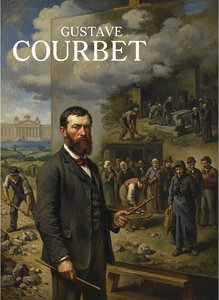
Gustave Courbet: Realism's Revolutionary Vision & the Social Canvas of 19th-Century France
Explore the revolutionary art of Gustave Courbet, pioneer of Realism. Discover his iconic paintings, social commentary, and lasting impact on 19th-century French art history. Expert analysis & insights.

Romantic Realism's Finest: 10 Masterpieces for Your Home | OriginalUniqueArt
Explore 10 defining masterpieces of Romantic Realism! Discover Courbet, Millet & Daumier's powerful paintings—capturing emotion and social realities. Find museum-quality reproductions for your home at OriginalUniqueArt.com.

The Enduring Appeal of Realism: Technique, History & Emotional Impact
Explore the captivating world of 19th-century Realism! Discover key artists like Courbet & Millet, masterpieces, and its lasting impact on art history. Expert insights at OriginalUniqueArt.