Text size

() ·

A painting made for you, by hand

Draft drawing of

Handgemaakte olieverfreproductie

Met de hand geschilderd in olieverf op canvas in uw gewenste maat en lijst, op bestelling gemaakt door onze kunstenaars. ( Schakel over naar print Schakel over naar digitale afbeeldingen)

Beschrijving verzamelobject

Biografie kunstenaar

Ontdek Gustav Klimt (1862-1918), de Oostenrijkse meester van Art Nouveau! Verken zijn iconische 'Gouden Fase', sensuele portretten & meesterwerken zoals *De Kus*. Leer over zijn leven, invloeden & nalatenschap.

from ·

Chapter 1

How large should it be?

Slide to change the size; the picture on the left shows the frame at its real width. The proportions of the original are kept.

Standaardformaat
op maat gemaakt
CM
INCH

Kies uit onze vooraf ingestelde maten die overeenkomen met de originele verhoudingen van het kunstwerk.

breedte
hoogte

Voer de breedte en hoogte in die u nodig heeft, passend bij uw lijst of uw muur. Omdat dit handgeschilderd is, kan de kunstenaar bij een afmeting met een andere beeldverhouding iets meer rondom het schilderij schilderen of juist iets meer weglaten — u kiest zelf. Wij sturen u een digitaal mockup ter goedkeuring voordat het schilderwerk begint. De afbeelding die op deze pagina wordt getoond, is niet het uiteindelijke resultaat — alleen de mockup geeft dit weer.


Chapter 2

How should it arrive?

Choose the edges of the stretched canvas

Choose your frame

Corner sample of the WhiteWrap canvas edge finish, stretched on massief hout bars
White €1
Corner sample of the BlurSideWrap canvas edge finish, stretched on massief hout bars
Blurside €1
Corner sample of the ExtendedWrap canvas edge finish, stretched on massief hout bars
Extended €1
Corner sample of the P118B picture frame: gegoten polystyreen, 5 cm wide and 3 cm thick
P118B €10
Corner sample of the P118H picture frame: gegoten polystyreen, 5 cm wide and 3 cm thick
P118H €10
Corner sample of the P118W picture frame: gegoten polystyreen, 5 cm wide and 3 cm thick
P118W €10
Corner sample of the P438Z picture frame: gegoten polystyreen, 5.5 cm wide and 3.5 cm thick
P438Z €10
Corner sample of the P508JH picture frame: gegoten polystyreen, 7 cm wide and 3.5 cm thick
P508JH €12
Corner sample of the P508YH picture frame: gegoten polystyreen, 7 cm wide and 3.5 cm thick
P508YH €12
Corner sample of the P805H picture frame: gegoten polystyreen, 5 cm wide and 3.5 cm thick
P805H €10
Corner sample of the P805Z picture frame: gegoten polystyreen, 5 cm wide and 3.5 cm thick
P805Z €10
Corner sample of the P919BZ picture frame: gegoten polystyreen, 7 cm wide and 3.5 cm thick
P919BZ €10
Corner sample of the P919G picture frame: gegoten polystyreen, 7 cm wide and 3.5 cm thick
P919G €10
Corner sample of the P919XJ picture frame: gegoten polystyreen, 7 cm wide and 3.5 cm thick
P919XJ €10
Corner sample of the P959ZH picture frame: gegoten polystyreen, 5 cm wide and 3 cm thick
P959ZH €10
Corner sample of the P968JZ picture frame: gegoten polystyreen, 6 cm wide and 4 cm thick
P968JZ €12
Corner sample of the W106C picture frame: massief hout, 5 cm wide and 3 cm thick
W106C €8
Corner sample of the W218G picture frame: massief hout, 5 cm wide and 3 cm thick
W218G €10
Corner sample of the W218JH picture frame: massief hout, 5 cm wide and 3 cm thick
W218JH €8
Corner sample of the W218Y picture frame: massief hout, 5 cm wide and 3 cm thick
W218Y €10
Corner sample of the W307PJ picture frame: massief hout, 6 cm wide and 3 cm thick
W307PJ €10
Corner sample of the W316G picture frame: massief hout, 6 cm wide and 3 cm thick
W316G €10
Corner sample of the W316PJ picture frame: massief hout, 6 cm wide and 3 cm thick
W316PJ €8
Corner sample of the W316Y picture frame: massief hout, 6 cm wide and 3 cm thick
W316Y €10
Corner sample of the W398PJ picture frame: massief hout, 5 cm wide and 3 cm thick
W398PJ €8
Corner sample of the W4111J picture frame: massief hout, 6.5 cm wide and 3.5 cm thick
W4111J €10
Corner sample of the W500HY picture frame: massief hout, 7 cm wide and 5 cm thick
W500HY €15
Corner sample of the W500JH picture frame: massief hout, 7 cm wide and 5 cm thick
W500JH €15
Corner sample of the W692G picture frame: massief hout, 8 cm wide and 4 cm thick
W692G €12
Corner sample of the W849H picture frame: massief hout, 5 cm wide and 3 cm thick
W849H €8
Corner sample of the W940BG picture frame: massief hout, 7.5 cm wide and 4.5 cm thick
W940BG €15
Corner sample of the W953PJ picture frame: massief hout, 6 cm wide and 3.5 cm thick
W953PJ €8
Corner sample of the H24-GOLD picture frame: gesneden hout met gesso, 10 cm wide and 6 cm thick
H24-GOLD €30
Corner sample of the H24-SILVER picture frame: gesneden hout met gesso, 10 cm wide and 6 cm thick
H24-SILVER €30
Corner sample of the H36-GOLD picture frame: gesneden hout met gesso, 15 cm wide and 6.5 cm thick
H36-GOLD €45
Corner sample of the H36-SILVER picture frame: gesneden hout met gesso, 15 cm wide and 6.5 cm thick
H36-SILVER €45
Lijstvoorbeeld
Ingelijst

Moulding: . Overall size with the frame: .

Chapter 3

Who paints it, and should anything change?

Examples of what can be changed: Replace face with customer photo; Add pet (e.g., replace cat with dog); Include hidden message in background; Change background landscape or elements.
After order, OriginalUniqueArt.com team will email client for instructions and provide a mockup preview

Wereldwijde levering () binnen 3 tot 4 weken in plaats van de standaard 5 weken. (1 november). Zonder concessies aan de kwaliteit.

Chapter 4

The finishing touches

A nameplate, as in a museum?

Details van de gegraveerde bronzen plaat

This elegant plaque features the artist's name and the title of the artwork, finely engraved for a timeless presentation.

It is made from bronze with a refined, elegant finish. The text is precisely laser-engraved for a sharp and permanent result. Measuring 9x2 cm, the plaque is compact yet easy to read. It's built to be durable and scratch-resistant, offering a professional, museum-quality look. Mounting is simple thanks to the included adhesive backing.

Details transparante acrylplaat

The plaque includes essential engraved details such as the artist's name, the title of the artwork, the date it was created, the type of media used-like oil on canvas or watercolor-a brief description of the piece, and a QR code that links to the complete artwork information.

It is crafted from clear acrylic, offering a sleek, modern appearance. The text is UV-engraved in black to ensure strong visual contrast. With a size of 10x15 cm, it ensures optimal readability. It comes equipped with two metal hooks for secure wall mounting. The plaque is designed to be weather-resistant, making it suitable for various environments, and it includes interactive features that work seamlessly with smartphone scanning.

Details zwarte acrylplaat

This elegant plaque includes engraved information such as the artist's name, the title of the artwork, the date it was created, the type of media used (like oil on canvas or watercolor), a short description of the artwork, and a QR code for quick access to more information.

The plaque itself is made from refined black acrylic with a premium finish. The text is laser-engraved in white for high contrast and readability. Its size is 10x15 cm, designed to be easy to read. It comes with two metal hooks for professional mounting. The design is sleek and fits any interior style. It is also weather-resistant and durable, with built-in digital integration for mobile compatibility.

A protective varnish?

When do you need it?

Chapter 5

Your painting, as you ordered it

Draft drawing of

Druktechniek

Afmetingen reproductie

-

Geselecteerde topkunstenaars

Meer detail, verfijning en extra productietijd

-

Lijst voor reproductie

-

-

Voor kunstwerken of reproducties die aan één zijde groter zijn dan 105 cm (ongeveer 41 inch), wordt de lijst als een losse set verzonden. Deze methode garandeert een veilige levering en voorkomt schade tijdens het transport.

Professionele montage vereist - dit is geen doe-het-zelfproduct.
De set moet worden gemonteerd en het canvas moet worden gespannen door een ervaren professionele lijstenmaker, met gebruik van houtlijm (niet inbegrepen), een doekspanter en klemmen om de sponningen recht te houden terwijl de lijm droogt. Onjuiste montage of een ongelijkmatige spanning op het canvas kan het kunstwerk permanent beschadigen en wordt niet gedekt door onze garantie.

  • Alle massief houten onderdelen zijn inbegrepen, nauwkeurig op maat gesneden voor montage.

  • Te monteren met de meegeleverde schroeven, plus houtlijm voor de hoekverbindingen, die niet wordt meegeleverd en door uw lijstenmaker moet worden aangeschaft.

  • Professioneel gereedschap is vereist en niet inbegrepen: een spanner voor canvas en klemmen om de latten recht te houden terwijl de lijm droogt.

Belangrijk:
De hoekverbindingen vereisen houtlijm, de latten moeten met lijmklemmen worden vastgehouden tot de lijm volledig is opgedroogd, en het spannen van het canvas op het samengestelde frame vereist een doekspanter. Geen van deze artikelen is inbegrepen in de set. Wij adviseren u om een ervaren professionele lijstenmaker te raadplegen voordat u deze maat bestelt.

Naamplaatje

-

-

Beschermende vernislaag

Glanzende vernis (versterkt de kleuren en biedt bescherming tegen licht en vocht)

-

Mijn kunstwerk aanpassen

Voorbeelden van aanpassingen: vervang het gezicht door een eigen foto; voeg een huisdier toe (bijv. vervang de kat door een hond); verwerk een verborgen boodschap in de achtergrond; wijzig het landschap of andere elementen op de achtergrond.

-

Spoedlevering

Wereldwijde levering () binnen 3 tot 4 weken in plaats van de standaard 5 weken. (1 november). Geen concessies aan de kwaliteit.

-

Spoedlevering

Wereldwijde levering naar binnen 5 weken. (8 november).

Inbegrepen

Eindtotaal

€ 267

Totaalprijs € 267

De optie voor glas is alleen beschikbaar bij een formaat kleiner dan 110 cm.

Included with every order

  • Gratis wereldwijde expressverzending
  • Hoogwaardig linnen canvas
  • Volledige verzendverzekering
  • Garantie op terugbetaling van invoerrechten
  • Garantie op exacte kleurweergave
  • Retourbeleid van 100 dagen (alleen bij defecten)
  • 100% Geld-terug-garantie
  • Korting bij meerdere afnames

A Fragment of Mythic Vision: Examining Klimt’s “Draft Drawing of”

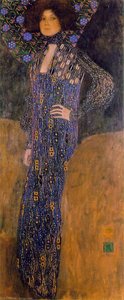
Gustav Klimt's "Draft Drawing of," created in 1931, offers a glimpse into the genesis of one of his most iconic compositions—a preparatory sketch for the ceiling mural adorning the University of Vienna Great Hall. This unassuming drawing belies its significance as a pivotal step toward realizing Klimt’s ambitious vision of integrating mythology and symbolism within academic space. The artwork itself is characterized by Klimt's signature style: opulent ornamentation combined with flattened planes and intricate geometric patterns—a hallmark of his “Golden Phase.”
  • Subject Matter & Composition: At its core, the drawing depicts a woman seated in profile, her gaze directed upwards. This posture immediately evokes associations with goddesses and celestial beings, reflecting Klimt’s fascination with archetypal figures and spiritual themes prevalent throughout his oeuvre. The surrounding swirls and spirals—a recurring motif in Klimt's work—suggest movement and dynamism, hinting at the transformative power of mythic narratives.
  • Technique & Material: Executed primarily in graphite on paper, the drawing demonstrates Klimt’s meticulous attention to detail. Despite its reduced scale compared to his monumental murals, it retains the same masterful control over line and texture that defines his artistic practice. The use of graphite allows for subtle tonal variations—a crucial element in capturing the mood and conveying the artist's initial conceptual ideas.

Historical Context: Academic Symbolism Under Pressure

The creation of “Draft Drawing of” coincided with a period of considerable artistic debate within Viennese intellectual circles. Klimt’s commission for the University Hall ceiling paintings sparked controversy due to their perceived erotic undertones and stylistic departure from traditional academic conventions. Critics questioned whether Klimt's bold experimentation constituted genuine art or merely vulgar indulgence. This reaction underscores the broader anxieties surrounding modernity and its challenge to established artistic hierarchies—a tension that Klimt skillfully navigated by grounding his imagery in timeless myths and symbols.

Symbolism & Recurring Motifs

The woman’s upward gaze is laden with symbolic meaning, representing aspiration, transcendence, and connection to the divine. The swirling patterns surrounding her embody fertility, cyclical renewal, and the transformative forces of nature—themes frequently explored by Klimt in his artistic explorations. Furthermore, the gold leaf—a material Klimt would later employ extensively in his murals—represents divinity, enlightenment, and spiritual richness—elements that resonate powerfully within the context of academic space.

Emotional Impact & Artistic Legacy

“Draft Drawing of” serves as a poignant reminder of Klimt’s artistic process—a testament to his unwavering commitment to translating profound ideas into visual form. Though lacking the grandeur and luminosity of his finished murals, it possesses an undeniable emotional resonance—capturing the artist's initial impulse to convey mythic narratives through geometric abstraction. It stands as a foundational element in understanding Klimt’s broader artistic vision and continues to inspire artists and collectors alike who appreciate the enduring power of symbolism and stylistic innovation.

Veelgestelde vragen

Hoe groot is het contrast in "Draft drawing of" door Gustav Klimt?

"Draft drawing of" door Gustav Klimt vertoont een Serene contrast tussen de lichte en donkere partijen.

Hoe past "Draft drawing of" binnen de thema's en stijl van Gustav Klimt?

Binnen het oeuvre van Gustav Klimt past "Draft drawing of" binnen de Art Nouveau-stijl, samen met de thema's van vienna secession, symbolic imagery, ornamental style, female figure, decorative art.

Welke emotie straalt het Art Nouveau-werk "Draft drawing of" uit?

"Draft drawing of" ademt een Ethereal emotionele toon uit binnen de Art Nouveau-stroming.

More about this painting

Voorvertoning Bekijk in AR Schakel over naar print Schakel over naar digitale afbeeldingen Verstuur
Details bekijken Gids Toevoegen aan favorieten Download Vergelijkbare items Röntgenonderzoek Diavoorstelling Q&A Statistieken

In numbers

  • 1931the year it was painted
  • 29frames to choose from
  • standard sizes, in its own proportions
  • 5weeks to paint and deliver it
Gustav Klimt

Gustav Klimt

1862 - 1918, Oostenrijk

Quick facts about Gustav Klimt

  • Artistic Movement Or Style: Symbolisme, Art Nouveau
  • Artists Or Movements Influenced By This Artist: ['Egon Schiele']
  • Artists Who Influenced This Artist:
    • Hans Makart
    • Japanse kunst
  • Date Of Birth: 14 juli 1862
  • Date Of Death: 6 februari 1918
  • Full Name: Gustav Klimt
  • Nationality: Oostenrijks
  • Notable Artworks:
    • De Kus
    • Adele Bloch-Bauer I
  • Place Of Birth: Wenen, Oostenrijk

Biografie kunstenaar

Een Leven in Gouden Schittering: Gustav Klimt en de Weense Secession

Gustav Klimt, geboren op 14 juli 1862 in Baumgarten nabij Wenen, was een kind van zijn tijd – een tijd van weelderige pracht, maar ook diepe sociale spanningen. Zijn vader, Ernst Klimt, was een goudgraveur, en het is niet ondenkbaar dat de jonge Gustav al vroeg gefascineerd raakte door de glans en precisie van dit ambacht. Deze vroege blootstelling aan gouden blad en gedetailleerde ornamentiek zou later doorslaggevend worden voor zijn unieke stijl. De familie Klimt kende een onzekere financiële situatie, wat resulteerde in frequente verhuizingen binnen Wenen. Dit nomadische bestaan kan bijgedragen hebben aan Gustavs scherpe observatievermogen en gevoeligheid voor de menselijke conditie. Al vroeg toonde hij uitzonderlijk teken talent, aangemoedigd door zijn vader en een aangeboren begaafdheid die snel duidelijk werd. In 1876 trad hij toe tot de Kunstgewerbeschule in Wenen, waar hij zich formeel begon te bekwalificeren als architectuur schilder onder Ferdinand Laufberger. Deze opleiding legde een solide technische basis, maar exposeerde hem ook aan de heersende academische stijlen – stijlen die Klimt later zou uitdagen en overstijgen. Hier ontmoette hij zijn broer Ernst en Franz von Matsch, met wie hij een vruchtbare samenwerking begon, wat leidde tot vroege opdrachten voor decoratieve muurschilderingen en plafonds, de eerste stappen naar zijn toekomstige succes.

De Opkomst van de Wiener Secession

In de jaren 1890 groeide Klimt steeds ontevredener over het conservatisme van de gevestigde kunstwereld in Wenen. Hij verlangde naar meer artistieke vrijheid, een ruimte waar innovatie kon bloeien zonder de beperkingen van traditionele normen. Deze wens culmineerde in 1897 in de oprichting van de Wiener Secession, een cruciaal moment in de Oostenrijkse kunstgeschiedenis. Klimt werd gekozen tot eerste voorzitter en werd het boegbeeld van een beweging die streefde naar een breuk met de rigide academische regels en omarming van nieuwe artistieke stromingen uit heel Europa – Art Nouveau, Symbolisme en Japonisme. Het Secessiongebouw, ontworpen door Joseph Maria Olbrich, werd een symbool van deze rebellie, een tempel gewijd aan moderne kunst. Klimts werk stond centraal in de ethos van de Secession, belichaamde haar afwijzing van conventionele esthetiek en haar omarming van decoratieve elementen, gedurfde kleuren en symbolische beelden. Zijn schilderijen begonnen thema’s als liefde, dood en seksualiteit te verkennen met een ongekende openheid, wat zowel bewondering als verontwaardiging opwekte.

De Gouden Periode en Artistieke Volwassenheid

Rond 1900 betrad Klimt zijn zogenoemde “Gouden Periode”, gekenmerkt door het weelderige gebruik van bladgoud, geïnspireerd door Byzantijnse mozaïeken en middeleeuwse verluchte manuscripten. Deze techniek transformeerde zijn schilderijen in glinsterende, bovenaardse visioenen, doordrenkt met een gevoel van spirituele diepte en zintuiglijke aantrekkingskracht. De Kus (1907-1908), misschien wel zijn meest iconische werk, is een perfect voorbeeld van deze stijl – een koppel innig verstrengeld in een omhelzing, gehuld in een gouden aura, hun lichamen versierd met ingewikkelde patronen. In dezelfde periode creëerde Klimt een reeks adembenemende portretten, waaronder *Portret van Adele Bloch-Bauer I* (1907), dat zijn vermogen toonde om niet alleen fysieke gelijkenis vast te leggen, maar ook de psychologische complexiteit van zijn modellen. Hij vervaagde steeds meer de grenzen tussen schilderkunst en ornamentiek, integreerde decoratieve elementen in zijn composities om een harmonieuze fusie van vorm en inhoud te creëren. De invloed van Japanse kunst – Japonisme – was bijzonder zichtbaar in zijn afgeplatte perspectief, nadruk op lijnvoering en het gebruik van decoratieve patronen.

Controverses, Invloeden en Blijvende Erfenis

Klimts carrière kende ook controverse. In 1900 ontving hij een prestigieuze opdracht voor plafondschilderingen in de Grote Zaal van de Universiteit van Wenen, met als thema Filosofie, Jurisprudence en Theologie. Deze werken – vooral *Filosofie* – werden echter door conservatieve critici als provocatief en zelfs pornografisch beschouwd, wat leidde tot publieke verontwaardiging en uiteindelijk ertoe aanzette dat Klimt verdere openbare opdrachten weigerde. Dit incident markeerde een keerpunt in zijn carrière, waardoor hij zich meer richtte op privéopdrachten en hem grotere artistieke vrijheid gaf. Gedurende zijn leven werd Klimt beïnvloed door een diverse reeks kunstenaars en stijlen – van Hans Makarts historische schilderijen tot de decoratieve kunst van Byzantium en Japan. Hij liet zich ook inspireren door de Symbolistische beweging, waarbij hij thema’s als mythologie, allegorie en het onderbewustzijn verkende. Gustav Klimt bleef productief schilderen tot zijn dood op 6 februari 1918 aan een beroerte tijdens de Spaanse Griep pandemie. Zijn latere werken toonden meer abstracte vormen en landschappen, wat zijn voortdurende artistieke evolutie aantoont. Hij wordt nu erkend als een van de belangrijkste figuren in de Oostenrijkse kunstgeschiedenis, een vooraanstaande exponent van de Wiener Secession, en een blijvend symbool van Art Nouveau elegantie. Zijn schilderijen bereiken hoge prijzen op veilingen, en zijn invloed blijft resoneren in hedendaagse kunst en design.

Kernkenmerken & Artistieke Stijl

  • Symbolisme: Klimts werk is diep symbolisch, vaak verkennend thema’s als liefde, dood, seksualiteit en de menselijke conditie.
  • Art Nouveau: Hij was een leidende figuur in de Art Nouveau beweging, gekenmerkt door zijn organische lijnen, decoratieve patronen en nadruk op schoonheid.
  • Gouden Periode: Zijn gebruik van bladgoud creëerde glinsterende, weelderige oppervlakken die zijn kenmerkende stijl werden.
  • Decoratieve Elementen: Klimt integreerde decoratieve elementen in zijn composities, waardoor de grenzen tussen schilderkunst en ornamentiek vervaagden.
  • Vrouwelijke Vorm: De vrouwelijke vorm was een centraal onderwerp in zijn werk, vaak afgebeeld met sensualiteit en psychologische diepte.

Snelle feiten

  • Artistic style: Symbolic
  • Influences:
    • Celtic Art
    • Japanese Art
  • Year: 1931
  • Movement: Art Nouveau
  • Subject or theme: Female Figure

Kunstquiz

Er is slechts één goed antwoord op elke vraag.

Vraag 1:
What is the primary color dominating Klimt’s ‘Draft drawing of’?
Vraag 2:
The painting depicts a woman adorned with what symbolic element?
Vraag 3:
In what year was Klimt commissioned to create the ceiling paintings for the University of Vienna?
Vraag 4:
Why did Klimt’s ‘Philosophy’ and ‘Medicine’ ceiling paintings face criticism upon their unveiling?
Vraag 5:
What artistic technique is prominently featured in Klimt’s ‘Draft drawing of’, contributing to its opulent aesthetic?