
 Voorvertoning
 Verstuur
 Delen
Delen
 Details bekijken

 Download
 Vergelijkbare items
 Röntgenonderzoek
 Diavoorstelling
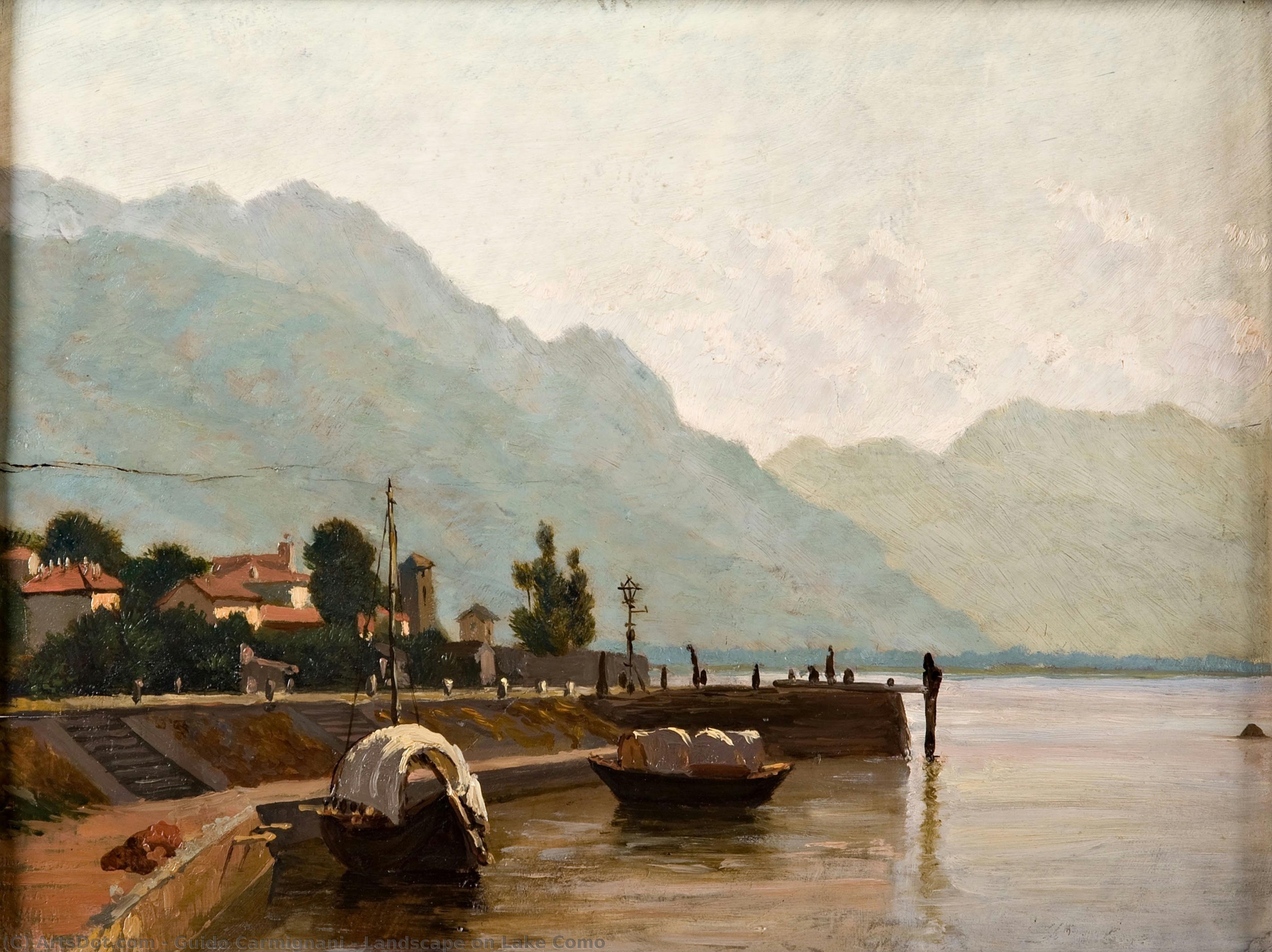
Landscape on Lake Como


 Lees meer
Handgemaakte olieverfreproductie
Met de hand geschilderd in olieverf op canvas in uw gewenste maat en lijst, op bestelling gemaakt door onze kunstenaars. ( Bestel print Koop afbeelding)




































Kies uit onze vooraf ingestelde maten die overeenkomen met de originele verhoudingen van het kunstwerk.

U kunt uw eigen afmetingen invoeren om in een specifieke lijst of ruimte te passen. Als de door u gekozen maat niet overeenkomt met de verhoudingen van het originele beeld, zullen we het kunstwerk bijsnijden of het schilderij uitbreiden met extra handgeschilderde elementen. Een digitale mockup wordt ter goedkeuring naar u verzonden voordat de productie begint.
Houd er rekening mee dat de preview op het scherm niet de werkelijke uitsnede of uitbreiding weergeeft. Alleen de mockup toont de uiteindelijke compositie nauwkeurig.
Hoewel aangepaste afmetingen mogelijk zijn, raden we aan een maat uit de vooraf gedefinieerde lijst te selecteren om de originele verhoudingen te behouden.
Na de bestelling zal het team van OriginalUniqueArt.com per e-mail contact opnemen met de klant voor instructies en een mockup-voorbeeld sturen.
Wereldwijde levering () binnen 3 tot 4 weken in plaats van de standaard 5 weken. (22 augustus). Zonder concessies aan de kwaliteit.

Gratis wereldwijde expressverzending

Hoogwaardig linnen canvas

Volledige verzendverzekering

Garantie op terugbetaling van invoerrechten

Garantie op exacte kleurweergave

Retourbeleid van 60 dagen (alleen bij defecten)

100% Geld-terug-garantie

Korting bij meerdere afnames
 De optie voor glas is alleen beschikbaar bij een formaat kleiner dan 110 cm.

Landscape on Lake Como
Druktechniek
Afmetingen reproductie
-


Eindtotaal
$ 300
Biografie van de kunstenaar
The Soul of the Italian Landscape: The Life of Guido Carmignani
Guido Carmignani (1838-1909) remains a profound, though perhaps understated, voice in the grand chorus of nineteenth-century Italian landscape painting. Born in the historic city of Parma, his very existence was woven into the fabric of artistic tradition. He was the son of Giulio Carmignani, a skilled typographer and painter whose early tutelage provided Guido with more than just technical instruction; he inherited a deep-seated reverence for the interplay of light and shadow. This foundational connection to his father’s craft ensured that from his earliest years, Carmignani viewed the world not merely as a collection of objects, but as a canvas of shifting atmospheric possibilities.
The trajectory of Carmignani's career was irrevocably altered by his journey to Paris in 1860. This period of immersion in the French capital allowed him to encounter the transformative energies of the era’s most influential masters. He found himself captivated by the delicate, poetic landscapes of Jean-Baptiste-Camille Corot and the meticulous academic precision of Jean-Léon Gérôme. From Corot, he learned the art of the subtle tonal gradation—the ability to capture a fleeting moment of dusk or the soft haze of a morning mist. This Parisian sojourn infused his Italian roots with a new, luminous sensibility, blending a rigorous dedication to realism with an almost Impressionistic pursuit of light.
Mastery of Light and the Italian Vedute
Upon returning to Italy, Carmignani’s work became a celebrated tribute to his native landscapes and the broader beauty of the Italian peninsula. He possessed a rare ability to render vedute—detailed views of cities and scenery—that felt both geographically accurate and emotionally resonant. His canvases often focused on the lush, verdant regions surrounding Parma and the serene, crystalline waters of Lake Como. In works such as “At the Bridge Dattaro near Parma,” one can witness his technical prowess; he does not merely paint a bridge or a river, but rather the way the golden afternoon sun strikes the stone and dances upon the moving water.
His technique was characterized by an effortless brushwork that never sacrificed detail. While he embraced a certain fluidity in his oil sketches, he remained committed to the precise depiction of textures—the roughness of a barge's wood, the weight of grain sacks, or the delicate movement of foliage. This balance between spontaneous expression and meticulous observation allowed him to capture the palpable essence of his subjects, making the viewer feel the warmth of the sun or the coolness of a mountain breeze.
A Legacy of Pedagogy and Influence
Beyond his individual contributions to the canvas, Carmignality played a vital role in shaping the next generation of Italian artists. His academic prestige led him to teach landscape painting at the Parma Academy beginning in 1862, and later, he achieved the esteemed position of professor at the Brera Academy in Milan in 1877. It is a testament to his influence that one of his most notable pupils was the celebrated painter Giovanni Segantini, who would go on to become a master of the Divisionist movement.
The historical significance of Guido Carmignani lies in his ability to bridge the gap between traditional academic realism and the burgeoning modern interest in atmospheric light. His work serves as a vital link in the evolution of Italian landscape art, preserving the dignity of the vedute tradition while embracing the emotive power of color and light. Today, his paintings remain cherished windows into a nineteenth-century Italy, offering a timeless glimpse into the quiet majesty of the natural world.
Guido Carmignani
1838 - 1909 , Italy
Belangrijkste feiten
- Artistic Movement Or Style: Landscape painting
- Artists Or Movements Influenced By This Artist: ['Pier Giuseppe Ferrarini']
- Artists Who Influenced This Artist:
- Alberto Pasini
- Corot
- Date Of Birth: January 23, 1838
- Date Of Death: March 8, 1909
- Full Name: Guido Carmignani
- Nationality: Italian
- Notable Artworks:
- At the bridge Dattaro near Parma
- The Ducal Garden in the mid-18th Century
- Landscape on Lake Como
- Place Of Birth: Parma, Italy

