Voorvertoning
 Verstuur
 Delen
Delen
 Details bekijken
 Gids
Gids

 Download
 Vergelijkbare items
 Röntgenonderzoek
 Diavoorstelling
 Vraag & antwoord
 Statistieken
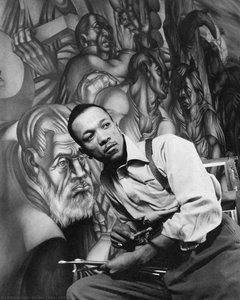
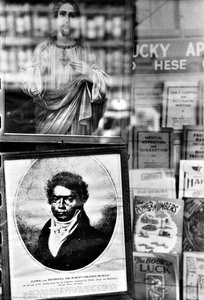
Untitled, Harlem, New York

- 27.0 x 34.0 cm


 Lees meer
De kunstwerken die op deze pagina worden weergegeven, zijn beschermd door de auteursrechtwetgeving, wat betekent dat het ons wettelijk niet is toegestaan om identieke reproducties te maken of te verkopen. Deze bescherming wordt gehandhaafd onder internationale overeenkomsten zoals de Conventie van Bern en door nationale wetgeving, waaronder de bepalingen van de Amerikaanse auteurswet - Titel 17. Alle rechten voorbehouden. Reproduceren of distribueren van afbeeldingen is niet toegestaan zonder uitdrukkelijke schriftelijke toestemming van WahooArt.com en de rechthebbenden.
Deze methode voldoet volledig aan de auteursrechtwetgeving, omdat het niet gaat om het kopiëren of dupliceren van het beschermde kunstwerk. In plaats daarvan is er sprake van een creatieve herinterpretatie — een nieuw schilderij dat door het origineel wordt geïnspireerd, maar er niet identiek aan is.
Giclée / Kunstafdrukken
Giclée- of canvasafdruk van museumkwaliteit met een snelle productie en flexibele afwerkingsmogelijkheden. ( Bestel handgeschilderde reproductie Schakel over naar digitale afbeeldingen)




P118B €10

P118H €10

P118W €10

P438Z €10

P508JH €12

P508YH €12

P805H €10

P805Z €10

P919BZ €10

P919G €10

P919XJ €10

P959ZH €10

P968JZ €12

W106C €8

W218G €10

W218JH €8

W218Y €10

W307PJ €10

W316G €10

W316PJ €8

W316Y €10

W398PJ €8

W4111J €10

W500HY €15

W500JH €15

W692G €12

W849H €8

W940BG €15

W953PJ €8




Kies uit onze vooraf ingestelde maten die overeenkomen met de originele verhoudingen van het kunstwerk.

Voer de gewenste breedte en hoogte in, passend bij uw lijst of muur. Een afdruk kan alleen worden ingekort en nooit groter worden gemaakt dan het origineel; een formaat met andere verhoudingen zal daarom een deel van de afbeelding verliezen. Wij sturen u een digitaal mockup ter goedkeuring voordat we tot drukwerk overgaan. De afbeelding op deze pagina toont niet de werkelijke uitsnede — dit is alleen te zien op het mockup.
Wereldwijde levering () binnen 2 weken in plaats van de standaard 4/5 weken. (4 november)

Gratis wereldwijde expressverzending

Hoogwaardig linnen canvas

Volledige verzendverzekering

Garantie op terugbetaling van invoerrechten

Garantie op exacte kleurweergave

Retourbeleid van 100 dagen (alleen bij defecten)

100% Geld-terug-garantie

Korting bij meerdere afnames
 De optie voor glas is alleen beschikbaar bij een formaat kleiner dan 110 cm.

Untitled, Harlem, New York
Giclée / Kunstafdrukken
Afmetingen reproductie
-


Eindtotaal
€ 72
A Quiet Moment in Harlem: Gordon Parks’ “Untitled, Harlem, New York”
Gordon Parks' "Untitled, Harlem, New York," captured in 1948, isn’t merely a photograph; it’s a distilled essence of a specific time and place – the burgeoning heart of Harlem during the mid-20th century. This black and white image transcends its simple subject matter to become a poignant meditation on everyday life, social observation, and the quiet dignity of ordinary people. The photograph offers a rare glimpse into a domestic scene, likely a kitchen, where two Black men are engaged in what appears to be a commonplace activity: one holding a plate close to his face, seemingly lost in thought. Yet, within this unassuming tableau lies a powerful undercurrent of emotion and a subtle tension that draws the viewer in.
Parks’ approach is deeply rooted in documentary photography and photojournalism, a style he honed during his work for Life magazine. He wasn't interested in grand narratives or heroic figures; instead, he sought to capture authentic moments, revealing the complexities of African American life often overlooked by mainstream media. The photograph embodies this commitment, presenting a raw and unvarnished portrayal of two men within their environment. It’s a deliberate departure from idealized representations, offering a starkly honest depiction of daily existence.
Composition and Technique: A Masterclass in Light and Shadow
The composition is remarkably controlled despite its seemingly casual nature. The framing—a rectangular space dominated by the kitchen interior—creates a sense of intimacy while simultaneously emphasizing the subjects’ isolation. The placement of the men, slightly off-center, immediately establishes visual interest and directs the viewer's eye. Strong vertical lines, courtesy of the cabinets and window frame, provide structure to the image, anchoring the scene against the backdrop of the kitchen. Diagonal lines, subtly introduced through the arrangement of objects and the men’s postures, add a dynamic element, preventing the photograph from feeling static.
Parks' masterful use of light is crucial to the photograph’s impact. The lighting appears natural or diffused, casting soft shadows that define forms and textures with remarkable detail. This chiaroscuro effect—the dramatic contrast between light and dark—heightens the sense of drama and adds depth to the scene. Notice how the graininess typical of black-and-white film contributes to a vintage feel, grounding the image in its historical context. The photograph’s technical execution speaks volumes about Parks' skill as a photographer; he expertly manipulated the medium to convey his artistic vision.
Symbolism and Emotional Resonance
The central figure holding the plate close to his face is arguably the most compelling element of the image. It’s difficult to decipher his expression, but the gesture—a deliberate act of focusing on a single object—suggests introspection, perhaps even frustration or defiance. This simple action becomes laden with symbolic weight, inviting viewers to project their own interpretations onto the scene. The other man in the background, partially obscured, adds another layer of complexity, hinting at a shared experience or unspoken connection.
Beyond this immediate interpretation, “Untitled, Harlem, New York” speaks to broader themes of identity, community, and the realities of life within segregated America. It’s a testament to Parks' ability to capture not just visual details but also the emotional atmosphere of his subjects’ lives. The photograph evokes feelings of quiet contemplation, a sense of shared humanity, and a subtle awareness of social inequalities.
Historical Context and Legacy
Created in 1948, this photograph is part of a larger body of work by Gordon Parks that documented the experiences of African Americans during a pivotal era in American history. His early photographs for Life magazine, often depicting poverty and hardship, were groundbreaking for their unflinching honesty and their commitment to representing marginalized communities. “Untitled, Harlem, New York” exemplifies this approach, offering a glimpse into the everyday lives of residents of Harlem—a neighborhood known for its rich cultural heritage but also for facing significant challenges.
Parks’ work continues to resonate today, influencing generations of photographers and artists. His ability to capture authentic moments with sensitivity and insight remains remarkably relevant. Reproductions of “Untitled, Harlem, New York” are highly sought after by collectors and interior designers alike, valued not only for their aesthetic qualities but also for their historical significance and their powerful emotional impact. It stands as a timeless reminder of the beauty and complexity found in ordinary lives.
Veelgestelde vragen
Hoe is "Untitled, Harlem, New York" historisch gezien te plaatsen?
"Untitled, Harlem, New York" door Gordon Parks behoort tot de Documentary Photography-stroming, binnen de 19th Century-periode. Samen geven zij het werk zijn plaats in de kunstgeschiedenis.
Waar is "Untitled, Harlem, New York" door Gordon Parks tegenwoordig te zien?
"Untitled, Harlem, New York" door Gordon Parks is te zien in The Gordon Parks Foundation, Pleasantville, Verenigde Staten van Amerika. De vermelding van het museum heeft betrekking op het originele werk, niet op reproducties.
Welke sfeer brengt een reproductie van "Untitled, Harlem, New York" door Gordon Parks in een kamer?
Met zijn Calm karakter is "Untitled, Harlem, New York" een aanrader voor de Living Room.
Biografie kunstenaar
Gordon Parks: Een Leven in Beelden en Verhalen
De naam Gordon Parks roept beelden op van een Amerika in transitie, vastgelegd met een ongeëvenaarde gevoeligheid en scherpte. Geboren in 1912 in Fort Scott, Kansas, groeide Parks op in een omgeving getekend door segregatie en armoede – ervaringen die een onuitwisbare stempel zouden drukken op zijn artistieke visie. Zijn jeugd was een constante confrontatie met ongelijkheid, een realiteit die hij later zou kanaliseren in krachtige foto’s en films die de Amerikaanse samenleving confronteerden met haar eigen schaduwkanten. Parks was geen getuige; hij was een activist, een chroniqueur van het menselijk bestaan, wiens werk nog steeds resoneert met een onmiskenbare urgentie. Zelf-geleerd in de kunst van fotografie, begon hij zijn carrière met een tweedehands camera en een ontembare wil om verhalen te vertellen die anders waren dan wat men gewend was te zien. Zijn vroege werk voor de Farm Security Administration gaf hem de mogelijkheid om de harde realiteit van het plattelandsleven vast te leggen, maar het was zijn overstap naar tijdschriften als Vogue en Life die zijn talent op een breder publiek brachten.Van Fotojournalist tot Filmregisseur: Een Artistieke Evolutie
Parks’ tijd bij Life Magazine vormde een cruciaal hoofdstuk in zijn carrière. Daar creëerde hij iconische fotoreportages over thema's als armoede, racisme en de burgerrechtenbeweging. Zijn foto’s waren niet louter documenten; ze waren poëtische verhalen, doordrenkt van empathie en menselijkheid. Hij had een uniek vermogen om de waardigheid en veerkracht van zijn onderwerpen te vangen, zelfs in de meest moeilijke omstandigheden. Deze periode markeerde ook het begin van zijn interesse in film. Geïnspireerd door Italiaanse neorealistische cinema, besloot Parks de grenzen van fotografie te overstijgen en zijn visie op een grotere schaal tot leven te brengen. In 1969 maakte hij zijn regiedebuut met *The Learning Tree*, een semiautobiografische film die een controversieel maar belangrijk onderwerp behandelde: het opgroeien in een segregatieve samenleving. Het succes van deze film leidde tot *Shaft* in 1971, een baanbrekende blaxploitationfilm die niet alleen de hitlijsten domineerde, maar ook een nieuwe generatie zwarte filmmakers inspireerde.De Taal van Beelden: Stijl en Techniek
Parks’ fotografische stijl was onmiskenbaar. Hij omarmde een combinatie van documentaire precisie en artistieke expressie. Zijn composities waren vaak eenvoudig, maar krachtig, met een focus op de emoties en ervaringen van zijn onderwerpen. Hij maakte gebruik van licht en schaduw om sfeer te creëren en de complexiteit van menselijke relaties te benadrukken. In zijn films toonde Parks een vergelijkbare gevoeligheid voor detail. Zijn regie was gestileerd, maar nooit overdreven, met een focus op karakterontwikkeling en het vertellen van authentieke verhalen. Hij had een talent om acteurs te laten schitteren, hen de ruimte te geven om hun personages tot leven te brengen met nuance en authenticiteit. De soundtrack van *Shaft*, gecomponeerd door Isaac Hayes, is onlosmakelijk verbonden met de film en droeg bij aan het creëren van een unieke sfeer die zowel spannend als soulvol was.Een Erfgoed van Inspiratie
Gordon Parks’ nalatenschap reikt verder dan zijn indrukwekkende oeuvre. Hij brak barrières, opende deuren voor toekomstige generaties zwarte kunstenaars en liet een onuitwisbare stempel achter op de Amerikaanse cultuur. Zijn werk is een krachtige herinnering aan de kracht van fotografie en film om verandering te bewerkstelligen en het menselijk hart te raken. De Melvin Holmes Collection en de collectie bij MoMA getuigen van de blijvende waarde van zijn kunst. Parks ontving talloze onderscheidingen, waaronder de National Medal of Arts in 1988, een erkenning van zijn buitengewone bijdrage aan de Amerikaanse kunstwereld. Zijn vermogen om schoonheid te vinden in de meest onwaarschijnlijke plaatsen en om verhalen te vertellen die resoneren met universaliteit, maakt hem tot een van de belangrijkste kunstenaars van de twintigste eeuw.Selectie van Werken
- Emerging Man (1948): Een iconische foto die de hoop en ambitie van de zwarte jeugd symboliseert.
- Harlem Gang Wars (1948): Een reeks foto's die een ongemakkelijke blik werpt op het leven in Harlem.
- Night Rumble (1948): Een krachtige weergave van de spanningen en confrontaties in de zwarte gemeenschap.
- Shaft (1971): De film die hem internationale faam bezorgde.
- The Learning Tree (1969): Zijn autobiografische debuutfilm.

Gordon Parks
1912 - 2006 , Verenigde Staten van Amerika
Belangrijkste feiten
- Artistieke Beweging: Fotojournalisme, Sociale realisme
- Bekende Werken:
- Shaft (1971)
- The Learning Tree (1969)
- Emerging Man
- Harlem Gang Wars
- Night Rumble
- Beïnvloede Kunstenaars: ['Toekomstige Afro-Amerikaanse kunstenaars']
- Geboortedatum: 30 november 1912
- Geboorteplaats: Fort Scott, VS
- Nationaliteit: Amerikaans
- Overlijdensdatum: 7 maart 2006
- Volledige Naam: Gordon Roger Alexander Buchanan Parks
Gerelateerde artikelen

Top 10 Witte Meesterwerken: Kunstgeschiedenis & Interieurinspiratie
Ontdek de top 10 witte meesterwerken uit de kunstgeschiedenis! Van Monet tot Mondriaan, bewonder abstracte vormen & serene kleuren. Vind museumkwaliteit reproducties en interieurinspiratie op OriginalUniqueArt.com.

Shadow & Soul: Why Black & White Photography Remains the Ultimate Power Move in Modern Art
Discover why black & white photography remains a powerful force in contemporary art. Explore the impact of light, shadow, and texture through a visual journey of monochrome mastery and learn how to elevate your space with timeless grayscale aesthetics.
Witnessing History Through Lens & Light: Documentary Photography's Enduring Legacy
Explore the powerful history of documentary photography – from its origins to contemporary masters like Gordon Parks & W. Eugene Smith. Discover how this art form shapes our understanding of society and witness pivotal moments in time.

Monochrome Visions: Exploring the Aesthetic & Historical Significance of Black & White Photography
Explore the rich history & artistic power of black and white photography. From early techniques to iconic masters like Ansel Adams, discover why monochrome continues to captivate art lovers today. Expert insights for collectors.
Gordon Parks: A Poetic Lens on American Life – Photography, Social Justice & Storytelling
Explore the profound work of Gordon Parks, a groundbreaking photographer who documented American life with unparalleled empathy and artistry. Discover his iconic images & lasting impact on social justice through Life magazine & beyond.