Bekijk op ware grootte
 Verstuur
 Delen
Delen
 Details bekijken

 Download
 Vergelijkbare werken
 Röntgenonderzoek
 Diavoorstelling
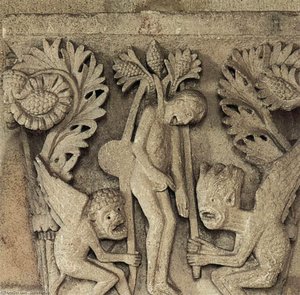
Suïcide van Judas


 Lees meer
Giclée / Kunstafdrukken
Giclée- of canvasafdruk van museumkwaliteit met een snelle productie en flexibele afwerkingsmogelijkheden. ( Bestel een handgeschilderde reproductie van dit verzamelobject Naar afbeelding wisselen)




P118B $10

P118H $10

P118W $10

P438Z $10

P508JH $12

P508YH $12

P805H $10

P805Z $10

P919BZ $10

P919G $10

P919XJ $10

P959ZH $10

P968JZ $12

W106C $8

W218G $10

W218JH $8

W218Y $10

W307PJ $10

W316G $10

W316PJ $8

W316Y $10

W398PJ $8

W4111J $10

W500HY $15

W500JH $15

W692G $12

W849H $8

W940BG $15

W953PJ $8




Kies uit onze vooraf ingestelde maten die overeenkomen met de originele verhoudingen van het kunstwerk.

U kunt uw eigen afmetingen opgeven om in een specifieke lijst of ruimte te passen. Als de door u gekozen maat niet overeenkomt met de proporties van het originele kunstwerk, zullen wij de afbeelding bijsnijden of uitbreiden met een gespiegelde of effen rand. Een digitaal mockup wordt ter goedkeuring naar u verzonden voordat de productie begint.
Houd er rekening mee dat de preview op het scherm de werkelijke bijsneding of uitbreiding niet weergeeft. Alleen de mockup toont de uiteindelijke compositie nauwkeurig.
Hoewel aangepaste maten beschikbaar zijn, raden wij aan een afmeting uit de vooraf bepaalde lijst te kiezen om de originele proporties te behouden.
Wereldwijde levering () binnen 2 weken in plaats van de standaard 4/5 weken. (11 augustus)

Gratis wereldwijde expressverzending

Hoogwaardig linnen canvas

Volledige verzendverzekering

Garantie op terugbetaling van invoerrechten

Garantie op exacte kleurweergave

60 dagen retourbeleid (alleen bij defecten)

100% Geld-terug-garantie

Korting bij meerdere afnames
 De optie voor glas is alleen beschikbaar bij een formaat kleiner dan 110 cm.

Suïcide van Judas
Giclée / Kunstafdrukken
Formaat reproductie
-


Totaalprijs
$ 81
Beschrijving verzamelobject
Gislebertus en de Dramatische Laatste Laatheid van Judas
De afbeelding laat een nabije bekijk op een schilderij zien dat het tafereel weergeeft van Judas' zelfmoord vanuit een boom. Het kunstwerk bevat verschillende figuren in uiteenlopende posities, waaronder één man die vanaf een touw hangt terwijl een andere figuur hem aankijkt. Daarnaast zijn er twee andere personen aanwezig bij de scène: één staat aan de linkerzijde en één aan de rechterzijde van het beeldmateriaal. Het schilderij speelt zich af tegen een achtergrond die bomen bevat, met drie zichtbare bomen in de achtergrond. De compositie van het kunstwerk suggereert een gevoel van drama en intensiteit terwijl het dit moment uit het Bijbelse verhaal van Judas Iscariot vastlegt. Een prachtige reproductie van deze iconische afbeelding kan een unieke dimensie aan uw interieur geven. ### Een Meesterwerk van Romaneske Sculptuur: Gislebertus’ Visio van Autun Kathedraal Gislebertus, een naam die geëtst staat in steen en gefluisterd wordt door de eeuwen heen, behoort tot één van de meest opmerkelijke figuren van romanesque sculptuur – specifiek bekend om zijn bijdrage aan Sint-Lazare Kathedraal in Autun, Frankrijk. Geboren rond 1120, Gislebertus kwam voort uit het vruchtbare kunstenaarslandschap van Bourgondië tijdens een periode die diep werd gevormd door religieuze ferventie en groeiende architecturale ambitie. Zijn vroegste werkzaamheden bij Cluny Abbey bevestigden zijn positie binnen een traditie die gericht was op didactisch vertellen – een stijl die sterk beïnvloed werd door de kloosters filosofische achtergrond en het streven naar het overbrengen van belangrijke boodschappen aan het publiek. Deze praktijk leidde tot kunstwerken die zowel technisch hoogstaand als emotioneel resoneren. ### De Laatste Laatheid: Een Symbool van Anger en Verdriet Het schilderij "Suicide of Judas" is een bijzonder krachtige illustratie van een belangrijk moment uit het Nieuwe Testament. Gislebertus heeft deze gebeurtenis met een ongeëvenaarde aandacht voor detail weergegeven, waarbij hij de emoties van angst en verdriet op een manier weet vast te leggen die nog steeds vandaag de dag aanspoort tot contemplatie. De kunstenaar gebruikte een combinatie van kleurgebruik en lichtschaduw om een gevoel van dramatische intensiteit te creëren, waardoor het publiek wordt uitgenodigd om deel uit te maken van deze emotionele reis terug naar het verleden. Een hoogwaardige reproductie biedt een prachtige manier om de schoonheid en kracht van dit kunstwerk voor uw huis aan te bieden. ### Techniek en Materiaal: Een Onderzoek naar Authenticiteit De kunstenaar werkte met natuursteen, een materiaal dat gekozen werd vanwege zijn duurzaamheid en karakteristieke uitstraling. De sculptuurtechniek gebruikte hij om de vormen van de Figuren zo realistisch mogelijk weer te geven, waarbij hij gebruik maakte van complexe geometrische vormen en aandacht voor anatomische precisie. Een kunsthistoricus zou kunnen wijzen op het belang van deze technische aspecten bij het begrijpen van de artistieke visie en het historische context waarin het werk werd gecreëerd. De combinatie van oude kunstvormen en een gedetailleerde uitvoering zorgt ervoor dat elke reproductie een gevoel van authentiekheid behoudt. Een prachtige manier om kunstgeschiedenis naar huis te halen! ### Inspiratie voor uw Interieur Decoratie De afbeelding "Suicide of Judas" kan dienen als inspiratiebron voor een stijlvolle en emotionele interieurdecoratie. Laat u leiden door de kleuren en vormen van het origineel, en creëer een ruimte die zowel rustgevend als stimulerend is. Een kunsthistorische reproductie biedt een prachtige manier om uw huis aan te bieden aan liefhebbers van kunst en geschiedenis. Laat deze afbeelding een gesprekskunstwerk worden in uw woonkamer!Biografie van de kunstenaar
Gislebertus: The Sculptor of Autun Cathedral’s Divine Vision
Gislebertus, a name etched in stone and whispered through the centuries, stands as one of the most remarkable figures of Romanesque sculpture. Specifically celebrated for his profound contribution to Saint Lazare Cathedral in Autym, France, he emerged from the fertile artistic landscape of Burgundy during a period profoundly shaped by religious fervor and burgeoning architectural ambition. Born sometime around 1120, Gislebertus lived through an era where art served as the primary language of the faithful. While biographical details remain scarce, scholars believe he was trained at Cluny Abbey, arguably the epicenter of European monastic art and intellectual life at the time. This formative experience instilled in him a deep understanding of biblical narratives and imbued his work with an unwavering devotion to Christian themes.
His initial role at Cluny involved assisting the master sculptor, cementing his position within a tradition prioritizing didactic storytelling—conveying moral lessons through visual representation. The cathedral’s ambitious project demanded exceptional skill, and Gislebertus quickly established himself as a pivotal talent. Recognizing the importance of providing solace to pilgrims afflicted with leprosy—a prevalent ailment during the 12th century—the Abbey envisioned Saint Lazare as more than just a place of worship; it was intended as a sanctuary for the marginalized. This vision profoundly impacted Gislebertus’ artistic sensibilities, prompting him to create reliefs that resonated with compassion and hope, featuring imagery designed to uplift those facing immense suffering.
Mastery of Emotion and Narrative Relief
The true genius of Gislebertus lies in his ability to translate complex theological concepts into visceral, physical forms. His work at Autun is characterized by a dramatic use of line and shadow that breathes life into the cold stone. In masterpieces such as the Suicide of Judas, created around 1120-30, he captures the raw horror and despair associated with treason. Through the depiction of hanging figures and menacing demonic entities, Gisleberus showcases an exceptional skill in capturing human psychological torment, a hallmark of the Romanesque style that pushes the boundaries of medieval expression.
Beyond the scenes of tragedy, his work also celebrates the spiritual journey of the faithful. In his Pilgrims relief, one can observe a powerful depiction of devotion, where strong lines and dramatic shadows emphasize the physical and spiritual weight of the pilgrimage. This ability to oscillate between the terrifying aspects of divine judgment and the quiet strength of religious perseverance makes his oeuvre uniquely captivating. His sculptures do not merely decorate a building; they act as a window into the medieval soul, inviting the viewer to contemplate the eternal struggle between good and evil.
Legacy and Historical Significance
The artistic development of Gislebertus represents a crucial bridge in the evolution of European art. While his roots are firmly planted in the Romanesque tradition of Cluny, his expressive power and narrative complexity hint at the burgeoning naturalism that would later define Gothic art. His work on the Dream of the Magi further demonstrates this sophisticated approach to storytelling, blending historical reverence with a sense of wonder.
The enduring significance of Gislebertus can be summarized through several key contributions:
- Narrative Innovation: He transformed architectural elements like tympanums into complex, readable storybooks for the illiterate masses.
- Emotional Depth: He moved beyond static iconography to introduce psychological depth and human emotion into stone sculpture.
- Cluniac Influence: He carried the high intellectual and spiritual standards of Cluny Abbey into the public sphere of cathedral architecture.
- Architectural Integration: His ability to harmonize intricate sculptural detail with the massive, heavy forms of Romanesque architecture remains a pinnacle of medieval craftsmanship.
Today, the works of Gislebertus remain some of the most studied and revered examples of 12th-century art. He remains a master whose hands, though long since returned to dust, continue to speak through the enduring stone of Autun, reminding us of a time when art was the ultimate vessel for the divine.

Gislebertus
1120 - 1135 , France
Snelle feiten
- Artistic Movement Or Style: Romanesque Sculpture
- Artists Or Movements Influenced By This Artist: ['Gothic Style']
- Artists Who Influenced This Artist: ['Cluny School']
- Date Of Death: 1135
- Full Name: Gislebertus
- Nationality: French
- Notable Artworks:
- Pilgrims
- Last Judgment (detail)
- Dream of the Magi
- Place Of Birth: France
Gerelateerde artikelen

Top 10 Bronzen Beeldhouwwerken die de Kunst Voorgoed Veranderden | OriginalUniqueArt
Ontdek de 10 meest legendarische bronzen beeldhouwwerken die kunstgeschiedenis schreven! Van Rodin tot Michelangelo, leer over hun meesterwerken & technieken. Vind museumkwaliteit reproducties en inspiratie voor uw interieur op OriginalUniqueArt.com.

The Enduring Form: Exploring Themes & Techniques in Sculpture Across Historical Periods
Explore the rich history of sculpture from ancient masterpieces to contemporary innovations. Discover key techniques, influential artists & investment potential for discerning art collectors.
The Enduring Form: Sculpture Across History, Technique & Emotional Resonance
Explore the rich history of sculpture with OriginalUniqueArt. Discover key techniques, influential artists & investment potential for discerning collectors. Expert insights into valuing and collecting timeless masterpieces.

Top 10 Legendarische Bronzen Meesterwerken die de Kunst Veranderden | OriginalUniqueArt
Ontdek de 10 meest legendarische bronzen meesterwerken die de kunstgeschiedenis veranderden! Van Rodin tot Michelangelo, leer over techniek & betekenis. Museumkwaliteit reproducties voor uw interieur op OriginalUniqueArt.com. Exploreer de collectie online!
Het Duurzame Erfgoed van Bronzen Beeldhouwkunst: Geschiedenis, Technieken en Hedendaagse Interpretaties
Ontdek de rijke geschiedenis en het duurzame erfgoed van bronzen beeldhouwkunst. Van klassieke technieken tot hedendaagse interpretaties, een gids voor verzamelaars en kunstliefhebbers.