
 Voorvertoning
 Verstuur
 Delen
Delen
 Details bekijken
 Gids
Gids

 Download
 Vergelijkbare items
 Röntgenonderzoek
 Diavoorstelling
 Vraag & antwoord
 Statistieken
Landscape with Magicians


 Lees meer
Giclée / Kunstafdrukken
Giclée- of canvasafdruk van museumkwaliteit met een snelle productie en flexibele afwerkingsmogelijkheden. ( Bestel handgeschilderde reproductie Schakel over naar digitale afbeeldingen)




P118B €10

P118H €10

P118W €10

P438Z €10

P508JH €12

P508YH €12

P805H €10

P805Z €10

P919BZ €10

P919G €10

P919XJ €10

P959ZH €10

P968JZ €12

W106C €8

W218G €10

W218JH €8

W218Y €10

W307PJ €10

W316G €10

W316PJ €8

W316Y €10

W398PJ €8

W4111J €10

W500HY €15

W500JH €15

W692G €12

W849H €8

W940BG €15

W953PJ €8




Kies uit onze vooraf ingestelde maten die overeenkomen met de originele verhoudingen van het kunstwerk.

Voer de gewenste breedte en hoogte in, passend bij uw lijst of muur. Een afdruk kan alleen worden ingekort en nooit groter worden gemaakt dan het origineel; een formaat met andere verhoudingen zal daarom een deel van de afbeelding verliezen. Wij sturen u een digitaal mockup ter goedkeuring voordat we tot drukwerk overgaan. De afbeelding op deze pagina toont niet de werkelijke uitsnede — dit is alleen te zien op het mockup.
Wereldwijde levering () binnen 2 weken in plaats van de standaard 4/5 weken. (3 november)

Gratis wereldwijde expressverzending

Hoogwaardig linnen canvas

Volledige verzendverzekering

Garantie op terugbetaling van invoerrechten

Garantie op exacte kleurweergave

Retourbeleid van 100 dagen (alleen bij defecten)

100% Geld-terug-garantie

Korting bij meerdere afnames
 De optie voor glas is alleen beschikbaar bij een formaat kleiner dan 110 cm.

Landscape with Magicians
Giclée / Kunstafdrukken
Afmetingen reproductie
-


Eindtotaal
€ 72
A Renaissance Dreamscape: The Enigma of Girolamo da Carpi
In the quiet corridors of the Galleria Borghese, there exists a window into a world where the boundaries between reality and illusion dissolve. Girolamo da Carpi’s Landscape with Magicians, painted around 1525, is not merely a depiction of nature, but an invitation to a realm of profound mystery. As one gazes upon this masterpiece, the eye is immediately drawn into a meticulously crafted landscape that feels both intimately familiar and hauntingly otherworldly. The scene unfolds through a winding path that leads the viewer away from the rocky outcrops of the foreground toward distant, mist-shrouded mountains, creating a sense of infinite depth and quiet longing. It is a work that captures the very essence of the High Renaissance transitioning into the expressive tension of Mannerism.
The atmosphere of the painting is defined by its subtle, evocative lighting. Da Carpi employs a masterful technique of layering translucent oil glazes to achieve a luminous, ethereal quality, particularly in the way light interacts with the water and the heavy, dramatic clouds above. This creates a twilight ambiance, where shadows stretch across the terrain, imlecating a sense of transition—perhaps between day and night, or between the known world and the realm of the supernatural. For the collector or interior designer, this piece offers a sophisticated emotional depth; it provides a focal point that is both tranquil and intellectually stimulating, perfect for spaces designed for contemplation and quiet elegance.
The Artistry of Mannerist Tension
To understand the soul of this work, one must look to the stylistic currents flowing through Ferrara and Bologna during the early 16th century. Da Carpi, having trained under the influential Benvenuto Tisi, was deeply immersed in a tradition that began to move away from the harmonious perfection of Raphael toward the more complex, psychologically charged language of Mannerism. In Landscape with Magictans, we see this evolution through an unsettlingly beautiful perspective. The composition avoids easy balance, instead utilizing subtle distortions and a dramatic, almost theatrical arrangement of elements—such as the imposing figures on horseback and the distant, watchful architecture—to create a palpable sense of tension.
The artist’s technical prowess is evident in the fine detail work that rewards prolonged observation. From the rugged texture of the stone to the intricate folds of the riders' elaborate attire, every brushstroke serves the larger narrative of discovery. The color palette, dominated by rich earth tones and muted greens, provides a somber foundation that allows the sudden glints of light on the water or the distant sky to pop with unexpected brilliance. This interplay of shadow and light does more than just create three-dimensionality; it mirrors the intellectual ferment of the era, where artists were grappling with the complexities of human perception and the unseen forces of the universe.
Symbolism and the Allure of the Unknown
The presence of the "magicians" suggested by the title adds a layer of profound symbolic resonance to the landscape. While these figures may remain elusive or hidden within the folds of the scenery, their conceptual presence permeates the entire composition. In the Renaissance mind, magic was often a metaphor for the power of art itself—the ability to create illusions that feel real and to manipulate light and shadow to evoke emotion. The painting thus becomes a meditation on deception, intellect, and the unseen. The figures in armor, moving through this landscape, suggest a narrative of journey and encounter, perhaps representing the human soul navigating the unpredictable terrain of existence.
For those seeking to bring a piece of history into a contemporary setting, a high-quality reproduction of this work offers much more than decoration. It serves as a conversation piece that bridges centuries, bringing the intellectual rigor of the Italian Renaissance into the modern home. Whether placed in a grand library or a serene study, Landscape with Magicians commands attention through its ability to evoke wonder, inviting anyone who stands before it to lose themselves in its beautiful, enigmatic depths.
Veelgestelde vragen
Uit welke fase van de carrière van Girolamo da Carpi is "Landscape with Magicians"?
"Landscape with Magicians" behoort tot de Mature Period in de carrière van Girolamo da Carpi. Deze classificatie plaatst het werk in de context van de ontwikkeling van de kunstenaar.
Op welke fase in de carrière van Girolamo da Carpi komt de datum uit 1525 van "Landscape with Magicians" overeen?
"Landscape with Magicians", vervaardigd in 1525, behoort tot de Mature Period van de carrière van Girolamo da Carpi.
Welke stemming straalt "Landscape with Magicians" door Girolamo da Carpi uit binnen Renaissance Mannerism?
Binnen de Renaissance Mannerism-stroming is "Landscape with Magicians" vastgelegd met een Mysterious toon.
Biografie kunstenaar
Girolamo da Carpi: Bridging Renaissance and Mannerism in Ferrara
Girolamo da Carpi (c. 1501 – 1556) stands as a pivotal figure within the burgeoning artistic landscape of Renaissance Italy, specifically celebrated for his contributions to the Este court in Ferrara. Born Ferrera, he embarked on an artistic journey marked by apprenticeship under Benvenuto Tisi (il Garofalo), establishing a foundational connection with the stylistic currents shaping Bolognese painting during that era. By his early twenties, Da Carpi had relocated to Bologna, where he solidified his reputation as a proponent of the local Renaissance school, absorbing influences from luminaries like Lorenzo Costa and Raphael – artists whose mastery profoundly impacted his artistic sensibilities.- Early Training & Influences: His formative years witnessed immersion in the studio of a Bolognese painter deeply rooted in Florentine Mannerism, mirroring the stylistic innovations championed by Giulio Romano. This exposure cultivated an aesthetic that deftly blended traditional Renaissance ideals with the expressive distortions and psychological depth characteristic of Mannerist art.
- Roman Pilgrimage & Artistic Exploration: A significant turning point arrived during his travels to Rome and Bologna in the mid-1520s, where Da Carpi encountered the vibrant energy of Mannerist experimentation. This journey served as a catalyst for artistic growth, propelling him toward stylistic explorations that transcended simple categorization.
- Ferrara & Court Patronage: Returning to Ferrara, he secured prestigious commissions from the Este family, collaborating closely with Dosso Dossi and Garofalo on monumental projects reflecting the grandeur of the ducal court. His involvement in these ambitious undertakings cemented his position as a leading artist within Ferrara’s artistic milieu.
Notable Works & Artistic Style
Da Carpi's oeuvre encompasses a diverse range of subjects, demonstrating versatility and stylistic adaptability. Among his most celebrated paintings are “The Descent of the Holy Spirit” in St Francis Church at Rovigo—a masterful depiction of religious iconography imbued with luminous color palettes and dynamic composition—and “St Catherine at Bologna,” showcasing meticulous detail and refined artistic technique. Furthermore, “St George & St Jerome” exemplifies Da Carpi’s commitment to portraying saints with dignity and solemnity. His stylistic hallmark resides in a harmonious blend of Renaissance clarity and Mannerist dynamism, characterized by subtle distortions of form and heightened emotional expression—a testament to his ability to synthesize disparate influences into a cohesive artistic vision.- "The Adoration of the Shepherds" – This Baroque masterpiece showcases Raphael-inspired style & religious symbolism.
- "Medici and Monsignor Mario Bracci" - A Renaissance portrait highlighting Medici power & religious status.
- "The Rape of Ganymede" - Demonstrates Da Carpi’s stylistic adaptability.
Legacy & Artistic Pupils
Girolamo da Carpi's influence extended beyond his own artistic output, shaping the careers of several talented pupils who carried forward his stylistic innovations. Bartolomeo Faccini and Ippolito Costa emerged as prominent artists under Da Carpi’s tutelage, perpetuating his distinctive aesthetic within Bologna’s artistic community. His enduring legacy resides in his contribution to the evolution of Renaissance painting—specifically bridging the gap between Florentine Mannerism and Bolognese tradition—leaving an indelible mark on the artistic heritage of Italy.
Girolamo da Carpi
1501 - 1556 , Italy
Belangrijkste feiten
- Full Name: Girolamo da Carpi
- Nationality: Italian
- Date Of Birth: 1501
- Date Of Death: 1556
- Place Of Birth: Ferrera, Italy
- Notable Artworks:
- The Adoration of the Shepherds
- Medici and Monsignor Mario Bracci
- Artistic Movement Or Style: Mannerist Painting
- Artists Who Influenced This Artist:
- Benvenuto Garofalo
- Lorenzo Costa
- Raphael
- Artists Or Movements Influenced By This Artist: ['Giulio Romano']
Gerelateerde artikelen

Leonardo da Vinci's Top 25 Meesterwerken: Kunst voor uw Interieur | OriginalUniqueArt
Ontdek de 25 meest iconische meesterwerken van Leonardo da Vinci! Van de Mona Lisa tot De Laatste Avondmaal, leer over zijn techniek & geschiedenis. Museumkwaliteit kunstprints voor uw interieur op OriginalUniqueArt.com

John Constable's Top 25 Meesterwerken: Landschappen die de Ziel Raaken | OriginalUniqueArt
Ontdek de 25 mooiste schilderijen van John Constable, meester van de Engelse Romantiek. Van idyllische landschappen tot iconische Hay Wain – bewonder zijn techniek en emotie. Museumkwaliteit reproducties & decoratie op OriginalUniqueArt.com.

Romantische Landschappen: Top 10 Meesterwerken voor een Sfeervol Interieur | OriginalUniqueArt.nl
Ontdek de 10 meest iconische meesterwerken van de Romantiek! Reis door de tijd met Caspar David Friedrich, Turner & Delacroix. Laat je inspireren en vind museumkwaliteit kunst reproducties voor een sfeervol interieur op OriginalUniqueArt.com.

Evocations of Place: A Historical Journey Through Landscape Art
Explore the rich history of landscape art with OriginalUniqueArt. Discover renowned artists, movements like Impressionism & Romanticism, and expert guidance for collecting timeless pieces. Find your perfect serene escape today!
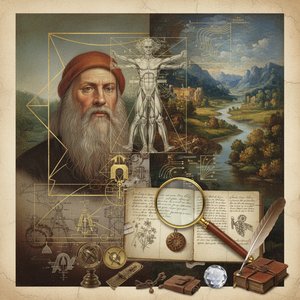
Leonardo da Vinci: A Renaissance Master’s Synthesis of Art, Science & Human Observation – Reinterpreted for the Collector
Explore Leonardo da Vinci’s timeless masterpieces with OriginalUniqueArt. Discover insights into his art, science, and legacy – trusted expertise for discerning collectors seeking authentic reproductions & investment opportunities.