Bekijk op ware grootte
 Verstuur
 Delen
Delen
 Details bekijken
 Gids voor studentenkunstwerken

 Download
 Vergelijkbare items
 Röntgenonderzoek
 Diavoorstelling
 Statistieken
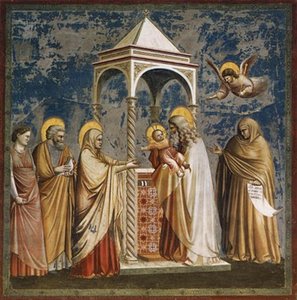
No. 40 The Seven Virtues: Prudence
 Acrylverf
- Wanddecoratie
- Proto-Renaissance
 1306
1306- Renaissance
 120.0 x 60.0 cm
 Cappella degli Scrovegni
 Lees meer
Giclée / Kunstafdrukken
Giclée- of canvasafdruk van museumkwaliteit met een snelle productie en flexibele afwerkingsmogelijkheden. ( Koop handgeschilderd kunstwerk Schakel over naar digitale afbeeldingen)




P118B $10

P118H $10

P118W $10

P438Z $10

P508JH $12

P508YH $12

P805H $10

P805Z $10

P919BZ $10

P919G $10

P919XJ $10

P959ZH $10

P968JZ $12

W106C $8

W218G $10

W218JH $8

W218Y $10

W307PJ $10

W316G $10

W316PJ $8

W316Y $10

W398PJ $8

W4111J $10

W500HY $15

W500JH $15

W692G $12

W849H $8

W940BG $15

W953PJ $8




Kies uit onze vooraf ingestelde maten die overeenkomen met de originele verhoudingen van het kunstwerk.

U kunt uw eigen afmetingen opgeven om in een specifieke lijst of ruimte te passen. Als de door u gekozen maat niet overeenkomt met de proporties van het originele kunstwerk, zullen wij de afbeelding bijsnijden of uitbreiden met een gespiegelde of effen rand. Een digitaal mockup wordt ter goedkeuring naar u verzonden voordat de productie begint.
Houd er rekening mee dat de preview op het scherm de werkelijke bijsneding of uitbreiding niet weergeeft. Alleen de mockup toont de uiteindelijke compositie nauwkeurig.
Hoewel aangepaste maten beschikbaar zijn, raden wij aan een afmeting uit de vooraf bepaalde lijst te kiezen om de originele proporties te behouden.
Wereldwijde levering () binnen 2 weken in plaats van de standaard 4/5 weken. (25 september)

Gratis wereldwijde expressverzending

Hoogwaardig linnen canvas

Volledige verzendverzekering

Garantie op terugbetaling van invoerrechten

Garantie op exacte kleurweergave

Retourbeleid van 100 dagen (alleen bij defecten)

100% Geld-terug-garantie

Korting bij meerdere afnames
 De optie voor glas is alleen beschikbaar bij een formaat kleiner dan 110 cm.

No. 40 The Seven Virtues: Prudence
Giclée / Kunstafdrukken
Formaat reproductie
-


Totaalprijs
$ 81
The Seven Virtues Embodied: Giotto’s Prudence
Giotto di Bondone's “No. 40 The Seven Virtues: Prudence,” created in 1306 as part of the magnificent fresco cycle adorning the Cappella Scrovegni in Padua, Italy, stands as a pivotal moment in the transition from the Byzantine artistic tradition to the burgeoning Renaissance. More than simply a depiction of a virtue, it’s a profound meditation on wisdom, discernment, and the careful consideration that underpins all good judgment – qualities desperately needed in a world grappling with moral complexities. This isn't merely a portrait; it’s an invitation into a carefully constructed dialogue between intellect and action, faith and reason.
The fresco immediately draws the eye to Prudence herself, seated at a simple wooden desk, her posture radiating quiet contemplation. She is not presented as a grand, imposing figure, but rather as a woman of measured grace – a deliberate choice by Giotto that underscores his revolutionary approach to human representation. Her attire is modest, and her gaze is directed inward, towards a small mirror reflecting her own image. This mirrored reflection isn’t about vanity; it symbolizes the process of self-examination, the crucial first step in exercising prudence. The book she holds – open but unread – suggests that true wisdom isn't found solely in knowledge itself, but in its thoughtful application.
A Revolutionary Composition and Technique
Giotto’s genius lies not just in his subject matter, but in the way he renders it. Unlike the flat, stylized figures characteristic of Byzantine art, Giotto imbues Prudence – and indeed all the virtues depicted within the chapel – with a startling sense of realism and three-dimensionality. He achieves this through masterful use of *chiaroscuro*, employing dramatic contrasts between light and shadow to sculpt the forms and create an illusion of depth. The backdrop, featuring a simple bench and wall, serves as a grounding element, anchoring the figure within a believable space. Notice how he uses atmospheric perspective – distant elements appear paler and less distinct – subtly guiding the viewer’s eye into the scene.
The fresco's execution is equally remarkable. Giotto pioneered the use of *tempera* on gesso, a technique that allowed for greater detail and luminosity than traditional fresco methods. This resulted in colors that retain their vibrancy even after centuries, a testament to his skill and the quality of the materials used. The muted palette – dominated by earthy tones and subtle blues – contributes to the painting’s contemplative mood, reflecting Prudence's association with restraint and moderation.
Context Within the Cappella Scrovegni
To fully appreciate “No. 40 The Seven Virtues: Prudence,” it’s essential to understand the chapel’s origins. Enrico Scrovegni, a wealthy merchant and moneylender, commissioned this extraordinary space in 1303 as an act of penance for his family's involvement in usury – a practice considered morally reprehensible at the time. The frescoes, therefore, represent a profound investment in spiritual redemption. Giotto’s depiction of the Seven Virtues served not merely as decoration, but as a moral guide for Scrovegni and his descendants, reminding them of the values essential to a virtuous life.
The chapel itself is a remarkable architectural achievement, built upon the foundations of an old arena. Its soaring arches and intricate detailing reflect the ambition of its patron – a man seeking not only material wealth but also spiritual salvation. The juxtaposition of the ancient arena with the newly created chapel symbolizes the transformation of Scrovegni’s life and his desire to atone for past sins.
Symbolism and Enduring Relevance
Prudence, as represented by Giotto, embodies more than just careful planning; she represents a deep understanding of one's own limitations and the importance of making wise choices. The mirror is key – it’s not about outward appearance but inward reflection. The book symbolizes knowledge, but its open state suggests that true wisdom requires contemplation and discernment, not simply accumulation of facts.
Giotto’s “No. 40 The Seven Virtues: Prudence” remains a powerful testament to the enduring relevance of these classical virtues in our modern world. In an age often characterized by impulsiveness and superficiality, Giotto's fresco offers a timeless reminder of the value of thoughtful consideration, self-awareness, and the pursuit of wisdom – qualities that continue to shape our lives and guide us towards a more fulfilling existence.
For high-quality reproductions of this masterpiece, please visit OriginalUniqueArt.com
Biografie van de kunstenaar
De Vroege Jaren en de Invloed van Cimabue
Giotto di Bondone, geboren rond 1267 nabij Florence, Italië, is een naam die synoniem staat voor de overgang van de middeleeuwse kunst naar de Renaissance. Zijn leven is omgeven door verhalen en legendes, waaronder het beroemde verhaal van de jonge herdersjongen die op rotsen levensgetrouwe schapen tekende, waardoor hij de aandacht trok van de gerenommeerde Florentijnse meester Cimabue. Of dit verhaal waarheid bevat of niet, het symboliseert Giotto’s uitzonderlijke talent: een aangeboren vermogen om de natuurlijke wereld met ongekende realisme en emotionele diepte vast te leggen. Als leerling van Cimabue absorbeerde Giotto technische vaardigheden, maar hij begon al snel zijn eigen pad te bewandelen, weg van de gevestigde Byzantijnse stijl die destijds heerste. Deze stijl kenmerkte zich door gestileerde figuren, afgevlakte perspectieven en weelderige gouden achtergronden – symbolen van spirituele transcendentie in plaats van aardse representatie. Giotto daarentegen verlangde ernaar de mensheid niet als etherische iconen af te beelden, maar als individuen doordrenkt van gevoelens, bestaand in een tastbare ruimte.
De Doorbraak naar Naturalisme en Emotie
Giotto’s artistieke revolutie was geen plotselinge omwenteling, maar een geleidelijke evolutie. Zijn vroege werken verraadden al de verschuiving die zou komen, met een groeiende nadruk op volume, gewicht en geloofwaardige anatomie. Hij begon licht en schaduw niet alleen als decoratieve elementen te zien, maar als hulpmiddelen om vormen vorm te geven en diepte te creëren. Dit ontluikende naturalisme is zichtbaar in zijn bijdragen aan de fresco’s in de Bovenbasiliek van Sint Franciscus van Assisi – hoewel het auteurschap ervan nog steeds wordt bediscussieerd, herkennen veel geleerden Giotto’s hand in scènes die een opmerkelijke afwijking vertonen van de heersende Byzantijnse esthetiek. Hij verwierp traditie niet simpelweg; hij bouwde erop voort en voorzag gevestigde vormen van een nieuw gevoel van menselijkheid en emotionele resonantie. Giotto begreep de kracht van narratie, en creëerde composities die verhalen vertelden niet door rigide symboliek, maar door expressieve gebaren, geloofwaardige interacties en zorgvuldig opgebouwde omgevingen.
De Scrovegni Kapel: Een Meesterwerk van Verhaalvertelling
Giotto’s meesterwerk, en misschien wel een van de belangrijkste werken in de westerse kunstgeschiedenis, is de fresco cyclus die de Scrovegni Kapel (ook bekend als de Arena Kapel) in Padua siert. Voltoooid rond 1305, toont deze adembenemende serie het leven van Christus en Maria met een revolutionair niveau van realisme en emotionele intensiteit. Elke scène ontvouwt zich als een zorgvuldig geënsceneerd drama, bevolkt door figuren die niet slechts representaties zijn van religieuze archetypen, maar volledig gerealiseerde mensen die vreugde, verdriet, angst en hoop ervaren. Het *Laatste Oordeel*, dat een hele wand domineert, is een krachtig bewijs van Giotto’s vaardigheid om zowel goddelijke majesteit als de rauwe kwetsbaarheid van de mensheid voor haar uiteindelijke oordeel over te brengen. Het gebruik van perspectief, hoewel niet wiskundig nauwkeurig volgens latere Renaissance-normen, creëert een overtuigende illusie van diepte en trekt de kijker in het verhaal. De figuren staan stevig op de grond, hun lichamen hebben gewicht en volume, en hun uitdrukkingen tonen een scala aan emoties dat voorheen onbekend was in religieuze kunst.
Architectuur en Giotto’s Blijvende Erfenis
Giotto’s talenten strekten zich verder uit dan schilderen; hij was ook een gerespecteerd architect. In 1334 kreeg hij de opdracht om de Campanile – de klokkentoren – van de kathedraal van Florence te ontwerpen, een project dat zijn innovatieve benadering van architectonische vorm liet zien. Hoewel hij voor zijn voltooiing overleed, legden zijn ontwerpen de basis voor dit iconische Florentijnse monument. Zijn invloed op latere generaties kunstenaars is onmeetbaar. Hij overbrugde de kloof tussen de middeleeuwse en Renaissance-wereld, en baande de weg voor meesters als Masaccio, Leonardo da Vinci en Michelangelo. Vasari, in zijn baanbrekende *Levens van de Kunstenaars*, schreef Giotto toe “de schilderkunst de grote kunst te hebben gegeven om dingen naar het leven te doen”, een bewijs van zijn diepgaande impact op het verloop van de westerse kunst. Giotto portretteerde niet alleen de wereld; hij zocht deze te begrijpen, haar essentie vast te leggen en dat begrip over te brengen door de kracht van visuele verhaalvertelling. Zijn nalatenschap blijft eeuwen na zijn dood ontzag en bewondering inspireren, waardoor zijn plaats als een van de grootste kunstinnovatoren in de geschiedenis wordt verstevigd.
Belangrijkste Prestaties & Blijvende Invloed
- Revolutionariseerde het Schilderij: Verliet de Byzantijnse stilisering voor naturalisme en emotioneel realisme.
- Pionier in Perspectief: Introduceerde technieken om diepte en ruimtelijk bewustzijn in schilderijen te creëren.
- Meesterlijk Verhaalvertelling: Creëerde boeiende verhalen door fresco-cycli, zoals de Scrovegni Kapel.
- Architectonische Bijdragen: Ontwierp de Campanile van de kathedraal van Florence, waarmee hij zijn architectonisch vernuft demonstreerde.
- Fundament voor Renaissance Kunst: Zijn werk legde de basis voor de artistieke prestaties van de Renaissance periode.

Giotto di Bondone
1267 - 1337 , Italy
Snelle feiten
- Artistic Movement Or Style: Proto-Renaissance
- Artists Or Movements Influenced By This Artist: ['Masaccio']
- Artists Who Influenced This Artist: ['Cimabue']
- Date Of Birth: ca. 1267
- Date Of Death: 1337
- Full Name: Giotto di Bondone
- Nationality: Italiaans
- Notable Artworks: ['Scrovegni Chapel']
- Place Of Birth: Florence, Italië
Gerelateerde artikelen

OriginalUniqueArt.com F.A.Q.: Elevating Interiors with Bespoke Wall Murals & Masterpiece Frescoes
Discover the pinnacle of bespoke interior transformation with OriginalUniqueArt.com. Our master fresco artists create exquisite, hand-painted wall murals and ceiling masterpieces tailored to your estate. Elevate your architectural space with timeless, museum-quality artistry.