Menu
Text size

() ·

A painting made for you, by hand

Handgemaakte olieverfreproductie

Met de hand geschilderd in olieverf op canvas in uw gewenste maat en lijst, op bestelling gemaakt door onze kunstenaars. ( Schakel over naar print Schakel over naar digitale afbeeldingen)

Beschrijving verzamelobject

Biografie kunstenaar

Een Nieuw Naturalisme</h2><p>Giotto's artistieke revolutie was geen plotselinge omwenteling

from ·

Chapter 1

How large should it be?

Slide to change the size; the wall on the left shows it at its real scale. The proportions of the original are kept.

Standaardformaat
op maat gemaakt
CM
INCH

Kies uit onze vooraf ingestelde maten die overeenkomen met de originele verhoudingen van het kunstwerk.

breedte
hoogte

Voer de breedte en hoogte in die u nodig heeft, passend bij uw lijst of uw muur. Omdat dit handgeschilderd is, kan de kunstenaar bij een afmeting met een andere beeldverhouding iets meer rondom het schilderij schilderen of juist iets meer weglaten — u kiest zelf. Wij sturen u een digitaal mockup ter goedkeuring voordat het schilderwerk begint. De afbeelding die op deze pagina wordt getoond, is niet het uiteindelijke resultaat — alleen de mockup geeft dit weer.


Chapter 2

How should it arrive?

Choose the edges of the stretched canvas

Choose your frame

Corner sample of the WhiteWrap canvas edge finish, stretched on massief hout bars
White €1
Corner sample of the BlurSideWrap canvas edge finish, stretched on massief hout bars
Blurside €1
Corner sample of the ExtendedWrap canvas edge finish, stretched on massief hout bars
Extended €1
Corner sample of the P118B picture frame: gegoten polystyreen, 5 cm wide and 3 cm thick
P118B €10
Corner sample of the P118H picture frame: gegoten polystyreen, 5 cm wide and 3 cm thick
P118H €10
Corner sample of the P118W picture frame: gegoten polystyreen, 5 cm wide and 3 cm thick
P118W €10
Corner sample of the P438Z picture frame: gegoten polystyreen, 5.5 cm wide and 3.5 cm thick
P438Z €10
Corner sample of the P508JH picture frame: gegoten polystyreen, 7 cm wide and 3.5 cm thick
P508JH €12
Corner sample of the P508YH picture frame: gegoten polystyreen, 7 cm wide and 3.5 cm thick
P508YH €12
Corner sample of the P805H picture frame: gegoten polystyreen, 5 cm wide and 3.5 cm thick
P805H €10
Corner sample of the P805Z picture frame: gegoten polystyreen, 5 cm wide and 3.5 cm thick
P805Z €10
Corner sample of the P919BZ picture frame: gegoten polystyreen, 7 cm wide and 3.5 cm thick
P919BZ €10
Corner sample of the P919G picture frame: gegoten polystyreen, 7 cm wide and 3.5 cm thick
P919G €10
Corner sample of the P919XJ picture frame: gegoten polystyreen, 7 cm wide and 3.5 cm thick
P919XJ €10
Corner sample of the P959ZH picture frame: gegoten polystyreen, 5 cm wide and 3 cm thick
P959ZH €10
Corner sample of the P968JZ picture frame: gegoten polystyreen, 6 cm wide and 4 cm thick
P968JZ €12
Corner sample of the W106C picture frame: massief hout, 5 cm wide and 3 cm thick
W106C €8
Corner sample of the W218G picture frame: massief hout, 5 cm wide and 3 cm thick
W218G €10
Corner sample of the W218JH picture frame: massief hout, 5 cm wide and 3 cm thick
W218JH €8
Corner sample of the W218Y picture frame: massief hout, 5 cm wide and 3 cm thick
W218Y €10
Corner sample of the W307PJ picture frame: massief hout, 6 cm wide and 3 cm thick
W307PJ €10
Corner sample of the W316G picture frame: massief hout, 6 cm wide and 3 cm thick
W316G €10
Corner sample of the W316PJ picture frame: massief hout, 6 cm wide and 3 cm thick
W316PJ €8
Corner sample of the W316Y picture frame: massief hout, 6 cm wide and 3 cm thick
W316Y €10
Corner sample of the W398PJ picture frame: massief hout, 5 cm wide and 3 cm thick
W398PJ €8
Corner sample of the W4111J picture frame: massief hout, 6.5 cm wide and 3.5 cm thick
W4111J €10
Corner sample of the W500HY picture frame: massief hout, 7 cm wide and 5 cm thick
W500HY €15
Corner sample of the W500JH picture frame: massief hout, 7 cm wide and 5 cm thick
W500JH €15
Corner sample of the W692G picture frame: massief hout, 8 cm wide and 4 cm thick
W692G €12
Corner sample of the W849H picture frame: massief hout, 5 cm wide and 3 cm thick
W849H €8
Corner sample of the W940BG picture frame: massief hout, 7.5 cm wide and 4.5 cm thick
W940BG €15
Corner sample of the W953PJ picture frame: massief hout, 6 cm wide and 3.5 cm thick
W953PJ €8
Corner sample of the H24-GOLD picture frame: gesneden hout met gesso, 10 cm wide and 6 cm thick
H24-GOLD €30
Corner sample of the H24-SILVER picture frame: gesneden hout met gesso, 10 cm wide and 6 cm thick
H24-SILVER €30
Corner sample of the H36-GOLD picture frame: gesneden hout met gesso, 15 cm wide and 6.5 cm thick
H36-GOLD €45
Corner sample of the H36-SILVER picture frame: gesneden hout met gesso, 15 cm wide and 6.5 cm thick
H36-SILVER €45
Lijstvoorbeeld
Ingelijst

Moulding: . Overall size with the frame: .

Chapter 3

Who paints it, and should anything change?

Examples of what can be changed: Replace face with customer photo; Add pet (e.g., replace cat with dog); Include hidden message in background; Change background landscape or elements.
After order, OriginalUniqueArt.com team will email client for instructions and provide a mockup preview

Wereldwijde levering () binnen 3 tot 4 weken in plaats van de standaard 5 weken. (29 oktober). Zonder concessies aan de kwaliteit.

Chapter 4

The finishing touches

A nameplate, as in a museum?

Details van de gegraveerde bronzen plaat

This elegant plaque features the artist's name and the title of the artwork, finely engraved for a timeless presentation.

It is made from bronze with a refined, elegant finish. The text is precisely laser-engraved for a sharp and permanent result. Measuring 9x2 cm, the plaque is compact yet easy to read. It's built to be durable and scratch-resistant, offering a professional, museum-quality look. Mounting is simple thanks to the included adhesive backing.

Details transparante acrylplaat

The plaque includes essential engraved details such as the artist's name, the title of the artwork, the date it was created, the type of media used-like oil on canvas or watercolor-a brief description of the piece, and a QR code that links to the complete artwork information.

It is crafted from clear acrylic, offering a sleek, modern appearance. The text is UV-engraved in black to ensure strong visual contrast. With a size of 10x15 cm, it ensures optimal readability. It comes equipped with two metal hooks for secure wall mounting. The plaque is designed to be weather-resistant, making it suitable for various environments, and it includes interactive features that work seamlessly with smartphone scanning.

Details zwarte acrylplaat

This elegant plaque includes engraved information such as the artist's name, the title of the artwork, the date it was created, the type of media used (like oil on canvas or watercolor), a short description of the artwork, and a QR code for quick access to more information.

The plaque itself is made from refined black acrylic with a premium finish. The text is laser-engraved in white for high contrast and readability. Its size is 10x15 cm, designed to be easy to read. It comes with two metal hooks for professional mounting. The design is sleek and fits any interior style. It is also weather-resistant and durable, with built-in digital integration for mobile compatibility.

A protective varnish?

When do you need it?

Chapter 5

Your painting, as you ordered it

Baroncelli Polyptych

Druktechniek

Afmetingen reproductie

-

Geselecteerde topkunstenaars

Meer detail, verfijning en extra productietijd

-

Lijst voor reproductie

-

-

Voor kunstwerken of reproducties die aan één zijde groter zijn dan 105 cm (ongeveer 41 inch), wordt de lijst als een losse set verzonden. Deze methode garandeert een veilige levering en voorkomt schade tijdens het transport.

Professionele montage vereist - dit is geen doe-het-zelfproduct.
De set moet worden gemonteerd en het canvas moet worden gespannen door een ervaren professionele lijstenmaker, met gebruik van houtlijm (niet inbegrepen), een doekspanter en klemmen om de sponningen recht te houden terwijl de lijm droogt. Onjuiste montage of een ongelijkmatige spanning op het canvas kan het kunstwerk permanent beschadigen en wordt niet gedekt door onze garantie.

  • Alle massief houten onderdelen zijn inbegrepen, nauwkeurig op maat gesneden voor montage.

  • Te monteren met de meegeleverde schroeven, plus houtlijm voor de hoekverbindingen, die niet wordt meegeleverd en door uw lijstenmaker moet worden aangeschaft.

  • Professioneel gereedschap is vereist en niet inbegrepen: een spanner voor canvas en klemmen om de latten recht te houden terwijl de lijm droogt.

Belangrijk:
De hoekverbindingen vereisen houtlijm, de latten moeten met lijmklemmen worden vastgehouden tot de lijm volledig is opgedroogd, en het spannen van het canvas op het samengestelde frame vereist een doekspanter. Geen van deze artikelen is inbegrepen in de set. Wij adviseren u om een ervaren professionele lijstenmaker te raadplegen voordat u deze maat bestelt.

Naamplaatje

-

-

Beschermende vernislaag

Glanzende vernis (versterkt de kleuren en biedt bescherming tegen licht en vocht)

-

Mijn kunstwerk aanpassen

Voorbeelden van aanpassingen: vervang het gezicht door een eigen foto; voeg een huisdier toe (bijv. vervang de kat door een hond); verwerk een verborgen boodschap in de achtergrond; wijzig het landschap of andere elementen op de achtergrond.

-

Spoedlevering

Wereldwijde levering () binnen 3 tot 4 weken in plaats van de standaard 5 weken. (29 oktober). Geen concessies aan de kwaliteit.

-

Spoedlevering

Wereldwijde levering naar binnen 5 weken. (5 november).

Inbegrepen

Eindtotaal

€ 264

Totaalprijs € 264

De optie voor glas is alleen beschikbaar bij een formaat kleiner dan 110 cm.

Included with every order

  • Gratis wereldwijde expressverzending
  • Hoogwaardig linnen canvas
  • Volledige verzendverzekering
  • Garantie op terugbetaling van invoerrechten
  • Garantie op exacte kleurweergave
  • Retourbeleid van 100 dagen (alleen bij defecten)
  • 100% Geld-terug-garantie
  • Korting bij meerdere afnames

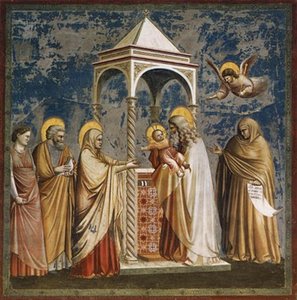
A Window Into Early Renaissance Emotion: Exploring Giotto’s Baroncelli Polyptych

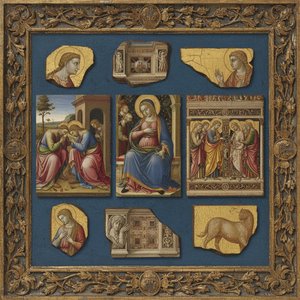
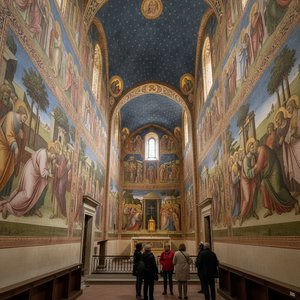
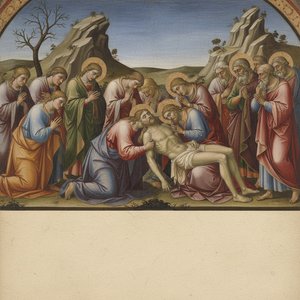
The Baroncelli Polyptych stands as an unparalleled achievement of the Florentine Early Renaissance, capturing not merely visual beauty but also a profound shift in artistic sensibility. Painted by Giotto di Bondone around 1334, this monumental fresco—measuring 185 x 323 cm—dominates the Baroncelli Chapel within Santa Croce Basilica, Florence, serving as a testament to Giotto’s revolutionary vision and cementing his place among the titans of Western art. Its enduring fascination stems from its ability to convey complex theological ideas with startling immediacy – an accomplishment rarely seen in contemporary Byzantine art.

Composition and Style: Breaking Free From Tradition

Giotto decisively rejected the stylized conventions of Byzantium, prioritizing anatomical accuracy and naturalistic representation. Unlike preceding artists who employed flattened perspectives and idealized figures draped in shimmering gold, Giotto meticulously rendered human forms with remarkable realism, capturing subtle musculature and drapery folds that breathed life into his subjects. The fresco’s central panel depicts the Coronation of the Virgin Mary, showcasing Jesus Christ held aloft by Mary—a poignant depiction of divine grace amidst earthly vulnerability. Surrounding them are twelve saints, each positioned with careful consideration to create a dynamic composition that draws the viewer's eye across the surface. The chapel’s gilded frame amplifies this visual impact, emphasizing the grandeur and solemnity of the scene.

Technique: Tempera Paint – A Bold Innovation

Giotto skillfully employed tempera paint—a medium known for its brilliance and durability—allowing him to achieve vibrant colors that would have been unattainable with oil paints at the time. This technique involved grinding pigments into a binder (typically egg yolk) creating a durable, luminous surface finish. The meticulous layering of color – achieved through glazing – contributes significantly to the fresco’s ethereal quality, simulating light and shadow with astonishing precision. Giotto's mastery of tempera exemplifies his commitment to capturing the essence of reality—a cornerstone of the burgeoning Renaissance aesthetic.

Historical Context: Reflecting Spiritual Renewal

The Baroncelli Polyptych emerged during a period of significant spiritual upheaval in Europe. The Black Death had ravaged Italy, prompting profound reflection on mortality and divine providence. Giotto’s depiction of Mary’s Coronation resonated deeply with Florentine piety, embodying the hope for redemption and reaffirming faith amidst despair. Furthermore, it represents a crucial step away from the symbolic language of medieval art toward a more humanist perspective—one that prioritized human emotion and experience alongside theological dogma.

Symbolism: Divine Grace Amidst Human Frailty

Beyond its visual splendor, the Polyptych is laden with symbolism reflecting Christian theology. The coronation itself signifies Mary’s exaltation into heaven—a triumphant affirmation of her role as Queen of Heaven. The saints surrounding Jesus represent various facets of Christendom, embodying virtues and offering prayers for divine protection. Giotto's careful placement of figures underscores the importance of faith and devotion in achieving spiritual enlightenment – a message that continues to inspire viewers centuries later.

Emotional Impact: A Moment Frozen in Time

The Baroncelli Polyptych transcends mere artistic skill; it communicates profound emotion—a palpable sense of reverence and compassion for Mary and Jesus. Giotto’s expressive faces convey tenderness, sorrow, and awe—capturing the human condition with unparalleled sensitivity. This emotional resonance is achieved through masterful use of color, light, and gesture—elements that combine to create a powerfully evocative experience for the viewer. It remains an unforgettable masterpiece, demonstrating Giotto's enduring legacy as one of the most influential artists in Western history.

Veelgestelde vragen

Hoe groot is het contrast in "Baroncelli Polyptych" door Giotto di Bondone?

Het licht-donkercontrast van "Baroncelli Polyptych" wordt weergegeven als Bold. Contrast beschrijft hoe sterk de lichte en donkere vlakken van elkaar verschillen.

Hoe licht is "Baroncelli Polyptych" in zijn geheel?

Wat betreft de waargenomen helderheid is "Baroncelli Polyptych" door Giotto di Bondone balanced.

Wat is het aanbevolen formaat en de oriëntatie voor de afdruk van "Baroncelli Polyptych"?

Formaat Large, Panoramic oriëntatie: dit is de aanbevolen printinstelling voor "Baroncelli Polyptych" door Giotto di Bondone.

In numbers

  • 1334the year it was painted
  • 29frames to choose from
  • standard sizes, in its own proportions
  • 5weeks to paint and deliver it
Giotto di Bondone

Giotto di Bondone

1267 - 1337, Italy

Belangrijkste feiten

  • Artistic Movement Or Style: Proto-Renaissance
  • Artists Or Movements Influenced By This Artist: ['Masaccio']
  • Artists Who Influenced This Artist: ['Cimabue']
  • Date Of Birth: ca. 1267
  • Date Of Death: 1337
  • Full Name: Giotto di Bondone
  • Nationality: Italiaans
  • Notable Artworks: ['Scrovegni Chapel']
  • Place Of Birth: Florence, Italië

Biografie kunstenaar

De Vroege Jaren en de Invloed van Cimabue

Giotto di Bondone, geboren rond 1267 nabij Florence, Italië, is een naam die synoniem staat voor de overgang van de middeleeuwse kunst naar de Renaissance. Zijn leven is omgeven door verhalen en legendes, waaronder het beroemde verhaal van de jonge herdersjongen die op rotsen levensgetrouwe schapen tekende, waardoor hij de aandacht trok van de gerenommeerde Florentijnse meester Cimabue. Of dit verhaal waarheid bevat of niet, het symboliseert Giotto’s uitzonderlijke talent: een aangeboren vermogen om de natuurlijke wereld met ongekende realisme en emotionele diepte vast te leggen. Als leerling van Cimabue absorbeerde Giotto technische vaardigheden, maar hij begon al snel zijn eigen pad te bewandelen, weg van de gevestigde Byzantijnse stijl die destijds heerste. Deze stijl kenmerkte zich door gestileerde figuren, afgevlakte perspectieven en weelderige gouden achtergronden – symbolen van spirituele transcendentie in plaats van aardse representatie. Giotto daarentegen verlangde ernaar de mensheid niet als etherische iconen af te beelden, maar als individuen doordrenkt van gevoelens, bestaand in een tastbare ruimte.

De Doorbraak naar Naturalisme en Emotie

Giotto’s artistieke revolutie was geen plotselinge omwenteling, maar een geleidelijke evolutie. Zijn vroege werken verraadden al de verschuiving die zou komen, met een groeiende nadruk op volume, gewicht en geloofwaardige anatomie. Hij begon licht en schaduw niet alleen als decoratieve elementen te zien, maar als hulpmiddelen om vormen vorm te geven en diepte te creëren. Dit ontluikende naturalisme is zichtbaar in zijn bijdragen aan de fresco’s in de Bovenbasiliek van Sint Franciscus van Assisi – hoewel het auteurschap ervan nog steeds wordt bediscussieerd, herkennen veel geleerden Giotto’s hand in scènes die een opmerkelijke afwijking vertonen van de heersende Byzantijnse esthetiek. Hij verwierp traditie niet simpelweg; hij bouwde erop voort en voorzag gevestigde vormen van een nieuw gevoel van menselijkheid en emotionele resonantie. Giotto begreep de kracht van narratie, en creëerde composities die verhalen vertelden niet door rigide symboliek, maar door expressieve gebaren, geloofwaardige interacties en zorgvuldig opgebouwde omgevingen.

De Scrovegni Kapel: Een Meesterwerk van Verhaalvertelling

Giotto’s meesterwerk, en misschien wel een van de belangrijkste werken in de westerse kunstgeschiedenis, is de fresco cyclus die de Scrovegni Kapel (ook bekend als de Arena Kapel) in Padua siert. Voltoooid rond 1305, toont deze adembenemende serie het leven van Christus en Maria met een revolutionair niveau van realisme en emotionele intensiteit. Elke scène ontvouwt zich als een zorgvuldig geënsceneerd drama, bevolkt door figuren die niet slechts representaties zijn van religieuze archetypen, maar volledig gerealiseerde mensen die vreugde, verdriet, angst en hoop ervaren. Het *Laatste Oordeel*, dat een hele wand domineert, is een krachtig bewijs van Giotto’s vaardigheid om zowel goddelijke majesteit als de rauwe kwetsbaarheid van de mensheid voor haar uiteindelijke oordeel over te brengen. Het gebruik van perspectief, hoewel niet wiskundig nauwkeurig volgens latere Renaissance-normen, creëert een overtuigende illusie van diepte en trekt de kijker in het verhaal. De figuren staan stevig op de grond, hun lichamen hebben gewicht en volume, en hun uitdrukkingen tonen een scala aan emoties dat voorheen onbekend was in religieuze kunst.

Architectuur en Giotto’s Blijvende Erfenis

Giotto’s talenten strekten zich verder uit dan schilderen; hij was ook een gerespecteerd architect. In 1334 kreeg hij de opdracht om de Campanile – de klokkentoren – van de kathedraal van Florence te ontwerpen, een project dat zijn innovatieve benadering van architectonische vorm liet zien. Hoewel hij voor zijn voltooiing overleed, legden zijn ontwerpen de basis voor dit iconische Florentijnse monument. Zijn invloed op latere generaties kunstenaars is onmeetbaar. Hij overbrugde de kloof tussen de middeleeuwse en Renaissance-wereld, en baande de weg voor meesters als Masaccio, Leonardo da Vinci en Michelangelo. Vasari, in zijn baanbrekende *Levens van de Kunstenaars*, schreef Giotto toe “de schilderkunst de grote kunst te hebben gegeven om dingen naar het leven te doen”, een bewijs van zijn diepgaande impact op het verloop van de westerse kunst. Giotto portretteerde niet alleen de wereld; hij zocht deze te begrijpen, haar essentie vast te leggen en dat begrip over te brengen door de kracht van visuele verhaalvertelling. Zijn nalatenschap blijft eeuwen na zijn dood ontzag en bewondering inspireren, waardoor zijn plaats als een van de grootste kunstinnovatoren in de geschiedenis wordt verstevigd.

Belangrijkste Prestaties & Blijvende Invloed

  • Revolutionariseerde het Schilderij: Verliet de Byzantijnse stilisering voor naturalisme en emotioneel realisme.
  • Pionier in Perspectief: Introduceerde technieken om diepte en ruimtelijk bewustzijn in schilderijen te creëren.
  • Meesterlijk Verhaalvertelling: Creëerde boeiende verhalen door fresco-cycli, zoals de Scrovegni Kapel.
  • Architectonische Bijdragen: Ontwierp de Campanile van de kathedraal van Florence, waarmee hij zijn architectonisch vernuft demonstreerde.
  • Fundament voor Renaissance Kunst: Zijn werk legde de basis voor de artistieke prestaties van de Renaissance periode.

Snelle feiten

  • Notable elements or techniques: Innovative fresco technique; Naturalistic portrayal
  • Title: Baroncelli Polyptych
  • Location: Baroncelli Chapel, Florence
  • Dimensions: 185 x 323 cm
  • Artistic style: Proto-Renaissance
  • Influences: Byzantine art

Kunstquiz

Er is slechts één goed antwoord op elke vraag.

Vraag 1:
What is the primary subject matter depicted in Giotto Di Bondone’s Baroncelli Polyptych?
Vraag 2:
In what architectural setting is the Baroncelli Polyptych located?
Vraag 3:
What artistic style characterized Giotto Di Bondone’s work, distinguishing it from the prevalent Byzantine tradition?
Vraag 4:
Approximately when was Giotto Di Bondone’s Baroncelli Polyptych created?
Vraag 5:
Which chapel is Giotto Di Bondone’s Baroncelli Polyptych associated with?

More about this painting

Voorvertoning Bekijk in AR Schakel over naar print Schakel over naar digitale afbeeldingen Verstuur
Details bekijken Gids Toevoegen aan favorieten Download Vergelijkbare items Röntgenonderzoek Diavoorstelling Q&A Statistieken