
 Voorvertoning
 Verstuur
 Delen
Delen
 Details bekijken
 Gids
Gids

 Download
 Vergelijkbare items
 Röntgenonderzoek
 Diavoorstelling
 Q&A
Q&A Statistieken
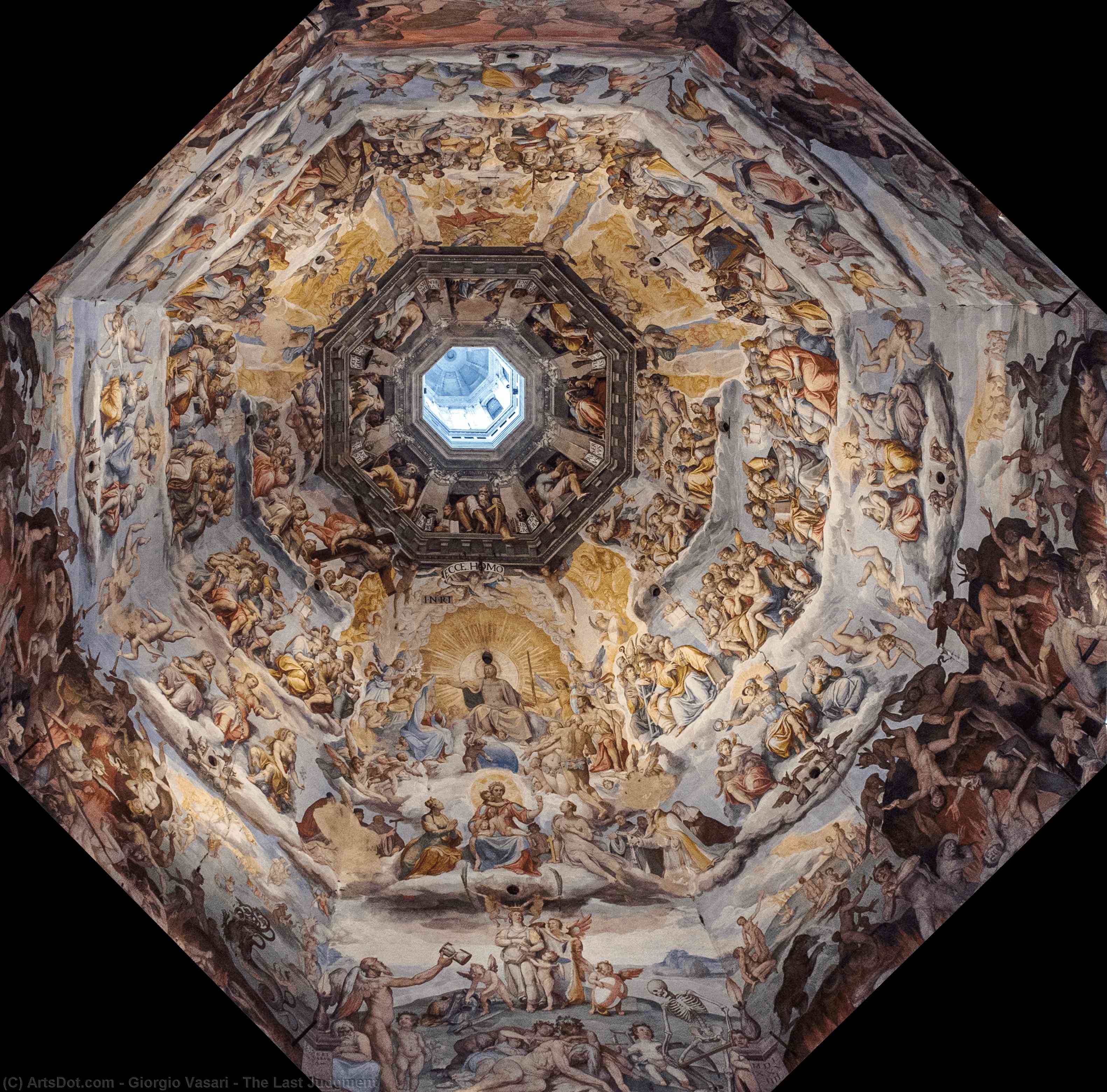
De Laatste Oordeel


 Lees meer
Giclée / Kunstafdrukken
Giclée- of canvasafdruk van museumkwaliteit met een snelle productie en flexibele afwerkingsmogelijkheden. ( Bestel handgeschilderde reproductie Schakel over naar digitale afbeeldingen)




P118B €10

P118H €10

P118W €10

P438Z €10

P508JH €12

P508YH €12

P805H €10

P805Z €10

P919BZ €10

P919G €10

P919XJ €10

P959ZH €10

P968JZ €12

W106C €8

W218G €10

W218JH €8

W218Y €10

W307PJ €10

W316G €10

W316PJ €8

W316Y €10

W398PJ €8

W4111J €10

W500HY €15

W500JH €15

W692G €12

W849H €8

W940BG €15

W953PJ €8




Kies uit onze vooraf ingestelde maten die overeenkomen met de originele verhoudingen van het kunstwerk.

Voer de gewenste breedte en hoogte in, passend bij uw lijst of muur. Een afdruk kan alleen worden ingekort en nooit groter worden gemaakt dan het origineel; een formaat met andere verhoudingen zal daarom een deel van de afbeelding verliezen. Wij sturen u een digitaal mockup ter goedkeuring voordat we tot drukwerk overgaan. De afbeelding op deze pagina toont niet de werkelijke uitsnede — dit is alleen te zien op het mockup.
Wereldwijde levering () binnen 2 weken in plaats van de standaard 4/5 weken. (29 oktober)

Gratis wereldwijde expressverzending

Hoogwaardig linnen canvas

Volledige verzendverzekering

Garantie op terugbetaling van invoerrechten

Garantie op exacte kleurweergave

Retourbeleid van 100 dagen (alleen bij defecten)

100% Geld-terug-garantie

Korting bij meerdere afnames
 De optie voor glas is alleen beschikbaar bij een formaat kleiner dan 110 cm.

De Laatste Oordeel
Giclée / Kunstafdrukken
Afmetingen reproductie
-


Eindtotaal
€ 71
Het Laatste Oordeel: Een Symbool van Renaissance Spiritualiteit
In het hart van Florence, in de majestueuze Duomo – ook bekend als de kathedraal – bevindt zich een kunstwerk dat adembenemend is in zijn omvang en diepte: *Het Laatste Oordeel* (Il Giudizio Universale) van Giorgio Vasari en Federico Zuccari. Dit monumentale fresco, gelegen op het plafond van de koepel, is meer dan alleen een religieuze afbeelding; het is een krachtige weergave van de Renaissance-geest, een symbool van macht, geloof en menselijke verbeelding. Begonnen door Vasari in 1572 en voltooid door Zuccari in 1579, is dit werk een testament aan de artistieke vaardigheid van twee meesters en een onvergetelijk visueel ervaring.
De koepel zelf, ontworpen door Filippo Brunelleschi, was een technische uitdaging. Vasari, met behulp van innovatieve technieken, werkte aan de binnenkant van de koepel, gebruikmakend van metalen ringen en platformen om toegang te krijgen tot het plafond. De fresco, die meer dan 3600 vierkante meter beslaat, is opgedeeld in een complex raster van cirkels, elk gevuld met figuren en scènes die een verhaal vertellen over de wederkomst van Christus, de rechtvaardigen en de veroordeelden. Het is een overweldigende compositie, een visuele symfonie van kleur, licht en beweging.
De Symboliek van Straffing en Beloning
Het fresco vertoont een rijke symbolische taal. De bovenste cirkel toont de 24 oudsten van het Openbaringenboek, die in glorie en aanbidding staan voor het troon van God. Hieronder volgen de hemelse engelen, gekleed in prachtige gewaden, elk met een instrument van de Passie in hun handen – een verwijzing naar de lijden van Christus. De volgende cirkel toont de heiligen, gevolgd door allegorische figuren die de christelijke deugden en de beloningen van het paradijs vertegenwoordigen. De onderste cirkel is een gruwelijke weergave van de hel, met verwrongen zielen die lijden onder de straf voor hun zonden. Deze contrasten – tussen licht en duisternis, rechtvaardigheid en onrecht – zijn bedoeld om de toeschouwer te overdonderen en hem aan het denken te zetten over zijn eigen lot.
Techniek en Stijl: Een Verschil in Benadering
Vasari begon het werk met een stijl die gekenmerkt werd door harmonie, delicate kleuren en gedetailleerde figuren. Zijn artistieke visie was gebaseerd op de traditionele Italiaanse Renaissance-stijl. Federico Zuccari, die het project na Vasaris overlijden voortzette, bracht zijn eigen, meer theatrale stijl in, met een nadruk op dramatische composities en levendige kleuren. Deze verschillen in benadering creëren een fascinerende dialoog tussen de twee meesters, waardoor het fresco een complex en rijk karakter krijgt. De techniek van *fresco secco* – het schilderen op droge mortel – werd gebruikt om de figuren en achtergronden te verfraaien, wat resulteerde in een unieke textuur en diepte.
Een Spiegelbeeld van de Renaissance
Het Laatste Oordeel is meer dan alleen een religieuze afbeelding; het is een weerspiegeling van de Renaissance-geest. Het fresco toont de menselijke verbeelding, de artistieke vaardigheid en de intellectuele nieuwsgierigheid die kenmerkend zijn voor deze periode. De aandacht voor detail, de perspectiefregels, de anatomische nauwkeurigheid en de symbolische taal maken dit werk een meesterwerk van de Renaissance-kunst. Het is een blijvende herinnering aan de kracht van kunst om te inspireren, te overdonderen en te vertellen.
Veelgestelde vragen
Welk gevoel roept "De Laatste Oordeel" door Giorgio Vasari op?
De vastgelegde stemming van "De Laatste Oordeel" door Giorgio Vasari is Dramatisch, en de emotionele toon ervan is Krachtig en imposant.
Wanneer werd "De Laatste Oordeel" gemaakt en tot welke stroming behoort het?
"De Laatste Oordeel" werd in 1572 gecreëerd als een werk uit de Renaissance-stroming. De datum en de stroming verankeren het kunstwerk in de kunstgeschiedenis.
Is er een factsheet over "De Laatste Oordeel" door Giorgio Vasari voor studenten?
De gids voor "De Laatste Oordeel" is de Informatieblad-pagina van het kunstwerk – een printbaar informatieblad waarop het kunstwerk wordt getoond met het bijschrift, de bronvermelding en de identificatietabel (kunstenaar, data, medium, originele afmetingen, collectie).
Biografie kunstenaar
A Life Woven into the Renaissance Fabric
Giorgio Vasari, born in Arezzo, Tuscany, on July 30, 1511, was more than simply a painter; he was a quintessential embodiment of the Italian Renaissance spirit. His life unfolded as a vibrant tapestry woven with threads of artistic creation, architectural innovation, insightful historical writing, and an unwavering dedication to celebrating the masters who came before him. From his earliest training under Guglielmo da Marsiglia, a skilled artisan in stained glass, young Giorgio’s path was steered towards visual artistry. However, it was his move to Florence at sixteen that truly ignited his potential. Immersing himself within the dynamic circle of Andrea del Sarto and absorbing the influences of Rosso Fiorentino and Jacopo Pontormo, Vasari began a journey that would see him become one of the most influential figures of his era. His formative years were also deeply marked by the patronage and friendship of the powerful Medici family, a relationship that would shape both his career and his perspective on art’s role in society.The Artist's Hand and Eye
Vasari’s artistic style is often categorized as Mannerist, reflecting the prevailing aesthetic trends of the mid-16th century. His paintings are characterized by elongated figures, dynamic compositions, and a sophisticated use of color—qualities highly admired during his lifetime. While perhaps not achieving the same level of enduring fame as some of the artists he chronicled, Vasari’s skill was undeniable. Notable works such as *The Studio of the Painter*, a fresco housed in Casa Vasari in Arezzo, offer a fascinating glimpse into the artistic practices of the time. The sheer scale and ambition of his frescoes for the Palazzo Vecchio in Florence, undertaken between 1555 and 1572, demonstrate his mastery of large-scale decorative schemes. His final monumental undertaking, *The Last Judgement*, adorning the cupola of Florence Cathedral—completed after his death by Federico Zuccari—stands as a testament to his unwavering commitment to grand artistic visions. Beyond painting, Vasari’s architectural contributions were equally significant. He designed the elegant loggia of the Palazzo degli Uffizi, transforming it into a public piazza and creating a vital link within Florence's urban landscape. Perhaps most famously, he conceived and oversaw the construction of the Vasari Corridor, a secret passageway connecting the Uffizi Gallery with the Palazzo Pitti—a feat of engineering and architectural ingenuity that continues to captivate visitors today.A Historian Forging a Legacy
However, it is arguably as an art historian that Giorgio Vasari secured his most lasting legacy. His monumental work, *Lives of the Most Excellent Painters, Sculptors, and Architects*, published in 1550 (with a revised edition in 1568), revolutionized the way art was understood and appreciated. This groundbreaking text wasn’t merely a collection of biographies; it established a narrative framework for the development of Italian Renaissance art, tracing its evolution from the early masters like Cimabue and Giotto to his contemporaries Michelangelo and Raphael. Vasari's work introduced the very concept of the “Renaissance” – a rebirth of classical ideals—and laid the foundation for modern art history as a discipline. While acknowledging that Vasari’s accounts are not without their biases and inaccuracies, particularly concerning artists predating his own time, the impact of *Lives* remains profound. It provided a crucial historical context for artistic creation, elevating the status of artists from skilled craftsmen to intellectual figures worthy of scholarly attention.Influences and Enduring Significance
Vasari’s artistic development was profoundly shaped by his exposure to the works of Renaissance masters. His visit to Rome in 1529, where he studied the art of Raphael and other High Renaissance artists, proved pivotal. He absorbed their principles of composition, anatomical accuracy, and idealized beauty, incorporating them into his own style. Michelangelo, whom Vasari greatly admired, exerted a particularly strong influence on both his painting and architecture. The grandeur and dynamism characteristic of Michelangelo’s work are evident in many of Vasari’s projects. Beyond specific artists, the broader intellectual currents of the Renaissance—humanism, classical learning, and a renewed interest in empirical observation—also informed Vasari's approach to art and history. Giorgio Vasari died on June 27, 1574, in Florence, leaving behind a multifaceted legacy that continues to resonate today. He was not only a talented artist and architect but also a pioneering historian whose writings shaped our understanding of one of the most transformative periods in Western art history. His work remains essential for anyone seeking to explore the rich cultural heritage of the Italian Renaissance.Key Achievements
- The Lives of the Artists: Vasari’s magnum opus, a foundational text in art history that established a biographical approach to studying artists and their works.
- Frescoes for the Palazzo Vecchio: His monumental frescoes decorating the Salone dei Cinquecento and the Studiolo showcased his mastery of large-scale decorative schemes and narrative painting.
- Design of the Vasari Corridor: A remarkable feat of engineering and architectural design, connecting the Uffizi Gallery with the Palazzo Pitti – a secret passage that remains a symbol of Florentine history.
- Architectural Design for the Uffizi Gallery Loggia: Transforming the Piazza della Signoria into a vibrant public space through his innovative design.
Further Exploration
Recommended Resources:- Vasari, Giorgio. *The Lives of the Most Excellent Painters, Sculptors, and Architects*. Translated by Allan Michell. Penguin Classics, 2003.
- https://www.theartstory.org/artist/vasari-giorgio/

Giorgio Vasari
1511 - 1574 , Italië
Belangrijkste feiten
- Artistic Movement Or Style: Manierisme
- Artists Or Movements Influenced By This Artist: ['Renaissance kunstgeschiedenis']
- Artists Who Influenced This Artist:
- Michelangelo
- Guglielmo da Marsiglia
- Date Of Birth: 30 juli 1511
- Date Of Death: 27 juni 1574
- Full Name: Giorgio Vasari
- Nationality: Italiaans
- Notable Artworks:
- Studio Schilders
- laatste oordeel
- Place Of Birth: Arezzo, Italië
Gerelateerde artikelen

OriginalUniqueArt.com F.A.Q.: Elevating Interiors with Bespoke Wall Murals & Masterpiece Frescoes
Discover the pinnacle of bespoke interior transformation with OriginalUniqueArt.com. Our master fresco artists create exquisite, hand-painted wall murals and ceiling masterpieces tailored to your estate. Elevate your architectural space with timeless, museum-quality artistry.


