

 Bekijk op ware grootte
 Verstuur
 Delen
Delen
 Details bekijken
 Gids voor studentenkunstwerken

 Download
 Vergelijkbare items
 Röntgenonderzoek
 Diavoorstelling
 Statistieken
Meleager und Atalante
 Oil On Canvas
- WallArt
- Baroque Painting
 1632
1632 220.0 x 165.0 cm
 Bildergalerie Sanssouci
 Lees meer
Giclée / Kunstafdrukken
Giclée- of canvasafdruk van museumkwaliteit met een snelle productie en flexibele afwerkingsmogelijkheden. ( Koop handgeschilderd kunstwerk Schakel over naar digitale afbeeldingen)




P118B €10

P118H €10

P118W €10

P438Z €10

P508JH €12

P508YH €12

P805H €10

P805Z €10

P919BZ €10

P919G €10

P919XJ €10

P959ZH €10

P968JZ €12

W106C €8

W218G €10

W218JH €8

W218Y €10

W307PJ €10

W316G €10

W316PJ €8

W316Y €10

W398PJ €8

W4111J €10

W500HY €15

W500JH €15

W692G €12

W849H €8

W940BG €15

W953PJ €8




Kies uit onze vooraf ingestelde maten die overeenkomen met de originele verhoudingen van het kunstwerk.

Voer de breedte en de hoogte in die u nodig heeft, passend bij uw lijst of uw muur. Een afdruk kan alleen worden ingekort, nooit groter worden gemaakt dan het origineel, waardoor een formaat met een andere verhouding een deel van de afbeelding verliest. Wij sturen u een digitaal mockup ter goedkeuring voordat we iets drukken. De afbeelding op deze pagina toont niet de werkelijke uitsnede — dit is alleen te zien op het mockup.
Wereldwijde levering () binnen 2 weken in plaats van de standaard 4/5 weken. (23 oktober)

Gratis wereldwijde expressverzending

Hoogwaardig linnen canvas

Volledige verzendverzekering

Garantie op terugbetaling van invoerrechten

Garantie op exacte kleurweergave

Retourbeleid van 100 dagen (alleen bij defecten)

100% Geld-terug-garantie

Korting bij meerdere afnames
 De optie voor glas is alleen beschikbaar bij een formaat kleiner dan 110 cm.

Meleager und Atalante
Giclée / Kunstafdrukken
Formaat reproductie
-


Totaalprijs
€ 71
Meleager and Atalante: A Baroque Dance of Myth and Light
Gerard van Honthorst’s “Meleager und Atalante,” painted in 1632, isn't merely a depiction of a classical myth; it’s a carefully orchestrated tableau vivant—a stage set for a dramatic narrative rendered with the masterful precision characteristic of the Dutch Golden Age. The painting captures a pivotal moment from Greek mythology: the hunt for the Calydonian boar, specifically the scene where Meleager, son of King Oeneus, and Atalante, renowned for her archery skills, engage in a spirited chase, their fates intertwined with the formidable beast. Yet, Honthorst elevates this ancient tale beyond simple illustration, transforming it into a vibrant exploration of youthful passion, heroic endeavor, and the interplay of light and shadow—elements that define his signature style.
The composition is remarkably dynamic, drawing the viewer directly into the heart of the action. A group of figures – hunters, attendants, and onlookers – are clustered within a richly detailed courtyard setting. The central focus rests on Meleager and Atalante, their movements frozen in a moment of intense pursuit. Notice how Honthorst doesn’t depict a single, decisive blow against the boar; instead, he captures the *process* of the hunt—the anticipation, the exertion, and the shared determination etched on their faces. The figures are not static portraits but active participants within a larger drama, contributing to the painting's overall sense of movement and immediacy.
The Language of Light: Honthorst’s Caravaggist Technique
Honthorst’s genius lies in his command of *tenebrism*, a technique borrowed directly from the Italian painter Caravaggio. This dramatic use of light and dark isn't simply an aesthetic choice; it serves to heighten the emotional intensity of the scene and guide the viewer’s eye. A single, brilliant lantern illuminates Meleager and Atalante, casting deep shadows that envelop the surrounding figures and create a sense of mystery and suspense. The stark contrast between light and shadow emphasizes their heroic stature, highlighting their youthful energy and determination against the backdrop of the shadowy courtyard.
Observe how Honthorst meticulously renders the textures – the rough fabric of the hunters’ tunics, the polished surfaces of the weapons, the glistening skin of Meleager's arm. This attention to detail is further enhanced by his skillful use of color—rich reds and browns dominate the palette, creating a warm, earthy atmosphere that contrasts sharply with the cool blues and greens used for the shadows. The light itself seems almost tangible, radiating from the lantern and bathing the scene in an ethereal glow.
Symbolism and Courtly Grace
Beyond the immediate narrative of the hunt, “Meleager und Atalante” is laden with symbolic meaning. The boar itself represents chaos and danger—a force that must be subdued to restore order and harmony. Meleager and Atalante, as the hunters, embody courage, skill, and youthful vitality. Their intertwined pursuit suggests a shared destiny, a bond forged in the crucible of heroic endeavor.
The setting – a courtyard with a dining table and chairs – hints at the aristocratic context of the scene. The painting was originally part of the collection of Frederik Hendrik van Oranje-Nassau, a prominent Dutch statesman and art collector. This royal provenance adds another layer of significance to the work, suggesting that it was intended as a decorative element for a grand interior—a testament to the wealth and power of the Dutch Republic during its Golden Age. The inclusion of the lute, a symbol of female sexuality and pleasure, subtly underscores the romantic tension between Meleager and Atalante.
A Timeless Masterpiece: Reproduction and Legacy
“Meleager und Atalante” remains a captivating work of art, admired for its dramatic composition, masterful technique, and evocative symbolism. Reproductions offer an accessible way to experience the beauty and power of this iconic painting, bringing its vibrant colors and dynamic energy into any space. Whether displayed in a formal gallery or a cozy living room, this Baroque masterpiece continues to inspire awe and wonder—a timeless reminder of the enduring appeal of classical mythology and the artistry of Gerard van Honthorst.
Vragen & Antwoorden
Hoe licht is "Meleager und Atalante" in zijn geheel?
Over het algemeen wordt "Meleager und Atalante" geregistreerd als shadow. De waargenomen helderheid beschrijft hoe licht of donker het werk oogt.
Kan ik "Meleager und Atalante" door Gerard van Honthorst bekijken voordat ik bestel?
Op de Voorvertoning-pagina van "Meleager und Atalante" kunt u het kunstwerk bekijken voordat u bestelt.
Hoe wordt het kleurenpalet van "Meleager und Atalante" door Gerard van Honthorst beschreven?
De kleuren van "Meleager und Atalante" vormen een Dark palet. Deze classificatie beschrijft de dominante kleurfamilies.
Biografie van de kunstenaar
Een leven verlicht: De wereld van Gerard van Honthorst
Gerard van Honthorst, geboren in Utrecht in 1592, was een uitzonderlijk kunstenaar die de Nederlandse Gouden Eeuw met zijn dramatische en lichtrijke schilderingen verrijkte. Zijn jeugd werd gevormd door zijn vader, een decoratieschilder, en onder de begeleiding van Abraham Bloemaert legde hij een stevige basis in techniek en compositie. Maar het was een reis naar Rome die zijn artistieke ontwikkeling radicaal veranderde. Daar, midden in de energieke sfeer van de Italiaanse Barok, ontmoette hij Caravaggio – een ontmoeting die zijn kenmerkende stijl zou definiëren en hem de bijnaam “Gherardo delle Notti” opleverde, ofwel Gerard van de Nachts. De dramatische toepassing van tenebrism, waarbij scherpe contrasten tussen licht en donker werden gebruikt, werd zijn handtekening, waardoor zijn doeken een intense spanning en emotionele diepte kregen. Het was niet zomaar imitatie; Honthorst vertaalde Caravaggio’s innovaties naar een uniek Nederlands perspectief, met de focus op intieme scènes verlicht door kunstmatige lichtbronnen – kaarsen, lampen en vuurplaatsen – waardoor een sfeer ontstond die zowel realistisch als theatralisch was. Deze beheersing van het licht was meer dan alleen technische vaardigheid; het was een manier om karakter te onthullen, de kijker in het emotionele hart van elke scène te trekken.Van Romeinse Glorie naar Nederlandse Meesterschap
Honthorst’s tijd in Rome was gekenmerkt door aanzienlijke erkenning en patronage. Hij won de gunst van de elite van de stad, waaronder Vincenzo Giustiniani, voor wie hij het krachtige “Christ Before the High Priest” schilderde – een werk dat zijn meesterschap over licht en schaduw perfect demonstreert. Deze schilderij, nu te zien in de National Gallery in Londen, toont niet alleen zijn technische bekwaamheid, maar ook zijn vermogen om diepgaande psychologische lagen in zijn figuren weer te geven. Hij versterkte zijn reputatie verder door te werken voor Cosimo II de' Medici, de Groothertog van Toscane, en later voor kardinaal Barberini, de latere paus Urbanus VIII. Deze connecties brachten hem in contact met de meest invloedrijke kunstenaars en intellectuelen van het tijdperk. Honthorst’s stijl evolueerde voortdurend, waarbij hij elementen uit de Italiaanse Barok combineerde met zijn eigen Nederlandse gevoeligheid. Hij was een meester in het creëren van sfeer en emotie, en zijn werken werden vaak gekenmerkt door hun dramatische composities en levendige kleuren.De Utrechtse Caravaggisten
Honthorst behoorde tot de *Utrechtse Caravaggisten*, een groep Nederlandse schilders die zich lieten inspireren door Caravaggio’s radicale realisme en tenebrism. Naast Hendrick ter Brugghen en Dirck van Baburen was hij een sleutelfiguur in deze beweging, die de Italiaanse Barokstijl naar Nederland bracht. Hun werk werd gekenmerkt door een nadruk op genre scènes verlicht door kunstmatige lichtbronnen, hun meesterlijke portretten en hun vermogen om emoties over te brengen door middel van het gebruik van clair-obscur. Honthorst’s focus op intieme scènes, vaak met een dramatische compositie en een sterke nadruk op licht en schaduw, onderscheidde hem van andere Nederlandse schilders van zijn tijd. Hij was niet alleen een imitator; hij ontwikkelde een eigen stijl die uniek was voor hem.Een Courtier en Collaborateur
Na zijn terugkeer naar Utrecht rond 1620 vestigde Honthorst zich snel als een toonaangevende portretschilder in de Nederlandse Republiek. Zijn vermogen om niet alleen fysieke gelijkenis, maar ook karakter en sociale status van zijn onderwerpen vast te leggen, maakte hem zeer gewild bij rijke kooplieden, edelen en zelfs koningen. Hij werd in 1623 president van het Sint-Lucasgilde in Utrecht, een bewijs van zijn toenemende invloed binnen de artistieke gemeenschap. Deze periode was gekenmerkt door een overvloed aan opdrachten, waardoor Honthorst zijn stijl verder kon verfijnen en een eigen stem ontwikkelde binnen de Nederlandse schilderkunst. Hij reisde naar Engeland om te werken voor koning Karel I en Lord Dorchester, en werkte samen met andere kunstenaars zoals Peter Paul Rubens. Deze samenwerkingen waren niet alleen bedoeld om de werkdruk te verlichten; ze waren intellectuele uitwisselingen die de artistieke wereld rijkder maakten.Erfgoed en de Utrechtse Caravaggisten
Gerard van Honthorst’s invloed reikte verder dan zijn leven. Hij was een sleutelfiguur in de *Utrechtse Caravaggisten* beweging – een groep Nederlandse schilders die zich lieten inspireren door Caravaggio’s dramatische realisme en tenebrism. Naast Hendrick ter Brugghen en Dirck van Baburen was hij een belangrijke vertegenwoordiger van deze stroming, die de Italiaanse Barokstijl naar Nederland bracht. Zijn nadruk op genre scènes verlicht door kunstmatige lichtbronnen, zijn meesterlijke portretten en zijn vermogen om emoties over te brengen door middel van het gebruik van clair-obscur hebben een blijvende stempel gedrukt op de ontwikkeling van de Nederlandse Gouden Eeuw schilderkunst. Zijn werk blijft vandaag de dag publiek worden gewaardeerd, en zijn dramatische schoonheid en psychologische diepgang blijven tijdloze kwaliteiten. Hij overleed in Utrecht in 1656, waarbij hij een oeuvre achterliet dat de artistieke wereld nog steeds verrijkt en ons herinnert aan de kracht van licht en schaduw om de menselijke conditie te onthullen.
Gerard van Honthorst
1590 - 1656 , Nederland
Snelle feiten
- Artistic Movement Or Style: Barok, Caravaggisme
- Artists Or Movements Influenced By This Artist: ['Utrechtse Caravaggisten']
- Artists Who Influenced This Artist: ['Caravaggio']
- Date Of Birth: 4 november 1592
- Date Of Death: 27 april 1656
- Full Name: Gerard Hermansz. van Honthorst
- Nationality: Nederlands
- Notable Artworks: ['Christ in de Olijf']
- Place Of Birth: Utrecht, Nederland
Gerelateerde artikelen

Rembrandt's Meesterwerken: De Top 25 – Kunst voor uw Interieur | OriginalUniqueArt
Ontdek de 25 meest iconische schilderijen van Rembrandt van Rijn! Duik in de Gouden Eeuw, bewonder zijn portretten & zelfportretten. Museumkwaliteit reproducties voor uw interieur op OriginalUniqueArt.com. Bekijk de collectie!

Golden Light & Dutch Skies: The Timeless Magic of Dutch Golden Age Landscapes
Discover the breathtaking beauty of Dutch Golden Age landscapes. Explore the mastery of light, chiaroscuro, and 17th-century realism through an expert art history lens, celebrating the enduring legacy of the Dutch Masters for discerning collectors and art lovers.

Golden Age Reflections: Dutch Baroque Painting & Cultural Innovation
Explore the Dutch Golden Age of painting! Discover key artists like Vermeer & ter Borch, their innovative techniques, and the rich cultural context behind these Baroque masterpieces. Learn about collecting & appreciating this iconic art period.
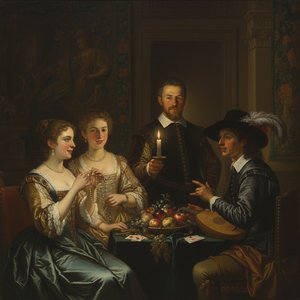
Gerard van Honthorst: Illuminating the Dutch Golden Age with Caravaggism & Courtly Grace
Explore the captivating world of Gerard van Honthorst, a Dutch Golden Age master renowned for his dramatic chiaroscuro & courtly portraits. Discover his life, art, and lasting influence on Baroque painting.

Top 10 Nederlandse Barok Meesterwerken: Kunstgeschiedenis voor uw Interieur
Ontdek de 10 meest iconische meesterwerken van de Nederlandse Barok! Leer over Rembrandt, Vermeer en andere Hollandse meesters. Prachtige reproducties voor uw interieur op OriginalUniqueArt.com – museumkwaliteit kunstprints & decoratie.
