
 Bekijk op ware grootte
 Verstuur
 Delen
Delen
 Details bekijken
 Gids voor studentenkunstwerken

 Download
 Vergelijkbare items
 Röntgenonderzoek
 Diavoorstelling
 Statistieken
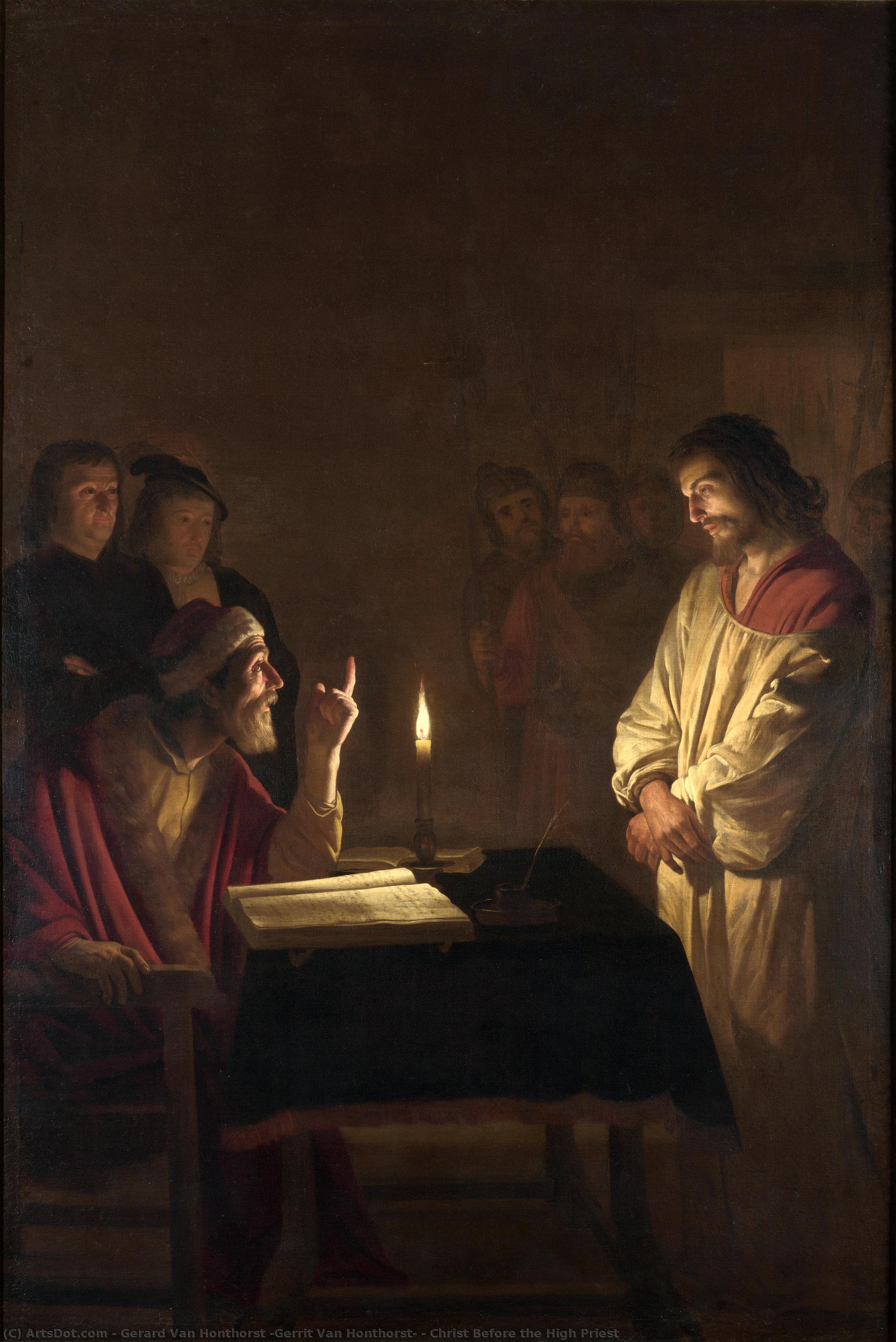
Christ Before the High Priest


 Lees meer
Handgemaakte olieverfreproductie
Met de hand geschilderd in olieverf op canvas in uw gewenste maat en lijst, op bestelling gemaakt door onze kunstenaars. ( Schakel over naar print Schakel over naar digitale afbeeldingen)




P118B €10

P118H €10

P118W €10

P438Z €10

P508JH €12

P508YH €12

P805H €10

P805Z €10

P919BZ €10

P919G €10

P919XJ €10

P959ZH €10

P968JZ €12

W106C €8

W218G €10

W218JH €8

W218Y €10

W307PJ €10

W316G €10

W316PJ €8

W316Y €10

W398PJ €8

W4111J €10

W500HY €15

W500JH €15

W692G €12

W849H €8

W940BG €15

W953PJ €8




Kies uit onze vooraf ingestelde maten die overeenkomen met de originele verhoudingen van het kunstwerk.

Voer de breedte en de hoogte in die u nodig heeft, passend bij uw lijst of uw muur. Dit is handgeschilderd, dus bij een afmeting met een andere vormverhouding kan de kunstenaar iets meer rondom het schilderij schilderen of juist iets meer weglaten — u kiest zelf. Wij sturen u een digitaal mockup ter goedkeuring voordat het schilderwerk begint. De afbeelding die op deze pagina wordt getoond, is niet het uiteindelijke resultaat — alleen de mockup geeft dit weer.
Na de bestelling zal het team van OriginalUniqueArt.com per e-mail contact opnemen met de klant voor instructies en een mockup-voorbeeld sturen.
Wereldwijde levering () binnen 3 tot 4 weken in plaats van de standaard 5 weken. (22 oktober). Zonder concessies aan de kwaliteit.

Gratis wereldwijde expressverzending

Hoogwaardig linnen canvas

Volledige verzendverzekering

Garantie op terugbetaling van invoerrechten

Garantie op exacte kleurweergave

Retourbeleid van 100 dagen (alleen bij defecten)

100% Geld-terug-garantie

Korting bij meerdere afnames
 De optie voor glas is alleen beschikbaar bij een formaat kleiner dan 110 cm.

Christ Before the High Priest
Reproductiemethode
Formaat reproductie
-


Totaalprijs
€ 349
A Dramatic Encounter: Gerard van Honthorst’s “Christ Before the High Priest”
Gerard van Honthorst's "Christ Before the High Priest," painted around 1617, is not merely a biblical scene; it’s a masterclass in Baroque drama and an intimate portrayal of spiritual tension. This oil on canvas, now residing within the hallowed halls of London’s National Gallery, immediately commands attention with its masterful use of chiaroscuro – the dramatic interplay of light and shadow that defines the artist's signature style. Honthorst, deeply influenced by the revolutionary techniques of Caravaggio, transports us to a dimly lit chamber, thick with secrecy and foreboding, where the fate of Jesus hangs precariously in the balance.
The composition is strikingly vertical, drawing the viewer’s eye inexorably towards the central figures: Christ and Caiaphas. The single candle flame, strategically positioned between them, acts as a potent symbol – not just illuminating their faces but also highlighting the chasm separating their perspectives. Jesus, rendered in serene composure, appears almost otherworldly amidst the gathering of shadowy witnesses behind him, suggesting an inner strength and acceptance of his impending destiny. Caiaphas, by contrast, is depicted with forceful gestures and a furrowed brow, embodying the resistance to Christ’s claims and the weight of judgment.
The Baroque Masterstroke: Light, Shadow, and Emotional Intensity
Honthorst's technical prowess is immediately evident in the meticulous detail and rich textures of the painting. The brushstrokes are deliberately visible, creating an impasto effect – a raised surface of paint that adds tactile quality to the scene. The use of linear perspective, while somewhat flattened as is typical of Baroque art, effectively guides the eye through the composition, layering figures and details with subtle precision. Notice how the folds of the drapery, rendered with remarkable realism, seem to ripple and flow, adding depth and movement to the otherwise static scene.
The artist’s deep understanding of light is particularly noteworthy. It's not simply illumination; it’s a carefully orchestrated tool for conveying emotion and highlighting key elements. The stark contrast between the brightly lit faces of Christ and Caiaphas, juxtaposed against the enveloping darkness, amplifies their conflict and underscores the gravity of the moment. This dramatic lighting technique, characteristic of Caravaggio and embraced by Honthorst, is what truly elevates this painting beyond a simple historical depiction.
Symbolism and Spiritual Resonance
Beyond its immediate visual impact, “Christ Before the High Priest” is laden with symbolic meaning. The scroll held by Caiaphas represents Jewish law and prophecy – the very framework within which Jesus’s teachings challenged established norms. The candle itself serves as a powerful emblem of truth and enlightenment, casting a fragile light upon the unfolding drama. The gathering of witnesses in the background speaks to the broader community's role in Christ’s trial and the weight of their collective judgment.
Furthermore, the painting resonates with themes of betrayal, judgment, and divine authority – core tenets of Christian theology. It captures a pivotal moment from scripture, offering viewers an intimate glimpse into the events leading up to Jesus’ crucifixion. The overall mood is one of solemnity, suspense, and profound spiritual significance, inviting contemplation on faith, sacrifice, and the nature of truth.
A Timeless Masterpiece: Reproduction Possibilities
OriginalUniqueArt offers meticulously crafted hand-painted reproductions of Gerard van Honthorst’s “Christ Before the High Priest,” allowing you to bring this iconic Baroque masterpiece into your home or office. Our skilled artists faithfully recreate every detail, from the subtle nuances of light and shadow to the rich textures of the paint, ensuring an authentic representation of this extraordinary work. Whether you're a seasoned art collector, an interior designer seeking to add a touch of historical grandeur, or simply an admirer of Baroque artistry, our reproductions provide a beautiful and accessible way to experience the enduring power of Honthorst’s dramatic vision.
Vragen & Antwoorden
Wat is de aanbevolen afmeting voor de print van "Christ Before the High Priest" door Gerard van Honthorst?
Een reproductie van Large wordt aanbevolen voor "Christ Before the High Priest" door Gerard van Honthorst. De afmetingen kunnen worden aangepast met behoud van de verhoudingen.
Hoe wordt de stemming van "Christ Before the High Priest" door Gerard van Honthorst beschreven?
"Christ Before the High Priest" door Gerard van Honthorst wordt qua stemming beschreven als Dramatic. Deze classificatie kan helpen om het werk te laten aansluiten bij een bepaalde omgeving.
Voor welke ruimte wordt "Christ Before the High Priest" door Gerard van Honthorst aanbevolen?
"Christ Before the High Priest" door Gerard van Honthorst wordt aanbevolen voor een Living Room. Deze suggestie is gebaseerd op het onderwerp, de kleuren en de sfeer van het werk.
Biografie van de kunstenaar
Een leven verlicht: De wereld van Gerard van Honthorst
Gerard van Honthorst, geboren in Utrecht in 1592, was een uitzonderlijk kunstenaar die de Nederlandse Gouden Eeuw met zijn dramatische en lichtrijke schilderingen verrijkte. Zijn jeugd werd gevormd door zijn vader, een decoratieschilder, en onder de begeleiding van Abraham Bloemaert legde hij een stevige basis in techniek en compositie. Maar het was een reis naar Rome die zijn artistieke ontwikkeling radicaal veranderde. Daar, midden in de energieke sfeer van de Italiaanse Barok, ontmoette hij Caravaggio – een ontmoeting die zijn kenmerkende stijl zou definiëren en hem de bijnaam “Gherardo delle Notti” opleverde, ofwel Gerard van de Nachts. De dramatische toepassing van tenebrism, waarbij scherpe contrasten tussen licht en donker werden gebruikt, werd zijn handtekening, waardoor zijn doeken een intense spanning en emotionele diepte kregen. Het was niet zomaar imitatie; Honthorst vertaalde Caravaggio’s innovaties naar een uniek Nederlands perspectief, met de focus op intieme scènes verlicht door kunstmatige lichtbronnen – kaarsen, lampen en vuurplaatsen – waardoor een sfeer ontstond die zowel realistisch als theatralisch was. Deze beheersing van het licht was meer dan alleen technische vaardigheid; het was een manier om karakter te onthullen, de kijker in het emotionele hart van elke scène te trekken.Van Romeinse Glorie naar Nederlandse Meesterschap
Honthorst’s tijd in Rome was gekenmerkt door aanzienlijke erkenning en patronage. Hij won de gunst van de elite van de stad, waaronder Vincenzo Giustiniani, voor wie hij het krachtige “Christ Before the High Priest” schilderde – een werk dat zijn meesterschap over licht en schaduw perfect demonstreert. Deze schilderij, nu te zien in de National Gallery in Londen, toont niet alleen zijn technische bekwaamheid, maar ook zijn vermogen om diepgaande psychologische lagen in zijn figuren weer te geven. Hij versterkte zijn reputatie verder door te werken voor Cosimo II de' Medici, de Groothertog van Toscane, en later voor kardinaal Barberini, de latere paus Urbanus VIII. Deze connecties brachten hem in contact met de meest invloedrijke kunstenaars en intellectuelen van het tijdperk. Honthorst’s stijl evolueerde voortdurend, waarbij hij elementen uit de Italiaanse Barok combineerde met zijn eigen Nederlandse gevoeligheid. Hij was een meester in het creëren van sfeer en emotie, en zijn werken werden vaak gekenmerkt door hun dramatische composities en levendige kleuren.De Utrechtse Caravaggisten
Honthorst behoorde tot de *Utrechtse Caravaggisten*, een groep Nederlandse schilders die zich lieten inspireren door Caravaggio’s radicale realisme en tenebrism. Naast Hendrick ter Brugghen en Dirck van Baburen was hij een sleutelfiguur in deze beweging, die de Italiaanse Barokstijl naar Nederland bracht. Hun werk werd gekenmerkt door een nadruk op genre scènes verlicht door kunstmatige lichtbronnen, hun meesterlijke portretten en hun vermogen om emoties over te brengen door middel van het gebruik van clair-obscur. Honthorst’s focus op intieme scènes, vaak met een dramatische compositie en een sterke nadruk op licht en schaduw, onderscheidde hem van andere Nederlandse schilders van zijn tijd. Hij was niet alleen een imitator; hij ontwikkelde een eigen stijl die uniek was voor hem.Een Courtier en Collaborateur
Na zijn terugkeer naar Utrecht rond 1620 vestigde Honthorst zich snel als een toonaangevende portretschilder in de Nederlandse Republiek. Zijn vermogen om niet alleen fysieke gelijkenis, maar ook karakter en sociale status van zijn onderwerpen vast te leggen, maakte hem zeer gewild bij rijke kooplieden, edelen en zelfs koningen. Hij werd in 1623 president van het Sint-Lucasgilde in Utrecht, een bewijs van zijn toenemende invloed binnen de artistieke gemeenschap. Deze periode was gekenmerkt door een overvloed aan opdrachten, waardoor Honthorst zijn stijl verder kon verfijnen en een eigen stem ontwikkelde binnen de Nederlandse schilderkunst. Hij reisde naar Engeland om te werken voor koning Karel I en Lord Dorchester, en werkte samen met andere kunstenaars zoals Peter Paul Rubens. Deze samenwerkingen waren niet alleen bedoeld om de werkdruk te verlichten; ze waren intellectuele uitwisselingen die de artistieke wereld rijkder maakten.Erfgoed en de Utrechtse Caravaggisten
Gerard van Honthorst’s invloed reikte verder dan zijn leven. Hij was een sleutelfiguur in de *Utrechtse Caravaggisten* beweging – een groep Nederlandse schilders die zich lieten inspireren door Caravaggio’s dramatische realisme en tenebrism. Naast Hendrick ter Brugghen en Dirck van Baburen was hij een belangrijke vertegenwoordiger van deze stroming, die de Italiaanse Barokstijl naar Nederland bracht. Zijn nadruk op genre scènes verlicht door kunstmatige lichtbronnen, zijn meesterlijke portretten en zijn vermogen om emoties over te brengen door middel van het gebruik van clair-obscur hebben een blijvende stempel gedrukt op de ontwikkeling van de Nederlandse Gouden Eeuw schilderkunst. Zijn werk blijft vandaag de dag publiek worden gewaardeerd, en zijn dramatische schoonheid en psychologische diepgang blijven tijdloze kwaliteiten. Hij overleed in Utrecht in 1656, waarbij hij een oeuvre achterliet dat de artistieke wereld nog steeds verrijkt en ons herinnert aan de kracht van licht en schaduw om de menselijke conditie te onthullen.
Gerard van Honthorst
1590 - 1656 , Nederland
Snelle feiten
- Artistic Movement Or Style: Barok, Caravaggisme
- Artists Or Movements Influenced By This Artist: ['Utrechtse Caravaggisten']
- Artists Who Influenced This Artist: ['Caravaggio']
- Date Of Birth: 4 november 1592
- Date Of Death: 27 april 1656
- Full Name: Gerard Hermansz. van Honthorst
- Nationality: Nederlands
- Notable Artworks: ['Christ in de Olijf']
- Place Of Birth: Utrecht, Nederland
Gerelateerde artikelen
Gerard van Honthorst: Illuminating the Dutch Golden Age with Caravaggism & Courtly Grace
Explore the captivating world of Gerard van Honthorst, a Dutch Golden Age master renowned for his dramatic chiaroscuro & courtly portraits. Discover his life, art, and lasting influence on Baroque painting.

Top 10 Nederlandse Barok Meesterwerken: Kunstgeschiedenis voor uw Interieur
Ontdek de 10 meest iconische meesterwerken van de Nederlandse Barok! Leer over Rembrandt, Vermeer en andere Hollandse meesters. Prachtige reproducties voor uw interieur op OriginalUniqueArt.com – museumkwaliteit kunstprints & decoratie.
Baroque Drama: Mastering Chiaroscuro and High-Impact Intensity for Luxury Interiors
Elevate your space with the dramatic intensity of Baroque art. Discover how to use chiaroscuro, deep shadows, and high-impact lighting to transform modern luxury interiors into cinematic masterpieces through expert curation and custom hand-painted reproductions.

Rembrandt's Meesterwerken: De Top 25 – Kunst voor uw Interieur | OriginalUniqueArt
Ontdek de 25 meest iconische schilderijen van Rembrandt van Rijn! Duik in de Gouden Eeuw, bewonder zijn portretten & zelfportretten. Museumkwaliteit reproducties voor uw interieur op OriginalUniqueArt.com. Bekijk de collectie!

Top 10 Meesterwerken van de Vroege Nederlandse Schilderkunst | OriginalUniqueArt
Ontdek de 10 meesterwerken van Jan van Eyck, Rogier van der Weyden & andere Vlaamse Primitieven. Duik in de rijke symboliek en olieverfschilderijen van de Vroege Nederlandse Schilderkunst. Vind museumkwaliteit reproducties op OriginalUniqueArt.com!
