

 Bekijk op ware grootte
 Verstuur
 Delen
Delen
 Details bekijken
 Gids voor studentenkunstwerken

 Download
 Vergelijkbare items
 Röntgenonderzoek
 Diavoorstelling
 Statistieken
The Picnic


 Lees meer
Handgemaakte olieverfreproductie
Met de hand geschilderd in olieverf op canvas in uw gewenste maat en lijst, op bestelling gemaakt door onze kunstenaars. ( Schakel over naar print Schakel over naar digitale afbeeldingen)




P118B €10

P118H €10

P118W €10

P438Z €10

P508JH €12

P508YH €12

P805H €10

P805Z €10

P919BZ €10

P919G €10

P919XJ €10

P959ZH €10

P968JZ €12

W106C €8

W218G €10

W218JH €8

W218Y €10

W307PJ €10

W316G €10

W316PJ €8

W316Y €10

W398PJ €8

W4111J €10

W500HY €15

W500JH €15

W692G €12

W849H €8

W940BG €15

W953PJ €8




Kies uit onze vooraf ingestelde maten die overeenkomen met de originele verhoudingen van het kunstwerk.

U kunt uw eigen afmetingen invoeren om in een specifieke lijst of ruimte te passen. Als de door u gekozen maat niet overeenkomt met de verhoudingen van het originele beeld, zullen we het kunstwerk bijsnijden of het schilderij uitbreiden met extra handgeschilderde elementen. Een digitale mockup wordt ter goedkeuring naar u verzonden voordat de productie begint.
Houd er rekening mee dat de preview op het scherm niet de werkelijke uitsnede of uitbreiding weergeeft. Alleen de mockup toont de uiteindelijke compositie nauwkeurig.
Hoewel aangepaste afmetingen mogelijk zijn, raden we aan een maat uit de vooraf gedefinieerde lijst te selecteren om de originele verhoudingen te behouden.
Na de bestelling zal het team van OriginalUniqueArt.com per e-mail contact opnemen met de klant voor instructies en een mockup-voorbeeld sturen.
Wereldwijde levering () binnen 3 tot 4 weken in plaats van de standaard 5 weken. (13 oktober). Zonder concessies aan de kwaliteit.

Gratis wereldwijde expressverzending

Hoogwaardig linnen canvas

Volledige verzendverzekering

Garantie op terugbetaling van invoerrechten

Garantie op exacte kleurweergave

Retourbeleid van 100 dagen (alleen bij defecten)

100% Geld-terug-garantie

Korting bij meerdere afnames
 De optie voor glas is alleen beschikbaar bij een formaat kleiner dan 110 cm.

The Picnic
Reproductiemethode
Formaat reproductie
-


Totaalprijs
€ 259
A Symphony of Leisure: The Vibrant World of George Bellows
In the golden light of 1924, George Wesley Bellows captured more than just a landscape; he froze a heartbeat of American life in his masterpiece, "The Picnic." This evocative oil on canvas serves as a breathtaking window into the burgeoning leisure culture of the Jazz Age, offering a moment of serene yet dynamic joy. As the eye wanders across the shimmering lake and toward the majestic, distant mountains, one is immediately struck by the palpable energy radiating from the scene. It is an invitation to step into a world where the stresses of urban modernity fade, replaced by the simple, profound pleasure of a summer afternoon spent in the company of loved ones.
The composition is anchored by a central, graceful figure—a woman standing near the water's edge, delicately lifting her dress to protect it from the encroaching tide. This small, human gesture provides a focal point of intimacy amidst the expansive scenery. Around her, the shore teems with life; figures are scattered across the landscape, some engaged in quiet conversation and others lost in the beauty of the surroundings. Even the natural world participates in this lively tableau, with birds dancing through the air and perching upon sun-drenched rocks, creating a sense of a living, breathing ecosystem where every element is imbued with vitality.
The Mastery of Dynamic Realism
To behold "The Picnic" is to witness Bellows at the height of his dynamic realism. Moving away from the stiff, meticulous traditions of academic painting, Bellows utilized a flattened perspective and bold, thick brushstrokes to create an immersive sensory experience. His technique does not merely represent light; it mimics its movement. The way the sunlight dances upon the lake's surface is achieved through a masterful application of paint that gives the water a rhythmic, undulating quality. This physicality is a hallmark of Bellows’ style, likely influenced by his own background as an accomplished athlete.
The artist employs diagonal lines with expert precision, guiding the viewer’s gaze in a sweeping motion across the canvas. These lines do more than provide structure; they inject a sense of momentum into the landscape, ensuring that even the most tranquil parts of the painting feel charged with potential energy. For the collector or interior designer, this technique offers a unique advantage: the painting possesses an inherent movement that can breathe life into a room, acting as a focal point that commands attention without overwhelming the space.
A Timeless Reflection of the American Spirit
Beyond its aesthetic brilliance, "The Picnic" carries deep historical resonance. Painted during a period of unprecedented social mobility in the United States, the work reflects the rise of the middle class and their newfound access to recreational escapes. It captures the essence of an era transitioning from the grit of the industrial age toward a more celebratory, outward-looking society. There is a subtle social commentary woven into the brushwork—a celebration of the democratization of beauty and the shared human experience of nature.
For those seeking to adorn their homes with art that inspires, this reproduction offers much more than decoration. It provides an emotional sanctuary. The painting evokes feelings of nostalgia, warmth, and a deep-seated longing for connection with the natural world. Whether placed in a sunlit living area or a sophisticated study, "The Picnic" serves as a constant reminder of life's most beautiful, unhurried moments, making it an exquisite choice for anyone looking to infuse their environment with elegance, history, and soul.
Vragen & Antwoorden
Waarvoor wordt het gebruik van "The Picnic" door George Wesley Bellows aanbevolen?
Het voorgestelde gebruik voor "The Picnic" door George Wesley Bellows is Accent. Het kan ook voor andere doeleinden dienen.
Uit welk land komt het Contemporary Realism werk "The Picnic"?
Het Contemporary Realism-werk "The Picnic" werd gemaakt door een kunstenaar die werd geboren in Verenigde Staten van Amerika.
Welke emotie straalt het Contemporary Realism-werk "The Picnic" uit?
Binnen de Contemporary Realism-stroming is "The Picnic" vastgelegd met een Nostalgic toon.
In welke periode van de carrière van George Wesley Bellows valt "The Picnic"?
"The Picnic" vertegenwoordigt de Mature Period van George Wesley Bellows.
Waar kan ik een handgeschilderde reproductie van "The Picnic" door George Wesley Bellows kopen?
Met de handgeschilderde reproducties van "The Picnic" door George Wesley Bellows kunt u terecht op deze website: een met de hand geschilderde olieverfreproductie op linnen canvas, te bestellen via deze pagina.
Zijn de kleuren van "The Picnic" door George Wesley Bellows verzadigd of gedempt?
Het kleurenpalet van "The Picnic" heeft een verzadiging van Balanced Soft.
Wat zijn de datum en de stijl van "The Picnic" door George Wesley Bellows?
"The Picnic" door George Wesley Bellows dateert uit 1924 en behoort tot de Contemporary Realism.
In welke fase van de carrière van George Wesley Bellows behoort "The Picnic" (1924)?
De datum uit 1924 plaatst "The Picnic" in de Mature Period van de ontwikkeling van George Wesley Bellows.
Biografie van de kunstenaar
A Bold Vision of American Life: The World of George Bellows
George Wesley Bellows, a name inextricably linked to the vibrant energy and burgeoning modernity of early 20th-century America, stands as a pivotal figure in realist painting. Born in Columbus, Ohio, on August 12 or 19, 1882, his journey from athletic promise to artistic renown is a testament to an unwavering passion and remarkable dedication. Even before formal schooling, young George displayed an innate talent for drawing, filling notebooks with sketches that hinted at the keen observational skills and burgeoning artistry within him. His upbringing wasn’t solely defined by art; he excelled in sports – both baseball and basketball – at Ohio State University – a duality that profoundly shaped his artistic perspective, imbuing his work with a palpable sense of dynamic movement and physicality. This athletic background instilled not only discipline but also an appreciation for the human form in action, a recurring theme throughout his most celebrated paintings. He ultimately left university before graduating, driven by an irresistible pull towards New York City and the promise of artistic training.Forging a Path: The Ashcan School and Beyond
Arriving in New York in 1904, Bellows quickly found mentorship under Robert Henri, a leading figure of the Ashcan School. This group of artists – including John Sloan, William Glackens, and George Luks – deliberately rejected the rigid conventions of academic art, instead choosing to depict the gritty realities of urban life: crowded tenements, bustling streets, and the everyday struggles of working-class Americans. Bellows wholeheartedly embraced this ethos, initially mirroring Henri’s loose brushwork and commitment to social realism. However, he wasn't content merely replicating his teacher’s style; he possessed a burning ambition to forge his own distinct artistic voice. He established a studio with fellow artist Edward Keefe in 1906, marking the beginning of a prolific period of experimentation and self-discovery. His early works, often exhibited alongside those of his peers, were met with mixed reactions – some critics lauded their boldness and innovation, while others found them crude or unsettling. Bellows’s subject matter was frequently controversial for its time, challenging prevailing notions of what constituted “acceptable” art. He didn't shy away from portraying the less glamorous aspects of city life, capturing scenes of poverty, labor, and leisure with unflinching honesty.The Arena of Life: Boxing and Urban Spectacle
While Bellows’s oeuvre encompassed a diverse range of subjects – portraits, landscapes, seascapes – he is perhaps most renowned for his powerful depictions of boxing matches. These weren't simply sporting events to him; they were microcosms of human drama, embodying themes of struggle, resilience, and the primal instincts that drive competition. He became a regular visitor to smoky boxing clubs, meticulously studying the movements of fighters, their intense gazes, and the raw energy of the crowd. Paintings like *Both Members of This Club* (1909) and *Stag at Sharkey’s* (1909) are masterful examples of his ability to capture this atmosphere, utilizing dramatic lighting, dynamic compositions, and a palpable sense of tension. The boxing scenes weren't merely about the sport itself; they were metaphors for life’s battles, reflecting the social Darwinism prevalent in American society at the time. Beyond boxing, Bellows also found inspiration in other spectacles of urban life – parades, circuses, and crowded streets – all offering opportunities to explore themes of movement, energy, and the collective experience.Evolving Style and Lasting Legacy
As Bellows matured as an artist, his style underwent a subtle but significant evolution. While he retained his commitment to realism, he began to move away from the loose brushwork of his early years, adopting a more stylized aesthetic characterized by smoother curves, monumental forms, and a heightened sense of drama. This shift is evident in later works like *Dempsey and Firpo* (1924), a monumental canvas capturing the climactic moment of a legendary boxing match with breathtaking intensity. He also experimented with lithography, producing a series of striking prints that showcased his mastery of line and tone. Despite achieving considerable success during his lifetime – including election to the National Academy of Design in 1913 – Bellows remained committed to pushing artistic boundaries and challenging conventional norms. His untimely death in 1925 at the age of 42 cut short a promising career, but his legacy endures as one of America’s most important realist painters. *His paintings continue to resonate with audiences today*, offering a powerful and unflinching portrait of American life in the early 20th century – a world brimming with energy, conflict, and the enduring spirit of humanity. His influence can be seen in subsequent generations of artists who sought to capture the dynamism and complexity of modern urban experience.Major Works & Recognition
- *Both Members of This Club* (1909) – A seminal work capturing the atmosphere of a boxing club.
- *Stag at Sharkey’s* (1909) – Another iconic depiction of a boxing match, renowned for its dramatic lighting and composition.
- *Men of the Docks* (1912) – A powerful portrayal of working-class laborers, showcasing Bellows's skill in capturing physicality and texture.
- *The Germans Arrive* (1918) – A series of lithographs depicting the atrocities committed during World War I, demonstrating his engagement with social and political issues.
- *Dempsey and Firpo* (1924) – A monumental canvas capturing a pivotal moment in boxing history, showcasing Bellows’s evolved style and mastery of composition.
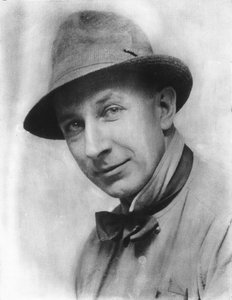
George Wesley Bellows
1882 - 1925 , Verenigde Staten van Amerika
Snelle feiten
- Artistic Movement Or Style: Realisme, Ashcan School
- Artists Or Movements Influenced By This Artist: ['Henri']
- Artists Who Influenced This Artist: ['Robert Henri']
- Date Of Birth: 1882
- Date Of Death: 1925
- Full Name: George Wesley Bellows
- Nationality: Amerikaans
- Notable Artworks:
- Both Members
- Stag Sharkey's
- Men Docks
- Place Of Birth: Columbus, USA
Gerelateerde artikelen

OriginalUniqueArt.com F.A.Q.: Elevate Your Decor with Premium Textured Giclée Prints
Discover the distinction of OriginalUniqueArt.com premium textured Giclée prints. Expertly crafted with archival 12-color pigments and museum-grade substrates, our prints offer unparalleled vividness for the discerning collector seeking luxury, durability, and timeless elegance.
