

 Voorvertoning
 Verstuur
 Delen
Delen
 Details bekijken
 Gids
Gids

 Download
 Vergelijkbare items
 Röntgenonderzoek
 Diavoorstelling
 Q&A
Q&A Statistieken
The Germans Arrive


 Lees meer
Ontvang een bestand dat klaar is voor drukwerk en de kwaliteit van het online voorbeeld ver overstijgt. Elke digitale afbeelding die wij verkopen, is afkomstig van een high-resolution master uit onze database — meestal tussen de 5.000 en 15.000 pixels breed — zodat u met vertrouwen groot kunt afdrukken, nauwkeurig kunt bijsnijden of fijne details kunt reproduceren.
Geen enkel bestand verlaat ons atelier onbewerkt. Een digitaal expert controleert de kleuren aan de hand van het originele schilderij en corrigeert deze indien nodig, om vervolgens de helderheid en details te verbeteren met professionele retoucheertechnieken — waarbij de penseelstreek en stijl van de kunstenaar altijd strikt worden gerespecteerd. Het resultaat is een afbeelding die oogt als het schilderij zelf, en niet als een gescande foto met een filter.
U keurt de afbeelding goed voordat de bestelling wordt afgerond: onze expert stuurt u binnen 72 uur een e-mail ter beoordeling. Niet tevreden? Vraag om aanpassingen of correcties, of vraag een terugbetaling aan als de kwaliteit niet aan de verwachtingen voldoet.
Dit is de kwaliteit waarop uitgevers, designstudio's, galeries en drukkerijen vertrouwen.
Digitale afbeeldingen
Download een bestand met hoge resolutie voor persoonlijke weergave, afdrukken en creatieve projecten. ( Schakel over naar print Bestel handgeschilderde reproductie)
Inbegrepen bij elke bestelling van een digitale afbeelding
Professionele digitale levering, gegarandeerd
Wanneer u kiest voor OriginalUniqueArt.com, ontvangt u niet alleen een afbeelding – u krijgt een professioneel verbeterd digitaal kunstwerk, met precisie vervaardigd en voorzien van een tevredenheidsgarantie. Dit is alles wat automatisch bij uw bestelling is inbegrepen:

Snelle levering per e-mail
Uw hoogwaardige digitale afbeeldingsbestand wordt binnen 72 uur na bestelling naar u gemaild – klaar voor direct gebruik.

AI-verbeterd digitaal bestand
Uw kunstwerk wordt professioneel geoptimaliseerd met behulp van geavanceerde AI-tools en handmatige bewerkingen, waardoor maximale details, helderheid en kleurnauwkeurigheid worden gegarandeerd.

Gratis levenslange herlevering van digitale bestanden
Je bestand per ongeluk verwijderd of kwijtgeraakt? Geen zorgen – we sturen het u op elk gewenst moment gratis opnieuw toe.

Geen invoerkosten – nooit
Geniet direct van uw kunstwerk zonder invoerrechten, belastingen of verzendkosten – digitale downloads zijn altijd belastingvrij.

Garantie op kleurgetrouwheid
Met behulp van professionele hulpmiddelen en kleurbeheer zorgen wij ervoor dat uw digitale afbeelding de originele kleuren zo nauwkeurig mogelijk weergeeft.

100 dagen tevredenheidsgarantie
Mocht u niet tevreden zijn met uw digitale afbeelding, dan passen wij deze aan of storten wij 100% terug binnen 100 dagen – zonder vragen te stellen.

100% Geld-terug-garantie
Niet tevreden? Ontvang een volledige terugbetaling binnen 100 dagen na ontvangst van uw digitale bestand – zonder vragen te stellen.

Korting bij grote bestellingen
Koop 3 afbeeldingen, bespaar 10% - Koop 5, bespaar 15% - Koop 10+, bespaar 20%. Ideaal voor creatieve projecten, galerieën en bureaus.
The Raw Edge of War: Bellows’ “The Germans Arrive”
George Wesley Bellows' "The Germans Arrive," painted in 1918, isn’t merely a depiction of a battlefield; it’s a visceral plunge into the heart of World War I’s brutal reality. Captured during a period of immense national upheaval and fueled by the anxieties of a rapidly changing world, the painting confronts viewers with an unsettling honesty rarely found in historical art. Bellows, already a rising star within the Ashcan School movement – known for its unflinching portrayal of urban life – here shifts his focus to the horrors unfolding on European fronts. The scene is chaotic and claustrophobic, dominated by a tangle of bodies locked in a desperate struggle. It’s not a heroic narrative of valor or patriotic fervor; instead, it's a stark tableau of violence, exhaustion, and the utter dehumanization inherent in war. Bellows masterfully utilizes a limited palette of earthy browns, grays, and muddy greens to evoke the grime and despair of the trenches – a deliberate choice that underscores the painting’s grim subject matter. The composition itself is deliberately unsettling, with figures collapsing upon one another, creating a sense of overwhelming density and inescapable conflict.A Study in Dynamic Realism: Bellows' Technique
Bellows’ distinctive style shines through in “The Germans Arrive” – a potent blend of realism and dynamic energy. He eschews idealized forms or romanticized depictions of combat, opting instead for a brutally honest portrayal of the soldiers involved. The figures are rendered with a remarkable attention to detail, capturing not just their physical appearance but also the strain etched on their faces and the desperate tension in their postures. His brushwork is loose and expressive, characterized by bold, visible strokes that convey movement and immediacy. Notice how he uses short, choppy lines to depict the frantic action of the fighting, contrasting sharply with the smoother, more controlled application of paint used for the background elements. This technique creates a powerful sense of visual rhythm, pulling the viewer directly into the heart of the conflict. Bellows’ use of light and shadow is equally effective, highlighting key figures and emphasizing the overall atmosphere of darkness and uncertainty. The painting's almost frenetic energy reflects Bellows' own fascination with movement – an influence undoubtedly stemming from his background as a competitive athlete.Contextualizing Conflict: The Shadow of the Great War
“The Germans Arrive” must be understood within the context of World War I, a conflict that fundamentally reshaped Europe and left an indelible mark on the 20th century. The painting emerged during a period of intense nationalistic fervor and widespread propaganda, yet Bellows resists simplistic narratives of good versus evil. He presents a fragmented, ambiguous scene – a collection of anonymous soldiers locked in a desperate struggle with no clear victor or vanquished. The inclusion of figures from multiple nationalities within the melee underscores the universal nature of war’s devastation. Furthermore, the painting reflects the growing disillusionment felt by many artists and intellectuals following the war's end. Bellows’ unflinching portrayal of violence challenged conventional notions of heroism and exposed the dark underbelly of modern warfare. The reference to the Volga Germans, a significant minority group within Russia who were forcibly relocated during the conflict, adds another layer of complexity to the painting’s narrative – highlighting the displacement and suffering experienced by countless individuals as a result of the war.Symbolism and Emotional Resonance: A Portrait of Despair
Beyond its immediate depiction of combat, “The Germans Arrive” is laden with symbolic meaning. The tangled bodies represent not just physical wounds but also the shattered lives and broken dreams of those caught in the crossfire. The muddy ground beneath them symbolizes the moral decay and spiritual emptiness that war engenders. Even the seemingly random arrangement of figures suggests a deeper, more unsettling truth – that war is ultimately an irrational and senseless act of destruction. The painting evokes a profound sense of despair and hopelessness, yet it also possesses a strange beauty in its raw honesty. It’s a testament to Bellows' ability to capture not just the outward appearance of violence but also the underlying emotional turmoil it creates. The viewer is left with a lingering feeling of unease – a reminder of the human cost of conflict and the enduring legacy of war. This reproduction offers a powerful window into this pivotal moment in history, inviting contemplation on themes of loss, resilience, and the dark side of humanity.Veelgestelde vragen
Welke stemming en emotie komen samen in "The Germans Arrive"?
"The Germans Arrive" door George Wesley Bellows roept een Somber gevoel op binnen een algeheel Dramatic stemmigheid.
Waar komen de bezoekers van "The Germans Arrive" door George Wesley Bellows vandaan?
Er bestaat een Statistieken-pagina voor "The Germans Arrive". Deze brengt de maandelijkse bezoeken aan het kunstwerk en andere werken van de kunstenaar in kaart, met uitsplitsingen naar land en taal.
Wat is de dominante kleur in "The Germans Arrive" door George Wesley Bellows?
De dominante kleur van "The Germans Arrive" door George Wesley Bellows is Green to Violet Spectrum. Deze kleur vormt de onderliggende toon van het palet.
Kunstenaarsbiografie
A Bold Vision of American Life: The World of George Bellows
George Wesley Bellows, a name inextricably linked to the vibrant energy and burgeoning modernity of early 20th-century America, stands as a pivotal figure in realist painting. Born in Columbus, Ohio, on August 12 or 19, 1882, his journey from athletic promise to artistic renown is a testament to an unwavering passion and remarkable dedication. Even before formal schooling, young George displayed an innate talent for drawing, filling notebooks with sketches that hinted at the keen observational skills and burgeoning artistry within him. His upbringing wasn’t solely defined by art; he excelled in sports – both baseball and basketball – at Ohio State University – a duality that profoundly shaped his artistic perspective, imbuing his work with a palpable sense of dynamic movement and physicality. This athletic background instilled not only discipline but also an appreciation for the human form in action, a recurring theme throughout his most celebrated paintings. He ultimately left university before graduating, driven by an irresistible pull towards New York City and the promise of artistic training.Forging a Path: The Ashcan School and Beyond
Arriving in New York in 1904, Bellows quickly found mentorship under Robert Henri, a leading figure of the Ashcan School. This group of artists – including John Sloan, William Glackens, and George Luks – deliberately rejected the rigid conventions of academic art, instead choosing to depict the gritty realities of urban life: crowded tenements, bustling streets, and the everyday struggles of working-class Americans. Bellows wholeheartedly embraced this ethos, initially mirroring Henri’s loose brushwork and commitment to social realism. However, he wasn't content merely replicating his teacher’s style; he possessed a burning ambition to forge his own distinct artistic voice. He established a studio with fellow artist Edward Keefe in 1906, marking the beginning of a prolific period of experimentation and self-discovery. His early works, often exhibited alongside those of his peers, were met with mixed reactions – some critics lauded their boldness and innovation, while others found them crude or unsettling. Bellows’s subject matter was frequently controversial for its time, challenging prevailing notions of what constituted “acceptable” art. He didn't shy away from portraying the less glamorous aspects of city life, capturing scenes of poverty, labor, and leisure with unflinching honesty.The Arena of Life: Boxing and Urban Spectacle
While Bellows’s oeuvre encompassed a diverse range of subjects – portraits, landscapes, seascapes – he is perhaps most renowned for his powerful depictions of boxing matches. These weren't simply sporting events to him; they were microcosms of human drama, embodying themes of struggle, resilience, and the primal instincts that drive competition. He became a regular visitor to smoky boxing clubs, meticulously studying the movements of fighters, their intense gazes, and the raw energy of the crowd. Paintings like *Both Members of This Club* (1909) and *Stag at Sharkey’s* (1909) are masterful examples of his ability to capture this atmosphere, utilizing dramatic lighting, dynamic compositions, and a palpable sense of tension. The boxing scenes weren't merely about the sport itself; they were metaphors for life’s battles, reflecting the social Darwinism prevalent in American society at the time. Beyond boxing, Bellows also found inspiration in other spectacles of urban life – parades, circuses, and crowded streets – all offering opportunities to explore themes of movement, energy, and the collective experience.Evolving Style and Lasting Legacy
As Bellows matured as an artist, his style underwent a subtle but significant evolution. While he retained his commitment to realism, he began to move away from the loose brushwork of his early years, adopting a more stylized aesthetic characterized by smoother curves, monumental forms, and a heightened sense of drama. This shift is evident in later works like *Dempsey and Firpo* (1924), a monumental canvas capturing the climactic moment of a legendary boxing match with breathtaking intensity. He also experimented with lithography, producing a series of striking prints that showcased his mastery of line and tone. Despite achieving considerable success during his lifetime – including election to the National Academy of Design in 1913 – Bellows remained committed to pushing artistic boundaries and challenging conventional norms. His untimely death in 1925 at the age of 42 cut short a promising career, but his legacy endures as one of America’s most important realist painters. *His paintings continue to resonate with audiences today*, offering a powerful and unflinching portrait of American life in the early 20th century – a world brimming with energy, conflict, and the enduring spirit of humanity. His influence can be seen in subsequent generations of artists who sought to capture the dynamism and complexity of modern urban experience.Major Works & Recognition
- *Both Members of This Club* (1909) – A seminal work capturing the atmosphere of a boxing club.
- *Stag at Sharkey’s* (1909) – Another iconic depiction of a boxing match, renowned for its dramatic lighting and composition.
- *Men of the Docks* (1912) – A powerful portrayal of working-class laborers, showcasing Bellows's skill in capturing physicality and texture.
- *The Germans Arrive* (1918) – A series of lithographs depicting the atrocities committed during World War I, demonstrating his engagement with social and political issues.
- *Dempsey and Firpo* (1924) – A monumental canvas capturing a pivotal moment in boxing history, showcasing Bellows’s evolved style and mastery of composition.
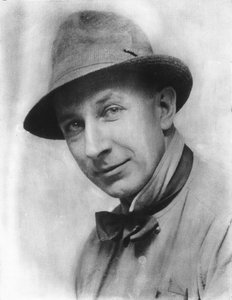
George Wesley Bellows
1882 - 1925 , Verenigde Staten van Amerika
Belangrijkste feiten
- Artistic Movement Or Style: Realisme, Ashcan School
- Artists Or Movements Influenced By This Artist: ['Henri']
- Artists Who Influenced This Artist: ['Robert Henri']
- Date Of Birth: 1882
- Date Of Death: 1925
- Full Name: George Wesley Bellows
- Nationality: Amerikaans
- Notable Artworks:
- Both Members
- Stag Sharkey's
- Men Docks
- Place Of Birth: Columbus, USA