

 Voorvertoning
 Verstuur
 Delen
Delen
 Details bekijken

 Download
 Vergelijkbare items
 Röntgenonderzoek
 Diavoorstelling
Ringside Seats
 Oil On Canvas
- WallArt
- Contemporary Realism
 1924
1924- Modern
 151.0 x 166.0 cm
 Lees meer
Handgemaakte olieverfreproductie
Met de hand geschilderd in olieverf op canvas in uw gewenste maat en lijst, op bestelling gemaakt door onze kunstenaars. ( Bestel print Koop afbeelding)




P118B $10

P118H $10

P118W $10

P438Z $10

P508JH $12

P508YH $12

P805H $10

P805Z $10

P919BZ $10

P919G $10

P919XJ $10

P959ZH $10

P968JZ $12

W106C $8

W218G $10

W218JH $8

W218Y $10

W307PJ $10

W316G $10

W316PJ $8

W316Y $10

W398PJ $8

W4111J $10

W500HY $15

W500JH $15

W692G $12

W849H $8

W940BG $15

W953PJ $8




Kies uit onze vooraf ingestelde maten die overeenkomen met de originele verhoudingen van het kunstwerk.

U kunt uw eigen afmetingen invoeren om in een specifieke lijst of ruimte te passen. Als de door u gekozen maat niet overeenkomt met de verhoudingen van het originele beeld, zullen we het kunstwerk bijsnijden of het schilderij uitbreiden met extra handgeschilderde elementen. Een digitale mockup wordt ter goedkeuring naar u verzonden voordat de productie begint.
Houd er rekening mee dat de preview op het scherm niet de werkelijke uitsnede of uitbreiding weergeeft. Alleen de mockup toont de uiteindelijke compositie nauwkeurig.
Hoewel aangepaste afmetingen mogelijk zijn, raden we aan een maat uit de vooraf gedefinieerde lijst te selecteren om de originele verhoudingen te behouden.
Na de bestelling zal het team van OriginalUniqueArt.com per e-mail contact opnemen met de klant voor instructies en een mockup-voorbeeld sturen.
Wereldwijde levering () binnen 3 tot 4 weken in plaats van de standaard 5 weken. (21 augustus). Zonder concessies aan de kwaliteit.

Gratis wereldwijde expressverzending

Hoogwaardig linnen canvas

Volledige verzendverzekering

Garantie op terugbetaling van invoerrechten

Garantie op exacte kleurweergave

Retourbeleid van 60 dagen (alleen bij defecten)

100% Geld-terug-garantie

Korting bij meerdere afnames
 De optie voor glas is alleen beschikbaar bij een formaat kleiner dan 110 cm.

Ringside Seats
Druktechniek
Afmetingen reproductie
-


Eindtotaal
$ 575
Beschrijving kunstwerk
The Raw Pulse of the Ring
In the heart of the early twentieth century, amidst the grit and burgeoning energy of New York City, George Wesley Bellows captured a moment of pure, unadulterated tension in his 1924 masterpiece, Ringside Seats. This dramatic oil painting serves as more than just a depiction of a boxing match; it is a visceral window into the soul of the Ashcan School. The composition pulls the viewer directly into the fray, placing us at the very edge of the canvas where the sweat and struggle are almost palpable. Through a masterful use of chiaroscroll lighting, Bellows illuminates the central combatants with a singular, piercing spotlight, leaving the surrounding crowd to emerge from a heavy, atmospheric shadow. This technique creates an intense sense of immediacy, as if the viewer is holding their breath alongside the spectators, waiting for the next decisive blow to land.
The artistry of Bellows lies in his ability to blend the athletic precision of his own background with a profound painterly texture. Having been a skilled athlete himself, he understood the mechanics of movement and the physical toll of competition. In Ringside Seats, this knowledge translates into a technique where thick, layered brushwork lends a rugged, organic quality to the human forms. The palette is a somber yet warm arrangement of deep browns, burnished golds, and striking reds, evoking the smoky, heated atmosphere of a historical boxing arena. Every stroke contributes to a sense of weight and substance, making the canvas feel less like a flat image and more like a living, breathing stage of human endurance.
A Symphony of Light and Shadow
Beyond the physical action, the painting explores deep-seated themes of masculinity, social observation, and the spectacle of violence. The ring acts as a geometric sanctuary of conflict, surrounded by a sea of faces that represent the diverse social strata of the era. There is a fascinating duality in the work: while the subject matter focuses on the primal struggle within the ropes, the composition invites a more detached, sociological gaze. We are observers of a ritualized combat, witnessing the intersection of sport and entertainment. The way the light falls upon the fighters' bodies highlights the musculature and the strain of effort, turning the boxers into sculptural figures that embody the very essence of grit and determination.
For the discerning collector or interior designer, Ringside Seats offers a profound emotional resonance that transcends its historical period. It is a piece that commands attention through its dramatic contrast and narrative depth. Whether placed in a sophisticated study, a modern gallery space, or a curated living area, this reproduction brings a sense of historical gravity and cinematic drama to any environment. It serves as a conversation piece that celebrates the beauty found in struggle and the enduring power of the human spirit under pressure. To possess such a work is to hold a fragment of American realism, capturing a time when the world was moving with a new, restless, and unstoppable momentum.
Biografie van de kunstenaar
A Bold Vision of American Life: The World of George Bellows
George Wesley Bellows, a name inextricably linked to the vibrant energy and burgeoning modernity of early 20th-century America, stands as a pivotal figure in realist painting. Born in Columbus, Ohio, on August 12 or 19, 1882, his journey from athletic promise to artistic renown is a testament to an unwavering passion and remarkable dedication. Even before formal schooling, young George displayed an innate talent for drawing, filling notebooks with sketches that hinted at the keen observational skills and burgeoning artistry within him. His upbringing wasn’t solely defined by art; he excelled in sports – both baseball and basketball – at Ohio State University – a duality that profoundly shaped his artistic perspective, imbuing his work with a palpable sense of dynamic movement and physicality. This athletic background instilled not only discipline but also an appreciation for the human form in action, a recurring theme throughout his most celebrated paintings. He ultimately left university before graduating, driven by an irresistible pull towards New York City and the promise of artistic training.Forging a Path: The Ashcan School and Beyond
Arriving in New York in 1904, Bellows quickly found mentorship under Robert Henri, a leading figure of the Ashcan School. This group of artists – including John Sloan, William Glackens, and George Luks – deliberately rejected the rigid conventions of academic art, instead choosing to depict the gritty realities of urban life: crowded tenements, bustling streets, and the everyday struggles of working-class Americans. Bellows wholeheartedly embraced this ethos, initially mirroring Henri’s loose brushwork and commitment to social realism. However, he wasn't content merely replicating his teacher’s style; he possessed a burning ambition to forge his own distinct artistic voice. He established a studio with fellow artist Edward Keefe in 1906, marking the beginning of a prolific period of experimentation and self-discovery. His early works, often exhibited alongside those of his peers, were met with mixed reactions – some critics lauded their boldness and innovation, while others found them crude or unsettling. Bellows’s subject matter was frequently controversial for its time, challenging prevailing notions of what constituted “acceptable” art. He didn't shy away from portraying the less glamorous aspects of city life, capturing scenes of poverty, labor, and leisure with unflinching honesty.The Arena of Life: Boxing and Urban Spectacle
While Bellows’s oeuvre encompassed a diverse range of subjects – portraits, landscapes, seascapes – he is perhaps most renowned for his powerful depictions of boxing matches. These weren't simply sporting events to him; they were microcosms of human drama, embodying themes of struggle, resilience, and the primal instincts that drive competition. He became a regular visitor to smoky boxing clubs, meticulously studying the movements of fighters, their intense gazes, and the raw energy of the crowd. Paintings like *Both Members of This Club* (1909) and *Stag at Sharkey’s* (1909) are masterful examples of his ability to capture this atmosphere, utilizing dramatic lighting, dynamic compositions, and a palpable sense of tension. The boxing scenes weren't merely about the sport itself; they were metaphors for life’s battles, reflecting the social Darwinism prevalent in American society at the time. Beyond boxing, Bellows also found inspiration in other spectacles of urban life – parades, circuses, and crowded streets – all offering opportunities to explore themes of movement, energy, and the collective experience.Evolving Style and Lasting Legacy
As Bellows matured as an artist, his style underwent a subtle but significant evolution. While he retained his commitment to realism, he began to move away from the loose brushwork of his early years, adopting a more stylized aesthetic characterized by smoother curves, monumental forms, and a heightened sense of drama. This shift is evident in later works like *Dempsey and Firpo* (1924), a monumental canvas capturing the climactic moment of a legendary boxing match with breathtaking intensity. He also experimented with lithography, producing a series of striking prints that showcased his mastery of line and tone. Despite achieving considerable success during his lifetime – including election to the National Academy of Design in 1913 – Bellows remained committed to pushing artistic boundaries and challenging conventional norms. His untimely death in 1925 at the age of 42 cut short a promising career, but his legacy endures as one of America’s most important realist painters. *His paintings continue to resonate with audiences today*, offering a powerful and unflinching portrait of American life in the early 20th century – a world brimming with energy, conflict, and the enduring spirit of humanity. His influence can be seen in subsequent generations of artists who sought to capture the dynamism and complexity of modern urban experience.Major Works & Recognition
- *Both Members of This Club* (1909) – A seminal work capturing the atmosphere of a boxing club.
- *Stag at Sharkey’s* (1909) – Another iconic depiction of a boxing match, renowned for its dramatic lighting and composition.
- *Men of the Docks* (1912) – A powerful portrayal of working-class laborers, showcasing Bellows's skill in capturing physicality and texture.
- *The Germans Arrive* (1918) – A series of lithographs depicting the atrocities committed during World War I, demonstrating his engagement with social and political issues.
- *Dempsey and Firpo* (1924) – A monumental canvas capturing a pivotal moment in boxing history, showcasing Bellows’s evolved style and mastery of composition.
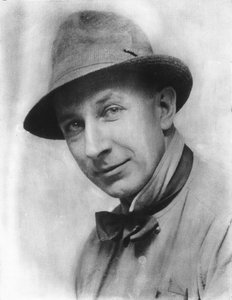
George Wesley Bellows
1882 - 1925 , Verenigde Staten van Amerika
Belangrijkste feiten
- Artistic Movement Or Style: Realisme, Ashcan School
- Artists Or Movements Influenced By This Artist: ['Henri']
- Artists Who Influenced This Artist: ['Robert Henri']
- Date Of Birth: 1882
- Date Of Death: 1925
- Full Name: George Wesley Bellows
- Nationality: Amerikaans
- Notable Artworks:
- Both Members
- Stag Sharkey's
- Men Docks
- Place Of Birth: Columbus, USA
Gerelateerde artikelen
The Ashcan School: Realism, Urban Life & the Democratization of American Art
Explore the revolutionary Ashcan School! Discover how artists like Henri & Sloan challenged tradition with gritty realism, capturing urban life in early 20th-century America. Learn about their impact on American art history.
American Realism: Social Commentary & Artistic Representation in Early 20th-Century Painting
Explore the powerful social commentary & artistic representation of American Realism. Discover key artists like Bellows & Sloan, and understand the movement's lasting impact on 20th-century art history.

Top 10 Meesterwerken van het Amerikaans Realisme | Kunst & Decoratie
Ontdek de 10 meest iconische meesterwerken van het Amerikaans Realisme! Van Edward Hopper tot Andrew Wyeth, leer over de kunstenaars en hun tijdloze schilderijen. Vind museumkwaliteit reproducties & decoratie op OriginalUniqueArt.com.
The Ashcan School: Capturing the Raw, Unfiltered Soul of Urban Life through American Realism
Discover the raw beauty of the Ashcan School. Explore how masters like Bellows and Henri captured the gritty, vibrant soul of early 20th-century New York through profound American Realism and evocative urban landscapes.

The Ashcan School: Capturing the Raw Spirit and Urban Realism of New York City Life
Explore the raw, evocative beauty of the Ashcan School. Discover how masters like Bellows and Glackens captured New York's urban soul through American Realism, and learn to bring this gritty, historical elegance into your modern art collection.


