

 Bekijk op ware grootte
 Verstuur
 Delen
Delen
 Details bekijken
 Gids voor studentenkunstwerken

 Download
 Vergelijkbare items
 Röntgenonderzoek
 Diavoorstelling
 Statistieken
Foxhound


 Lees meer
Giclée / Kunstafdrukken
Giclée- of canvasafdruk van museumkwaliteit met een snelle productie en flexibele afwerkingsmogelijkheden. ( Koop handgeschilderd kunstwerk Schakel over naar digitale afbeeldingen)




P118B €10

P118H €10

P118W €10

P438Z €10

P508JH €12

P508YH €12

P805H €10

P805Z €10

P919BZ €10

P919G €10

P919XJ €10

P959ZH €10

P968JZ €12

W106C €8

W218G €10

W218JH €8

W218Y €10

W307PJ €10

W316G €10

W316PJ €8

W316Y €10

W398PJ €8

W4111J €10

W500HY €15

W500JH €15

W692G €12

W849H €8

W940BG €15

W953PJ €8




Kies uit onze vooraf ingestelde maten die overeenkomen met de originele verhoudingen van het kunstwerk.

Voer de breedte en de hoogte in die u nodig heeft, passend bij uw lijst of uw muur. Een afdruk kan alleen worden ingekort, nooit groter worden gemaakt dan het origineel, waardoor een formaat met een andere verhouding een deel van de afbeelding verliest. Wij sturen u een digitaal mockup ter goedkeuring voordat we iets drukken. De afbeelding op deze pagina toont niet de werkelijke uitsnede — dit is alleen te zien op het mockup.
Wereldwijde levering () binnen 2 weken in plaats van de standaard 4/5 weken. (23 oktober)

Gratis wereldwijde expressverzending

Hoogwaardig linnen canvas

Volledige verzendverzekering

Garantie op terugbetaling van invoerrechten

Garantie op exacte kleurweergave

Retourbeleid van 100 dagen (alleen bij defecten)

100% Geld-terug-garantie

Korting bij meerdere afnames
 De optie voor glas is alleen beschikbaar bij een formaat kleiner dan 110 cm.

Foxhound
Giclée / Kunstafdrukken
Formaat reproductie
-


Totaalprijs
€ 71
George Stubbs's Foxhound: A Symphony of Texture and Movement
George Stubbs’s “Foxhound” stands as an exceptional testament to 18th-century British art, encapsulating the Romantic spirit with unparalleled anatomical precision and masterful brushwork. Completed in 1760, this monumental canvas resides at the Yale Center for British Art in New Haven, United States, securing its place within a canon of artistic achievement. More than just a depiction of a dog, it’s an immersive experience—a visual meditation on animal behavior and the sublime beauty found in nature's rhythms.- Subject Matter: The painting portrays a foxhound standing proudly upon grassy terrain, its head lowered intently as if pursuing a scent beyond the viewer’s comprehension. This posture immediately conveys dynamism and instinct—a core element of Stubbs’s artistic vision.
- Style & Technique: Stubbs's signature style is characterized by an astonishing level of anatomical accuracy, achieved through meticulous dissection studies undertaken in York. He employs a technique that prioritizes capturing the texture and movement of animal fur with remarkable subtlety. Soft brushstrokes blend seamlessly to create an illusion of depth and realism, elevating the artwork beyond mere representation.
- Historical Context: Created during the burgeoning Romantic era, “Foxhound” reflects the prevailing fascination with observation and emotion—a reaction against the rigid formalism of Neoclassical art. Stubbs’s work aligns perfectly with the movement's emphasis on capturing the grandeur of the natural world and conveying profound psychological insight.
- Symbolism: The foxhound itself embodies qualities of courage, loyalty, and perseverance – virtues celebrated in British culture during the period. Furthermore, the inclusion of a tree and rocks serves as grounding elements, anchoring the scene within the landscape and symbolizing stability amidst constant change.
The Artist's Vision: Anatomical Mastery Meets Romantic Sensibility
George Stubbs’s dedication to anatomical study profoundly influenced his artistic practice. Unlike many of his contemporaries who favored idealized depictions, Stubbs relentlessly pursued accuracy—a commitment evident in the painstaking detail with which he rendered the dog’s musculature and skeletal structure. This approach wasn't merely technical; it was driven by a belief that understanding the animal’s anatomy was essential to conveying its essence. Stubbs’s artistic philosophy championed observation and emotion, mirroring the Romantic movement’s core tenets.Handcrafted Reproductions: Preserving Stubbs' Legacy
To experience the brilliance of “Foxhound” firsthand, consider commissioning a handmade oil painting reproduction from OriginalUniqueArt.com. Skilled artisans utilize traditional techniques—matching Stubbs’s meticulous brushwork and textural nuances—to faithfully recreate this iconic artwork. Customization options allow you to personalize your piece, selecting frame styles and canvas sizes that complement your aesthetic sensibilities.Discover More About George Stubbs
For a deeper understanding of Stubbs's life and artistic journey, explore https://en.wikipedia.org/wiki/George_Stubbs – a comprehensive resource detailing his formative years, groundbreaking anatomical studies, and enduring influence on British art history. Alternatively, visit https://OriginalUniqueArt.com to browse an extensive collection of handmade oil painting reproductions from celebrated artists like Stubbs.Vragen & Antwoorden
Uit welk land komt het Romanticism werk "Foxhound"?
"Foxhound" werd gecreëerd door George Stubbs, geboren in Verenigd Koninkrijk, binnen de Romanticism-stroming. De herkomst van de kunstenaar verbindt het werk met Romanticism, zoals beoefend door kunstenaars uit Verenigd Koninkrijk.
Welke onderwerpen komen voor in "Foxhound" door George Stubbs?
De thema's die aanwezig zijn in "Foxhound" door George Stubbs omvatten painting, animal art, george stubbs, horse hunting, british art, 18th century, landscape. Samen vatten zij de onderwerpen van het kunstwerk samen.
Wat is de luminantie van "Foxhound" door George Stubbs?
De kleuren van "Foxhound" vertonen een luminantie van Dark.
Biografie van de kunstenaar
Early Life and Artistic Beginnings
George Stubbs, a name synonymous with the majestic depiction of horses, was born on August 25th, 1724, in the bustling port city of Liverpool, England. His early life, shrouded in relative obscurity for much of his formative years – until the age of thirty-five – is largely pieced together from the insightful notes of Ozias Humphry, a fellow artist and close friend who documented Stubbs’s conversations in 1794. Stubbs's father was a leatherworker, a profession that initially shaped his early life, but young George harbored an intense fascination with art, particularly anatomy, a passion ignited by meticulous observation from a very young age. He received a brief apprenticeship under Hamlet Winstanley, a Lancastrian painter and engraver, gaining foundational skills in drawing and composition – though this period was short-lived due to a clash of artistic visions. Stubbs’s early training wasn't formal; instead, he honed his craft through independent study, fueled by an insatiable curiosity about the natural world and a deep understanding of human anatomy, which he pursued diligently at York County Hospital under the tutelage of a surgeon. This dedication laid the groundwork for his revolutionary approach to equine painting.Artistic Development and Groundbreaking Techniques
Stubbs’s artistic journey truly took flight in 1744 when he relocated to York, immersing himself in the study of animal anatomy. This period marked a pivotal shift; he began dissecting horses – a somewhat unorthodox practice at the time – with the assistance of his common-law wife, Mary Spencer. This intimate knowledge of equine musculature and skeletal structure became the cornerstone of his extraordinary ability to capture the power, grace, and dynamism of horses on canvas. His meticulous anatomical studies culminated in the publication of *The Anatomy of the Horse* in 1766, a groundbreaking work that served as a visual encyclopedia for artists seeking to understand the complexities of equine form. The illustrations, now housed at the Royal Academy, were not merely scientific diagrams; they possessed an undeniable artistic merit, demonstrating Stubbs’s exceptional draughtsmanship and his commitment to realism. Furthermore, Stubbs experimented with innovative painting techniques, utilizing enamel on earthenware panels – a method pioneered by Josiah Wedgwood – which allowed him to achieve remarkable detail and luminosity in his works.Royal Patronage and the Rise of a Master
Stubbs's talent quickly garnered recognition among England’s aristocratic elite. The 3rd Duke of Richmond commissioned three monumental paintings in 1759, marking the beginning of Stubbs’s ascent to prominence within the art world. These works, executed for several other dukes and lords, solidified his reputation as a leading painter of horses and established him as a sought-after artist by wealthy patrons. His success culminated in the purchase of a grand residence in Marylebone, London – a testament to his artistic achievements and social standing. Stubbs’s most celebrated masterpiece, *Whistlejacket*, painted in 1762 for the 2nd Marquess of Rockingham, stands as a landmark achievement in art history. The painting's unconventional composition—a prancing horse depicted against a stark, unadorned background—broke with established conventions and demonstrated Stubbs’s willingness to challenge artistic norms. The dramatic portrayal of the horse, imbued with raw power and vitality, cemented his place as a pioneer of the Romantic movement.Legacy and Enduring Influence
George Stubbs's legacy extends far beyond his individual paintings; he fundamentally transformed the way horses were depicted in art. His anatomical precision, combined with his masterful understanding of equine behavior and movement, created images that are both scientifically accurate and emotionally resonant. *A Lion Attacking a Horse*, painted around 1762, exemplifies this fusion of realism and Romanticism, capturing the primal struggle between predator and prey with breathtaking intensity. Stubbs’s influence can be seen in countless subsequent works by artists who sought to emulate his skill and vision. His anatomical studies remained a vital resource for generations of equine painters, while his innovative techniques paved the way for new approaches to painting. Today, George Stubbs is recognized as one of the greatest animal painters in history – an artist whose work continues to captivate and inspire audiences worldwide. His paintings are proudly displayed in prestigious museums across Europe, including the National Gallery in London, a testament to his enduring artistic merit.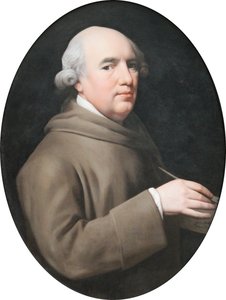
George Stubbs
1724 - 1806 , Verenigd Koninkrijk
Snelle feiten
- Artistic Movement Or Style: Romantiek, Paardkunst
- Artists Or Movements Influenced By This Artist: ['Joshua Reynolds']
- Artists Who Influenced This Artist: ['Hamlet Winstanley']
- Date Of Birth: 25 aug 1724
- Date Of Death: 10 jul 1806
- Full Name: George Stubbs
- Nationality: Engels
- Notable Artworks:
- Whistlejacket
- Lioned aanval
- Anatomie paard
- Place Of Birth: Liverpool, VK
Gerelateerde artikelen

From Initial Sketch to Enduring Legacy: A Comprehensive Exploration of the Oil Painting Reproduction Process
Discover the art of museum-quality oil painting reproduction. Explore our expert process, skilled artists & authentic replicas. Elevate your home with timeless beauty – handcrafted and customized to your vision.
De Subtiele Nuances van Digitale Kunst: Waarom Op Maat Gemaakte Prints de Authenticiteit van een Foto Vangen en Overstijgen
Transformeer uw herinneringen tot unieke kunstwerken met OriginalUniqueArt. Handgeschilderde reproducties & gepersonaliseerde designs van museumkwaliteit. Expertise, betrouwbaarheid & 100 dagen garantie.

Georges Braque's Top 25 Meesterwerken: Cubisme & Kunst voor uw Interieur
Ontdek de 25 meest iconische meesterwerken van Georges Braque, pionier van het Cubisme. Lees over zijn techniek, inspiratie & de impact op moderne kunst. Vind museumkwaliteit reproducties en verrijk uw interieur met OriginalUniqueArt.com!
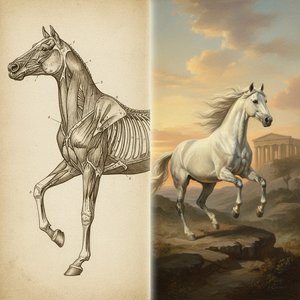
George Stubbs: Anatomical Precision & Romantic Vision in 18th-Century British Art
Explore the captivating world of George Stubbs, the 18th-century master renowned for his anatomical precision & Romantic animal paintings. Discover his legacy and investment potential.

Georges Seurat's Meesterwerken: 25 Iconische Schilderijen voor Kunstliefhebbers | OriginalUniqueArt
Ontdek de 25 meesterwerken van Georges Seurat! Duik in Pointillisme, Impressionisme & chromoluminarism. Bewonder 'A Sunday on La Grande Jatte' en meer. Museumkwaliteit kunst reproducties op OriginalUniqueArt.com.


