 Voorvertoning
 Verstuur
 Delen
Delen
 Details bekijken
 Gids
Gids

 Download
 Vergelijkbare items
 Röntgenonderzoek
 Diavoorstelling
 Vraag & antwoord
 Statistieken
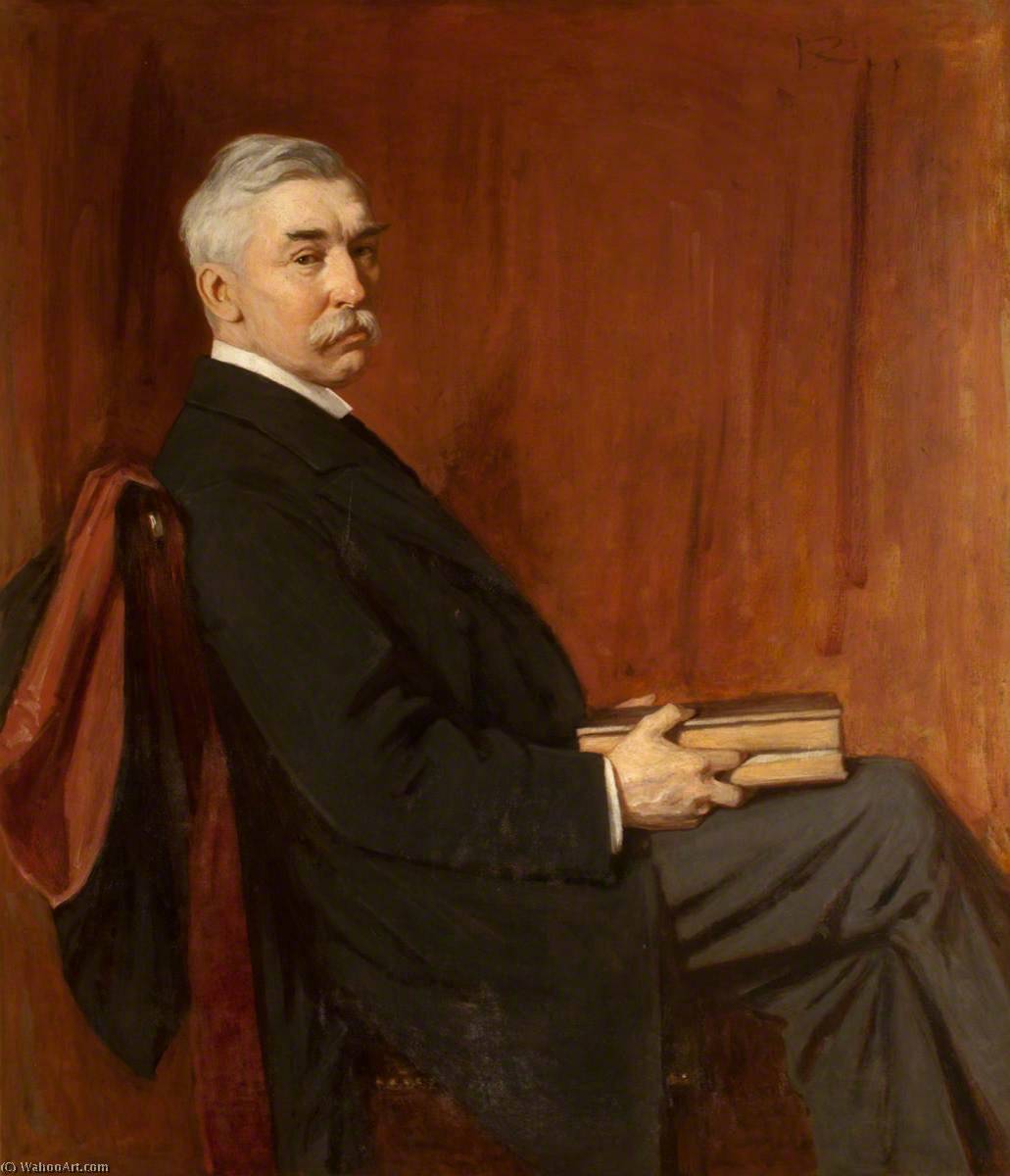
Sir John Sibbald

- 122.0 x 107.0 cm


 Lees meer
Giclée / Kunstafdrukken
Giclée- of canvasafdruk van museumkwaliteit met een snelle productie en flexibele afwerkingsmogelijkheden. ( Bestel handgeschilderde reproductie Schakel over naar digitale afbeeldingen)




P118B €10

P118H €10

P118W €10

P438Z €10

P508JH €12

P508YH €12

P805H €10

P805Z €10

P919BZ €10

P919G €10

P919XJ €10

P959ZH €10

P968JZ €12

W106C €8

W218G €10

W218JH €8

W218Y €10

W307PJ €10

W316G €10

W316PJ €8

W316Y €10

W398PJ €8

W4111J €10

W500HY €15

W500JH €15

W692G €12

W849H €8

W940BG €15

W953PJ €8




Kies uit onze vooraf ingestelde maten die overeenkomen met de originele verhoudingen van het kunstwerk.

Voer de gewenste breedte en hoogte in, passend bij uw lijst of muur. Een afdruk kan alleen worden ingekort en nooit groter worden gemaakt dan het origineel; een formaat met andere verhoudingen zal daarom een deel van de afbeelding verliezen. Wij sturen u een digitaal mockup ter goedkeuring voordat we tot drukwerk overgaan. De afbeelding op deze pagina toont niet de werkelijke uitsnede — dit is alleen te zien op het mockup.
Wereldwijde levering () binnen 2 weken in plaats van de standaard 4/5 weken. (4 november)

Gratis wereldwijde expressverzending

Hoogwaardig linnen canvas

Volledige verzendverzekering

Garantie op terugbetaling van invoerrechten

Garantie op exacte kleurweergave

Retourbeleid van 100 dagen (alleen bij defecten)

100% Geld-terug-garantie

Korting bij meerdere afnames
 De optie voor glas is alleen beschikbaar bij een formaat kleiner dan 110 cm.

Sir John Sibbald
Giclée / Kunstafdrukken
Afmetingen reproductie
-


Eindtotaal
€ 72
A Portrait of Dignity: The Soul of Sir John Sibbald
In the quiet, commanding presence of George Agnew Reid’s Sir John Sibbald, one finds more than just a mere likeness of a man; one encounters a profound meditation on character and intellectual legacy. Completed around 1893, this masterful oil on canvas serves as a window into the Victorian era's reverence for authority, wisdom, and moral fortitude. The subject, Sir John Sibbald—a distinguished physician and Fellow of the Royal College of Physicians of Edinburgh—is captured not in a moment of action, but in a state of contemplative repose. As he sits before a subtle, deep red backdrop, his very posture radiates a sense of settled importance, inviting the viewer to pause and reflect upon the weight of a life dedicated to science and service.
Reid, an artist whose roots were planted in the pastoral landscapes of Ontario but whose hands were trained in the rigorous academic traditions of Philadelphia, brings a unique duality to this work. There is a palpable tension between the meticulous, almost scientific precision of his realism and a soft, atmospheric warmth that breathes life into the canvas. The way the light catches the silvered strands of Sibbald’s beard and the gentle furrow of his brow suggests an intimacy that transcends the formal boundaries of traditional portraiture. For the collector or the lover of fine art, this piece offers a rare opportunity to possess a fragment of Canadian artistic heritage, rendered with a sensitivity that makes the subject feel both monumental and deeply human.
Mastery of Light and Texture
The technical brilliance of Sir John Sibbald lies in Reid’s sophisticated use of glazing and tonal variation. To gaze upon the painting is to witness a masterclass in the art of realism. The artist employed thin, translucent layers of oil paint—a technique known as glazing—to build up a luminous depth that seems to glow from within. This method allows light to penetrate the surface, illuminating the subtle textures of Sibbald’s dark formal suit and the crisp, stark white of his shirt. Such attention to detail creates a breathtaking illusion of three-dimensionality, making the fabric appear heavy and tactile, as if one could reach out and feel the weave of the cloth.
Beyond the physical textures, Reid utilizes light to direct the emotional narrative of the piece. The soft gradient of the background, transitioning from deep shadows to a warmer, muted crimson, focuses all attention upon the subject's face and hands. This careful manipulation of chiaroscuro—the contrast between light and dark—imbues the portrait with a sense of drama and solemnity. For interior designers seeking to anchor a room with a piece of commanding presence, the painting’s balanced composition and rich, tonal palette provide an unparalleled sense of sophistication and timelessness.
Symbolism and the Legacy of Knowledge
Every element within this portrait has been carefully curated by Reid to communicate the essence of his subject. The inclusion of a book held firmly yet naturally in Sibbald’s hands is far from incidental; it serves as a powerful symbol of scholarship, erudition, and the pursuit of truth. In an age where professional identity was inextricably linked to one's intellectual contributions, the book acts as a silent testament to the physician's devotion to the medical arts. This symbolic layer elevates the painting from a simple biographical record to a tribute to the enduring power of human knowledge.
The overall emotional impact of the work is one of profound stability and grace. In an ever-changing world, there is a deep, aesthetic comfort in encountering such a steadfast representation of character. Whether displayed in a private study, a grand library, or a curated gallery space, Sir John Sibbald acts as a focal point of quiet strength. It is a piece that does not merely decorate a wall; it enriches the atmosphere of a home, offering a continuous dialogue between the historical dignity of the past and the refined elegance of the present.
Veelgestelde vragen
Wie heeft "Sir John Sibbald" gemaakt en in welke stijl is het uitgevoerd?
"Sir John Sibbald" werd gecreëerd door George Reid in de Contemporary Realism-stijl. De kunstenaar en de stroming bepalen de traditie van het werk.
Onder welke andere namen is George Reid bekend?
Andere namen waaronder George Reid, maker van "Sir John Sibbald", bekend is, zijn onder andere G.A. Reid.
Met welk medium is "Sir John Sibbald" door George Reid uitgevoerd?
Het medium van "Sir John Sibbald" door George Reid is Oil On Canvas. Reproducties zijn bedoeld om de uitstraling van deze techniek weer te geven.
Biografie kunstenaar
Early Life and Artistic Foundations
George Agnew Reid emerged from the fertile landscapes of rural Canada West, born in 1860 in Wingham, Ontario – a place that would profoundly shape his artistic vision. His beginnings weren’t steeped in formal training but rather in the rhythms of farm life; a setting he’d later revisit with poignant detail and emotional depth in his paintings. Though initially hesitant about his son's aspirations, Reid’s father eventually recognized and supported his burgeoning talent, allowing him to pursue studies at the Central Ontario School of Art in Toronto in 1879 under the tutelage of Robert Harris. This foundational period instilled a respect for established techniques and representational art, yet it also ignited within Reid a desire to explore beyond mere imitation. He sought further refinement at Philadelphia’s Pennsylvania Academy of the Fine Arts from 1882 to 1885, where he fell under the powerful influence of Thomas Eakins – a master of realism and anatomical accuracy whose dedication to truthful representation would remain a guiding principle throughout Reid's career. Equally significant during this time was his meeting and subsequent marriage to Mary Hiester Reid, herself a gifted artist; their union forged a lifelong artistic partnership built on mutual respect and creative exchange. Reid’s early exposure to illustrated books and magazines, coupled with the encouragement of his grandfather, sparked an initial interest in art – a passion initially viewed skeptically by his father, who believed such pursuits were unsuitable for a “robust” young man destined for a life of labor. This early conflict ultimately fueled Reid's determination to pursue his artistic ambitions.A Blossoming Style: Genre Painting and Narrative Depth
Upon returning to Canada, Reid’s artistic focus shifted from portraiture towards genre painting – a style that allowed him to explore the narratives embedded within everyday life. This wasn’t merely a change in subject matter; it represented a deepening of his artistic intent. He sought to capture not just appearances but also the emotional realities of ordinary people and their experiences. Works like *The Foreclosure of the Mortgage* (1893) exemplify this shift, depicting a scene of rural hardship with remarkable sensitivity and psychological depth. The painting isn’t simply a record of a difficult situation; it's an exploration of loss, resilience, and the human cost of economic instability. Reid masterfully blended the precision he had absorbed during his Parisian academic training with subtle Impressionistic touches – a delicate interplay of light and atmosphere that imbued his canvases with realism and emotional resonance. He wasn’t simply recording scenes; he was interpreting them, imbuing them with a narrative power that resonated deeply with viewers. His paintings became windows into the lives of ordinary Canadians, particularly those in rural Ontario, offering glimpses into their joys, struggles, and enduring spirit. He possessed an exceptional ability to observe and capture the nuances of human emotion, translating these observations onto canvas with remarkable skill – often portraying subjects with a quiet dignity and understated grace.European Influences and Artistic Development
Reid’s artistic journey continued across the Atlantic, immersing himself in the vibrant art scenes of Paris at the Académies Julian and Colarossi, and undertaking focused study at the Prado Museum in Madrid between 1888-1889. These experiences broadened his understanding of European masters – from the meticulous realism of Spanish painters like Velázquez to the atmospheric Impressionism of Monet and Renoir. He absorbed techniques in composition, color theory, and brushwork, integrating these influences into his own distinctive style. His time in Paris also fostered a greater appreciation for artistic freedom and experimentation, encouraging him to move beyond strict academic conventions. The influence of Jean-Joseph Benjamin-Constant is particularly evident in Reid’s later works, characterized by their elegant compositions and evocative use of light and shadow. The Prado Museum provided access to an unparalleled collection of European art, allowing Reid to study the techniques and styles of masters such as Goya and El Greco – artists who profoundly shaped his artistic sensibilities.Career Highlights and Educational Leadership
Back in Canada, Reid established himself as a leading figure in the Canadian art community. He was elected to the Royal Canadian Academy of Arts in 1889, solidifying his position within the burgeoning national art scene. However, his contributions extended far beyond individual artworks. He played a crucial role in establishing Toronto’s Art Gallery of Ontario (AGO) and advocating for public funding of the arts. He also served as Principal of the Central Ontario School of Art and Design (later OCAD University) from 1912 to 1918, shaping the institution into a leading center for artistic training in Canada. During this period, he championed accessibility to art education, believing that everyone should have the opportunity to develop their creative potential. Reid’s commitment to fostering a vibrant cultural landscape extended beyond his administrative duties; he continued to produce significant works throughout his career, including murals and commissioned pieces for public buildings – reflecting his belief in the power of art to enrich society.Legacy and Lasting Influence
George Agnew Reid's legacy extends far beyond his individual paintings; he was a catalyst for change within the Canadian art world, fostering a distinctly national artistic identity while simultaneously embracing international influences. His mentor, Thomas Eakins, instilled in him a commitment to realism and anatomical accuracy, while his time in Paris exposed him to the innovative techniques of Impressionism – elements that he skillfully integrated into his own unique style. He played a crucial role in establishing a visual language that reflected the Canadian experience, depicting Ontario landscapes and rural life with both sensitivity and authenticity. As an educator and administrator, Reid nurtured generations of Canadian artists, shaping the future of art education within the country. His artworks continue to be held in esteemed public and private collections across Canada – a testament to their enduring artistic merit and historical significance. He died in 1947, leaving behind a body of work that continues to captivate and inspire, solidifying his place as one of Canada’s most important and influential artists. His ability to combine academic rigor with emotional depth created works that resonate with viewers on a profound level, reflecting the social realities of his time and offering enduring insights into the human condition.
George Reid
1860 - 1947 , Canada
Belangrijkste feiten
- Artistic Movement Or Style: Genre schilderkunst
- Artists Or Movements Influenced By This Artist: ['Impressionisme']
- Artists Who Influenced This Artist: ['Eakins']
- Date Of Birth: 25 juli 1860
- Date Of Death: 23 aug 1947
- Full Name: George Agnew Reid
- Nationality: Canadees
- Notable Artworks:
- Mortgagement
- Spynie Castle
- Place Of Birth: Wingham, Canada
Gerelateerde artikelen

Georges Braque's Top 25 Meesterwerken: Cubisme & Kunst voor uw Interieur
Ontdek de 25 meest iconische meesterwerken van Georges Braque, pionier van het Cubisme. Lees over zijn techniek, inspiratie & de impact op moderne kunst. Vind museumkwaliteit reproducties en verrijk uw interieur met OriginalUniqueArt.com!

Sir Joshua Reynolds' Meesterwerken: 25 Portretten van Elegantie & Status | OriginalUniqueArt
Ontdek de 25 meesterwerken van Sir Joshua Reynolds! Duik in de wereld van elegante portretten uit de 18e eeuw en bewonder zijn Grand Style. Vind museumkwaliteit reproducties & interieurinspiratie op OriginalUniqueArt.com.

Georges Seurat's Meesterwerken: 25 Iconische Schilderijen voor Kunstliefhebbers | OriginalUniqueArt
Ontdek de 25 meesterwerken van Georges Seurat! Duik in Pointillisme, Impressionisme & chromoluminarism. Bewonder 'A Sunday on La Grande Jatte' en meer. Museumkwaliteit kunst reproducties op OriginalUniqueArt.com.

John Singer Sargent's Top 25 Meesterwerken: Portretten & Schilderijen voor uw Interieur | OriginalUniqueArt
Ontdek de 25 mooiste meesterwerken van John Singer Sargent! Van elegante portretten tot impressionistische schilderijen – leer over zijn leven, techniek & impact. Museumkwaliteit reproducties voor uw interieur op OriginalUniqueArt.com.

George Agnew Reid: A Canadian Impressionist's Pursuit of Light, Colour, and National Identity
Explore the life & work of George Agnew Reid, a pivotal figure in Canadian Impressionism. Discover his genre paintings, mural commissions, and lasting influence on art education & national identity. A comprehensive guide for collectors & enthusiasts.


