

 Voorvertoning
 Verstuur
 Delen
Delen
 Details bekijken
 Gids
Gids

 Download
 Vergelijkbare items
 Röntgenonderzoek
 Diavoorstelling
 Q&A
Q&A Statistieken
Self Portrait, Admonishing
 Oil On Canvas
- WallArt
- Verism
 1927
1927- Modern
 98.0 x 79.0 cm
 Lees meer
De kunstwerken die op deze pagina worden weergegeven, zijn beschermd door de auteursrechtwetgeving, wat betekent dat het ons wettelijk niet is toegestaan om identieke reproducties te maken of te verkopen. Deze bescherming wordt gehandhaafd onder internationale overeenkomsten zoals de Conventie van Bern en door nationale wetgeving, waaronder de bepalingen van de Amerikaanse auteurswet - Titel 17. Alle rechten voorbehouden. Reproduceren of distribueren van afbeeldingen is niet toegestaan zonder uitdrukkelijke schriftelijke toestemming van WahooArt.com en de rechthebbenden.
Deze methode voldoet volledig aan de auteursrechtwetgeving, omdat het niet gaat om het kopiëren of dupliceren van het beschermde kunstwerk. In plaats daarvan is er sprake van een creatieve herinterpretatie — een nieuw schilderij dat door het origineel wordt geïnspireerd, maar er niet identiek aan is.
Giclée / Kunstafdrukken
Giclée- of canvasafdruk van museumkwaliteit met een snelle productie en flexibele afwerkingsmogelijkheden. ( Bestel handgeschilderde reproductie Schakel over naar digitale afbeeldingen)




P118B €10

P118H €10

P118W €10

P438Z €10

P508JH €12

P508YH €12

P805H €10

P805Z €10

P919BZ €10

P919G €10

P919XJ €10

P959ZH €10

P968JZ €12

W106C €8

W218G €10

W218JH €8

W218Y €10

W307PJ €10

W316G €10

W316PJ €8

W316Y €10

W398PJ €8

W4111J €10

W500HY €15

W500JH €15

W692G €12

W849H €8

W940BG €15

W953PJ €8




Kies uit onze vooraf ingestelde maten die overeenkomen met de originele verhoudingen van het kunstwerk.

Voer de gewenste breedte en hoogte in, passend bij uw lijst of muur. Een afdruk kan alleen worden ingekort en nooit groter worden gemaakt dan het origineel; een formaat met andere verhoudingen zal daarom een deel van de afbeelding verliezen. Wij sturen u een digitaal mockup ter goedkeuring voordat we tot drukwerk overgaan. De afbeelding op deze pagina toont niet de werkelijke uitsnede — dit is alleen te zien op het mockup.
Wereldwijde levering () binnen 2 weken in plaats van de standaard 4/5 weken. (31 oktober)

Gratis wereldwijde expressverzending

Hoogwaardig linnen canvas

Volledige verzendverzekering

Garantie op terugbetaling van invoerrechten

Garantie op exacte kleurweergave

Retourbeleid van 100 dagen (alleen bij defecten)

100% Geld-terug-garantie

Korting bij meerdere afnames
 De optie voor glas is alleen beschikbaar bij een formaat kleiner dan 110 cm.

Self Portrait, Admonishing
Giclée / Kunstafdrukken
Afmetingen reproductie
-


Eindtotaal
€ 72
Self Portrait, Admonishing: A Stark Reflection of Weimar Germany
George Grosz's "Self Portrait, Admonishing," painted in 1927, is more than just a self-representation; it’s a powerful social commentary and a window into the anxieties of the Weimar Republic. Measuring 98 x 79 cm, this oil on canvas painting embodies the Verism movement's unflinching portrayal of reality, capturing a moment of intense introspection and warning from one of Germany's most provocative artists. Grosz’s style, evident in works like "Suicide" and "Max Schmeling the Boxer," is characterized by sharp lines, distorted forms, and a deliberate rejection of idealized beauty, all serving to amplify his critical message.Artistic Style and Technique
The painting's power lies not only in its subject matter but also in Grosz’s masterful technique. The use of oil on canvas allows for rich textures and nuanced shading, contributing to the overall sense of unease and intensity. Verism, as a style, prioritizes realism and social critique over aesthetic pleasantness. Grosz employs this approach with deliberate force, eschewing traditional portraiture conventions to create an image that is both unsettling and deeply compelling. The visible brushstrokes and layered paint contribute to a palpable depth, drawing the viewer into the artist's troubled gaze. The composition itself is carefully constructed; Grosz’s direct engagement with the viewer through his pointing gesture creates a sense of confrontation and urgency.Historical Context: Weimar Germany and Social Critique
"Self Portrait, Admonishing" was created during a period of profound social and political upheaval in Germany. The Weimar Republic, established after World War I, was marked by economic instability, hyperinflation, and rising extremism. Grosz, deeply critical of the societal ills he witnessed – corruption, decadence, and the looming threat of fascism – used his art as a weapon to expose these failings. The painting’s gesture—Grosz pointing directly at the viewer—is a direct admonishment, a call for responsibility and awareness in the face of impending doom. The Berlinische Galerie holds this piece within its collection, recognizing its significance as a document of a turbulent era. It reflects the anxieties and uncertainties that permeated German society during this time, making it a crucial work within Grosz’s oeuvre.Symbolism and Emotional Impact
The painting's symbolism is layered and complex. The artist's intense gaze conveys a sense of profound concern and moral outrage. His attire—a somewhat formal yet slightly disheveled appearance—suggests an intellectual, perhaps even a prophet-like figure burdened with the responsibility of warning others. The act of pointing is particularly significant; it’s not merely a gesture of accusation but also an attempt to awaken the viewer from complacency. The overall emotional impact is one of unease and introspection. Grosz doesn't offer easy answers or comforting illusions; instead, he forces the viewer to confront uncomfortable truths about themselves and their society. The painting resonates with a sense of urgency and despair, reflecting the artist’s deep conviction that action was needed to avert disaster.Owning a Piece of History: Handmade Reproductions
For art enthusiasts and collectors seeking to own a piece of this pivotal moment in art history, OriginalUniqueArt.com offers meticulously crafted handmade oil painting reproductions of "Self Portrait, Admonishing." These reproductions capture the original's texture, color palette, and emotional intensity, allowing you to experience Grosz’s powerful message firsthand. Bringing this iconic artwork into your home or office is not just an aesthetic choice; it’s a statement about your appreciation for art that challenges, provokes, and ultimately illuminates the human condition.Veelgestelde vragen
Hoe verbindt "Self Portrait, Admonishing" door George Grosz Verism met het geboorteland van de kunstenaar?
"Self Portrait, Admonishing" werd gecreëerd door George Grosz, geboren in Duitsland, binnen de Verism-stroming. De herkomst van de kunstenaar verbindt het werk met Verism, zoals beoefend door kunstenaars uit Duitsland.
Welke afmeting van "Self Portrait, Admonishing" door George Grosz past in de aanbevolen kamer?
Voor een Living Room wordt voor "Self Portrait, Admonishing" een afdruk van Medium aanbevolen.
Hoe populair is "Self Portrait, Admonishing" binnen Verism?
"Self Portrait, Admonishing" door George Grosz wordt geclassificeerd als Recognized en behoort tot de Verism-stroming.
Biografie kunstenaar
A Satirist of Shattered Worlds: The Life and Art of George Grosz
George Grosz, geboren Georg Ehrenfried Groß in Berlin in 1893, was een visueel chroniqueur van maatschappelijke verval en politieke omwentelingen. Zijn kunst was niet slechts *van* zijn tijd – de tumultueuze Weimar Republiek en de opkomst van het fascisme – maar een visceraal reactie erop, een woedende aanklacht uitgedrukt in scherpe lijnen en groteske karikaturen. Grosz beschouwde Berlin niet alleen; hij ontrafelde het, onthulde zijn morele rot met onverbloemelijke eerlijkheid. De vroege jaren van zijn leven waren gekenmerkt door instabiliteit na de dood van zijn vader, een gebeurtenis die zijn moeder in de functie plaatste van beheerdster van een officierenmess, waardoor de jonge Georg zich bevond in een wereld van Pruisisch militarisme en rigide sociale hiërarchieën – een wereld waar hij later onvermoedelijk satiriseerde. Zijn formele artistieke opleiding begon met nauwkeurige kopieën van traditionele Nederlandse meesters zoals Eduard von Grützner, waarbij hij technische vaardigheid ontwikkelde voordat hij academische conventies verliet voor een veel provocatievere weg. Deze vroege discipline bood echter de basis waarop zijn uniek expressieve stijl zou worden gebouwd.Dada, Nieuwe Objectiviteit en de Ontstaan van een Kritische Visie
Grosz’s artistieke ontwikkeling was onlosmakelijk verbonden met de avant-garde bewegingen die in het post-Eerste Wereldoorlog Duitse leven floreerden. Hij werd een centrale figuur in Berlijnse Dada, waarbij hij haar nihilistische geest en anti-establishment stemming omarmde. Echter, in tegenstelling tot sommige van zijn Dadaïstische medestanders die zich verhezen in pure absurditeit, kanaliseerde Grosz de opstandige energie van Dada in puntgewijze sociale commentaar. Zijn werk uit deze periode – werken zoals *De Put* (1921) en *De Pilaren van de Maatschappij* (1926) – zijn doordringende aanklachten tegen de Duitse burgerij, het militaire elite en het corrupte politieke systeem dat de natie in de misère stuurde. Hij was niet geïnteresseerd in esthetische schoonheid; hij zocht schok, provocatie en onthulling van hypocrisie. Deze toewijding aan sociale kritiek evolueerde tot zijn deelname aan *Neue Sachlichkeit* (Nieuwe Objectiviteit), een beweging gekenmerkt door haar realistische maar ongevoelige weergave van hedendaags leven. Hoewel hij de focus op realisme deelde met andere kunstenaars die verbonden waren met deze groep, infuseerde hij het met een uniek scherp satirisch element dat hem onderscheidde van anderen. Zijn schilderijen en tekeningen waren niet alleen representaties van de werkelijkheid; ze waren vervormde reflecties van een samenleving op het punt van instorting.Exil en Transformatie: Een Nieuw Wereld, Een Verschuivende Stijl
De opkomst van het nazisme dwong Grosz in 1933 naar de vlucht, waar hij zich vestigde in de Verenigde Staten. Hij werd een naturaliseerde burger in 1938. Deze verhuizing markeerde een significant keerpunt in zijn artistieke carrière. Verwijderd van de directe context die zijn meest krachtige werk aanwakkerde en geconfronteerd met een andere set sociale en politieke realiteiten, begon Grosz’s stijl te verschuiven. De openlijk agressieve karikaturen gaven plaats aan meer ingetogen landschappen en portretten, vaak doorspekt met een gevoel van melancholie en ontgoocheling. Hoewel hij bleef exposeren en lesgeven op de Art Students League in New York, miste zijn werk de ruwe urgentie van zijn Berlijnse periode. Hij had moeite om zijn voet aan de grond te vinden in een nieuwe omgeving, worstelend met gevoelens van vervreemding en artistieke onzekerheid. De apocalyptische visioenen die tijdens deze periode opdoemen – schilderijen die desolate landschappen en fragmentarische figuren weergeven – weerspiegelden niet alleen de gruwelijke gebeurtenissen in Europa, maar ook zijn eigen interne strijd.Erfgoed en Duurzaam Relevantie
George Grosz keerde in 1959 terug naar Berlijn, kort voor zijn overlijden, een aangroeiende terugkeer naar de stad die hem zowel had geïnspireerd als geterroriseerd. Zijn nalatenschap strekt zich ver buiten de historische context van de Weimar Republiek uit. Hij blijft een krachtig voorbeeld van een kunstenaar die durfde om ongemakkelijke waarheden aan te pakken en sociale normen uit te dagen. Zijn werk dient als een waarschuwing over de gevaren van politiek extremisme, sociale onrechtvaardigheid en ongecontroleerde macht.- Satirische Kracht: Grosz’s meesterlijke gebruik van karikatuur inspireert nog steeds kunstenaars en commentatoren vandaag de dag.
- Sociale Commentaar: Zijn onverbloemelijke kritiek op maatschappelijke problemen blijft verrassend relevant in een wereld die nog steeds worstelt met ongelijkheid, corruptie en politieke polarisatie.
- Historische Getuige: Zijn kunst biedt waardevolle inzichten in de sociale en politieke sfeer van het interwar Duits, waardoor een visceraal begrip ontstaat van de krachten die leidden tot de Tweede Wereldoorlog.
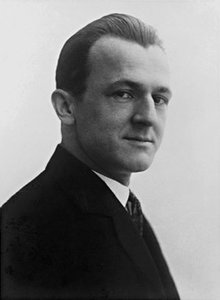
George Grosz
1893 - 1959 , Duitsland
Belangrijkste feiten
- Artistic Movement Or Style: Dada, Nieuwe Zakelijkheid
- Artists Or Movements Influenced By This Artist: ['Expressionisme']
- Date Of Birth: 26 juli 1893
- Date Of Death: 6 juli 1959
- Full Name: George Grosz
- Nationality: Duits
- Notable Artworks:
- The Pit
- Pillars Society
- Place Of Birth: Berlijn, Duitsland
Gerelateerde artikelen

Georges Braque's Top 25 Meesterwerken: Cubisme & Kunst voor uw Interieur
Ontdek de 25 meest iconische meesterwerken van Georges Braque, pionier van het Cubisme. Lees over zijn techniek, inspiratie & de impact op moderne kunst. Vind museumkwaliteit reproducties en verrijk uw interieur met OriginalUniqueArt.com!

Georges Seurat's Meesterwerken: 25 Iconische Schilderijen voor Kunstliefhebbers | OriginalUniqueArt
Ontdek de 25 meesterwerken van Georges Seurat! Duik in Pointillisme, Impressionisme & chromoluminarism. Bewonder 'A Sunday on La Grande Jatte' en meer. Museumkwaliteit kunst reproducties op OriginalUniqueArt.com.
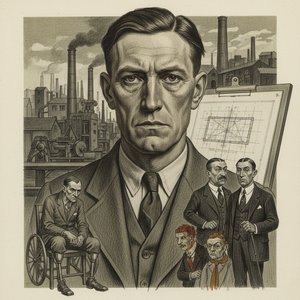
Neue Sachlichkeit: Objectivity, Realism & Social Commentary in Interwar German Art
Explore Neue Sachlichkeit – the pivotal German art movement critiquing Weimar society with unflinching realism. Discover key artists like Dix & Grosz, its historical context, and collecting insights for discerning investors.

Unblinking Truths: The Clinical Realism of Germany’s Neue Sachlichkeit
Explore the clinical precision of German New Objectivity through masters like Otto Dix. Discover the truth behind the Weimar era's raw realism.
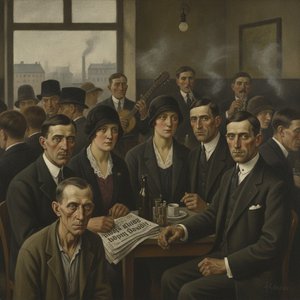
Neue Sachlichkeit: The Unflinching Realism and Social Critique of German New Objectivity
Explore the raw realism of Neue Sachlichkeit. Discover how German New Objectivity artists like Otto Dix and George Grosz captured the turbulent Weimar Republic through unflinching social critique and precise detail. A definitive guide for art historians and collectors.


