

 Voorvertoning
 Verstuur
 Delen
Delen
 Details bekijken
 Gids
Gids

 Download
 Vergelijkbare items
 Röntgenonderzoek
 Diavoorstelling
 Statistieken
Erotic scene


 Lees meer
De kunstwerken die op deze pagina worden weergegeven, zijn beschermd door de auteursrechtwetgeving, wat betekent dat het ons wettelijk niet is toegestaan om identieke reproducties te maken of te verkopen. Deze bescherming wordt gehandhaafd onder internationale overeenkomsten zoals de Conventie van Bern en door nationale wetgeving, waaronder de bepalingen van de Amerikaanse auteurswet - Titel 17. Alle rechten voorbehouden. Reproduceren of distribueren van afbeeldingen is niet toegestaan zonder uitdrukkelijke schriftelijke toestemming van WahooArt.com en de rechthebbenden.
Deze methode voldoet volledig aan de auteursrechtwetgeving, omdat het niet gaat om het kopiëren of dupliceren van het beschermde kunstwerk. In plaats daarvan is er sprake van een creatieve herinterpretatie — een nieuw schilderij dat door het origineel wordt geïnspireerd, maar er niet identiek aan is.
Giclée / Kunstafdrukken
Giclée- of canvasafdruk van museumkwaliteit met een snelle productie en flexibele afwerkingsmogelijkheden. ( Bestel handgeschilderde reproductie Schakel over naar digitale afbeeldingen)




P118B €10

P118H €10

P118W €10

P438Z €10

P508JH €12

P508YH €12

P805H €10

P805Z €10

P919BZ €10

P919G €10

P919XJ €10

P959ZH €10

P968JZ €12

W106C €8

W218G €10

W218JH €8

W218Y €10

W307PJ €10

W316G €10

W316PJ €8

W316Y €10

W398PJ €8

W4111J €10

W500HY €15

W500JH €15

W692G €12

W849H €8

W940BG €15

W953PJ €8




Kies uit onze vooraf ingestelde maten die overeenkomen met de originele verhoudingen van het kunstwerk.

Voer de gewenste breedte en hoogte in, passend bij uw lijst of muur. Een afdruk kan alleen worden ingekort en nooit groter worden gemaakt dan het origineel; een formaat met andere verhoudingen zal daarom een deel van de afbeelding verliezen. Wij sturen u een digitaal mockup ter goedkeuring voordat we tot drukwerk overgaan. De afbeelding op deze pagina toont niet de werkelijke uitsnede — dit is alleen te zien op het mockup.
Wereldwijde levering () binnen 2 weken in plaats van de standaard 4/5 weken. (25 oktober)

Gratis wereldwijde expressverzending

Hoogwaardig linnen canvas

Volledige verzendverzekering

Garantie op terugbetaling van invoerrechten

Garantie op exacte kleurweergave

Retourbeleid van 100 dagen (alleen bij defecten)

100% Geld-terug-garantie

Korting bij meerdere afnames
 De optie voor glas is alleen beschikbaar bij een formaat kleiner dan 110 cm.

Erotic scene
Giclée / Kunstafdrukken
Afmetingen reproductie
-


Eindtotaal
€ 71
A Raw Examination of Desire: George Grosz's Erotic Scene
George Grosz’s “Erotic Scene,” painted in watercolor on paper, is more than just a depiction of intimacy; it’s a searing indictment of the moral and social landscape of early 20th-century Germany. Created during the turbulent years of the Weimar Republic – a period defined by rapid industrialization, political instability, and a growing sense of societal decay – this artwork embodies Grosz's signature style: a brutally honest portrayal of human vulnerability and corruption. The scene unfolds with an arresting immediacy, capturing two figures locked in a passionate embrace, rendered with a deliberate lack of sentimentality that reflects the artist’s profound disillusionment.
- Historical Context: Grosz's work emerged from a period of immense social upheaval. The rise of fascism and the erosion of traditional values fueled his artistic rebellion, prompting him to expose the hypocrisy and moral bankruptcy he saw within German society.
- The Artist’s Vision: Grosz rejected academic conventions early in his career, prioritizing emotional impact over technical perfection. This is evident in the loose brushwork and distorted forms that contribute to the painting's unsettling power.
Technique and Materiality – A Dance of Wet Watercolor
The artwork’s remarkable effect stems directly from Grosz’s masterful manipulation of watercolor, a medium he embraced with an almost obsessive intensity. The dominant technique is “wet-on-wet,” where washes of color are applied to damp paper, allowing them to bleed and blend seamlessly. This creates a sense of fluidity and movement that perfectly captures the dynamism of the embrace. Hatching and cross-hatching are employed subtly for shading, adding depth without sacrificing the overall softness. The visible texture of the paper grain – a hallmark of watercolor – isn’t merely an accident; it's deliberately incorporated to enhance the tactile quality of the piece and evoke a sense of raw vulnerability.
- Layering and Glazing: Grosz skillfully utilizes layering and glazing techniques, building up tones gradually to achieve depth and luminosity.
- Material Choices: The use of watercolor on paper is crucial to the artwork’s aesthetic – it lends itself perfectly to the impressionistic style and the artist's desire to convey emotion over precise representation.
Symbolism, Emotion, and a Flattened Reality
The composition itself is deliberately unsettling. The figures are arranged in a central, almost claustrophobic space, their bodies intertwined with an intensity that borders on desperation. The flattened perspective – a deliberate rejection of traditional spatial realism – further intensifies the emotional impact, drawing the viewer into the scene and fostering a sense of intimacy and vulnerability. The muted color palette – dominated by pinks, creams, browns, and grays – contributes to the artwork’s melancholic atmosphere, suggesting a profound sadness beneath the surface of desire. The lack of sharp lines or defined edges reinforces this feeling, creating an impression of fragility and impermanence.
- Emotional Resonance: The painting evokes feelings of sensuality, vulnerability, and perhaps even a touch of despair – mirroring Grosz’s broader exploration of human suffering.
- Symbolic Weight: The scene can be interpreted as a metaphor for the loss of innocence and the destructive forces at play within society.
A Legacy of Social Commentary
“Erotic Scene” stands as a testament to George Grosz’s unwavering commitment to social realism and his willingness to confront uncomfortable truths. It's a powerful reminder of the artist's ability to translate personal disillusionment into a universally resonant critique of human nature and societal decay. This reproduction offers an unparalleled opportunity to experience firsthand the raw power and enduring relevance of one of Grosz’s most iconic works – a piece that continues to provoke, challenge, and captivate viewers over a century after its creation.
Veelgestelde vragen
Is een download met hoge resolutie van "Erotic scene" beschikbaar?
Een digitale afbeelding van "Erotic scene" door George Grosz is verkrijgbaar op de Digitale afbeelding pagina: een digitale afbeelding in hoge resolutie om te downloaden.
Wie is de maker van "Erotic scene" en bij welke stroming hoort dit werk?
"Erotic scene" werd gecreëerd door George Grosz in de Expressionistic Satire-stijl. De kunstenaar en de stroming bepalen de traditie van het werk.
Waar bevindt "Erotic scene" door George Grosz zich binnen de kunstgeschiedenis?
Historisch gezien is "Erotic scene" een Expressionistic Satire werk uit het bredere 19th Century tijdperk.
Biografie kunstenaar
A Satirist of Shattered Worlds: The Life and Art of George Grosz
George Grosz, geboren Georg Ehrenfried Groß in Berlin in 1893, was een visueel chroniqueur van maatschappelijke verval en politieke omwentelingen. Zijn kunst was niet slechts *van* zijn tijd – de tumultueuze Weimar Republiek en de opkomst van het fascisme – maar een visceraal reactie erop, een woedende aanklacht uitgedrukt in scherpe lijnen en groteske karikaturen. Grosz beschouwde Berlin niet alleen; hij ontrafelde het, onthulde zijn morele rot met onverbloemelijke eerlijkheid. De vroege jaren van zijn leven waren gekenmerkt door instabiliteit na de dood van zijn vader, een gebeurtenis die zijn moeder in de functie plaatste van beheerdster van een officierenmess, waardoor de jonge Georg zich bevond in een wereld van Pruisisch militarisme en rigide sociale hiërarchieën – een wereld waar hij later onvermoedelijk satiriseerde. Zijn formele artistieke opleiding begon met nauwkeurige kopieën van traditionele Nederlandse meesters zoals Eduard von Grützner, waarbij hij technische vaardigheid ontwikkelde voordat hij academische conventies verliet voor een veel provocatievere weg. Deze vroege discipline bood echter de basis waarop zijn uniek expressieve stijl zou worden gebouwd.Dada, Nieuwe Objectiviteit en de Ontstaan van een Kritische Visie
Grosz’s artistieke ontwikkeling was onlosmakelijk verbonden met de avant-garde bewegingen die in het post-Eerste Wereldoorlog Duitse leven floreerden. Hij werd een centrale figuur in Berlijnse Dada, waarbij hij haar nihilistische geest en anti-establishment stemming omarmde. Echter, in tegenstelling tot sommige van zijn Dadaïstische medestanders die zich verhezen in pure absurditeit, kanaliseerde Grosz de opstandige energie van Dada in puntgewijze sociale commentaar. Zijn werk uit deze periode – werken zoals *De Put* (1921) en *De Pilaren van de Maatschappij* (1926) – zijn doordringende aanklachten tegen de Duitse burgerij, het militaire elite en het corrupte politieke systeem dat de natie in de misère stuurde. Hij was niet geïnteresseerd in esthetische schoonheid; hij zocht schok, provocatie en onthulling van hypocrisie. Deze toewijding aan sociale kritiek evolueerde tot zijn deelname aan *Neue Sachlichkeit* (Nieuwe Objectiviteit), een beweging gekenmerkt door haar realistische maar ongevoelige weergave van hedendaags leven. Hoewel hij de focus op realisme deelde met andere kunstenaars die verbonden waren met deze groep, infuseerde hij het met een uniek scherp satirisch element dat hem onderscheidde van anderen. Zijn schilderijen en tekeningen waren niet alleen representaties van de werkelijkheid; ze waren vervormde reflecties van een samenleving op het punt van instorting.Exil en Transformatie: Een Nieuw Wereld, Een Verschuivende Stijl
De opkomst van het nazisme dwong Grosz in 1933 naar de vlucht, waar hij zich vestigde in de Verenigde Staten. Hij werd een naturaliseerde burger in 1938. Deze verhuizing markeerde een significant keerpunt in zijn artistieke carrière. Verwijderd van de directe context die zijn meest krachtige werk aanwakkerde en geconfronteerd met een andere set sociale en politieke realiteiten, begon Grosz’s stijl te verschuiven. De openlijk agressieve karikaturen gaven plaats aan meer ingetogen landschappen en portretten, vaak doorspekt met een gevoel van melancholie en ontgoocheling. Hoewel hij bleef exposeren en lesgeven op de Art Students League in New York, miste zijn werk de ruwe urgentie van zijn Berlijnse periode. Hij had moeite om zijn voet aan de grond te vinden in een nieuwe omgeving, worstelend met gevoelens van vervreemding en artistieke onzekerheid. De apocalyptische visioenen die tijdens deze periode opdoemen – schilderijen die desolate landschappen en fragmentarische figuren weergeven – weerspiegelden niet alleen de gruwelijke gebeurtenissen in Europa, maar ook zijn eigen interne strijd.Erfgoed en Duurzaam Relevantie
George Grosz keerde in 1959 terug naar Berlijn, kort voor zijn overlijden, een aangroeiende terugkeer naar de stad die hem zowel had geïnspireerd als geterroriseerd. Zijn nalatenschap strekt zich ver buiten de historische context van de Weimar Republiek uit. Hij blijft een krachtig voorbeeld van een kunstenaar die durfde om ongemakkelijke waarheden aan te pakken en sociale normen uit te dagen. Zijn werk dient als een waarschuwing over de gevaren van politiek extremisme, sociale onrechtvaardigheid en ongecontroleerde macht.- Satirische Kracht: Grosz’s meesterlijke gebruik van karikatuur inspireert nog steeds kunstenaars en commentatoren vandaag de dag.
- Sociale Commentaar: Zijn onverbloemelijke kritiek op maatschappelijke problemen blijft verrassend relevant in een wereld die nog steeds worstelt met ongelijkheid, corruptie en politieke polarisatie.
- Historische Getuige: Zijn kunst biedt waardevolle inzichten in de sociale en politieke sfeer van het interwar Duits, waardoor een visceraal begrip ontstaat van de krachten die leidden tot de Tweede Wereldoorlog.
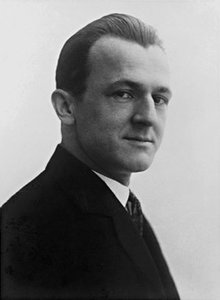
George Grosz
1893 - 1959 , Duitsland
Belangrijkste feiten
- Artistic Movement Or Style: Dada, Nieuwe Zakelijkheid
- Artists Or Movements Influenced By This Artist: ['Expressionisme']
- Date Of Birth: 26 juli 1893
- Date Of Death: 6 juli 1959
- Full Name: George Grosz
- Nationality: Duits
- Notable Artworks:
- The Pit
- Pillars Society
- Place Of Birth: Berlijn, Duitsland
Gerelateerde artikelen

Liquid Gold: Master the Bold & Fluid Power of Watercolor Art
Unlock the bold energy of watercolor art. From historical masterpieces to custom photo-to-watercolor transformations, discover how to master the fluid power of light and pigment for your modern space. Expertly curated, high-impact art for the contemporary collector.

Ephemeral Visions: Exploring the Artistic Legacy & Contemporary Practice of Watercolor Painting
Explore the captivating world of watercolor painting! Discover its rich history, essential techniques, influential artists & collecting tips. A comprehensive guide for art enthusiasts from OriginalUniqueArt.

Ephemeral Visions: Exploring the History & Emotional Resonance of Watercolor Painting
Explore the captivating history of watercolor painting, from ancient techniques to modern masters like Kandinsky & Blake. Discover essential artists, collecting tips & the emotional power of this luminous medium. Expert insights for art enthusiasts.

Top 10 Legendarische Aquarellen die de Kunst voor Altijd Veranderden | OriginalUniqueArt
Ontdek de 10 legendarische aquarellen die kunstgeschiedenis schreven! Van Turner tot Monet, leer over techniek, emotie & impact. Vind museumkwaliteit reproducties en interieurinspiratie op OriginalUniqueArt.com.

Ephemeral Visions: Exploring the Artistic Legacy & Nuances of Watercolor Painting
Explore the captivating world of watercolor painting! Discover its rich history, essential techniques, influential artists & collecting tips from art experts. A comprehensive guide for enthusiasts.


