

 Bekijk op ware grootte
 Verstuur
 Delen
Delen
 Details bekijken
 Gids voor studentenkunstwerken

 Download
 Vergelijkbare items
 Röntgenonderzoek
 Diavoorstelling
 Statistieken
Eve Repentant
 Oil On Canvas
- WallArt
- Symbolist
 1875
1875- 19th Century
 119.0 x 259.0 cm
 Tate Britain
 Lees meer
Handgemaakte olieverfreproductie
Met de hand geschilderd in olieverf op canvas in uw gewenste maat en lijst, op bestelling gemaakt door onze kunstenaars. ( Schakel over naar print Schakel over naar digitale afbeeldingen)




P118B €10

P118H €10

P118W €10

P438Z €10

P508JH €12

P508YH €12

P805H €10

P805Z €10

P919BZ €10

P919G €10

P919XJ €10

P959ZH €10

P968JZ €12

W106C €8

W218G €10

W218JH €8

W218Y €10

W307PJ €10

W316G €10

W316PJ €8

W316Y €10

W398PJ €8

W4111J €10

W500HY €15

W500JH €15

W692G €12

W849H €8

W940BG €15

W953PJ €8




Kies uit onze vooraf ingestelde maten die overeenkomen met de originele verhoudingen van het kunstwerk.

Voer de breedte en de hoogte in die u nodig heeft, passend bij uw lijst of uw muur. Dit is handgeschilderd, dus bij een afmeting met een andere vormverhouding kan de kunstenaar iets meer rondom het schilderij schilderen of juist iets meer weglaten — u kiest zelf. Wij sturen u een digitaal mockup ter goedkeuring voordat het schilderwerk begint. De afbeelding die op deze pagina wordt getoond, is niet het uiteindelijke resultaat — alleen de mockup geeft dit weer.
Na de bestelling zal het team van OriginalUniqueArt.com per e-mail contact opnemen met de klant voor instructies en een mockup-voorbeeld sturen.
Wereldwijde levering () binnen 3 tot 4 weken in plaats van de standaard 5 weken. (24 oktober). Zonder concessies aan de kwaliteit.

Gratis wereldwijde expressverzending

Hoogwaardig linnen canvas

Volledige verzendverzekering

Garantie op terugbetaling van invoerrechten

Garantie op exacte kleurweergave

Retourbeleid van 100 dagen (alleen bij defecten)

100% Geld-terug-garantie

Korting bij meerdere afnames
 De optie voor glas is alleen beschikbaar bij een formaat kleiner dan 110 cm.

Eve Repentant
Reproductiemethode
Formaat reproductie
-


Totaalprijs
€ 264
A Vision of Sorrow and Spiritual Awakening
In the quiet, evocative depths of George Frederic Watts’ “Eve Repentant,” completed around 1875, viewers are invited into a profound moment of psychological and spiritual vulnerability. As a cornerstone of Victorian Symbolism, this masterpiece transcends a mere biblical illustration; it is an intimate exploration of the human condition, capturing the heavy weight of regret and the flickering light of redemption. The painting presents Eve not as a figure of triumph or simple sin, but as a soul caught in the transformative process of repentance. Her slumped posture and bowed head convey a palpable sense of grief, drawing the observer into a shared experience of mourning and introspection that remains deeply resonant even a century and a half later.
The composition is masterfully orchestrated to guide the emotional journey of the viewer. Watts utilizes a deliberate asymmetry, centering the focus on Eve’s delicate yet burdened form. The surrounding forest setting, while providing a naturalistic backdrop, serves a much deeper symbolic purpose. Amidst the shadows of her despair, two birds appear—one perched upon her shoulder and another hovering nearby—acting as celestial messengers of hope and consolation. These subtle elements suggest that even in the depths of loss, the possibility of spiritual awakening remains ever-present, making the piece an enduring symbol of resilience for any collector seeking art with profound philosophical depth.
Mastery of Symbolist Technique and Texture
Technically, “Eve Repentant” is a triumph of the Symbolist aesthetic, where the artist’s brushwork serves the higher purpose of conveying intangible truths. Working with oil on canvas, Watts achieved a luminous, almost ethereal surface texture that breathes life into the skin of his subject and the surrounding foliage. His technique avoids the starkness of realism, opting instead for meticulous yet soft delineations that emphasize Eve's vulnerability. The way light interacts with the contours of her body creates a sense of movement and presence, as if the very atmosphere of the forest is thick with the weight of her emotions.
For the discerning interior designer or art enthusiast, this painting offers an unparalleled opportunity to introduce a sense of narrative gravity and classical elegance into a space. The rich, earthy tones and the intricate interplay of light and shadow provide a sophisticated focal point that can anchor a room with both dignity and mystery. Whether displayed in a quiet study or as a centerpiece in a grand gallery, a high-quality reproduction of this work brings with it the legacy of the House of Life—Watts’ ambitious cycle intended to represent the universal emotions and aspirations of humanity. To possess such a piece is to hold a fragment of Victorian visionary imagination, offering a timeless window into the eternal dance between shadow and light.
Vragen & Antwoorden
Welke plaatsing past bij het formaat van "Eve Repentant" door George Frederic Watts?
Het Tall-formaat van "Eve Repentant" door George Frederic Watts wordt aanbevolen voor een Living Room. Formaat en ruimte samen bepalen de ideale plaatsing van een reproductie.
Waarvoor wordt een reproductie van "Eve Repentant" door George Frederic Watts aanbevolen?
Het voorgestelde gebruik voor "Eve Repentant" door George Frederic Watts is Accent. Het kan ook voor andere doeleinden dienen.
Wie is de maker van "Eve Repentant" en bij welke stroming hoort dit werk?
George Frederic Watts creëerde "Eve Repentant" binnen de Symbolist-stroming.
Biografie van de kunstenaar
vroege leven en opleiding
George Frederic Watts, een vooraanstaand figuur binnen de symbolistische beweging, werd op 23 februari 1817 geboren in Marylebone, Londen. Zijn vroege jaren werden getekend door een kwetsbare gezondheid en het verlies van zijn moeder op jonge leeftijd. De vader van Watts, een pianomaker, bood hem een conservatieve christelijke opvoeding en introduceerde hem in de klassieke literatuur, waaronder de Ilias. Deze klassieke invloed zou later de hoeksteen vormen van zijn artistieke stijl.carrière
Watts begon zijn artistieke reis op tienjarige leeftijd, waarbij hij de kunst van het beeldhouwen leerde onder William Behnes. Op achttienjarige leeftijd schreef hij zich in als student aan de Royal Academy Schools. Zijn eerste tentoonstelling bij de academie in 1837 markeerde het begin van zijn vruchtbare carrière.- Caractacus, een tekening ingediend voor een wedstrijd voor het ontwerp van muurschilderingen voor de nieuwe Houses of Parliament, leverde Watts in 1843 de eerste prijs op.
- Zijn daaropvolgende reizen naar Italië (1843-18447) en zijn associatie met de Britse ambassadeur Henry Fox beïnvloedden zijn stijl, zoals te zien is in zijn portret van Lady Holland, tentoongesteld in 1848.
- De terugkeer van Watts naar Groot-Brittannië leidde tot een opdracht voor een fresco in de Houses of Parliament, die hij tussen 1848 en 1853 voltooide.
symbolistische meesterwerken
De meest beroemde werken van Watts omvatten:- Hope (Hoop) en Love and Life, bedoeld als onderdeel van een epische symbolische cyclus genaamd de "House of Life".
- The Triumph of the Red Cross Knight (uit The Faerie Queene), voltooid in 1852-53, toont zijn meesterschap in allegorische onderwerpen.
- Zijn portret van actrice Ellen Terry, geschilderd in 1864, is een treffend voorbeeld van zijn vermogen om de essentie van zijn subjecten te vangen.
erfenis
De invloed van Watts op de kunstwereld is onmiskenbaar. Zijn associatie met de symbolistische beweging en zijn innovatieve gebruik van kleur en vorm hebben hem tot een geliefd figuur gemaakt in de geschiedenis van de Britse kunst. Bekijk de kunstwerken van George Frederic Watts op OriginalUniqueArt.commusea met werk van Watts
- Lincoln's Inn, met zijn fresco Justice, a Hemicircle of Lawgivers.
- De Watts Gallery – Artists' Village in Guildford, Verenigd Koninkrijk, gewijd aan het behoud van de werken van Watts en andere kunstenaars.

George Frederic Watts
1817 - 1904 , Verenigd Koninkrijk
Snelle feiten
- Artistic Movement Or Style: Symbolisme
- Artists Or Movements Influenced By This Artist: ['Rossetti']
- Artists Who Influenced This Artist:
- Michelangelo
- Raphael
- Giotto
- Date Of Birth: 23 februari 1817
- Date Of Death: 1 juni 1904
- Full Name: George Frederic Watts
- Nationality: Engels
- Notable Artworks:
- Hope en liefde
- De triomf van de rode kruisruiter
- Place Of Birth: Londen, Verenigd Koninkrijk
Gerelateerde artikelen

The Soul of Impressionism: Why Oil on Canvas Captures Eternal Light and Timeless Emotion
Discover the enchanting alchemy of Impressionism. Explore how the mastery of oil on canvas, through glazing and impasto, captures eternal light and emotion. Perfect for lovers of Monet and Van Gogh seeking the profound depth of hand-painted fine art.

De Blijvende Erfenis van Olieverf op Doek: Techniek, Geschiedenis en Hedendaagse Praktijk
Ontdek de rijke geschiedenis en technieken van olieverfschilderen. Van Renaissance meesterwerken tot moderne toepassingen, leer over pigmenten, glazuur en conservering.

Oil on Canvas: A Historical & Technical Exploration of a Timeless Artistic Medium
Explore the rich history & enduring techniques of oil painting on canvas. Discover the science behind its longevity, conservation practices, and contemporary relevance. Expert insights for art enthusiasts.

The Enduring Legacy of Oil on Canvas: Technique, History & Aesthetic Impact
Explore the rich history & techniques of oil painting – from Renaissance masters to Impressionism. Discover pigments, layering methods, and why this timeless medium endures. Expert insights for artists & art enthusiasts.
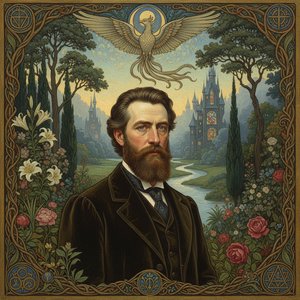
Frederick Waters Watts: A Victorian Vision of Aestheticism & Spiritual Symbolism
Explore the captivating world of Frederick Watts, a key Victorian painter blending aestheticism & spiritual symbolism. Discover his allegorical masterpieces like 'Hope' and delve into his artistic journey with OriginalUniqueArt.