
 Voorvertoning
 Verstuur
 Delen
Delen
 Details bekijken
 Gids
Gids

 Download
 Vergelijkbare items
 Röntgenonderzoek
 Diavoorstelling
 Vraag & antwoord
 Statistieken
Quaratesi Polyptych: St Nicholas and Three Poor Maidens


 Lees meer
Giclée / Kunstafdrukken
Giclée- of canvasafdruk van museumkwaliteit met een snelle productie en flexibele afwerkingsmogelijkheden. ( Bestel handgeschilderde reproductie Schakel over naar digitale afbeeldingen)




P118B €10

P118H €10

P118W €10

P438Z €10

P508JH €12

P508YH €12

P805H €10

P805Z €10

P919BZ €10

P919G €10

P919XJ €10

P959ZH €10

P968JZ €12

W106C €8

W218G €10

W218JH €8

W218Y €10

W307PJ €10

W316G €10

W316PJ €8

W316Y €10

W398PJ €8

W4111J €10

W500HY €15

W500JH €15

W692G €12

W849H €8

W940BG €15

W953PJ €8




Kies uit onze vooraf ingestelde maten die overeenkomen met de originele verhoudingen van het kunstwerk.

Voer de gewenste breedte en hoogte in, passend bij uw lijst of muur. Een afdruk kan alleen worden ingekort en nooit groter worden gemaakt dan het origineel; een formaat met andere verhoudingen zal daarom een deel van de afbeelding verliezen. Wij sturen u een digitaal mockup ter goedkeuring voordat we tot drukwerk overgaan. De afbeelding op deze pagina toont niet de werkelijke uitsnede — dit is alleen te zien op het mockup.
Wereldwijde levering () binnen 2 weken in plaats van de standaard 4/5 weken. (7 november)

Gratis wereldwijde expressverzending

Hoogwaardig linnen canvas

Volledige verzendverzekering

Garantie op terugbetaling van invoerrechten

Garantie op exacte kleurweergave

Retourbeleid van 100 dagen (alleen bij defecten)

100% Geld-terug-garantie

Korting bij meerdere afnames
 De optie voor glas is alleen beschikbaar bij een formaat kleiner dan 110 cm.

Quaratesi Polyptych: St Nicholas and Three Poor Maidens
Giclée / Kunstafdrukken
Afmetingen reproductie
-


Eindtotaal
€ 72
A Glimpse into the Heart of International Gothic
Gentile da Fabriano’s Quaratesi Polyptych: St Nicholas and Three Poor Maidens, painted in 1425, isn't merely a religious scene; it’s a vibrant tableau brimming with humanist ideals, exquisite detail, and the luminous grace that defined the International Gothic style. Born in Fabriano around 1370, Gentile emerged from a rich artistic milieu, absorbing the refined aesthetics of his time – a period where craftsmanship and narrative intertwined to create works of breathtaking beauty. This particular polyptych, commissioned for the Quaratesi chapel in Florence, offers a captivating window into the world of late medieval piety and the burgeoning influence of humanism on religious art. It’s a testament to Fabriano's mastery of color, texture, and composition, elements that continue to resonate with viewers centuries later.
The Narrative of Charity and Divine Grace
At first glance, the scene depicts a poignant encounter between St. Nicholas – the legendary gift-giver – and three impoverished women. The foreground is dominated by these figures, kneeling in humble devotion, one holding a small, richly colored object—perhaps a loaf of bread or a piece of cloth, symbolizing generosity and sustenance. Their gestures are imbued with quiet dignity, their faces reflecting a mixture of hope and gratitude. The background reveals a more complex scene: four individuals – including a man dressed in blue and a hat – suggest the presence of onlookers, perhaps witnesses to this act of charity. A simple chair sits in the middle ground, hinting at a moment of respite or reflection within this sacred space. The arrangement isn’t simply decorative; it establishes a clear hierarchy, guiding the viewer's eye through a carefully orchestrated narrative.
Further research reveals that this polyptych was part of a larger altarpiece, originally consisting of five panels. The central panel featured Our Lady enthroned with the Child, flanked by Saints Mary Magdalene and Nicholas. The other panels depicted St. John the Baptist, St. George, and the Pilgrims at the tomb of St. Nicholas – each contributing to a rich tapestry of biblical stories and devotional themes. This interconnectedness underscores Fabriano’s skill in creating complex visual narratives that engaged the viewer on multiple levels.
A Symphony of Color and Detail: The Technique of Gentile da Fabriano
Fabriano's genius lies not only in his storytelling but also in his unparalleled technical prowess. Painted in tempera on wood panels, the work showcases a remarkable attention to detail—from the intricate folds of the women’s garments to the delicate rendering of St. Nicholas’s beard and the shimmering quality of the objects they hold. The use of gold leaf adds an ethereal glow, elevating the scene to a realm of divine beauty. The artist masterfully employs *sfumato*, a technique that softens outlines and creates subtle gradations of light and shadow, lending depth and realism to the figures. Notice how he uses color not just for representation but also for emotional effect – the warm reds and yellows evoke feelings of warmth and generosity, while cooler blues and greens contribute to a sense of serenity.
A Window into a Renaissance World
The Quaratesi Polyptych is more than just a beautiful painting; it’s a valuable historical document. It reflects the growing influence of humanism on art, as evidenced by the realistic portrayal of the figures and their emotional expressions. Fabriano's work also demonstrates the continued importance of religious iconography in shaping people’s beliefs and values during this transformative period. The polyptych stands as a testament to his artistic vision and his ability to capture the essence of human experience within the framework of Christian faith. Reproductions, like those offered by OriginalUniqueArt.com, allow us to appreciate this masterpiece's beauty and complexity in a way that was never before possible, bringing its timeless message to a new generation.
Veelgestelde vragen
In welk jaar en binnen welke stroming werd "Quaratesi Polyptych: St Nicholas and Three Poor Maidens" gemaakt?
"Quaratesi Polyptych: St Nicholas and Three Poor Maidens" werd in 1425 gecreëerd als een werk uit de International Gothic-stroming. De datum en de stroming verankeren het kunstwerk in de kunstgeschiedenis.
Op welke fase in de carrière van Gentile Da Fabriano komt de datum uit 1425 van "Quaratesi Polyptych: St Nicholas and Three Poor Maidens" overeen?
Gezien de datering uit 1425, valt "Quaratesi Polyptych: St Nicholas and Three Poor Maidens" binnen de Mature Period van Gentile Da Fabriano.
Is Gentile Da Fabriano, maker van "Quaratesi Polyptych: St Nicholas and Three Poor Maidens", bekend onder andere namen?
Andere namen waaronder Gentile Da Fabriano, maker van "Quaratesi Polyptych: St Nicholas and Three Poor Maidens", bekend is, zijn onder andere Gentile Di Niccolò Di Giovanni Di Massio.
Biografie kunstenaar
Gentile da Fabriano (c. 1370-1427): Master of International Gothic
Gentile da Fabriano, a name synonymous with the opulent grace of the International Gothic style, emerged from the artistic landscape of late 14th-century Italy. Born around 1370 in the picturesque town of Fabriano, nestled in the Marche region, his early life remains shrouded in some mystery. We know his mother passed away before 1380 and that his father, Niccolò di Giovanni Massi, sought solace within a monastery by 1385 – events that likely shaped the young Gentile’s formative years. Though details of his initial training are scarce, it's evident from his earliest known work, the *Madonna with Child* (c. 1395-1400), now in Berlin, that he absorbed the refined aesthetics of late Gothic painting prevalent in northern Italy. This early piece already hints at the delicate precision and elegant forms that would come to define his mature style.Venetian Flourishes and a Rising Reputation
By approximately 1405, Gentile had established himself as a working artist in Venice, a vibrant hub of commerce and cultural exchange. Here, he undertook commissions such as a panel for the church of Santa Sofia – sadly now lost to time – and collaborated with prominent artists like Jacopo Bellini. His Venetian period brought him into contact with other influential figures, including Pisanello and Michelino da Besozzo, fostering an artistic dialogue that enriched his evolving style. It was during this time he began to develop a reputation for meticulous detail and a sophisticated use of color, characteristics that would become hallmarks of his work. The frescoes commissioned for the Doge’s Palace, depicting a naval battle, though also lost, demonstrate his ability to tackle large-scale narrative compositions. His travels and collaborations broadened his artistic horizons, preparing him for even greater achievements in the years to come.Masterpieces of Faith and Form: Florence and Beyond
The period between 1410 and 1412 saw Gentile creating one of his most celebrated works, the *Valle Romita Polyptych*, now housed in the Pinacoteca di Brera. This complex altarpiece showcases his mastery of composition, color harmony, and intricate detail. However, it was his move to Florence in 1420 that truly cemented his legacy. Commissioned by the wealthy merchant Palla Strozzi, Gentile embarked on what is arguably his most iconic creation: the *Adoration of the Magi* (1423), now gracing the halls of the Uffizi Gallery. This masterpiece exemplifies the International Gothic style at its zenith – a dazzling display of opulent fabrics, exquisite jewels, and graceful figures arranged in a meticulously crafted scene. The painting is not merely a religious depiction; it’s a celebration of wealth, power, and artistic skill. Gentile's use of gold leaf and vibrant colors creates an otherworldly luminescence, drawing the viewer into the sacred narrative. His Florentine period also yielded other significant works, including the *Intercession Altarpiece* and the *Quaratesi Polyptych*, each demonstrating his continued refinement of technique and artistic vision.A Lasting Influence: Legacy and Historical Significance
Gentile da Fabriano’s life was tragically cut short; he died before October 14, 1427, and was buried either in Rome or Florence – the exact location of his final resting place remains uncertain. Despite his relatively brief career, his impact on Italian art was profound. He bridged the gap between the late Gothic tradition and the emerging Renaissance aesthetic, influencing a generation of artists with his refined technique and elegant style. His emphasis on detailed observation, naturalistic representation, and sophisticated color palettes paved the way for the innovations of artists like Masaccio and Fra Angelico. Gentile’s work stands as a testament to the enduring power of beauty, craftsmanship, and artistic vision – a shining example of the International Gothic at its most glorious. Explore further insights into the International Gothic style through resources available at OriginalUniqueArt.com. Delve deeper into his life and work with information from Wikipedia.
Gentile Da Fabriano
1370 - 1427 , Italië
Belangrijkste feiten
- Artistic Movement Or Style: Internationale Gotiek
- Artists Who Influenced This Artist: ['Noordelijke Italiaanse laatgotiek']
- Date Of Birth: c. 1370
- Full Name: Gentile di Niccolò di Giovanni Massio
- Nationality: Italiaans
- Notable Artworks:
- Adoration of the Magi
- Valle Romita Polyptych
- Place Of Birth: Fabriano, Italië
Gerelateerde artikelen

Gothic Vibes: From Dark Shadows to Bold Modern Edge | The Ultimate Trend Forecast
Explore the evolution of Gothic vibes, from historical shadows to bold modern edge. Discover how dark aesthetics, noir interiors, and contemporary subcultures are redefining modern design through a high-impact, trend-focused lens.

Leonardo da Vinci's Top 25 Meesterwerken: Kunst voor uw Interieur | OriginalUniqueArt
Ontdek de 25 meest iconische meesterwerken van Leonardo da Vinci! Van de Mona Lisa tot De Laatste Avondmaal, leer over zijn techniek & geschiedenis. Museumkwaliteit kunstprints voor uw interieur op OriginalUniqueArt.com

Leonardo da Vinci: A Renaissance Master’s Synthesis of Art, Science & Human Observation – Reinterpreted for the Collector
Explore Leonardo da Vinci’s timeless masterpieces with OriginalUniqueArt. Discover insights into his art, science, and legacy – trusted expertise for discerning collectors seeking authentic reproductions & investment opportunities.
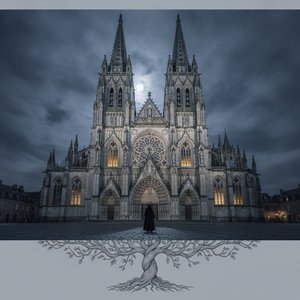
Shadows & Splendor: A Journey Through the Soul of Gothic Art and Architectural Grandeur
Embark on a profound journey through the spiritual intensity of Gothic art. Explore the architectural marvels, luminous stained glass, and sacred sculptures that define this era of grandeur and human devotion.

Beyond Borders: The Spiritual & Stylistic Innovations of International Gothic Art
Explore the exquisite beauty & spiritual depth of International Gothic art. Discover key artists like Simone Martini & Pol de Limbourg, its origins, symbolism, and lasting influence on European painting. Expert insights at OriginalUniqueArt.