

 Bekijk op ware grootte
 Verstuur
 Delen
Delen
 Details bekijken
 Gids voor studentenkunstwerken

 Download
 Vergelijkbare items
 Röntgenonderzoek
 Diavoorstelling
 Statistieken
Passion Flower


 Lees meer
Giclée / Kunstafdrukken
Giclée- of canvasafdruk van museumkwaliteit met een snelle productie en flexibele afwerkingsmogelijkheden. ( Koop handgeschilderd kunstwerk Schakel over naar digitale afbeeldingen)




P118B $10

P118H $10

P118W $10

P438Z $10

P508JH $12

P508YH $12

P805H $10

P805Z $10

P919BZ $10

P919G $10

P919XJ $10

P959ZH $10

P968JZ $12

W106C $8

W218G $10

W218JH $8

W218Y $10

W307PJ $10

W316G $10

W316PJ $8

W316Y $10

W398PJ $8

W4111J $10

W500HY $15

W500JH $15

W692G $12

W849H $8

W940BG $15

W953PJ $8




Kies uit onze vooraf ingestelde maten die overeenkomen met de originele verhoudingen van het kunstwerk.

U kunt uw eigen afmetingen opgeven om in een specifieke lijst of ruimte te passen. Als de door u gekozen maat niet overeenkomt met de proporties van het originele kunstwerk, zullen wij de afbeelding bijsnijden of uitbreiden met een gespiegelde of effen rand. Een digitaal mockup wordt ter goedkeuring naar u verzonden voordat de productie begint.
Houd er rekening mee dat de preview op het scherm de werkelijke bijsneding of uitbreiding niet weergeeft. Alleen de mockup toont de uiteindelijke compositie nauwkeurig.
Hoewel aangepaste maten beschikbaar zijn, raden wij aan een afmeting uit de vooraf bepaalde lijst te kiezen om de originele proporties te behouden.
Wereldwijde levering () binnen 2 weken in plaats van de standaard 4/5 weken. (26 september)

Gratis wereldwijde expressverzending

Hoogwaardig linnen canvas

Volledige verzendverzekering

Garantie op terugbetaling van invoerrechten

Garantie op exacte kleurweergave

Retourbeleid van 100 dagen (alleen bij defecten)

100% Geld-terug-garantie

Korting bij meerdere afnames
 De optie voor glas is alleen beschikbaar bij een formaat kleiner dan 110 cm.

Passion Flower
Giclée / Kunstafdrukken
Formaat reproductie
-


Totaalprijs
$ 81
Gene Davis’s “Passion Flower”: A Vertical Symphony of Color
Gene Davis's "Passion Flower," painted in 1968, isn’t merely a depiction of a flower; it’s an immersive experience—a vibrant plunge into the heart of Color Field painting and the Washington Color School. This work, housed within the esteemed San Francisco Museum of Modern Art (SFMOMA), stands as a testament to Davis's pioneering approach to abstraction, utilizing color not to represent form but to evoke feeling and rhythm. The piece immediately commands attention with its bold, vertical stripes—a seemingly simple arrangement that belies a complex interplay of visual elements and a profound exploration of the chromatic spectrum.
Davis’s genius lies in his meticulous control of color and line. Each stripe is an individual entity, a solid block of hue ranging from fiery oranges and passionate reds to cool blues and serene pinks. These colors aren't blended or mixed; they exist as distinct, unyielding planes, creating a dynamic visual texture that shifts with the viewer’s perspective. The consistent width of each line adds to this sense of order and rhythm, while subtle variations in saturation and intensity prevent the composition from feeling static. It’s akin to a carefully orchestrated musical score—a series of deliberate color notes building towards an emotional crescendo.
The Washington Color School and the Rise of Field Painting
To fully appreciate “Passion Flower,” it's crucial to understand its context within the broader art movement of the mid-20th century. Davis was a key figure in the Washington Color School, a group of painters based in Washington D.C. who pushed the boundaries of abstract expressionism by focusing almost exclusively on color and its effects. This movement emerged as a reaction against the gestural brushstrokes and figurative elements prevalent in earlier forms of abstraction. Instead, artists like Davis sought to create paintings that were purely about color—to explore its emotional power and visual resonance without relying on representational imagery.
The Washington Color School’s approach was heavily influenced by the work of Mark Rothko, whose large-scale color field paintings had a profound impact on the group. However, Davis developed his own distinctive style, characterized by his use of vertical stripes and his meticulous attention to detail. His work can be seen as a bridge between Rothko's meditative color explorations and the more dynamic compositions of Morris Louis and Kenneth Noland, both contemporaries within the Color Field movement.
Decoding the Symbolism: Beyond the Floral Subject
While “Passion Flower” ostensibly depicts a flower—a symbol of love, sacrifice, and rebirth—Davis deliberately stripped away any representational elements. The absence of recognizable forms allows the viewer to project their own emotions and associations onto the painting. The vibrant colors themselves carry symbolic weight: red evokes passion and energy, blue suggests tranquility and introspection, while pink hints at tenderness and vulnerability.
Interestingly, the title itself—"Passion Flower"—references the flower's association with the crucifixion of Christ. This religious symbolism adds another layer of meaning to the work, suggesting a connection between earthly beauty and spiritual transcendence. However, Davis’s focus on pure color suggests that he wasn’t interested in literal representation but rather in capturing the *feeling* of passion—its intensity, its complexity, and its transformative power.
A Legacy of Color: Reproduction and Interior Design
Today, “Passion Flower” remains a seminal work of American abstract art. Its bold colors and dynamic composition continue to captivate viewers and inspire artists. High-quality reproductions offer an accessible way to experience the painting’s emotional impact, making it a valuable addition to any collection or interior space. The vertical stripes create a strong visual anchor, adding a touch of sophistication and energy to any room. Consider pairing this artwork with complementary colors—such as earthy greens or warm neutrals—to enhance its vibrancy and create a harmonious aesthetic.
Gene Davis’s “Passion Flower” is more than just a painting; it's an invitation to lose yourself in the world of color, to explore the depths of emotion, and to appreciate the power of abstraction. It stands as a testament to his innovative approach and enduring legacy within the art world.
Biografie van de kunstenaar
De Architect van Kleur: Het Leven en de Nalatenschap van Gene Davis
In het levendige weefsel van de Amerikaanse abstractie uit het midden van de vorige eeuw, schijnen weinig draden zo helder of zo ritmisch als die van Gene Davis. Als pionier van de Color Field-beweging bezat Davis het unieke vermogen om het canvas te transformatie tot een ritmische ervaring van licht en beweging. Geboren in Washington, D.C. in 1920, was zijn weg naar het worden van een centrale figuur binnen de Washington Color School niet er een van onmiddellijke abstractie, maar eerder een geleidelijke evolutie, gevormd door een scherp observatievermogen. Voordat hij de penseel ooit aanstuurde om zijn iconische strepen te creëren, werkte Davis als sportjournalist, een beroep dat een scherpe focus vereiste op beweging, energie en het zich ontvouwende drama van live evenementen—elementen die later hun weg zouden vinden naar de pulserende verticaliteit van zijn schilderijen.
De zaden van zijn abstracte taal werden geplant door een diepe betrokkenheid bij het Europees modernisme. Tijdens zijn vormende jaren vond Davis diepe inspiratie in de werken van Paul Klee en Arshile Gorky, kunstenaars die lieten zien hoe vorm kon worden gedestilleerd tot pure emotie en symbolische gewicht. Door zichzelf onder te dompelen in de meesterwerken van de Phillips Collection, begon hij te begrijpen dat kleur niet slechts een onderwerp diende; kleur was het onderwerp. Dit besef zette hem op een pad weg van traditionele representatie en richting een revolutionaire manier van kijken, waarbij de grenzen tussen vorm en tint begonnen op te lossen in pure, chromatische energie.
Het Ritme van de Streeppartij: Innovatie en Techniek
Het jaar 1958 markeerde een seismische verschuiving in de carrière van Davis en de bredere koers van de Amerikaanse kunst. Het was tijdens deze periode dat hij begon met het produceren van zijn gevierde acrylstrepen-schilderijen, een techniek die zijn onmiskenbare handtekening zou worden. Door afstand te nemen van de zware, gebarende texturen van het Abstract Expressionisme, omarmde Davis de vlakke, lichtgevende kwaliteiten van acrylverf. Zijn composities bevatten vaak monumentale verticale kleurbanden die tegen elkaar leken te vibreren, waardoor een gevoel van optische beweging ontstond dat de kijker in een hypnotiserende, ritmische trance trok.
Deze werken waren veel meer dan eenvoudige geometrische oefeningen; het waren verkenningen van ruimte en perceptie. Door gebruik te maken van de benadering van de Washington Color School, benadrukte Davis de voorrang van kleur, waarbij hij elke streep liet interagerende met zijn buur door subtiele verschuivingen in waarde en verzadiging. Zijn techniek maakte een unieke vorm van "ademen" binnen het schilderij mogelijk, waarbij het oog wordt aangemoedigd om verticaal over het canvas te dansen. Deze beheersing van herhaling en ritme stelde hem in staat de essentie van stedelijke energie en natuurlijk licht vast te leggen, waarbij hij de chaos van de moderne wereld vertaalde naar een gestructureerde, maar diep vloeiende, visuele taal.
Een Blijvende Indruk op de Amerikaanse Abstractie
Als hoeksteen van de Washington Color School, samen met tijdgenoten als Morris Louis en Kenneth Nuthland, hielp Gene Davis de grenzen van de post-painterly abstractie te herdefiniëren. Zijn werk stond als een testament voor de kracht van terughoudendheid en de oneindige mogelijkheden die worden gevonden binnen een beperkt palet. Zelfs in zijn latere werken, zoals het evocatieve Night Rider uit 1983, is zijn vermogen om gewaagde tinten te mengen met complexe beeldtaal zichtbaar, wat bewijst dat zijn meesterschap in kleur diepe, symbolische verhalen kon ondersteunen.
De historische betekenis van Gene Davis ligt in zijn rol als een brug tussen de intense emotionaliteit van de vroege abstractie en de koele, berekende precisie van de latere Color Field-schilderkunst. Zijn nalatenschap is te vinden in elk canvas dat de zintuiglijke ervaring van kleur prioriteit geeft boven de weergave van vorm. Door zijn ritmische strepen liet hij een visuele symfonie achter die wereldwijd blijft resoneren bij verzamelaars en kunstliefhebbers, als een herinnering dat kunst zowel diep eenvoudig als oneindig complex kan zijn.

Gene Davis
1920 - 1985 , Verenigde Staten van Amerika
Snelle feiten
- Artistic Movement Or Style: Color Field Painting
- Artists Who Influenced This Artist:
- Paul Klee
- Arshile Gorky
- Date Of Birth: August 22, 1920
- Date Of Death: April 6, 1985
- Full Name: Gene Bernard Davis
- Nationality: Amerikaans
- Notable Artworks:
- Black Grey Beat
- Blue Freak-Out
- Place Of Birth: Washington, D.C.
Gerelateerde artikelen
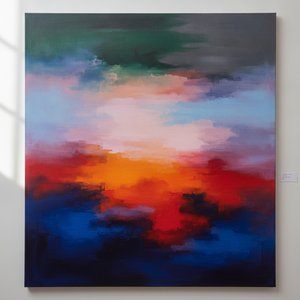
Color Field Painting: The Emotional Power of Pure Abstraction and Chromatic Depth
Explore the profound emotional depth of Color Field painting. Discover the history of mid-century abstraction, from Rothko to Newman, and learn how pure color transforms the viewer's experience through our expert art history guide.

Top 10 Abstract Expressionisme Meesterwerken: Kunst voor uw Interieur | OriginalUniqueArt.com
Ontdek de 10 meest invloedrijke werken van Abstract Expressionisme! Leer over Jackson Pollock, Mark Rothko & meer. Museumkwaliteit kunst reproducties voor uw interieur. Bekijk de collectie op OriginalUniqueArt.com.

Top 10 Meesterwerken van de Geometrische Abstractie | OriginalUniqueArt.nl
Ontdek de 10 meest invloedrijke meesterwerken van de geometrische abstractie! Van Mondriaan tot Malevich, leer over kunstenaars, technieken & kleuren. Museumkwaliteit reproducties op OriginalUniqueArt.com – voor een unieke interieurstijl.
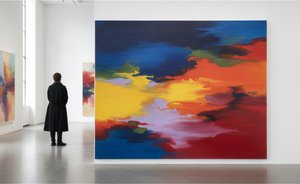
Beyond the Brushstroke: A Definitive Guide to the Emotional Power of Color Field Painting
Explore the profound history and emotional depth of Color Field painting. From Mark Rothko to Barnett Newman, discover how pure color redefined modern art through our expert-led guide for students and collectors alike.

Gene Davis: Chromatic Explorations of Color Field Painting & the Washington Color School
Explore the vibrant world of Gene Davis and the Washington Color School. Discover his iconic stripe paintings, innovative techniques, and lasting impact on American abstract art. A deep dive for collectors & enthusiasts.