

 Bekijk op ware grootte
 Verstuur
 Delen
Delen
 Details bekijken
 Gids voor studentenkunstwerken

 Download
 Vergelijkbare items
 Röntgenonderzoek
 Diavoorstelling
 Statistieken
Landscape
 Oil On Canvas
- WallArt
- British Landscape Painting
 96.0 x 146.0 cm
 The Hepworth Wakefield
 Lees meer
Handgemaakte olieverfreproductie
Met de hand geschilderd in olieverf op canvas in uw gewenste maat en lijst, op bestelling gemaakt door onze kunstenaars. ( Schakel over naar print Schakel over naar digitale afbeeldingen)




P118B €10

P118H €10

P118W €10

P438Z €10

P508JH €12

P508YH €12

P805H €10

P805Z €10

P919BZ €10

P919G €10

P919XJ €10

P959ZH €10

P968JZ €12

W106C €8

W218G €10

W218JH €8

W218Y €10

W307PJ €10

W316G €10

W316PJ €8

W316Y €10

W398PJ €8

W4111J €10

W500HY €15

W500JH €15

W692G €12

W849H €8

W940BG €15

W953PJ €8




Kies uit onze vooraf ingestelde maten die overeenkomen met de originele verhoudingen van het kunstwerk.

Voer de breedte en de hoogte in die u nodig heeft, passend bij uw lijst of uw muur. Dit is handgeschilderd, dus bij een afmeting met een andere vormverhouding kan de kunstenaar iets meer rondom het schilderij schilderen of juist iets meer weglaten — u kiest zelf. Wij sturen u een digitaal mockup ter goedkeuring voordat het schilderwerk begint. De afbeelding die op deze pagina wordt getoond, is niet het uiteindelijke resultaat — alleen de mockup geeft dit weer.
Na de bestelling zal het team van OriginalUniqueArt.com per e-mail contact opnemen met de klant voor instructies en een mockup-voorbeeld sturen.
Wereldwijde levering () binnen 3 tot 4 weken in plaats van de standaard 5 weken. (23 oktober). Zonder concessies aan de kwaliteit.

Gratis wereldwijde expressverzending

Hoogwaardig linnen canvas

Volledige verzendverzekering

Garantie op terugbetaling van invoerrechten

Garantie op exacte kleurweergave

Retourbeleid van 100 dagen (alleen bij defecten)

100% Geld-terug-garantie

Korting bij meerdere afnames
 De optie voor glas is alleen beschikbaar bij een formaat kleiner dan 110 cm.

Landscape
Reproductiemethode
Formaat reproductie
-


Totaalprijs
€ 264
A Window on the English Countryside: Frederick Waters Watts’ “Landscape”
Frederick Waters Watts' "Landscape," a captivating oil painting from around 1860, isn’t merely a depiction of a rural scene; it’s an invitation into a meticulously rendered world brimming with quiet observation and a profound connection to the English countryside. The piece immediately draws the viewer in with its harmonious palette – a symphony of greens, blues, and browns that evoke the serenity of a late summer afternoon. It's a landscape steeped in Constablean influence, prioritizing atmospheric perspective and a subtle, almost melancholic beauty over dramatic grandeur.
The composition itself is deceptively simple yet remarkably effective. A meandering river dominates the midground, its waters reflecting the sky above with an ethereal quality. A dirt path, barely discernible, leads the eye into the distance, hinting at journeys and possibilities. Scattered amongst the trees are a few figures – likely farmers or laborers – engaged in quiet activities, their presence adding a touch of human scale to the vastness of the scene without disrupting the overall sense of tranquility. The rolling hills in the background, painted with delicate brushstrokes, fade into a hazy blue, creating an illusion of depth and distance that is characteristic of Watts’ style.
The Painter's Hand: Technique and Style
Watts was deeply influenced by John Constable, and this influence is readily apparent in "Landscape." He masterfully employed *plein air* painting techniques – working directly from nature – to capture the fleeting effects of light and atmosphere. Notice the subtle variations in color across the foliage, the way shadows fall on the ground, and the delicate rendering of water surfaces. The brushwork is loose yet controlled, creating a sense of movement and texture that brings the landscape to life. The artist’s attention to detail is remarkable; individual leaves are suggested rather than meticulously rendered, allowing the eye to fill in the gaps and contributing to the painting's overall impressionistic quality.
Furthermore, Watts skillfully utilized atmospheric perspective – *sfumato* – to create a sense of depth. Objects further away appear paler and less distinct, while those closer are richer in color and detail. This technique is particularly evident in the distant hills, which seem to dissolve into the hazy blue sky. The use of muted tones and subtle gradations of color contributes significantly to the painting’s overall mood of quiet contemplation.
A Victorian Vision: Historical Context
"Landscape" reflects the artistic sensibilities of the mid-19th century – a period when landscape painting was experiencing a resurgence in popularity. Following the Romantic movement, artists began to turn their attention to the beauty and sublimity of nature, seeking solace and inspiration in the countryside. Watts’ work aligns with this trend, capturing the idealized vision of rural England that was so prevalent during the Victorian era.
The painting also speaks to a broader cultural shift – a growing appreciation for the natural world and a desire to escape the pressures of urban life. The Victorian period witnessed significant industrialization and urbanization, leading many people to seek refuge in the countryside. Landscape art provided a means of reconnecting with nature and celebrating its enduring beauty. Watts’ painting embodies this sentiment, offering a glimpse into a simpler, more harmonious way of life.
Symbolism and Emotional Resonance
Beyond its technical merits, “Landscape” is imbued with subtle symbolism. The meandering river can be interpreted as a metaphor for the passage of time, while the figures in the foreground represent humanity’s connection to the land. The overall mood of the painting – serene, contemplative, and slightly melancholic – reflects the Victorian fascination with mortality and the fleeting nature of beauty. It's not simply a pretty picture; it invites reflection on our relationship with the natural world and our place within it.
The painting’s enduring appeal lies in its ability to evoke a sense of nostalgia for a bygone era – a time when life moved at a slower pace and people were more attuned to the rhythms of nature. “Landscape” is a testament to Watts' skill as an artist and his profound understanding of the English countryside, offering viewers a moment of respite from the complexities of modern life.
Vragen & Antwoorden
Is "Landscape" in zijn geheel eerder licht of donker?
De helderheid van "Landscape" door Frederick Waters Watts is vastgelegd op bright, met een luminantie van Gentle Luminance.
Zijn de kleuren van "Landscape" door Frederick Waters Watts verzadigd of gedempt?
"Landscape" door Frederick Waters Watts is vastgelegd met een Balanced Soft verzadiging.
Wat voor soort kunstwerk is "Landscape"?
"Landscape" is een WallArt-werk.
Biografie van de kunstenaar
Frederick Waters Watts (1800 - 1862): Een Constableiaanse Visie van het Engelse Landschap
Frederick Waters Watts, een Britse landschapsschilder geboren in Bath, Somerset, in 1800, blijft een enigmatische figuur binnen de Victoriaanse kunstgeschiedenis. Ondanks het relatief schamele aantal biografische details – voornamelijk voortvloeiend uit onvolledige gegevens over zijn afkomst en overlijdensdatum – duurt Watts’ artistieke nalatenschap voort als een getuigenis van zijn diepe invloed op Constable en zijn meesterschap in het vastleggen van de serene schoonheid van het Engelse platteland. Zijn leven werd gekenmerkt door een onwrikbare toewijding aan het vaststellen van de essentie van de natuur, resulterend in schilderijen die resoneren met een rustige waardigheid en contemplatieve geest.- Vroege Leven en Opleiding: Watts’ jeugdige jaren waren gehuld in duisternis. Geboren op 7 oktober 1800, werd hij gedoopt als F. Waters Watts in St Albans Abbey in Hertfordshire – een detail dat de uitdagingen benadrukt waarmee historici te maken hebben bij het reconstrueren van zijn persoonlijke geschiedenis.
- Koninklijke Academie Toelating en Artistieke Invloeden: Watts trad in 1817 toe tot de Koninklijke Academie Scholen in Londen, waar hij in 1821 een zilveren medaille won en doorgaande exposities hield totdat hij in 1860 overleed. Cruciaal was dat hij John Constable als zijn primaire artistieke inspiratie identificeerde – een connectie die diepgaand invloed had op zijn stijlanpak.
- Artistieke Productie: Gedurende decennia produceerde Watts ongeveer 380 schilderijen – voornamelijk landschappen – die het Romantische verlangen naar sublime schoonheid en emotionele resonantie illustreren. Zijn onderwerpen varieerden van rivierscènes in goudkleurig licht tot uitgestrekte vergezichten met rollende heuvels en bosrijke valleien. Beknopte werken omvatten “At The Old Forge”, een nauwkeurige weergave van een landelijke molen die Constableiaanse elementen combineert, en “A Suffolk Landscape”, die de vredige charme van het graafschap Suffolk vastlegt. Deze schilderijen worden gekenmerkt door een delicate penseelstreek, gedempte kleurenpaletten en een nadruk op het vastleggen van de sfeer van het moment – weerspiegelend Watts’ toewijding aan het overbrengen van niet alleen visuele informatie, maar ook psychologische diepte.
De Invloed van Constable en Stijlontwikkeling
Watts’ bewondering voor Constable ging verder dan louter esthetische voorkeur; het doordrong zich in zijn techniek en compositiesensibiliteit. Net als Constable gaf Watts prioriteit aan “en plein air” schilderen – direct buiten werken vanuit observatie – en streefde hij ernaar de subtiele nuances van licht en atmosfeer in zijn doeken vast te leggen. De Mill at Dedham, Constable’s iconische weergave van een landelijke molenscene, diende als benchmark voor Watts’ eigen verkenningswerk op het gebied van landschap. Zijn schilderijen vertonen vaak de rustige sfeer van Engelse velden en bossen, met een bijzondere aandacht voor licht en schaduw. Hij was bijzonder geïnteresseerd in het vastleggen van watermolens, rivieren en beken, en creëerde er vaak serene composities waarin menselijke figuren op subtiele wijze in de omgeving werden geplaatst.Historische Betekenis en Erfenis
Watts’ artistieke productie spande decennia in beslag, resulterend in ongeveer 380 schilderijen – voornamelijk landschappen – die het Romantische verlangen naar sublime schoonheid en emotionele resonantie illustreren. Zijn onderwerpen varieerden van rivierscènes in goudkleurig licht tot uitgestrekte vergezichten met rollende heuvels en bosrijke valleien. Beknopte werken omvatten “At The Old Forge”, een nauwkeurige weergave van een landelijke molen die Constableiaanse elementen combineert, en “A Suffolk Landscape”, die de vredige charme van het graafschap Suffolk vastlegt. Deze schilderijen worden gekenmerkt door een delicate penseelstreek, gedempte kleurenpaletten en een nadruk op het vastleggen van de sfeer van het moment – weerspiegelend Watts’ toewijding aan het overbrengen van niet alleen visuele informatie, maar ook psychologische diepte.- Museum Collecties: Watts’ schilderijen bevinden zich in verschillende prominente musea in Europa, waaronder het Suermondt-Ludwig Museum in Aken, Duitsland, waar ze bijdragen aan een divers verzameling kunstwerken die sprekend zijn voor verschillende artistieke bewegingen.

Frederick Waters Watts
1800 - 1870 , Verenigd Koninkrijk
Snelle feiten
- Artistic Movement Or Style: Romantische landschapspinturen
- Artists Or Movements Influenced By This Artist: ['Romantisch landschap']
- Artists Who Influenced This Artist: ['John Constable']
- Date Of Birth: 7 okt 1800
- Date Of Death: 4 juli 1870
- Full Name: Frederick Waters Watts
- Nationality: Britse
- Notable Artworks:
- At The Old Forge
- Suffolk Landscape
- Place Of Birth: Bath, Verenigd Koninkrijk
Gerelateerde artikelen
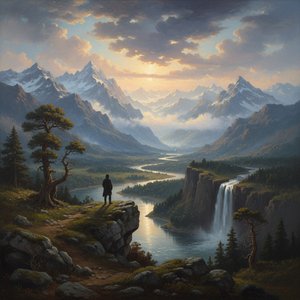
Frederick William Hayes: Transcendental Landscapes & the American Sublime
Explore the captivating landscapes of Frederick William Hayes, a Victorian artist influenced by the Hudson River School & literary utopias. Discover his legacy and artistic techniques at OriginalUniqueArt.

John Constable's Top 25 Meesterwerken: Landschappen die de Ziel Raaken | OriginalUniqueArt
Ontdek de 25 mooiste schilderijen van John Constable, meester van de Engelse Romantiek. Van idyllische landschappen tot iconische Hay Wain – bewonder zijn techniek en emotie. Museumkwaliteit reproducties & decoratie op OriginalUniqueArt.com.
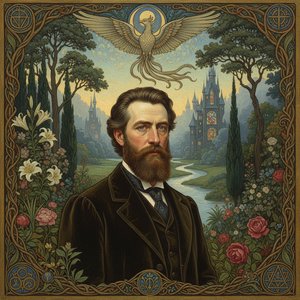
Frederick Waters Watts: A Victorian Vision of Aestheticism & Spiritual Symbolism
Explore the captivating world of Frederick Watts, a key Victorian painter blending aestheticism & spiritual symbolism. Discover his allegorical masterpieces like 'Hope' and delve into his artistic journey with OriginalUniqueArt.

Arboreal Echoes: A Historical & Artistic Exploration of Trees in Painting
Explore the rich history of trees in painting! Discover symbolism, Romantic masterpieces by Caspar David Friedrich & beyond. A curated journey for art enthusiasts.

Romantische Landschappen: Top 10 Meesterwerken voor een Sfeervol Interieur | OriginalUniqueArt.nl
Ontdek de 10 meest iconische meesterwerken van de Romantiek! Reis door de tijd met Caspar David Friedrich, Turner & Delacroix. Laat je inspireren en vind museumkwaliteit kunst reproducties voor een sfeervol interieur op OriginalUniqueArt.com.
