

 Voorvertoning
 Verstuur
 Delen
Delen
 Details bekijken

 Download
 Vergelijkbare items
 Röntgenonderzoek
 Diavoorstelling
The Rainbow (also known as Rainbow over Burnley)


 Lees meer
Handgemaakte olieverfreproductie
Met de hand geschilderd in olieverf op canvas in uw gewenste maat en lijst, op bestelling gemaakt door onze kunstenaars. ( Bestel print Koop afbeelding)




P118B $10

P118H $10

P118W $10

P438Z $10

P508JH $12

P508YH $12

P805H $10

P805Z $10

P919BZ $10

P919G $10

P919XJ $10

P959ZH $10

P968JZ $12

W106C $8

W218G $10

W218JH $8

W218Y $10

W307PJ $10

W316G $10

W316PJ $8

W316Y $10

W398PJ $8

W4111J $10

W500HY $15

W500JH $15

W692G $12

W849H $8

W940BG $15

W953PJ $8




Kies uit onze vooraf ingestelde maten die overeenkomen met de originele verhoudingen van het kunstwerk.

U kunt uw eigen afmetingen invoeren om in een specifieke lijst of ruimte te passen. Als de door u gekozen maat niet overeenkomt met de verhoudingen van het originele beeld, zullen we het kunstwerk bijsnijden of het schilderij uitbreiden met extra handgeschilderde elementen. Een digitale mockup wordt ter goedkeuring naar u verzonden voordat de productie begint.
Houd er rekening mee dat de preview op het scherm niet de werkelijke uitsnede of uitbreiding weergeeft. Alleen de mockup toont de uiteindelijke compositie nauwkeurig.
Hoewel aangepaste afmetingen mogelijk zijn, raden we aan een maat uit de vooraf gedefinieerde lijst te selecteren om de originele verhoudingen te behouden.
Na de bestelling zal het team van OriginalUniqueArt.com per e-mail contact opnemen met de klant voor instructies en een mockup-voorbeeld sturen.
Wereldwijde levering () binnen 3 tot 4 weken in plaats van de standaard 5 weken. (22 augustus). Zonder concessies aan de kwaliteit.

Gratis wereldwijde expressverzending

Hoogwaardig linnen canvas

Volledige verzendverzekering

Garantie op terugbetaling van invoerrechten

Garantie op exacte kleurweergave

Retourbeleid van 60 dagen (alleen bij defecten)

100% Geld-terug-garantie

Korting bij meerdere afnames
 De optie voor glas is alleen beschikbaar bij een formaat kleiner dan 110 cm.

The Rainbow (also known as Rainbow over Burnley)
Druktechniek
Afmetingen reproductie
-


Eindtotaal
$ 300
Beschrijving kunstwerk
A Celestial Spectacle Over the Australian Landscape
In the annals of Australian impressionism, few works capture the fleeting majesty of the natural world as poignantly as Frederick McCubbin’s The Rainbow, also known as Rainbow over Burnley. Painted in 1910, this evocative oil on panel serves as a breathtaking window into a moment where the heavens and the earth collide in a display of atmospheric drama. The composition is dominated by a sweeping, vibrant rainbow that arches across the sky, acting as a bridge between the turbulent, swirling clouds above and the grounded reality of the landscape below. McCubbin masterfully captures a sense of transition, where the heavy, bruised tones of an approaching or receding storm give way to a sudden, luminous clarity. The scene is set against the backdrop of the Burnley quarry, a significant industrial site in Melbourne during the early 20th century, providing a profound contrast between the raw, man-made scars of industry and the unbridled, ethereal beauty of the meteorological phenomenon.
The artistry of McCubbin is most evident in his sophisticated command of light and texture. Utilizing an impressionistic approach, he employs loose, expressive brushstrokes that prioritize the sensation of movement over rigid anatomical or architectural detail. The technique involves a rhythmic interplay of thick and thin paint applications, creating a tactile surface that seems to vibrate with life. His palette is a masterful study in color harmony; deep blues and verdant greens evoke a sense of profound serenity, while the rainbow itself introduces a spectrum of vivid, saturated hues that pierce through the atmospheric haze. This wet-on-wet technique allows colors to bleed and blend softly into one another, producing an ethereal, dreamlike quality that mimics the way light scatters through moisture in the air, making the entire sky feel as though it is breathing.
Symbolism and the Emotional Resonance of Nature
Beyond its visual splendor, The Rainbow carries a deep symbolic weight that speaks to the Australian identity and the human condition. The juxtaposition of the industrial Burnley quarry with the celestial rainbow serves as a powerful metaphor for the tension between progress and preservation. It invites the viewer to contemplate the resilience of natural beauty even amidst the encroachment of industrialization. There is an inherent sense of awe and perhaps a touch of apprehension in the swirling, dark cloud formations, reminding us of the immense, uncontrollable forces of nature that dwarf human endeavors. Yet, the presence of the rainbow offers a counter-narrative of hope, promise, and renewal, suggesting that even after the most turbulent storms, light and color will inevitably return.
For the discerning collector or interior designer, this masterpiece offers more than just aesthetic appeal; it provides an emotional anchor for any space. The painting’s ability to evoke both tranquility and dynamic energy makes it a versatile centerpiece for sophisticated decor. Whether placed in a quiet study to inspire contemplation or in a grand living area to serve as a conversation piece, the work brings a sense of historical depth and natural grandeur. Owning a high-quality reproduction of this McCubbin classic allows one to invite the spirit of the Australian landscape into their home, celebrating a legacy of light, color, and the enduring magic of the sky.
Biografie van de kunstenaar
A Life Rooted in the Australian Landscape
Frederick McCubbin, born in Melbourne on February 25th, 1855, stands as a cornerstone of Australian art, inextricably linked to the nation’s evolving identity and its unique visual language. His journey from humble beginnings – the son of bakers who instilled in him a strong work ethic – to becoming a pivotal figure in the Heidelberg School is a testament to his dedication and artistic vision. McCubbin's early life was marked by diverse experiences, working as a solicitor’s clerk and assisting in the family bakery before fully embracing his calling as a painter. These formative years, though seemingly disparate, imbued him with a deep understanding of everyday Australian life, a theme that would resonate profoundly throughout his oeuvre. He received foundational training at the National Gallery of Victoria's School of Design, studying under esteemed artists like Eugene von Guerard and George Folingsby, honing his skills in landscape painting while absorbing the prevailing artistic currents of the time. A crucial turning point arrived with his enduring friendship with Tom Roberts, a bond that would shape the course of Australian art history.The Heidelberg School and Defining a National Aesthetic
In 1885, McCubbin and Roberts established the Box Hill Artists' Camp, a landmark event in the development of the Heidelberg School movement. This plein air collective – soon joined by Arthur Streeton and Charles Conder – sought to capture the essence of Australian life and landscapes with an unprecedented immediacy and authenticity. Rejecting the conventions of European academic painting, they ventured into the bush, embracing the raw beauty and harsh realities of the Australian environment. McCubbin’s contributions during this period were instrumental in defining a distinctly Australian aesthetic. His works from this era, such as Down on His Luck (1889), On the Wallaby Track (1896), and The Pioneer (1904), are now iconic representations of pioneering life, depicting the struggles and resilience of early settlers against the backdrop of a vast and often unforgiving landscape. These paintings weren’t merely depictions of scenery; they were narratives imbued with social commentary, exploring themes of solitude, hardship, and the complex relationship between European settlers and the Indigenous land. Heidelberg School artists aimed to paint what was uniquely Australian, moving away from imported styles and subjects. They prioritized capturing light and atmosphere—the way sunlight filtered through eucalyptus trees—creating images that felt alive and emotionally charged.Evolution of Style and a Continued Exploration of Identity
While deeply committed to capturing the spirit of Australia, McCubbin wasn’t immune to external influences. A pivotal journey to Europe in 1907 exposed him to the works of J.M.W. Turner and French Impressionists, prompting a subtle yet significant shift in his artistic approach. He began experimenting with freer brushwork, lighter colors, and a more abstracted style, evident in later paintings like An Interior, which many critics consider among his strongest achievements. This evolution wasn’t a rejection of his earlier themes but rather a refinement of his ability to convey emotion and atmosphere. He continued to depict scenes of rural life—farmers tending their crops, children playing in the fields—often focusing on the interplay between light and shadow, creating works that are both visually stunning and emotionally resonant. McCubbin’s later landscapes demonstrate a growing interest in atmospheric effects and a more subjective interpretation of the natural world. He sought to express not just what he saw but how he *felt* about it, mirroring the Romantic tradition's emphasis on emotion and imagination.Legacy and Enduring Influence
Frederick McCubbin’s impact on Australian art is undeniable. His work is held in prestigious collections, including the National Gallery of Victoria and the Art Gallery of Ballarat, ensuring his legacy endures for generations to come. He served as a mentor to countless aspiring artists, both through his teaching position at the National Gallery School and through his influence as a leading figure in the art community. He was president of the Victorian Artists’ Society and played a key role in establishing the Australian Art Association. McCubbin's contribution extends beyond his individual paintings; he helped establish a national artistic identity, fostering a sense of pride in Australia’s unique landscape and culture. He remains celebrated as one of Australia's most important and beloved painters, whose works continue to resonate with audiences today, offering poignant glimpses into the nation’s past and enduring reflections on the human spirit. His ability to capture the essence of Australian life – its beauty, hardship, and resilience – has cemented his place in art history as a true pioneer and visionary.
Frederick McCubbin
1855 - 1917 , Australië
Belangrijkste feiten
- Artistic Movement Or Style: Impressionisme (Heidelberg School)
- Artists Who Influenced This Artist:
- Eugene von Guerard
- George Folingsby
- Date Of Birth: Feb 25, 1855
- Date Of Death: Dec 20, 1917
- Full Name: Frederick McCubbin
- Nationality: Australisch
- Notable Artworks:
- On the Wallaby Track
- Down on His Luck
- The Pioneer
- Place Of Birth: Melbourne, Australia
Gerelateerde artikelen

Top 10 Impressionistische Landschappen: Meesterwerken voor uw Interieur
Ontdek de 10 meest iconische impressionistische landschappen van Monet, Renoir & meer. Leer over hun technieken en betekenis. Vind museumkwaliteit kunst reproducties voor uw interieur op OriginalUniqueArt.com!

Top 10 Impressionistische Landschappen: Meesterwerken voor uw Interieur
Ontdek de 10 meest iconische impressionistische landschappen! Leer over Monet, Renoir & andere meesters. Prachtige schilderijen voor uw interieur. Museumkwaliteit reproducties op OriginalUniqueArt.com.

Evocations of Place: A Historical Journey Through Landscape Art
Explore the rich history of landscape art with OriginalUniqueArt. Discover renowned artists, movements like Impressionism & Romanticism, and expert guidance for collecting timeless pieces. Find your perfect serene escape today!
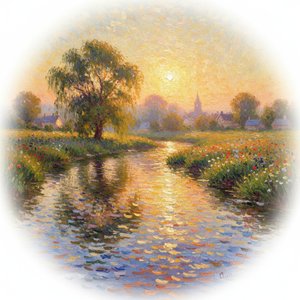
Capturing Light: A Masterclass in the Ethereal Beauty of Impressionistic Landscapes
Explore the ethereal beauty of Impressionist landscapes. Discover how masters like Monet captured fleeting light through color and texture, and learn to curate these timeless, luminous masterpieces for your home collection.

Romantische Landschappen: Top 10 Meesterwerken voor een Sfeervol Interieur | OriginalUniqueArt.nl
Ontdek de 10 meest iconische meesterwerken van de Romantiek! Reis door de tijd met Caspar David Friedrich, Turner & Delacroix. Laat je inspireren en vind museumkwaliteit kunst reproducties voor een sfeervol interieur op OriginalUniqueArt.com.


