

 Voorvertoning
 Verstuur
 Delen
Delen
 Details bekijken
 Gids
Gids

 Download
 Vergelijkbare items
 Röntgenonderzoek
 Diavoorstelling
 Q&A
Q&A Statistieken
Wagon Man
 Social Realism
 44.0 x 60.0 cm
 Woodhorn Museum - Northumberland Archives
 Lees meer
De kunstwerken die op deze pagina worden weergegeven, zijn beschermd door de auteursrechtwetgeving, wat betekent dat het ons wettelijk niet is toegestaan om identieke reproducties te maken of te verkopen. Deze bescherming wordt gehandhaafd onder internationale overeenkomsten zoals de Conventie van Bern en door nationale wetgeving, waaronder de bepalingen van de Amerikaanse auteurswet - Titel 17. Alle rechten voorbehouden. Reproduceren of distribueren van afbeeldingen is niet toegestaan zonder uitdrukkelijke schriftelijke toestemming van WahooArt.com en de rechthebbenden.
Deze methode voldoet volledig aan de auteursrechtwetgeving, omdat het niet gaat om het kopiëren of dupliceren van het beschermde kunstwerk. In plaats daarvan is er sprake van een creatieve herinterpretatie — een nieuw schilderij dat door het origineel wordt geïnspireerd, maar er niet identiek aan is.
Giclée / Kunstafdrukken
Giclée- of canvasafdruk van museumkwaliteit met een snelle productie en flexibele afwerkingsmogelijkheden. ( Bestel handgeschilderde reproductie Schakel over naar digitale afbeeldingen)




































Kies uit onze vooraf ingestelde maten die overeenkomen met de originele verhoudingen van het kunstwerk.

Voer de gewenste breedte en hoogte in, passend bij uw lijst of muur. Een afdruk kan alleen worden ingekort en nooit groter worden gemaakt dan het origineel; een formaat met andere verhoudingen zal daarom een deel van de afbeelding verliezen. Wij sturen u een digitaal mockup ter goedkeuring voordat we tot drukwerk overgaan. De afbeelding op deze pagina toont niet de werkelijke uitsnede — dit is alleen te zien op het mockup.
Wereldwijde levering () binnen 2 weken in plaats van de standaard 4/5 weken. (29 oktober)

Gratis wereldwijde expressverzending

Hoogwaardig linnen canvas

Volledige verzendverzekering

Garantie op terugbetaling van invoerrechten

Garantie op exacte kleurweergave

Retourbeleid van 100 dagen (alleen bij defecten)

100% Geld-terug-garantie

Korting bij meerdere afnames
 De optie voor glas is alleen beschikbaar bij een formaat kleiner dan 110 cm.

Wagon Man
Giclée / Kunstafdrukken
Afmetingen reproductie
-


Eindtotaal
€ 71
Artist Background
Fred Laidler was a talented artist known for his realistic and detailed paintings. His work often featured scenes of rural life, showcasing the daily activities and struggles of ordinary people. The Wagon Man painting is a prime example of this style, with its depiction of a man standing next to railroad tracks, surrounded by baseball bats and bottles.Painting Analysis
The Wagon Man painting is a unique and intriguing piece that invites the viewer to ponder its meaning. The use of bold colors and vivid details creates a sense of depth and realism, drawing the viewer into the scene. The presence of baseball bats and bottles adds an air of mystery, leaving the viewer wondering about the context and purpose of these objects.- The painting's composition is well-balanced, with the central figure of the wagon man dominating the scene.
- The use of light and shadow creates a sense of depth and dimensionality, adding to the overall realism of the piece.
- The Woodhorn Museum - Northumberland Archives provides a rich context for the painting, with its collection of artworks showcasing the cultural heritage of the region.
The Wagon Man painting is a captivating piece that showcases the skill and artistry of Fred Laidler. Its unique blend of realism and mystery makes it a must-see for art lovers and enthusiasts.
Veelgestelde vragen
Waar kan ik een voorproefje van "Wagon Man" bekijken?
Om een reproductie van "Wagon Man" door Fred Laidler te bekijken, opent u de Voorvertoning pagina van het kunstwerk.
Hoe licht is "Wagon Man" in zijn geheel?
De waargenomen helderheid van "Wagon Man" door Fred Laidler is deep_shadow. Deze kan worden afgestemd op de lichtinval in de beoogde ruimte.
Hoe past "Wagon Man" binnen de thema's en stijl van Fred Laidler?
"Wagon Man" behoort tot het Social Realism-werk van Fred Laidler, waarvan de bekende thema's onder meer industrial britain's grit, working-class struggle", social commentary art, laidler's realism focus, south wales mining life, documenting hardship, early 20th century view, regional british heritage omvatten.
Biografie kunstenaar
Early Life and the Roots of Observation
Fred Laidler’s story isn't one typically found within the gilded halls of art academies, but rather etched into the very landscape he so powerfully depicted. Born in 1918 in OriginalUniqueArt, a small coastal town in South Wales, his formative years were inextricably linked to the rhythms and realities of industrial life. This wasn’t a world of idealized beauty; it was a place defined by coal dust, the clang of machinery, and the stoic faces of men and ponies working tirelessly within the unforgiving embrace of the Welsh valleys. His early exposure to this environment—a region steeped in both hardship and a profound connection to the land—became the bedrock upon which his distinctive artistic vision would eventually be built. The starkness of the landscape, the weathered textures of buildings and clothing, and the palpable sense of human endurance all served as constant, silent teachers.
Laidler’s family background also played a crucial role. His father, a skilled craftsman, instilled in him an appreciation for detail and a respect for honest labor – values that would later permeate his art. The region's rich artistic heritage, including the influence of the Ashington Group—a collective of miners who documented their lives through painting— undoubtedly shaped his approach to observation and representation. This group, known for its gritty realism and commitment to portraying the working class, provided a vital context for Laidler’s own artistic development.
The Ashington Group and the Development of Style
Laidler's association with the Ashington Group proved pivotal. This collective of miners, united by their passion for art, sought to capture the essence of their lives and surroundings. They weren’t interested in romanticizing or idealizing; instead, they aimed for an unflinching portrayal of daily existence. Laidler quickly absorbed this ethos, developing a distinctive style characterized by meticulous detail, a muted color palette dominated by grays, browns, and ochres, and a remarkable ability to convey the weight of labor and the resilience of the human spirit. His early works often featured scenes of miners at work, ponies hauling coal, and the everyday routines of village life – all rendered with an almost photographic precision.
Crucially, Laidler’s style wasn't simply mimicry; he possessed a keen eye for composition and a subtle understanding of light and shadow. He masterfully used these elements to create a sense of depth and atmosphere, drawing the viewer into the heart of his scenes. The influence of artists like George Romney, known for his realistic portraits and genre paintings, is evident in Laidler’s attention to detail and his ability to capture the nuances of human expression.
Key Works and Recurring Themes
Several works stand out as particularly representative of Laidler's artistic achievements. “Wagon Man,” a powerful depiction of coal mine labor, exemplifies his commitment to portraying the physical demands and emotional toll of working in the mines. The painting’s raw realism and unflinching portrayal of the miner’s exhaustion are deeply affecting. “Still Life” offers a quieter, yet equally compelling, glimpse into Welsh industrial life, showcasing the simple beauty found within everyday objects and routines. “The Sawyer,” a scene from rural America, demonstrates Laidler's versatility and his ability to capture the essence of different landscapes and occupations.
Throughout his career, Laidler consistently explored themes of labor, community, and the relationship between humanity and the natural world. He wasn’t interested in grand narratives or heroic figures; instead, he focused on the ordinary lives of working people – miners, farmers, shopkeepers – capturing their struggles, their joys, and their enduring connection to the land.
Legacy and Historical Significance
Fred Laidler's work holds a significant place in British regional art. He’s often associated with the ‘Pitman Painters,’ a group of miners who pursued artistic endeavors alongside their labor. His paintings offer a valuable historical record of Welsh industrial life during the 20th century, providing insights into the social and economic conditions that shaped the lives of ordinary people. Laidler's commitment to realism and his ability to capture the dignity and resilience of the working class have ensured his enduring legacy as one of South Wales’ most important artists.
His work continues to resonate today, reminding us of the importance of preserving our industrial heritage and celebrating the contributions of those who built our nation. Laidler's art serves as a poignant testament to the human spirit—a spirit forged in the crucible of labor and tempered by the beauty of the Welsh landscape.

Fred Laidler
1918 - 1988
Belangrijkste feiten
- Artistic Movement Or Style: Realist Landscape
- Artists Or Movements Influenced By This Artist: ['Ashington Group']
- Artists Who Influenced This Artist: ['Woodhorn Museum']
- Date Of Birth: 1918
- Date Of Death: 1988
- Full Name: Fred Laidler
- Nationality: British
- Notable Artworks:
- Wagon Man
- Still Life
- The Sawyer
- Place Of Birth: WahooArt
Gerelateerde artikelen
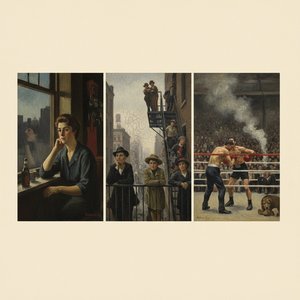
American Realism: Social Commentary & Artistic Representation in Early 20th-Century Painting
Explore the powerful social commentary & artistic representation of American Realism. Discover key artists like Bellows & Sloan, and understand the movement's lasting impact on 20th-century art history.

Romantic Realism's Finest: 10 Masterpieces for Your Home | OriginalUniqueArt
Explore 10 defining masterpieces of Romantic Realism! Discover Courbet, Millet & Daumier's powerful paintings—capturing emotion and social realities. Find museum-quality reproductions for your home at OriginalUniqueArt.com.

The Unvarnished Truth: A Cultural Journey Through the Soul of American Realism
Explore the profound beauty of American Realism. From the Ashcan School's urban grit to intimate portraits, discover how artists captured the authentic soul of a nation through unvarnished truth and masterful observation.
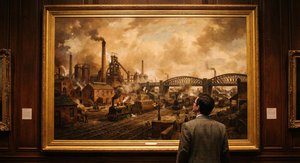
Top 10 Kunstwerken met een Industriële Sfeer | OriginalUniqueArt.com
Ontdek 10 iconische kunstwerken die de rauwe schoonheid van industriële landschappen en stadsgezichten vastleggen. Van impressionisme tot abstracte kunst – laat je inspireren door meesterwerken & koop museumkwaliteit reproducties op OriginalUniqueArt.com.
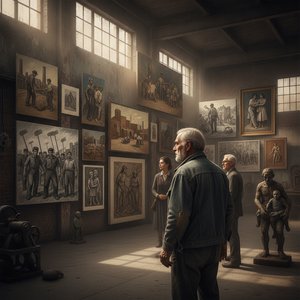
The Raw Truth: A Definitive Guide to the Power and Legacy of Social Realism Art
Explore the profound impact of Social Realism. Discover how masters like Courbet rejected idealism to capture the raw, socio-political truths of the working class through powerful, unvarnished art history and enduring visual critique.