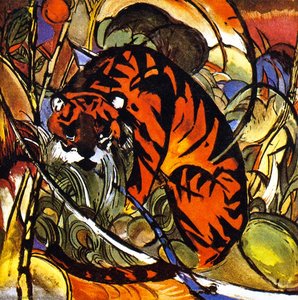
Bekijk op ware grootte
 Verstuur
 Delen
Delen
 Details bekijken
 Gids voor studentenkunstwerken

 Download
 Vergelijkbare items
 Röntgenonderzoek
 Diavoorstelling
 Statistieken
Cow and Sheep


 Lees meer
Giclée / Kunstafdrukken
Giclée- of canvasafdruk van museumkwaliteit met een snelle productie en flexibele afwerkingsmogelijkheden. ( Koop handgeschilderd kunstwerk Schakel over naar digitale afbeeldingen)




P118B €10

P118H €10

P118W €10

P438Z €10

P508JH €12

P508YH €12

P805H €10

P805Z €10

P919BZ €10

P919G €10

P919XJ €10

P959ZH €10

P968JZ €12

W106C €8

W218G €10

W218JH €8

W218Y €10

W307PJ €10

W316G €10

W316PJ €8

W316Y €10

W398PJ €8

W4111J €10

W500HY €15

W500JH €15

W692G €12

W849H €8

W940BG €15

W953PJ €8




Kies uit onze vooraf ingestelde maten die overeenkomen met de originele verhoudingen van het kunstwerk.

Voer de breedte en de hoogte in die u nodig heeft, passend bij uw lijst of uw muur. Een afdruk kan alleen worden ingekort, nooit groter worden gemaakt dan het origineel, waardoor een formaat met een andere verhouding een deel van de afbeelding verliest. Wij sturen u een digitaal mockup ter goedkeuring voordat we iets drukken. De afbeelding op deze pagina toont niet de werkelijke uitsnede — dit is alleen te zien op het mockup.
Wereldwijde levering () binnen 2 weken in plaats van de standaard 4/5 weken. (15 oktober)

Gratis wereldwijde expressverzending

Hoogwaardig linnen canvas

Volledige verzendverzekering

Garantie op terugbetaling van invoerrechten

Garantie op exacte kleurweergave

Retourbeleid van 100 dagen (alleen bij defecten)

100% Geld-terug-garantie

Korting bij meerdere afnames
 De optie voor glas is alleen beschikbaar bij een formaat kleiner dan 110 cm.

Cow and Sheep
Giclée / Kunstafdrukken
Formaat reproductie
-


Totaalprijs
€ 70
A Vision of Spiritual Harmony
In the quiet intensity of his 1914 watercolor, "Cow and Sheep," Franz Marc invites the viewer into a realm where the boundaries between the physical world and the spiritual essence dissolve. This masterpiece is far more than a pastoral study of livestock; it is a profound window into the soul of German Expressionism. At a time when the shadows of World War I were beginning to loom over Europe, Marc sought refuge in the purity of nature. Through the gentle presence of a cow and a sheep, he captures a moment of transcendent peace, attempting to communicate a deeper cosmic resonance that exists far beneath the surface of our visible reality.
The composition breathes with a rhythmic vitality, characteristic of Marc’s unique ability to animate the inanimate. The subjects are not merely placed within a landscape but seem to emerge from it, unified by a shared spiritual frequency. As one gazes upon the scene, the presence of figures on the periphery suggests a quiet human connection to this primal innocence, yet the true protagonists remain the animals themselves, standing as symbols of an untouched, primordial grace that remains uncorrupted by the anxieties of modern civilization.
The Language of Color and Form
To encounter "Cow and Sheep" is to experience a symphony of color. Marc’s palette—a masterful arrangement of vibrant blues, lush greens, and sun-drenched yellows—functions as a psychological map rather than a literal representation. Eschewing the fleeting light effects of the Impressionists, Marc utilized bold, saturated hues to express internal truths. In his symbolic lexicon, colors were never arbitrary; they were tools used to evoke specific emotional states and spiritual vibrations. The interplay of these tones creates a luminous atmosphere that feels as though it is pulsing from within the paper itself.
The technique employed here reflects a sophisticated blend of influences. While the flattened planes and simplified silhouettes hint at the structural rigor of Cubism, the brushwork remains fluid and emotive. There is a deliberate distortion in the forms of the animals—a softening of edges and an abstraction of shape—that serves to strip away the distractions of realism. By reducing the subjects to their essential geometries, Marc allows the viewer to bypass the intellect and connect directly with the emotional heart of the work. This stylistic choice transforms a simple meadow into an idealized, dreamlike sanctuary.
An Eternal Legacy for the Modern Collector
For the discerning collector or interior designer, "Cow and Sheep" offers a rare opportunity to possess a piece of art history that balances profound depth with aesthetic serenity. The painting’s ability to command attention through its color while simultaneously providing a sense of calm makes it an extraordinary addition to any curated space. Whether placed in a contemporary gallery setting or a classic study, the work acts as a focal point of contemplation, inviting guests to pause and reflect on the harmony of the natural world.
Owning a high-quality reproduction of this watercolor means bringing the spirit of Der Blaue Reiter into the home. It is an investment in an atmosphere of tranquility and intellectual curiosity. As we navigate an increasingly complex and turbulent era, the enduring message of Marc’s work—the search for beauty, truth, and spiritual equilibrium—remains as vital and moving today as it was in 1914. This artwork does not merely decorate a wall; it enriches the very soul of the environment it inhabits.
Vragen & Antwoorden
Welke stemming en emotie straalt "Cow and Sheep" door Franz Marc uit?
In "Cow and Sheep" gaat een Serene stemming gepaard met een Spiritual emotie.
Zijn er werken die lijken op "Cow and Sheep"?
Werken die lijken op "Cow and Sheep" staan vermeld op de Vergelijkbare werken-pagina van het kunstwerk.
Is "Cow and Sheep" typerend voor wat Franz Marc gewoonlijk creëerde?
De terugkerende thema's van Franz Marc omvatten animal spirituality, color harmony, van gogh influence, modern vision, religious symbolism, pure form, expressionist style, bold palette; "Cow and Sheep" richt zich op animal painting, landscape art, color symbolism, spiritual expression, blue rider movement, franz marc style, watercolor technique.
Biografie van de kunstenaar
A Life Immersed in Color and Spirit
Franz Moritz Wilhelm Marc, geboren in München im Jahr 1880, war ein Maler, dessen kurzer, aber intensiv fokussierter Werdegang die Entwicklung der deutschen Expressionismus grundlegend veränderte. Seine Geschichte ist eine von tiefem spirituellem Streben, das sich in einer lebendigen visuellen Sprache manifestierte – eine Suche nach dem Wesen des Lebens durch die Reinheit, die er in der Natur fand, insbesondere im Reich der Tiere. Zunächst beeinflusst von seinem Vater, Wilhelm Marc, einem Landschaftsmaler, war Franz’ künstlerischer Weg zunächst unsicher. Er erwog kurz Theologie und grübelte über Glaubensfragen und Existenz, bevor er sich schließlich dem Kunststudium an der Akademie der Bildenden Künste in München widmete. Diese frühen religiösen Erkundungen blieben tief in seinem Werk verankert und prägten seine Überzeugung, dass Kunst ein Mittel zur spirituellen Erfahrung sein könne. Seine akademische Ausbildung vermittelte ihm technische Grundlagen, aber Begegnungen mit den Werken von Vincent van Gogh während Besuchen in Paris entfachten seine künstlerische Vision wirklich. Van Goghs emotionale Verwendung von Farbe und rohe Ausdruckskraft berührten Marc tief, befreiten ihn von konventionellen Techniken und legten den Grundstein für einen subjektiveren und emotional aufgeladenen Stil.Der Blaue Reiter und Eine Neue Künstlerische Vision
Marcs künstlerische Entwicklung war nicht isoliert; sie blühte im dynamischen Kontext des frühen 20. Jahrhunderts in München auf. Er experimentierte mit verschiedenen Künstlergruppen, darunter die Neue Künstlervereinigung München, bevor er 1911 zusammen mit Wassily Kandinsky die *Blaue Reiter* (Der Blaue Reiter) gründete. Dies war nicht nur eine Gruppe oder eine Ausstellungsserie; es war eine philosophische und künstlerische Revolution. Der *Blaue Reiter* strebte danach, über bloße Repräsentation hinauszugehen und stattdessen innere spirituelle Wahrheiten durch Abstraktion und symbolische Farbe auszudrücken. Das gleichnamige Journal diente als Plattform zur Verbreitung dieser Ideen und präsentierte nicht nur ihre eigenen Werke, sondern auch die von anderen zukunftsweisenden Künstlern und erforschte vielfältige kulturelle Einflüsse aus Volkskunst bis hin zu primitiver Skulptur. Marcs Beiträge in dieser Zeit waren entscheidend. Er ging über die Darstellung von Landschaften als statische Szenen hinaus und konzentrierte sich stattdessen auf Tiere – Pferde, Rehe, Füchse – als Träger spiritueller Energie. Diese waren nicht nur Tierporträts; sie waren symbolische Darstellungen von Unschuld, Harmonie und einer Verbindung zur Natur, die die Menschheit durch gesellschaftliche Zwänge und intellektuelle Beschäftigung verloren hatte. Der Einfluss von Robert Delaunay’s Erforschung abstrakter Formen und lebhafter Farben trieb Marc weiter in die Vereinfachung und verstärkte emotionale Ausdruckskraft in seinem Werk voran. Gemälde wie *Der Tiger* (1912) und *Rotfuchs* (1912) veranschaulichen diese Verschiebung und zeigen mutige Farbwahl und einen zunehmenden Fokus auf die inhärenten Qualitäten seiner Sujets, anstatt auf realistische Darstellung.Symbolik, Farbe und das Wesen des Seins
Marcs künstlerischer Stil ist sofort erkennbar durch seine charakteristische Verwendung von Farbe und Form. Er setzte Farbe nicht deskriptiv ein; stattdessen erfüllte er sie mit symbolischer Bedeutung. Blau stand für Spiritualität und Männlichkeit, Gelb für Freude und Weiblichkeit, und Rot für Gewalt und Materie. Diese Entscheidungen waren nicht willkürlich, sondern ein sorgfältig konstruiertes System, das darauf abzielte, spezifische emotionale und philosophische Ideen zu vermitteln. Seine Tiere sind nicht nur Sujets; sie sind Verkörperungen dieser Konzepte. Die Vereinfachung von Formen – Figuren auf ihre wesentlichen Formen reduziert – betonte die zugrunde liegende spirituelle Essenz, die er einfangen wollte. *Der Turm der blauen Pferde* (1913), das Gemälde wurde während des Ersten Weltkriegs verloren, ist vielleicht das ikonischste Beispiel für diesen Ansatz und eine kraftvolle und eindringliche Komposition, die seine künstlerische Vision verkörpert. Er glaubte, dass Tiere eine inhärente Reinheit und Verbindung zur Natur besaßen, die die Menschheit durch gesellschaftliche Zwänge und intellektuelle Beschäftigung verloren hatte. Indem er sie mit so großer Ehrfurcht und symbolischer Bedeutung darstellte, versuchte Marc die Betrachter daran zu erinnern und inspirierte sie, eine tiefere Wertschätzung für die natürliche Welt zu entwickeln. Sein Werk war nicht darauf ausgerichtet, *was* er sah, sondern vielmehr *wie* er sich fühlte – eine tief persönliche und spirituelle Reaktion auf seine Umgebung.Ein Tragischer Tod und Ein Bleibendes Erbe
Der Ausbruch des Ersten Weltkriegs im Jahr 1914 veränderte Marcs Leben und seinen künstlerischen Laufbahn dramatisch. Trotz seines Versuchs, aufgrund seiner Künstlerstellung von der Pflicht freigekommen zu werden, wurde er in die deutsche Armee eingezogen und diente als Kavallerieoffizier. Die Schrecken des Krieges trafen ihn tief, doch selbst inmitten des Chaos setzte er seine Kunst fort und fand Trost und Bedeutung darin. Tragischerweise starb Franz Marc am 4. März 1916 im Verlauf der Schlacht von Verdun, ein verhängnisvoller Verlust für die Kunstwelt. Sein frühzeitiger Tod riss eine vielversprechende Karriere ab, festigte aber gleichzeitig seinen Platz in der Geschichte der modernen Kunst. Seine Werke werden bis heute ausgestellt und inspirieren Generationen von Künstlern und fesseln das Publikum mit ihrer emotionalen Tiefe und spirituellen Resonanz. Marcs Gemälde werden in wichtigen Museen auf der ganzen Welt gezeigt, darunter das Lenbachhaus in München, das eine umfangreiche Sammlung seiner Werke beherbergt. Er wird nicht nur als Pionier des deutschen Expressionismus, sondern auch als visionärer Künstler erinnert, der gewagt hat, die tiefe Verbindung zwischen Kunst, Spiritualität und der Natur zu erforschen – ein Vermächtnis, das weiterhin Ehrfurcht und Kontemplation hervorruft.
Franz Marc
1880 - 1916 , Duitsland
Snelle feiten
- Artistic Movement Or Style: Expressionisme
- Artists Or Movements Influenced By This Artist:
- Abstract kunst
- Der Blaue Reiter
- Artists Who Influenced This Artist:
- Van Gogh
- Delaunay
- Date Of Birth: 8 februari 1880
- Date Of Death: 4 maart 1916
- Full Name: Franz Moritz Wilhelm Marc
- Nationality: Duits
- Notable Artworks:
- De Tigervalk
- Roodbok
- Toren van blauwe paarden
- Place Of Birth: München, Duitsland
Gerelateerde artikelen

Top 10 Legendarische Aquarellen die de Kunst voor Altijd Veranderden | OriginalUniqueArt
Ontdek de 10 legendarische aquarellen die kunstgeschiedenis schreven! Van Turner tot Monet, leer over techniek, emotie & impact. Vind museumkwaliteit reproducties en interieurinspiratie op OriginalUniqueArt.com.

Top 10 Meesterwerken gedomineerd door 'Slate Blue': Kunst voor uw interieur
Ontdek 10 beroemde schilderijen gedomineerd door de prachtige tint 'Slate Blue'. Van Monet tot Van Gogh, leer over kunstgeschiedenis & techniek. Museumkwaliteit reproducties voor uw interieur op OriginalUniqueArt.com! Ontdek de collectie online.

Top 10 Expressionistische Meesterwerken: Kunst die de Ziel Raakt | OriginalUniqueArt
Ontdek de 10 meest iconische Expressionistische meesterwerken! Duik in de emotionele wereld van Kirchner, Kandinsky & Nolde. Museumkwaliteit kunst reproducties voor uw interieur. Exploreer de collectie op OriginalUniqueArt.com.

Franz Marc: Expressionism, Spirituality & the Animal Symbolism of a Modern Master
Explore the profound world of Franz Marc's Expressionist paintings. Discover his spiritual connection to animals, innovative use of color, and lasting impact on modern art history. Learn more at OriginalUniqueArt.

Ephemeral Visions: Exploring the Artistic Legacy & Contemporary Practice of Watercolor Painting
Explore the captivating world of watercolor painting! Discover its rich history, essential techniques, influential artists & collecting tips. A comprehensive guide for art enthusiasts from OriginalUniqueArt.