
 Voorvertoning
 Verstuur
 Delen
Delen
 Details bekijken
 Gids
Gids

 Download
 Vergelijkbare items
 Röntgenonderzoek
 Diavoorstelling
 Q&A
Q&A Statistieken
The Love Letter

- 81.0 x 75.0 cm


 Lees meer
Giclée / Kunstafdrukken
Giclée- of canvasafdruk van museumkwaliteit met een snelle productie en flexibele afwerkingsmogelijkheden. ( Bestel handgeschilderde reproductie Schakel over naar digitale afbeeldingen)




P118B €10

P118H €10

P118W €10

P438Z €10

P508JH €12

P508YH €12

P805H €10

P805Z €10

P919BZ €10

P919G €10

P919XJ €10

P959ZH €10

P968JZ €12

W106C €8

W218G €10

W218JH €8

W218Y €10

W307PJ €10

W316G €10

W316PJ €8

W316Y €10

W398PJ €8

W4111J €10

W500HY €15

W500JH €15

W692G €12

W849H €8

W940BG €15

W953PJ €8




Kies uit onze vooraf ingestelde maten die overeenkomen met de originele verhoudingen van het kunstwerk.

Voer de gewenste breedte en hoogte in, passend bij uw lijst of muur. Een afdruk kan alleen worden ingekort en nooit groter worden gemaakt dan het origineel; een formaat met andere verhoudingen zal daarom een deel van de afbeelding verliezen. Wij sturen u een digitaal mockup ter goedkeuring voordat we tot drukwerk overgaan. De afbeelding op deze pagina toont niet de werkelijke uitsnede — dit is alleen te zien op het mockup.
Wereldwijde levering () binnen 2 weken in plaats van de standaard 4/5 weken. (1 november)

Gratis wereldwijde expressverzending

Hoogwaardig linnen canvas

Volledige verzendverzekering

Garantie op terugbetaling van invoerrechten

Garantie op exacte kleurweergave

Retourbeleid van 100 dagen (alleen bij defecten)

100% Geld-terug-garantie

Korting bij meerdere afnames
 De optie voor glas is alleen beschikbaar bij een formaat kleiner dan 110 cm.

The Love Letter
Giclée / Kunstafdrukken
Afmetingen reproductie
-


Eindtotaal
€ 72
The Enigmatic Embrace: Deconstructing "The Love Letter" by François Boucher
François Boucher’s “The Love Letter,” painted in 1750 for the discerning marquise de Pompadour, is more than a charming pastoral scene; it's a meticulously crafted embodiment of Rococo ideals – a delicate dance between sensuality, allegory, and aristocratic leisure. The painting captures a moment of quiet intimacy within a verdant forest setting, depicting two young women seated on the ground, lost in conversation amidst scattered sheep, creating an atmosphere of serene beauty and subtle intrigue. Boucher masterfully employs a palette of soft pastels – blush pinks, pale blues, and creamy greens – to evoke a sense of ethereal light and dreamlike tranquility. The figures themselves are rendered with exquisite detail, their clothing flowing and luxurious, hinting at the wealth and privilege of their world. The sheep, strategically placed throughout the composition, serve not merely as decorative elements but also as symbols of innocence and pastoral virtue, anchoring the scene within a traditional Arcadia – an idealized realm of shepherds and shepherdesses.
Rococo Refinement: Boucher’s Artistic Language
Boucher was a pivotal figure in establishing the Rococo style, characterized by its emphasis on ornamentation, grace, and playful eroticism. Unlike the grand narratives of his predecessors, Boucher frequently focused on intimate scenes of courtship and leisure, often populated with idealized figures and fantastical elements. “The Love Letter” exemplifies this approach perfectly. The composition is carefully balanced, utilizing a pyramidal structure to draw the eye towards the central figures. Boucher’s brushwork is remarkably smooth and fluid, creating an illusion of depth and movement. He expertly utilizes *sfumato*, a technique borrowed from Leonardo da Vinci, to soften edges and create a hazy atmosphere, contributing to the painting's overall sense of dreaminess. The meticulous rendering of fabrics – the satin gowns, the delicate lace collars – demonstrates Boucher’s exceptional skill in depicting textures and materials, adding layers of visual richness to the scene.
A Marquise’s Secret: Context and Patronage
The painting's creation was intrinsically linked to the patronage of Madame de Pompadour, Louis XV’s influential mistress. She was a passionate art collector and a significant force in shaping the artistic landscape of France during the 18th century. Boucher, as her favored artist, received considerable commissions from her, often tasked with creating decorative panels for her lavish residences, particularly at Bellevue. “The Love Letter” was originally intended to adorn an *chambre doré* (gilded room) within this estate, a space designed to evoke the beauty and tranquility of the countryside. The painting’s intimate setting and subtle eroticism were likely chosen to reflect Pompadour's own sophisticated tastes and her desire for a private sanctuary away from the pressures of court life. The inclusion of the messenger, holding a letter, immediately establishes a narrative of romantic correspondence and secret affections – themes that resonated deeply with the marquise’s personal life.
Symbolism and Emotional Resonance
Beyond its surface beauty, “The Love Letter” is rich in symbolic meaning. The two women represent an idealized vision of feminine companionship and mutual affection. Their relaxed posture and engaged gazes suggest a deep connection and shared understanding. The forest setting itself symbolizes fertility, abundance, and the restorative power of nature. The scattered sheep further reinforce this association with pastoral innocence and tranquility. However, there’s also a subtle undercurrent of melancholy – a hint that this idyllic scene is fleeting and ephemeral. Boucher masterfully captures a moment of suspended time, inviting viewers to contemplate the complexities of love, desire, and the passage of time. The painting's enduring appeal lies in its ability to evoke a sense of nostalgia for a bygone era—a world of refined elegance, secret passions, and timeless beauty.
This reproduction offers an exceptional opportunity to bring Boucher’s masterpiece into your home or office, capturing the essence of Rococo artistry with stunning detail and vibrant color. It's more than just a painting; it’s a portal to a world of refined pleasure and romantic intrigue.
Veelgestelde vragen
Welke sfeer brengt "The Love Letter" in een ruimte?
Met zijn Romantic karakter is "The Love Letter" een aanrader voor de Hotel Lobby.
Is "The Love Letter" door François Boucher een licht of een donker kunstwerk?
"The Love Letter" heeft een algehele helderheid van deep_shadow en een luminantie van Dark.
Welke kleur domineert de compositie van "The Love Letter" door François Boucher?
De kleur die het meest opvalt in "The Love Letter" is Black (#100e0e). De dominante kleur is handig bij het afstemmen van een kunstwerk op een interieur.
Biografie kunstenaar
François Boucher: De Verfijnde Meester van de Rococo
François Boucher (1703-1770) was een figuur van onschatbare waarde in de Franse kunstgeschiedenis, erkend als een van de meest briljante schilders van het Rococo-tijdperk. Zijn werk straalt de elegantie, sensualiteit en speelse geest uit die deze invloedrijke stijl kenmerken. Boucher was meer dan alleen een kunstenaar; hij was een architect van dromen, een meester in het creëren van een wereld van verfijnde schoonheid en idyllische harmonie.
Een Jeugd Geometeerd door de Vader
Boucher’s leven begon in Parijs, op 29 september 1703. Zijn vader, Nicolas Boucher, was zelf een getalenteerde decoratiewerende, en het was aan hem dat François zijn eerste artistieke stappen zette. Al vroeg toonde de jonge François een uitzonderlijk talent, en al snel werd hij ondergebracht bij François Lemoyne, een gerenommeerd schilder die hem in zijn atelier nam. Deze vroege training legde de basis voor Boucher’s latere stijl, gekenmerkt door precisie, verfijning en een diepe kennis van compositie.
De Grand Prix de Rome: Een Cruciaal Moment
Een mijlpaal in Boucher’s carrière was zijn overwinning in 1720 bij de prestigieuze Grand Prix de Rome. Deze wedstrijd, georganiseerd door de Franse staat, bood jonge kunstenaars de kans om te studeren in Italië, het centrum van artistieke innovatie en inspiratie. Boucher’s overwinning gaf hem toegang tot de Académie Royale de Peinture et de Sculpture in Parijs, waar hij zijn vaardigheden verder kon ontwikkelen en zijn artistieke visie kon vormgeven.
De Gouden Eeuw van een Kunstenaar
In Italië, tussen 1720 en 1723, werd Boucher diep beïnvloed door de Renaissance-meesters. Hij bestudeerde de werken van Caravaggio, Bernini en andere grootheden, en leerde hun technieken en composities in meesterhand te hanteren. Na zijn terugkeer naar Frankrijk in 1723, werd hij onmiddellijk geaccepteerd in de Academie en snel een beroemdheid. Zijn eerste werk, “Rinaldo en Armida” (1734), toonde al zijn talent voor het creëren van levendige, dramatische scènes met een verfijnde esthetiek.
Een Portret van de Aristocratie
Boucher’s carrière bereikte haar hoogtepunt tijdens het bewind van Lodewijk XV. Hij werd steeds vaker ingehuurd door de koninklijke familie en de elite, en schilderde portretten van Madame de Pompadour, de invloedrijke minnares van de koning, die zijn reputatie verder versterkte. Zijn vermogen om de schoonheid en elegantie van zijn onderwerpen vast te leggen, maakte hem tot een favoriete kunstenaar van de Franse aristocratie.
Thema’s van Verlangen en Idylle
Boucher’s oeuvre is rijk aan thema's. Hij schilderde vaak mythische scènes, zoals “De Overwinning van Venus” (1740-1751), waarin hij de godin van de liefde in een omgeving van idyllische schoonheid en verfijnde decoraties presenteert. Ook genrebeelden, landschappen en kostuumontwerpen voor het theater waren onder zijn aandacht. Zijn werken straalden vaak een subtiele sensualiteit uit, maar behielden altijd een gevoel van elegantie en verfijning.
Een Erfgoed van Verfijning
François Boucher’s invloed strekte zich verder uit dan de schilderkunst. Hij was ook betrokken bij het ontwerpen van tapijten, behangsels en kostuums voor het theater. Zijn werk had een grote impact op de ontwikkeling van Neoclassicisme, en zijn studenten, waaronder Jean-Honoré Fragonard, namen zijn stijl over en droegen bij aan de verspreiding ervan. Boucher’s nalatenschap leeft voort in de prachtige schilderijen die hij heeft nagelaten, die nog steeds bewonderd worden door kunstliefhebbers en critici wereldwijd. Hij blijft een symbool van de verfijnde smaak en artistieke meesterschap van het 18e-eeuwse Frankrijk.

François Boucher
1703 - 1770 , Frankrijk
Belangrijkste feiten
- Artistic Movement Or Style: Rocococo
- Artists Or Movements Influenced By This Artist: ['Jean-Honoré Fragonard']
- Artists Who Influenced This Artist:
- François Lemoyne
- Jean-François Cars
- Date Of Birth: 29 september 1703
- Date Of Death: 30 mei 1770
- Full Name: François Boucher
- Nationality: Frans
- Notable Artworks:
- Rinaldo en Armida
- Het ontbijt
- Madame Boucher
- De zonsondergang
- Place Of Birth: Parijs, Frankrijk
Gerelateerde artikelen

The Allure of Elegance in Art: A Historical & Aesthetic Exploration of Refinement & Grace
Explore the exquisite world of Rococo art! Discover its history, masters (Watteau, Boucher & more), and defining elegance. Expert insights for collectors seeking museum-quality reproductions & custom portraits.

The Rococo Aesthetic: Opulence, Rebellion & the Pursuit of Pleasure in 18th-Century Art
Explore the opulent world of Rococo art! Discover its origins, key artists like Watteau & Boucher, and lasting influence on design. Expert insights for collectors & enthusiasts.
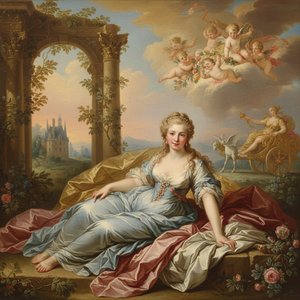
François Boucher: Rococo Master of Myth, Sensuality, and the French Court
Explore the captivating world of François Boucher, master of Rococo painting! Discover his iconic works, aristocratic patronage, and lasting influence on French art history. Learn more at OriginalUniqueArt.

Top 10 Rococo Meesterwerken: Kunstgeschiedenis voor uw Interieur | OriginalUniqueArt.com
Ontdek de 10 meest iconische Rococo meesterwerken! Duik in de wereld van Fragonard, Boucher & Watteau. Leer over lieflijkheid, pastelkleuren en aristocratie. Museumkwaliteit kunst reproducties op OriginalUniqueArt.com.
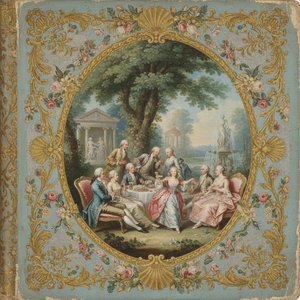
The Rococo Style: Aristocratic Leisure & the Pursuit of Delight in 18th-Century Art
Explore the opulent world of Rococo art! Discover Watteau, Boucher & Nattier's masterpieces. Expert insights for collectors seeking museum-quality reproductions and custom portraits at OriginalUniqueArt.

