

 Bekijk op ware grootte
 Verstuur
 Delen
Delen
 Details bekijken
 Gids voor studentenkunstwerken

 Download
 Vergelijkbare items
 Röntgenonderzoek
 Diavoorstelling
 Statistieken
Juno Asking Aeolus to Release the Winds
 Oil On Canvas
- WallArt
 1769
1769- Renaissance
 278.0 x 203.0 cm
 Kimbell Art Museum
 Lees meer
Handgemaakte olieverfreproductie
Met de hand geschilderd in olieverf op canvas in uw gewenste maat en lijst, op bestelling gemaakt door onze kunstenaars. ( Schakel over naar print Schakel over naar digitale afbeeldingen)




P118B €10

P118H €10

P118W €10

P438Z €10

P508JH €12

P508YH €12

P805H €10

P805Z €10

P919BZ €10

P919G €10

P919XJ €10

P959ZH €10

P968JZ €12

W106C €8

W218G €10

W218JH €8

W218Y €10

W307PJ €10

W316G €10

W316PJ €8

W316Y €10

W398PJ €8

W4111J €10

W500HY €15

W500JH €15

W692G €12

W849H €8

W940BG €15

W953PJ €8




Kies uit onze vooraf ingestelde maten die overeenkomen met de originele verhoudingen van het kunstwerk.

Voer de breedte en de hoogte in die u nodig heeft, passend bij uw lijst of uw muur. Dit is handgeschilderd, dus bij een afmeting met een andere vormverhouding kan de kunstenaar iets meer rondom het schilderij schilderen of juist iets meer weglaten — u kiest zelf. Wij sturen u een digitaal mockup ter goedkeuring voordat het schilderwerk begint. De afbeelding die op deze pagina wordt getoond, is niet het uiteindelijke resultaat — alleen de mockup geeft dit weer.
Na de bestelling zal het team van OriginalUniqueArt.com per e-mail contact opnemen met de klant voor instructies en een mockup-voorbeeld sturen.
Wereldwijde levering () binnen 3 tot 4 weken in plaats van de standaard 5 weken. (24 oktober). Zonder concessies aan de kwaliteit.

Gratis wereldwijde expressverzending

Hoogwaardig linnen canvas

Volledige verzendverzekering

Garantie op terugbetaling van invoerrechten

Garantie op exacte kleurweergave

Retourbeleid van 100 dagen (alleen bij defecten)

100% Geld-terug-garantie

Korting bij meerdere afnames
 De optie voor glas is alleen beschikbaar bij een formaat kleiner dan 110 cm.

Juno Asking Aeolus to Release the Winds
Reproductiemethode
Formaat reproductie
-


Totaalprijs
€ 263
A Dramatic Dance of Power and Jealousy: François Boucher’s Juno
François Boucher's "Juno Asking Aeolus to Release the Winds," painted in 1769, is more than just a mythological scene; it’s a meticulously crafted tableau of emotional intensity, a quintessential example of Rococo artistry at its most opulent and psychologically astute. The painting captures a pivotal moment from Virgil’s *Aeneid*, where the formidable goddess Juno, consumed by her vengeful jealousy towards Venus for her son Aeneas' impending arrival in Italy, manipulates Aeolus, the Titan god of winds, to unleash a tempestuous storm upon the Trojan fleet. Boucher doesn’t simply depict a mythological narrative; he excavates the complex emotions driving each character – Juno’s simmering rage, Aeolus’ hesitant compliance, and the subtle allure offered as a reward.
The Rococo Palette and Painterly Technique
Boucher’s mastery lies not just in his subject matter but also in his exquisite technique. Executed with a delicate yet confident hand, the painting showcases the hallmarks of the Rococo style: vibrant colors—rich reds, deep blues, and shimmering golds—applied in loose, flowing brushstrokes that create an atmosphere of luxurious sensuality. The composition is carefully balanced, drawing the eye towards the central figures while utilizing atmospheric perspective to suggest a vast, turbulent seascape beyond. Boucher’s use of *sfumato*, a technique borrowed from Leonardo da Vinci, softens the edges and creates a hazy, dreamlike quality, further enhancing the painting's emotional resonance. The meticulous detailing in the drapery, the textures of the seafoam, and the subtle expressions on the characters’ faces demonstrate Boucher’s exceptional skill as a painter.
A Mythological Tapestry: Symbolism and Narrative
The scene is laden with symbolic meaning. Juno's commanding presence, adorned in regal purple robes and radiating an aura of potent fury, immediately establishes her dominance. Aeolus, caught between his duty to the gods and the promise of a beautiful nymph, Deiopea, embodies hesitant compliance. The inclusion of the sea nymph reclining in the foreground—a figure of alluring beauty and effortless grace—represents the potential reward for Aeolus’s actions, highlighting the seductive power of desire and the consequences of succumbing to temptation. Neptune, god of the sea, subtly positioned at the bottom of the composition, serves as a reminder of the ultimate authority over the elements, ensuring that even the most powerful winds will eventually yield to his dominion. The entire scene is a carefully orchestrated drama of divine intervention and human vulnerability.
Historical Context: Boucher’s Legacy
François Boucher's rise to prominence in 18th-century France coincided with a period of significant artistic innovation and patronage. Following the death of Louis XIV, the court shifted its focus from the grandeur of the Baroque era towards the more intimate and decorative style of Rococo. Boucher was one of the leading artists of this movement, serving as a key figure in the Académie Royale de Peinture et de Sculpture. His works were highly sought after by royalty and nobility, adorning palaces and private collections throughout Europe. Boucher’s ability to seamlessly blend mythological narratives with contemporary sensibilities cemented his reputation as a master of both classical tradition and fashionable aesthetics. He was celebrated for his skill in depicting the female form, particularly in allegorical and pastoral scenes, and his influence can be seen in the works of many subsequent artists.
A Timeless Appeal: Reproduction and Interior Design
“Juno Asking Aeolus to Release the Winds” continues to captivate viewers with its dramatic composition, rich colors, and profound psychological depth. High-quality reproductions offer a stunning way to bring this masterpiece into any interior space, adding an element of timeless elegance and artistic sophistication. The painting’s themes of jealousy, power, and temptation resonate deeply, making it a compelling subject for contemplation and discussion. Consider framing the reproduction in a classic style to complement its Rococo origins, or explore larger-scale versions for impactful statement pieces within a sophisticated living room or study.
Vragen & Antwoorden
Met welk medium is "Juno Asking Aeolus to Release the Winds" door François Boucher uitgevoerd?
Het medium van "Juno Asking Aeolus to Release the Winds" door François Boucher is Oil On Canvas. Reproducties zijn bedoeld om de uitstraling van deze techniek weer te geven.
Wie verkoopt handgeschilderde reproducties van "Juno Asking Aeolus to Release the Winds" door François Boucher?
"Juno Asking Aeolus to Release the Winds" is verkrijgbaar als een met de hand geschilderde olieverfreproductie op linnen canvas. De bestelling kan worden geplaatst op de Met de hand geschilderde reproductie pagina, met een keuze uit verschillende formaten.
Waar komen de bezoekers van "Juno Asking Aeolus to Release the Winds" door François Boucher vandaan?
De Statistieken-pagina van "Juno Asking Aeolus to Release the Winds" door François Boucher presenteert statistieken over publieksbezoeken: de maandelijkse bezoeken aan dit kunstwerk, een vergelijking met de meest bekeken werken van de kunstenaar en de herkomst van de bezoekers.
Biografie van de kunstenaar
François Boucher: De Verfijnde Meester van de Rococo
François Boucher (1703-1770) was een figuur van onschatbare waarde in de Franse kunstgeschiedenis, erkend als een van de meest briljante schilders van het Rococo-tijdperk. Zijn werk straalt de elegantie, sensualiteit en speelse geest uit die deze invloedrijke stijl kenmerken. Boucher was meer dan alleen een kunstenaar; hij was een architect van dromen, een meester in het creëren van een wereld van verfijnde schoonheid en idyllische harmonie.
Een Jeugd Geometeerd door de Vader
Boucher’s leven begon in Parijs, op 29 september 1703. Zijn vader, Nicolas Boucher, was zelf een getalenteerde decoratiewerende, en het was aan hem dat François zijn eerste artistieke stappen zette. Al vroeg toonde de jonge François een uitzonderlijk talent, en al snel werd hij ondergebracht bij François Lemoyne, een gerenommeerd schilder die hem in zijn atelier nam. Deze vroege training legde de basis voor Boucher’s latere stijl, gekenmerkt door precisie, verfijning en een diepe kennis van compositie.
De Grand Prix de Rome: Een Cruciaal Moment
Een mijlpaal in Boucher’s carrière was zijn overwinning in 1720 bij de prestigieuze Grand Prix de Rome. Deze wedstrijd, georganiseerd door de Franse staat, bood jonge kunstenaars de kans om te studeren in Italië, het centrum van artistieke innovatie en inspiratie. Boucher’s overwinning gaf hem toegang tot de Académie Royale de Peinture et de Sculpture in Parijs, waar hij zijn vaardigheden verder kon ontwikkelen en zijn artistieke visie kon vormgeven.
De Gouden Eeuw van een Kunstenaar
In Italië, tussen 1720 en 1723, werd Boucher diep beïnvloed door de Renaissance-meesters. Hij bestudeerde de werken van Caravaggio, Bernini en andere grootheden, en leerde hun technieken en composities in meesterhand te hanteren. Na zijn terugkeer naar Frankrijk in 1723, werd hij onmiddellijk geaccepteerd in de Academie en snel een beroemdheid. Zijn eerste werk, “Rinaldo en Armida” (1734), toonde al zijn talent voor het creëren van levendige, dramatische scènes met een verfijnde esthetiek.
Een Portret van de Aristocratie
Boucher’s carrière bereikte haar hoogtepunt tijdens het bewind van Lodewijk XV. Hij werd steeds vaker ingehuurd door de koninklijke familie en de elite, en schilderde portretten van Madame de Pompadour, de invloedrijke minnares van de koning, die zijn reputatie verder versterkte. Zijn vermogen om de schoonheid en elegantie van zijn onderwerpen vast te leggen, maakte hem tot een favoriete kunstenaar van de Franse aristocratie.
Thema’s van Verlangen en Idylle
Boucher’s oeuvre is rijk aan thema's. Hij schilderde vaak mythische scènes, zoals “De Overwinning van Venus” (1740-1751), waarin hij de godin van de liefde in een omgeving van idyllische schoonheid en verfijnde decoraties presenteert. Ook genrebeelden, landschappen en kostuumontwerpen voor het theater waren onder zijn aandacht. Zijn werken straalden vaak een subtiele sensualiteit uit, maar behielden altijd een gevoel van elegantie en verfijning.
Een Erfgoed van Verfijning
François Boucher’s invloed strekte zich verder uit dan de schilderkunst. Hij was ook betrokken bij het ontwerpen van tapijten, behangsels en kostuums voor het theater. Zijn werk had een grote impact op de ontwikkeling van Neoclassicisme, en zijn studenten, waaronder Jean-Honoré Fragonard, namen zijn stijl over en droegen bij aan de verspreiding ervan. Boucher’s nalatenschap leeft voort in de prachtige schilderijen die hij heeft nagelaten, die nog steeds bewonderd worden door kunstliefhebbers en critici wereldwijd. Hij blijft een symbool van de verfijnde smaak en artistieke meesterschap van het 18e-eeuwse Frankrijk.

François Boucher
1703 - 1770 , Frankrijk
Snelle feiten
- Artistic Movement Or Style: Rocococo
- Artists Or Movements Influenced By This Artist: ['Jean-Honoré Fragonard']
- Artists Who Influenced This Artist:
- François Lemoyne
- Jean-François Cars
- Date Of Birth: 29 september 1703
- Date Of Death: 30 mei 1770
- Full Name: François Boucher
- Nationality: Frans
- Notable Artworks:
- Rinaldo en Armida
- Het ontbijt
- Madame Boucher
- De zonsondergang
- Place Of Birth: Parijs, Frankrijk
Gerelateerde artikelen

Top 10 Rococo Meesterwerken: Kunstgeschiedenis voor uw Interieur | OriginalUniqueArt.com
Ontdek de 10 meest iconische Rococo meesterwerken! Duik in de wereld van Fragonard, Boucher & Watteau. Leer over lieflijkheid, pastelkleuren en aristocratie. Museumkwaliteit kunst reproducties op OriginalUniqueArt.com.
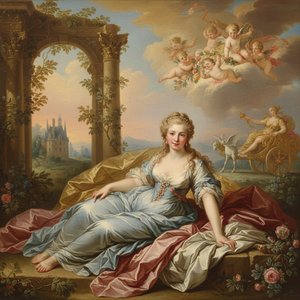
François Boucher: Rococo Master of Myth, Sensuality, and the French Court
Explore the captivating world of François Boucher, master of Rococo painting! Discover his iconic works, aristocratic patronage, and lasting influence on French art history. Learn more at OriginalUniqueArt.

The Allure of Elegance in Art: A Historical & Aesthetic Exploration of Refinement & Grace
Explore the exquisite world of Rococo art! Discover its history, masters (Watteau, Boucher & more), and defining elegance. Expert insights for collectors seeking museum-quality reproductions & custom portraits.
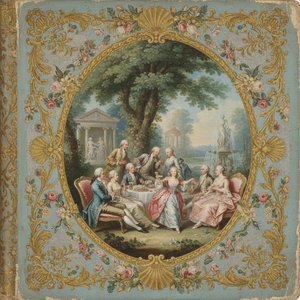
The Rococo Style: Aristocratic Leisure & the Pursuit of Delight in 18th-Century Art
Explore the opulent world of Rococo art! Discover Watteau, Boucher & Nattier's masterpieces. Expert insights for collectors seeking museum-quality reproductions and custom portraits at OriginalUniqueArt.

The Rococo Aesthetic: Opulence, Rebellion & the Pursuit of Pleasure in 18th-Century Art
Explore the opulent world of Rococo art! Discover its origins, key artists like Watteau & Boucher, and lasting influence on design. Expert insights for collectors & enthusiasts.

