

 Bekijk op ware grootte
 Verstuur
 Delen
Delen
 Details bekijken
 Gids voor studentenkunstwerken

 Download
 Vergelijkbare items
 Röntgenonderzoek
 Diavoorstelling
 Statistieken
Crossing the Bridge
 Oil On Canvas
- WallArt
- Rococo Elegance
 1730
1730- Early Modern
 59.0 x 72.0 cm
 Hermitage Museum
 Lees meer
Handgemaakte olieverfreproductie
Met de hand geschilderd in olieverf op canvas in uw gewenste maat en lijst, op bestelling gemaakt door onze kunstenaars. ( Schakel over naar print Schakel over naar digitale afbeeldingen)




P118B €10

P118H €10

P118W €10

P438Z €10

P508JH €12

P508YH €12

P805H €10

P805Z €10

P919BZ €10

P919G €10

P919XJ €10

P959ZH €10

P968JZ €12

W106C €8

W218G €10

W218JH €8

W218Y €10

W307PJ €10

W316G €10

W316PJ €8

W316Y €10

W398PJ €8

W4111J €10

W500HY €15

W500JH €15

W692G €12

W849H €8

W940BG €15

W953PJ €8




Kies uit onze vooraf ingestelde maten die overeenkomen met de originele verhoudingen van het kunstwerk.

Voer de breedte en de hoogte in die u nodig heeft, passend bij uw lijst of uw muur. Dit is handgeschilderd, dus bij een afmeting met een andere vormverhouding kan de kunstenaar iets meer rondom het schilderij schilderen of juist iets meer weglaten — u kiest zelf. Wij sturen u een digitaal mockup ter goedkeuring voordat het schilderwerk begint. De afbeelding die op deze pagina wordt getoond, is niet het uiteindelijke resultaat — alleen de mockup geeft dit weer.
Na de bestelling zal het team van OriginalUniqueArt.com per e-mail contact opnemen met de klant voor instructies en een mockup-voorbeeld sturen.
Wereldwijde levering () binnen 3 tot 4 weken in plaats van de standaard 5 weken. (23 oktober). Zonder concessies aan de kwaliteit.

Gratis wereldwijde expressverzending

Hoogwaardig linnen canvas

Volledige verzendverzekering

Garantie op terugbetaling van invoerrechten

Garantie op exacte kleurweergave

Retourbeleid van 100 dagen (alleen bij defecten)

100% Geld-terug-garantie

Korting bij meerdere afnames
 De optie voor glas is alleen beschikbaar bij een formaat kleiner dan 110 cm.

Crossing the Bridge
Reproductiemethode
Formaat reproductie
-


Totaalprijs
€ 264
A Pastoral Dream in Pastel: The Enchantment of Crossing the Bridge
In the soft, luminous glow of the 18th century, few artists captured the ephemeral beauty of a summer afternoon as masterfully as François Boucher. His work, "Crossing the Bridge," serves as a breathtaking window into the Rococo era—a period defined by an unapologetic pursuit of grace, leisure, and aesthetic delight. At first glance, the viewer is transported to an idealized countryside, where the stresses of urban life dissolve into a tranquil tableau of pastoral serenity. A woman, moving with effortless poise, leads her horse and sheep across a weathered stone bridge, her journey mirrored by the slow, rhythmic presence of grazing cows and a watchful dog. This is not merely a landscape; it is a carefully orchestrated symphony of movement and stillness, designed to evoke a sense of profound peace and aristocratic nostalgia.
< p>The composition itself is a masterclass in balance and visual storytelling. Boucher employs a sophisticated pyramidal structure, anchoring the eye with the imposing silhouette of a majestic castle perched atop a distant hillside. This architectural weight provides a sense of permanence that contrasts beautifully with the fleeting, delicate nature of the foreground elements. The bridge acts as more than just a physical path; it serves as a narrative conduit, guiding the observer’s gaze from the intimate details of the animals and the traveler toward the grand, aspirational heights of the fortress. Through this clever arrangement, Boucher creates a sense of depth that invites the viewer to step into the canvas, wandering through the lush greenery and feeling the warmth of the sun-drenched landscape.Technique and the Radiance of Rococo Light
To behold "Crossing the Bridge" is to witness the pinnacle of Rococo technique. Boucher was a virtuoso of trompe l'oeil effects, utilizing meticulous layering of pigments to breathe life into textures that feel almost tactile. One can almost sense the coarse wool of the sheep, the sturdy grain of the stone bridge, and the velvet softness of the meadow grass. His palette is famously ethereal, dominated by a romantic spectrum of pinks, peaches, and lavenders. These pastel hues do not merely decorate the scene; they bathe it in an atmospheric light that softens the edges of reality, creating a dreamlike quality that is both captivating and soothing.
The artist’s brushwork remains a subject of profound admiration for collectors and historians alike. While his strokes are delicate enough to capture the subtle gradations of a cloud or the gentle ripple of water, they possess an underlying confidence that lends the scene its vitality. This balance between precision and fluidity is what allows the painting to transcend mere imitation of nature, instead offering an elevated, idealized version of it. For the interior designer or the discerning art lover, this piece offers a unique opportunity to introduce a sense of historical grandeur and luminous warmth into a space, acting as a focal point that radiates elegance and timeless charm.
A Legacy of Elegance for the Modern Collector
Beyond its aesthetic brilliance, "Crossing the Bridge" carries the weight of historical significance. Created in 1730, during the reign of Louis XV, the painting reflects the cultural values of a society that found beauty in the pastoral and the idyllic. The inclusion of livestock is not merely incidental; it pays homage to the agricultural foundations of French life, reimagined through a lens of aristocratic refinement. It is a celebration of a world where nature and civilization exist in perfect, harmonious equilibrium.
For those seeking to adorn their homes or galleries with works of profound emotional impact, a high-quality reproduction of this Boucher masterpiece offers more than just decoration. It provides an infusion of culture and a constant reminder of the enduring power of beauty. Whether placed in a sunlit morning room or a sophisticated study, "Crossing the Bridge" continues to inspire awe, offering a quiet sanctuary of color and light that remains as relevant and enchanting today as it was three centuries ago.
Vragen & Antwoorden
Voor welke kamer wordt "Crossing the Bridge" door François Boucher aanbevolen?
"Crossing the Bridge" door François Boucher wordt aanbevolen voor een Living Room. Deze suggestie is gebaseerd op het onderwerp, de kleuren en de sfeer van het werk.
Waarvan is "Crossing the Bridge" gemaakt?
"Crossing the Bridge" is uitgevoerd in Oil On Canvas.
Is "Crossing the Bridge" door François Boucher een licht of een donker kunstwerk?
"Crossing the Bridge" heeft een algehele helderheid van shadow, en de luminantie is Soft Shadow.
Biografie van de kunstenaar
François Boucher: De Verfijnde Meester van de Rococo
François Boucher (1703-1770) was een figuur van onschatbare waarde in de Franse kunstgeschiedenis, erkend als een van de meest briljante schilders van het Rococo-tijdperk. Zijn werk straalt de elegantie, sensualiteit en speelse geest uit die deze invloedrijke stijl kenmerken. Boucher was meer dan alleen een kunstenaar; hij was een architect van dromen, een meester in het creëren van een wereld van verfijnde schoonheid en idyllische harmonie.
Een Jeugd Geometeerd door de Vader
Boucher’s leven begon in Parijs, op 29 september 1703. Zijn vader, Nicolas Boucher, was zelf een getalenteerde decoratiewerende, en het was aan hem dat François zijn eerste artistieke stappen zette. Al vroeg toonde de jonge François een uitzonderlijk talent, en al snel werd hij ondergebracht bij François Lemoyne, een gerenommeerd schilder die hem in zijn atelier nam. Deze vroege training legde de basis voor Boucher’s latere stijl, gekenmerkt door precisie, verfijning en een diepe kennis van compositie.
De Grand Prix de Rome: Een Cruciaal Moment
Een mijlpaal in Boucher’s carrière was zijn overwinning in 1720 bij de prestigieuze Grand Prix de Rome. Deze wedstrijd, georganiseerd door de Franse staat, bood jonge kunstenaars de kans om te studeren in Italië, het centrum van artistieke innovatie en inspiratie. Boucher’s overwinning gaf hem toegang tot de Académie Royale de Peinture et de Sculpture in Parijs, waar hij zijn vaardigheden verder kon ontwikkelen en zijn artistieke visie kon vormgeven.
De Gouden Eeuw van een Kunstenaar
In Italië, tussen 1720 en 1723, werd Boucher diep beïnvloed door de Renaissance-meesters. Hij bestudeerde de werken van Caravaggio, Bernini en andere grootheden, en leerde hun technieken en composities in meesterhand te hanteren. Na zijn terugkeer naar Frankrijk in 1723, werd hij onmiddellijk geaccepteerd in de Academie en snel een beroemdheid. Zijn eerste werk, “Rinaldo en Armida” (1734), toonde al zijn talent voor het creëren van levendige, dramatische scènes met een verfijnde esthetiek.
Een Portret van de Aristocratie
Boucher’s carrière bereikte haar hoogtepunt tijdens het bewind van Lodewijk XV. Hij werd steeds vaker ingehuurd door de koninklijke familie en de elite, en schilderde portretten van Madame de Pompadour, de invloedrijke minnares van de koning, die zijn reputatie verder versterkte. Zijn vermogen om de schoonheid en elegantie van zijn onderwerpen vast te leggen, maakte hem tot een favoriete kunstenaar van de Franse aristocratie.
Thema’s van Verlangen en Idylle
Boucher’s oeuvre is rijk aan thema's. Hij schilderde vaak mythische scènes, zoals “De Overwinning van Venus” (1740-1751), waarin hij de godin van de liefde in een omgeving van idyllische schoonheid en verfijnde decoraties presenteert. Ook genrebeelden, landschappen en kostuumontwerpen voor het theater waren onder zijn aandacht. Zijn werken straalden vaak een subtiele sensualiteit uit, maar behielden altijd een gevoel van elegantie en verfijning.
Een Erfgoed van Verfijning
François Boucher’s invloed strekte zich verder uit dan de schilderkunst. Hij was ook betrokken bij het ontwerpen van tapijten, behangsels en kostuums voor het theater. Zijn werk had een grote impact op de ontwikkeling van Neoclassicisme, en zijn studenten, waaronder Jean-Honoré Fragonard, namen zijn stijl over en droegen bij aan de verspreiding ervan. Boucher’s nalatenschap leeft voort in de prachtige schilderijen die hij heeft nagelaten, die nog steeds bewonderd worden door kunstliefhebbers en critici wereldwijd. Hij blijft een symbool van de verfijnde smaak en artistieke meesterschap van het 18e-eeuwse Frankrijk.

François Boucher
1703 - 1770 , Frankrijk
Snelle feiten
- Artistic Movement Or Style: Rocococo
- Artists Or Movements Influenced By This Artist: ['Jean-Honoré Fragonard']
- Artists Who Influenced This Artist:
- François Lemoyne
- Jean-François Cars
- Date Of Birth: 29 september 1703
- Date Of Death: 30 mei 1770
- Full Name: François Boucher
- Nationality: Frans
- Notable Artworks:
- Rinaldo en Armida
- Het ontbijt
- Madame Boucher
- De zonsondergang
- Place Of Birth: Parijs, Frankrijk
Gerelateerde artikelen
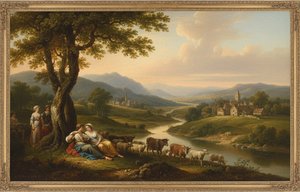
Idyllic Visions: Exploring the Pastoral Tradition in Western Art – Themes, Techniques & Enduring Appeal
Explore the rich history of pastoral art from classical Arcadia to contemporary interpretations. Discover key artists, themes & collecting tips at OriginalUniqueArt.

Top 10 Rococo Meesterwerken: Kunstgeschiedenis voor uw Interieur | OriginalUniqueArt.com
Ontdek de 10 meest iconische Rococo meesterwerken! Duik in de wereld van Fragonard, Boucher & Watteau. Leer over lieflijkheid, pastelkleuren en aristocratie. Museumkwaliteit kunst reproducties op OriginalUniqueArt.com.
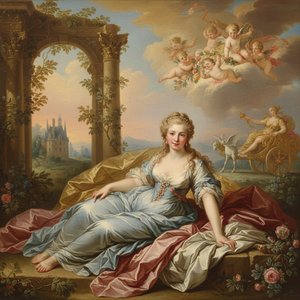
François Boucher: Rococo Master of Myth, Sensuality, and the French Court
Explore the captivating world of François Boucher, master of Rococo painting! Discover his iconic works, aristocratic patronage, and lasting influence on French art history. Learn more at OriginalUniqueArt.

Idyllic Visions: Exploring the Pastoral Scene in Art History – From Arcadia to Modern Interpretations
Explore the captivating history of pastoral art from classical Arcadia to modern masterpieces. Discover key artists like Millet & Cole at OriginalUniqueArt. Find serene landscape paintings for your home.

The Rococo Aesthetic: Opulence, Rebellion & the Pursuit of Pleasure in 18th-Century Art
Explore the opulent world of Rococo art! Discover its origins, key artists like Watteau & Boucher, and lasting influence on design. Expert insights for collectors & enthusiasts.

