Voorvertoning
 Verstuur
 Delen
Delen
 Details bekijken
 Gids
Gids

 Download
 Vergelijkbare items
 Röntgenonderzoek
 Diavoorstelling
 Vraag & antwoord
 Statistieken
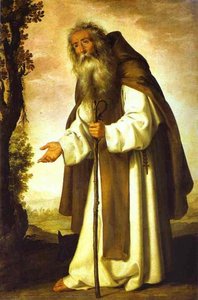
San Bruno


 Lees meer
Giclée / Kunstafdrukken
Giclée- of canvasafdruk van museumkwaliteit met een snelle productie en flexibele afwerkingsmogelijkheden. ( Bestel handgeschilderde reproductie Schakel over naar digitale afbeeldingen)




P118B €10

P118H €10

P118W €10

P438Z €10

P508JH €12

P508YH €12

P805H €10

P805Z €10

P919BZ €10

P919G €10

P919XJ €10

P959ZH €10

P968JZ €12

W106C €8

W218G €10

W218JH €8

W218Y €10

W307PJ €10

W316G €10

W316PJ €8

W316Y €10

W398PJ €8

W4111J €10

W500HY €15

W500JH €15

W692G €12

W849H €8

W940BG €15

W953PJ €8




Kies uit onze vooraf ingestelde maten die overeenkomen met de originele verhoudingen van het kunstwerk.

Voer de gewenste breedte en hoogte in, passend bij uw lijst of muur. Een afdruk kan alleen worden ingekort en nooit groter worden gemaakt dan het origineel; een formaat met andere verhoudingen zal daarom een deel van de afbeelding verliezen. Wij sturen u een digitaal mockup ter goedkeuring voordat we tot drukwerk overgaan. De afbeelding op deze pagina toont niet de werkelijke uitsnede — dit is alleen te zien op het mockup.
Wereldwijde levering () binnen 2 weken in plaats van de standaard 4/5 weken. (4 november)

Gratis wereldwijde expressverzending

Hoogwaardig linnen canvas

Volledige verzendverzekering

Garantie op terugbetaling van invoerrechten

Garantie op exacte kleurweergave

Retourbeleid van 100 dagen (alleen bij defecten)

100% Geld-terug-garantie

Korting bij meerdere afnames
 De optie voor glas is alleen beschikbaar bij een formaat kleiner dan 110 cm.

San Bruno
Giclée / Kunstafdrukken
Afmetingen reproductie
-


Eindtotaal
€ 72
Captivating Subject and Symbolism
This exquisite oil painting captures a deeply contemplative moment of spiritual significance. The central figure, a young man dressed in a pristine white robe, embodies purity and devotion. His wide-eyed expression and slightly parted lips suggest a moment of divine revelation or inner awakening. Clutched in his hand is a pomegranate, a powerful symbol of resurrection, eternal life, and spiritual rebirth, while the small cross or staff he holds signifies faith and sacrifice. The composition invites viewers to reflect on themes of divine inspiration, sacrifice, and enlightenment, making it a profound addition to any sacred or contemplative space.Masterful Style and Technique
Executed in the tradition of Baroque realism, this painting demonstrates meticulous attention to detail, texture, and light. The artist employs chiaroscuro—dramatic contrasts between light and shadow—to emphasize the figure’s face and hands, creating a luminous focus that draws viewers into the emotional core of the scene. The textured fabric of the robe, the delicate rendering of the facial features, and the subtle play of light evoke a sense of depth and realism characteristic of masterful Baroque craftsmanship. The use of oil paints on canvas enhances the richness of colors and the luminous quality of the scene, making it a striking visual experience.Historical Context and Artistic Legacy
Inspired by the Spanish Baroque masters, particularly Francisco de Zurbarán, this artwork echoes the era’s emphasis on religious fervor and dramatic realism. During the 17th century, Spanish artists sought to evoke emotional intensity and spiritual reflection through their work, often depicting saints, martyrs, and divine figures with profound sincerity. This painting embodies that tradition, blending meticulous realism with symbolic depth. Its timeless appeal lies in its ability to evoke reverence and introspection, making it a treasured piece for collectors and art enthusiasts who appreciate historical religious art.Emotional Impact and Interior Inspiration
The somber yet luminous tone of this painting creates a powerful emotional resonance. Its contemplative mood invites viewers to pause, reflect, and connect with the divine themes portrayed. Perfect for a meditation room, a sacred space, or an elegant interior, this artwork adds a layer of spiritual sophistication and artistic excellence. Whether displayed in a private collection or a high-end interior, it serves as a timeless reminder of faith, sacrifice, and enlightenment—an inspiring centerpiece that elevates any environment with its profound beauty and historical significance.Veelgestelde vragen
Is "San Bruno" door Francisco de Zurbarán een licht of een donker kunstwerk?
Wat betreft de waargenomen helderheid is "San Bruno" door Francisco de Zurbarán deep_shadow.
Is "San Bruno" door Francisco de Zurbarán een licht of een donker kunstwerk?
"San Bruno" heeft een algehele helderheid van deep_shadow en een luminantie van Dark.
Wat zijn de reproductierechten van "San Bruno" in Museum van Cádiz?
De auteursrechtstatus van "San Bruno" door Francisco de Zurbarán is duidelijk: het werk is bevindt zich in het publiek domein - de auteursrechten zijn verlopen. De aanwezigheid ervan in Museum van Cádiz verandert die status niet.
Biografie kunstenaar
Early Life and Formation in Extremadura
Francisco de Zurbarán, geboren in Fuente de Cantos, Extremadura, Spanje in 1598, kwam uit een regio die doordrenkt was van religieuze ferventie en landelijke armoede – kwaliteiten die zijn artistieke visie diepgaand zouden vormen. Hoewel details van zijn vroegste training enigszins ongrijpbaar zijn, weten we dat hij aanvankelijk leerling was bij de lokale schilder Alejandro de la Mina voordat hij naar Sevilla verhuisde om daar onder Alonso de Najera te studeren. Het was binnen de werkplaats van Najera dat Zurbarán begon om de opkomende Barokke stijl te absorberen, een dramatische afwijking van de meer ingetogen artistieke tradities van eerdere generaties. Zelfs in deze vroege jaren bleek een buitengewone talent voor het vastleggen van realistische details en het in zijn onderwerpen emotionele gewicht in te prenten, wat duizendtalig was voor de unieke weg die hij als kunstenaar zou volgen. De sterke landschappen en devote sfeer van Extremadura instilleerden een gevoeligheid bij hem die voorkeur gaf aan eenvoud, ernst en een diepe betrokkenheid met spirituele thema’s – kenmerken die zijn volwassen werk zouden definiëren.The Seville Period: Establishing a Singular Style
Door 1614 had Zurbarán zich gevestigd in Sevilla, een levendige culturele hub en de toegangspoort tot Spanje’s uitgebreide Amerikaanse koloniën. Hij steeg snel op in het leven, vestigde een succesvolle werkplaats en trok talrijke bestellingen aan, voornamelijk voor religieuze schilderijen bedoeld voor kerken, kloosters en particuliere devotionele gebruik. Deze periode getuigde van de volle bloei van zijn kenmerkende stijl – een overtuigend mengsel van sterke realisme en intense spiritualiteit. Zijn vroege werken toonden al een meesterschap in *tenebrism*, een techniek geleend van Caravaggio die dramatische contrasten tussen licht en schaduw gebruikte om een gevoel van drama te creëren en de emotionele intensiteit van zijn onderwerpen te benadrukken. Hij kopieerde niet simpelweg wat hij zag; hij streefde ernaar een innerlijke waarheid te onthullen, een diepe spirituele aanwezigheid in elk figuur. Zijn schilderijen waren geen eenvoudige representaties van heiligen of biblieke scènes; ze waren uitnodigingen tot contemplatie, ontworpen om een krachtige reactie op te wekken bij de toeschouwer. De invloed van eerdere Spaanse meesters zoals Juan Sánchez Cotán, bekend om zijn sober realisme en nauwkeurige details, is ook zichtbaar in Zurbarán’s vroege werk, evenals de sculpturale tradities die in Sevilla op dat moment heersten.Master of Tenebrism and Religious Devotion
Zurbarán’s artistieke begaafdheid lag in zijn vermogen om religieuze verhalen te transformeren in krachtige visuele ervaringen. Hij werd beroemd om zijn weergaven van monniken, nonnen, martelaren en heiligen – figuren vaak afgebeeld in momenten van diepe contemplatie of lijden. Zijn *Immaculate Conception* (c. 1635), gehuisvest in het Museo de Bellas Artes in Bilbao, illustreert dit meesterschap; de Heilige Maagd Maria wordt afgebeeld met een serene waardigheid, verlicht door etherisch licht tegen een donkere achtergrond, die zowel zuiverheid als goddelijke genade uitstraalt. Vergelijkbaar is zijn *Agnus Dei* (c. 1640), nu onderdeel van de collectie van het Metropolitan Museum of Art, die een aangrijpend beeld weergeeft van Christus als het offerschapen, stralend met een sfeer van ernst en opoffering. De *Sudarium of St Veronica*, met zijn spookachtige weergave van het doek dat het afdrukken van Christus’ gezicht draagt, toont zijn uitzonderlijke beheersing van tenebrism en emotionele diepte. Hij aarzelde niet om de fysieke realiteiten van geloof te portretteren – de armoede van kloostervorming, de pijn van marteling – maar infuseerde deze scènes altijd met een gevoel van eerbied en spirituele betekenis. Zijn *St Francis Receiving the Stigmata* demonstreert zijn vermogen om diepe spirituele ervaringen weer te geven met buitengewone gevoeligheid en realisme. De reeks schilderijen die de Carthusiaanse monniken afbeelden, illustreert verder zijn vaardigheid in het portretteren van sober religieus leven, waarbij hij hun stille devotie en innerlijke vrede vastlegt.Royal Patronage and Lasting Legacy
Rond 1630 bereikte Zurbarán een significante mijlpaal in zijn carrière toen hij benoemd werd tot hofschilder van Filips IV. Deze aanstelling bracht hem meer erkenning en toegang tot koninklijke bestellingen, waardoor zijn reputatie als een van Spanje’s toonaangevende kunstenaars verder werd versterkt. Ondanks deze succesvolle positie, vervaagde zijn populariteit enigszins in latere jaren met de opkomst van verschillende artistieke smaken. De economische moeilijkheden die Spanje in het midden van de 17e eeuw teekenen, beïnvloedden ook zijn vermogen om grote projecten te verwerven. Desondanks bleef Zurbarán ijverig werken, zijn stijl aanpassen en nieuwe thema’s verkennen. Zijn invloed op de Spaanse Barokke kunst is onmiskenbaar; zijn dramatische gebruik van clair-obscur en zijn focus op religieuze onderwerpen inspireerden generaties kunstenaars. Een kring van volgelingen, bekend als de “Zurbaránistas”, ontstond, die de grenzen van tenebrism verder probeerde en de expressieve mogelijkheden van licht en schaduw verkende. Hoewel hij in 1664 overleed, heeft Francisco de Zurbarán een rijke artistieke nalatenschap achtergelaten die nog steeds wordt geëerd, waardoor hij zijn plaats als een van Spanje’s belangrijkste Barokschilders veiligstelt – een meester van religieuze kunst wiens werken nog steeds resoneren met kijkers eeuwen later.- Notable Works: Immaculate Conception (c. 1635), Agnus Dei (c. 1640), Sudarium of St Veronica, St Francis Receiving the Stigmata, Paintings of Carthusian Monks.
- Historical Significance: Zurbarán’s influence on Spanish Baroque is undeniable; his use of chiaroscuro and focus on religious themes inspired generations of artists.

Francisco de Zurbarán
1598 - 1664 , Spanje
Belangrijkste feiten
- Artistic Movement Or Style: Barok, Tenebrisme
- Artists Or Movements Influenced By This Artist:
- Cotán
- Barok
- Artists Who Influenced This Artist:
- Cotán
- Caravaggio
- Date Of Birth: 1598
- Date Of Death: 1664
- Full Name: Francisco de Zurbarán
- Nationality: Spaans
- Notable Artworks:
- Immaculatie
- Agnus Dei
- St Francis
- Place Of Birth: Fuente de Cantos, Sp
Gerelateerde artikelen

Top 10 Barok Meesterwerken: Kunstgeschiedenis voor uw Interieur | OriginalUniqueArt.nl
Ontdek de 10 meest iconische Barok meesterwerken van Caravaggio, Rembrandt & Rubens! Duik in de geschiedenis en passie achter deze klassieke schilderijen. Vind museumkwaliteit reproducties voor uw interieur op OriginalUniqueArt.com.

Mastering the Shadows: A Guide to the Drama and Chiaroscuro of Baroque Realism
Explore the profound drama of Baroque Realism. Discover how masters used chiaroscuro and tenebrism to command light and shadow, creating timeless emotional depth in 17th-century masterpieces.

The Visceral Stage: Exploring Dramatic Narratives & Emotional Intensity in Baroque Art
Explore the dramatic world of Baroque art! Discover iconic masters like Caravaggio & Rembrandt, their techniques, and the movement's lasting impact. Expert insights for collectors & enthusiasts at OriginalUniqueArt.

The Dramatic Flourish: Exploring the Baroque Movement's Enduring Legacy in Art History
Explore the dramatic world of Baroque art! Discover iconic artists like Caravaggio & Rubens, defining techniques, and its lasting impact on art history. Expert insights for collectors & enthusiasts at OriginalUniqueArt.

The Golden Age Reforged: Dramatic Realism & Religious Zeal in Spanish Baroque Art
Explore the dramatic world of Spanish Baroque art! Discover masters like Zurbarán & the powerful influence of religious zeal on painting techniques – a guide for collectors and enthusiasts.