
 Voorvertoning
 Verstuur
 Delen
Delen
 Details bekijken
 Gids
Gids

 Download
 Vergelijkbare items
 Röntgenonderzoek
 Diavoorstelling
 Vraag & antwoord
 Statistieken
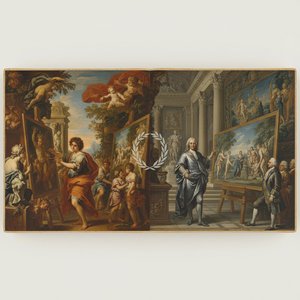
Diana and Endymion

- 2328.0 x 1790.0 cm


 Lees meer
Giclée / Kunstafdrukken
Giclée- of canvasafdruk van museumkwaliteit met een snelle productie en flexibele afwerkingsmogelijkheden. ( Bestel handgeschilderde reproductie Schakel over naar digitale afbeeldingen)




P118B €10

P118H €10

P118W €10

P438Z €10

P508JH €12

P508YH €12

P805H €10

P805Z €10

P919BZ €10

P919G €10

P919XJ €10

P959ZH €10

P968JZ €12

W106C €8

W218G €10

W218JH €8

W218Y €10

W307PJ €10

W316G €10

W316PJ €8

W316Y €10

W398PJ €8

W4111J €10

W500HY €15

W500JH €15

W692G €12

W849H €8

W940BG €15

W953PJ €8




Kies uit onze vooraf ingestelde maten die overeenkomen met de originele verhoudingen van het kunstwerk.

Voer de gewenste breedte en hoogte in, passend bij uw lijst of muur. Een afdruk kan alleen worden ingekort en nooit groter worden gemaakt dan het origineel; een formaat met andere verhoudingen zal daarom een deel van de afbeelding verliezen. Wij sturen u een digitaal mockup ter goedkeuring voordat we tot drukwerk overgaan. De afbeelding op deze pagina toont niet de werkelijke uitsnede — dit is alleen te zien op het mockup.
Wereldwijde levering () binnen 2 weken in plaats van de standaard 4/5 weken. (6 november)

Gratis wereldwijde expressverzending

Hoogwaardig linnen canvas

Volledige verzendverzekering

Garantie op terugbetaling van invoerrechten

Garantie op exacte kleurweergave

Retourbeleid van 100 dagen (alleen bij defecten)

100% Geld-terug-garantie

Korting bij meerdere afnames
 De optie voor glas is alleen beschikbaar bij een formaat kleiner dan 110 cm.

Diana and Endymion
Giclée / Kunstafdrukken
Afmetingen reproductie
-


Eindtotaal
€ 72
Francesco Solimena’s *Diana and Endymion*: A Neapolitan Baroque Masterpiece
Francesco Solimena's 1710 painting, *Diana and Endymion*, is a breathtaking testament to the grandeur of Neapolitan Baroque art. Executed with meticulous detail and imbued with profound mythological symbolism, this work offers a captivating glimpse into the world of Greek legend and the artistic sensibilities of one of Italy’s most celebrated painters. Measuring an impressive 2328 x 1790 cm, the scale alone commands attention, drawing the viewer into a scene brimming with movement, emotion, and divine beauty.
- Subject Matter: The painting depicts the poignant love story of Diana, the goddess of the hunt and the moon, and Endymion, a mortal shepherd. Traditionally, Endymion was granted eternal youth by Diana, who fell deeply in love with him. This narrative explores themes of immortality, desire, and the delicate balance between the divine and human realms.
- Style & Technique: Solimena’s style is characterized by its dramatic lighting, rich color palette, and remarkably realistic depiction of figures and animals. He employs a technique known as *sfumato*, subtly blending colors to create soft transitions and atmospheric effects, particularly evident in the rendering of the drapery and the luminous skin tones. The composition is meticulously balanced, guiding the eye through a complex arrangement of figures and elements.
A Window into Neapolitan Baroque Patronage
Solimena’s rise to prominence was inextricably linked to the patronage system that flourished in Naples during the 17th and 18th centuries. His early training under his father, Angelo Solimena, and subsequent studies with established masters like Francesco di Maria and Giacomo del Po, provided him with a solid foundation in classical technique and composition. However, it was the support of Cardinal Vincenzo Orsini that truly propelled him to artistic recognition. Orsini’s patronage allowed Solimena to undertake increasingly ambitious fresco commissions, establishing his reputation as one of the leading artists of his time. This painting itself likely originated from a private commission, reflecting the wealthy tastes and aesthetic preferences of influential patrons.
Symbolism and Narrative Depth
The scene is rich in symbolic detail, reflecting the complex mythology at its core. Diana, depicted with her characteristic bow and arrow, embodies power, grace, and divine authority. Endymion, reclining peacefully, represents earthly beauty and vulnerability. The presence of the horses, dog, and bird further enriches the narrative, evoking images associated with the hunt, loyalty, and freedom – all elements integral to Diana’s domain. The overall atmosphere is one of serene contemplation punctuated by moments of intense emotion, capturing the essence of this timeless love story.
Emotional Impact and Artistic Legacy
*Diana and Endymion* remains a powerfully evocative work of art, demonstrating Solimena's mastery of Baroque aesthetics. Its dramatic composition, luminous colors, and nuanced portrayal of human emotion continue to captivate viewers centuries later. As a hand-painted reproduction offered by OriginalUniqueArt.com, this artwork provides an unparalleled opportunity to experience the beauty and artistry of one of Neapolitan Baroque’s greatest masters – a timeless masterpiece that speaks to the enduring power of myth and love.
Veelgestelde vragen
Bij welke kunststroming behoort "Diana and Endymion" door Francesco Solimena?
"Diana and Endymion" door Francesco Solimena behoort tot de Baroque Grandeur-stroming. Deze stroming biedt de stilistische context van het werk.
Wat is de aanbevolen afdrukmaat voor "Diana and Endymion"?
Voor "Diana and Endymion" door Francesco Solimena wordt een reproductie van Large aanbevolen. De afmetingen kunnen worden aangepast met behoud van de verhoudingen.
Welke plaatsing past bij het formaat van "Diana and Endymion" door Francesco Solimena?
Het Landscape-formaat van "Diana and Endymion" door Francesco Solimena wordt aanbevolen voor een Living Room. Formaat en ruimte samen bepalen de ideale plaatsing van een reproductie.
Biografie kunstenaar
A Neapolitan Master of Baroque Grandeur
Francesco Solimena, geboren in het kleine Italiaanse stadje Canale di Serino nabij Avellino in 1657, kwam op als een van de meest significante figuren in de Neapolitaanse schilderkunst tijdens de late Barokperiode. Zijn artistieke reis begon binnen een familie die al verankerd was in de kunsttraditie; zijn vader, Angelo Solimena, diende aanvankelijk als zijn instructeur, samen met hem aan vroege projecten zoals het paradijs-fresco voor de kathedraal van Nocera. Deze fundamentele ervaring instilledde jonge Francesco een diepe waardering voor techniek en compositie. Hij verfijnde zijn vaardigheden verder onder de begeleiding van Francesco di Maria en Giacomo del Po, waardoor hij diverse invloeden opnam die uiteindelijk zijn kenmerkende stijl zouden vormen. De gunst van kardinaal Vincenzo Orsini was cruciaal, waardoor Solimena werd aangemoedigd en mogelijkheden kreeg om zichzelf te vestigen als onafhankelijke kunstenaar in de jaren 80, waarbij hij ambitieuze fresco-opdrachten uitvoerde.Forging a Style: Echoes of Rome in Neapolitan Splendor
Solimena’s artistieke stem is direct herkenbaar door zijn warme, bruinachtige schaduwval en dramatische toepassing van licht – kwaliteiten die diep geworteld zijn in de Romeinse Barokmeesters Luca Giordano en Giovanni Lanfranco. Echter, hij imiteerde niet simpelweg; in plaats daarvan synthetiseerde hij deze invloeden tot een uniek Neapolitaans esthetisch begrip. De kenmerken van zijn werk omvatten dynamische composities die doordrenkt zijn van emotionele intensiteit, weerspiegelend de Barokperiode’s neiging tot grandeur en theatraliteit. Hij bezat een uitzonderlijke vaardigheid om beweging en drama vast te leggen in zijn scènes, waardoor kijkers werden meegenomen in zowel heilige als mythologische verhalen. Vanaf de jaren 90 werd Solimena's atelier een dominante kracht in Napels, die het artistieke landschap van de stad gedurende decennia vormde. Zijn werkplaats was buitengewoon productief, waarbij altarstukken, fresco’s en doeken werden geproduceerd die kerken en paleizen in de regio versierden. Een kenmerkende eigenschap van zijn composities was het suggereren van achtergronden met weinig details, waardoor de aandacht strategisch werd geconcentreerd op de figuren zelf en hun rijk gedekte gewaden – vaak verlicht door zorgvuldig geplaatste lichtbronnen om hun impact te vergroten.A Prolific Output: Frescoes, Altarpieces, and Mythological Visions
Francesco Solimena was een buitengewoon productieve kunstenaar, die een uitgebreide collectie werk achterliet die een breed scala aan onderwerpen en formaten omvat. Hij excelleerde in grote fresco-cycli, waardoor de interieurs van Neapolitaanse kerken en paleizen werden getransformeerd tot levendige weergaven van religieuze ferventie en aristocratische pracht. Zijn altarstukken zijn met name opmerkelijk vanwege hun vermogen om complexe theologische verhalen over te brengen met zowel emotionele diepte als technische briljantie. Naast zijn religieuze werken toonde Solimena ook een meesterschap in mythologische scènes, waardoor klassieke mythen werden doordrenkt met dramatische energie en zintuiglijke schoonheid. Onder zijn meest beroemde stukken is de *Allegorie van Regel*, die momenteel wordt tentoongesteld in het State Hermitage Museum in St. Petersburg – een getuigenis van zijn vaardigheid in allegorische representatie en verfijnde compositie. Zijn weergaven van huwelijken en hofelijke gelegenheden laten verder zijn veelzijdigheid zien, waarbij Neapolitaanse maatschappij met elegantie en pracht wordt vastgelegd. Werken zoals “St Johannes de Baptist” en “De Verheven Echtgenoot en Kroning van de Maagd” illustreren zijn meesterschap in chiaroscuro en dynamische composities.Influences and Development
Solimena’s artistic development was deeply rooted in the traditions of his family and the broader Neapolitan art scene. Initially, he learned from his father, Angelo Solimena, a painter known for his naturalistic style. This early training provided him with a solid foundation in technique and composition. He then studied under Francesco di Maria and Giacomo del Po, absorbing influences from various artists, including Luca Giordano, Giovanni Lanfranco, and Mattia Preti. These masters’ use of dramatic lighting, rich colors, and dynamic compositions greatly influenced Solimena's work. He was particularly drawn to the Roman Baroque style, which he adapted to his own Neapolitan sensibility. His workshop became a hub for artistic innovation, attracting young painters who were eager to learn from his expertise.Legacy and Historical Significance
Solimena’s impact extended far beyond his own artistic creations. His large, well-organized atelier functioned as a veritable academy, playing a crucial role in the cultural life of Naples. He trained numerous pupils who went on to become prominent artists in their own right, solidifying his position as a central figure in 18th-century Italian art. Notable among his students were Francesco de Mura, Giuseppe Bonito, Pietro Capelli, and Corrado Giaquinto – each contributing significantly to the evolution of Neapolitan painting. Solimena’s success wasn't limited to artistic recognition; he achieved considerable financial prosperity during his lifetime, being bestowed with the title of baron and living a life commensurate with his fame. He passed away in 1747 at Barra, near Naples, leaving behind an enduring legacy that continues to be celebrated through exhibitions, scholarly studies, and reproductions available today. He stands as one of the most important figures in Neapolitan Baroque painting, successfully synthesizing Roman influences with local traditions to create a distinctive style that defined artistic production in Naples for generations. His works remain admired for their dramatic flair, technical mastery, and enduring beauty – a testament to his genius and lasting contribution to art history.
Francesco Solimena
1657 - 1747 , Italië
Belangrijkste feiten
- Artistic Movement Or Style: Barokke schilderkunst
- Artists Or Movements Influenced By This Artist:
- Francesco de Mura
- Giuseppe Bonito
- Artists Who Influenced This Artist:
- Luca Giordano
- Giovanni Lanfranco
- Date Of Birth: 4 okt 1657
- Date Of Death: 3 apr 1747
- Full Name: Francesco Solimena
- Nationality: Italiaans
- Notable Artworks:
- Allegorie Regel
- Frescoes Napoli
- Place Of Birth: Canale di Serino, Italië
Gerelateerde artikelen

Top 10 Barok Meesterwerken: Kunstgeschiedenis voor uw Interieur | OriginalUniqueArt.nl
Ontdek de 10 meest iconische Barok meesterwerken van Caravaggio, Rembrandt & Rubens! Duik in de geschiedenis en passie achter deze klassieke schilderijen. Vind museumkwaliteit reproducties voor uw interieur op OriginalUniqueArt.com.

The Visceral Stage: Exploring Dramatic Narratives & Emotional Intensity in Baroque Art
Explore the dramatic world of Baroque art! Discover iconic masters like Caravaggio & Rembrandt, their techniques, and the movement's lasting impact. Expert insights for collectors & enthusiasts at OriginalUniqueArt.
Simon Vouet: A Baroque Master's Journey from Italian Influence to French Classicism
Explore the life & art of Simon Vouet, a pivotal French Baroque painter who introduced Italian styles to France. Discover his masterpieces and lasting influence on 17th-century art.

The Dramatic Flourish: Exploring the Baroque Movement's Enduring Legacy in Art History
Explore the dramatic world of Baroque art! Discover iconic artists like Caravaggio & Rubens, defining techniques, and its lasting impact on art history. Expert insights for collectors & enthusiasts at OriginalUniqueArt.

Barokke Pracht: Kunst die Grootsheid in Huis Brengt
Ontdek de barokke pracht! Leer over de geschiedenis, kenmerken en toepassingen van deze weelderige kunststijl in uw interieur. Laat u inspireren door meesters en breng grootsheid in huis.