Early Renaissance · 1442
The Annunciation (Fra Angelico, 1442)
Fra Angelico (1395–1455) maakte The Annunciation. Het dateert uit 1442. Het behoort tot de Early Renaissance-stroming. Het is gemaakt van Fresco. Het is te vinden in Convent of San Marco in Florence, Italië. De afmetingen zijn 230 × 321 cm.
- 1442
- Fresco
- 230 × 321 cm
- Convent of San Marco, Florence

 Met de hand geschilderd olieverfwerk
 Verstuur
 Delen
 Informatieblad


 Download
 Vergelijkbare items
 Diavoorstelling
 Vraag & antwoord

 Statistieken
The Annunciation, in het kort
- Titel
- The Annunciation
- Kunstenaar
- Fra Angelico (1395–1455)
- Geboren in [jaar]
- Vicchio, Italië
- Datum
- 1442
- Medium
- Fresco
- Afmetingen
- 230 × 321 cm
- Te zien in
- Convent of San Marco, Florence, Italië
- Beweging
- Early Renaissance
- Periode
- Renaissance
- Onderwerp
- annunciation, mary, gabriel, angel, fresco, medieval
Wat stelt The Annunciation voor?
A Moment of Divine Revelation: Fra Angelico’s “The Annunciation”
Fra Angelico's "The Annunciation," painted in 1442, is more than just a depiction of a pivotal biblical event; it’s an immersion into a realm of serene spirituality and exquisite detail. This fresco, housed within the walls of a Dominican monastery (though its exact location has shifted over time), captures the profound moment when the Archangel Gabriel announces to Mary that she will conceive and bear the son of God. The painting immediately draws the viewer in with its carefully orchestrated composition – a sense of quiet grandeur achieved through the strategic placement of arches, benches, and the central figures themselves.
The scene unfolds within a room bathed in a soft, diffused light, characteristic of Fra Angelico’s signature style. Earth tones dominate the palette—ochres, siennas, and umbers—creating an aged, almost timeless quality that speaks to the enduring nature of faith. This deliberate use of color isn't merely decorative; it evokes the atmosphere of a monastic setting, reflecting the contemplative life of the Dominican order. Notice how the artist masterfully employs *sfumato*, a technique borrowed from Leonardo da Vinci, softening edges and creating an ethereal haze that contributes to the overall sense of otherworldly beauty.
The Dance of Figures: Composition and Symbolism
At the heart of the composition are Mary and Gabriel. Mary, kneeling in humble reverence, gazes upwards with a mixture of surprise and acceptance. Her posture is graceful yet grounded, embodying both vulnerability and strength. The angel, rendered with delicate wings outstretched, presents the news with an air of solemnity and divine authority. The subtle shift in their gestures—Mary’s downward tilt of her head versus Gabriel's raised hand—creates a dynamic interplay between them, illustrating the exchange of this momentous revelation.
Beyond the central figures, details abound that enrich the narrative. The two benches flanking the scene aren’t merely architectural elements; they represent the earthly realm and the setting for this divine encounter. The presence of a third figure, partially obscured within the architecture – often interpreted as John the Baptist or even an attendant – adds to the sense of a sacred space unfolding before our eyes. The lilies held by Gabriel are a potent symbol of purity and virginity, directly referencing Mary’s role in salvation history.
A Masterclass in Early Renaissance Technique
Fra Angelico's skill as a painter is immediately apparent in the meticulous detail of "The Annunciation." He was renowned for his painstaking preparation – often sketching numerous studies before committing to fresco. This dedication is evident in the rendering of Mary’s garments, the folds of her veil, and the intricate details of Gabriel’s wings. The artist's use of *tempera* on gesso—a technique common at the time—allowed for layering colors and achieving remarkable luminosity.
- Layered Fresco Technique: Fra Angelico employed a meticulous process, starting with a rough ground (gesso) and building up layers of color to create depth and vibrancy.
- Sfumato Effect: The subtle blurring of lines and edges, particularly around the figures’ faces, contributes to the painting's ethereal quality.
- Symbolic Color Palette: The earth tones evoke a sense of monastic austerity and spiritual contemplation.
Emotional Resonance and Timeless Beauty
"The Annunciation" transcends its biblical subject matter, offering a profound meditation on faith, humility, and divine grace. It’s a painting that invites quiet reflection, prompting viewers to consider the transformative power of belief. Fra Angelico's ability to capture such intense emotion with such understated elegance is what secures this work’s place as one of the most beloved and enduring images of the Early Renaissance. OriginalUniqueArt offers exceptional reproductions of this masterpiece, allowing you to bring its serene beauty into your home or office – a testament to the timeless artistry of Fra Angelico.
In welk museum bevindt The Annunciation zich?
Convent of San Marco
Florence, Italië
Een Heiligdom van Geloof en Kunst Het Klooster van San Marco staat als een uniek monument voor het artistieke erfgoed van Florence—een plek waar de geest van de Renaissance samensmelt met diepe religieuze toewijding. Meer dan alleen een onderkomen voor meesterwerken, biedt het een meeslepende reis terug naar de vijftiende eeuw, waarbij bezoekers worden uitgenodigd om het nalatenschap van Fra Angelico en Girolamo Savonarola te overdenken binnen de muren van een prachtig bewaard gebleven Dominicaans klooster. Oorspronkelijk gesticht als een Vallombrosiaans klooster in de dertiende eeuw, begon de transformatie van San Marco naar een levendig centrum voor humanistische gedachte en artistieke innovatie met het mecenaat van Cosimo de' Medici—een cruciaal moment dat de komst van een hervormde Dominicaanse orde veiligstelde en een tijdperk van ongekende creativiteit inluidde.


Hoogwaardige afbeeldingen van The Annunciation

Publiek domein: de kunstenaar is overleden in 1455.
Andere formaten, uitsneden en citatie →Fra Angelico, The Annunciation (1442), Convent of San Marco. Publiek domein
Vragen over The Annunciation, beantwoord
In welk museum is het originele werk "The Annunciation" te zien?
Het originele "The Annunciation" door Fra Angelico wordt bewaard in Convent of San Marco, Florence, Italië. Een reproductie maakt het mogelijk om het werk thuis tentoon te stellen.
In welk jaar werd "The Annunciation" gemaakt?
"The Annunciation" dateert uit 1442. Deze datum plaatst het werk binnen de carrière van Fra Angelico en het betreffende tijdperk.
Met welke techniek is "The Annunciation" gemaakt?
Het medium van "The Annunciation" door Fra Angelico is Fresco. Reproducties zijn bedoeld om de uitstraling van deze techniek weer te geven.
Wat zijn de afmetingen van het originele "The Annunciation"?
"The Annunciation" heeft in zijn originele vorm de afmetingen 230 x 321 cm. De originele afmetingen dienen als een handig referentiepunt bij het kiezen van de juiste afmeting voor een reproductie.
Wat wordt er afgebeeld in "The Annunciation" door Fra Angelico?
"The Annunciation" door Fra Angelico toont: annunciation, mary, gabriel, angel, fresco, medieval, spirituality, tuscan.
Behoort "The Annunciation" door Fra Angelico tot het publiek domein?
"The Annunciation" door Fra Angelico valt onder bevindt zich in het publiek domein - de auteursrechten zijn verlopen. Deze status bepaalt hoe de afbeelding van het werk mag worden gereproduceerd.
Wie heeft "The Annunciation" gemaakt?
"The Annunciation" is gemaakt door Fra Angelico. De informatie op deze pagina beschrijft het originele werk van Fra Angelico.
Tot welke stijl behoort "The Annunciation"?
"The Annunciation" door Fra Angelico behoort tot de Early Renaissance-stroming. Deze stroming biedt de stilistische context van het werk.
Tot welke periode in de carrière van Fra Angelico behoort "The Annunciation"?
Binnen de carrière van Fra Angelico valt "The Annunciation" in de Early Renaissance. Deze fase helpt om het werk te vergelijken met andere werken van de kunstenaar.
Over de kunstenaar, Fra Angelico
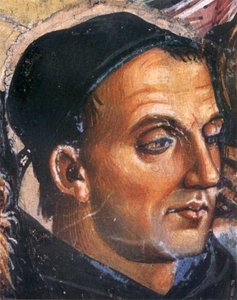
1395–1455, Italië
Fra Angelico
Het Vroege Leven en de Spirituele Vorming Geboren als Guido di Pietro in de Mugello, begon het leven van de man die later bekend zou worden als Fra Angelico in de glooiende Toscaanse heuvels nabij Florence. Rond 1395 stond hij bekend als Giovanni da Fiesole. Zijn vroege jaren werden gevormd door het serene en verstilde landschap van deze regio. Uiteindelijk koos de jonge Giovanni voor de weg van de vroomheid door zich aan te sluiten bij de Dominicanen in Fiesole.
Ook van Fra Angelico
 De Verkondiging1430
 Madonna met het Kind, Heiligen en Kruisiging
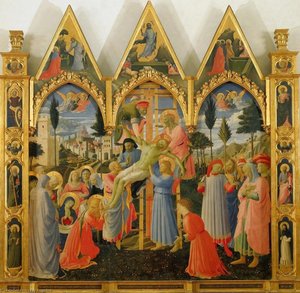 De Deposition
 Het Laatste Oordeel1431
Essays over The Annunciation
 Divine Beauty: The 25 Most Iconic Masterpieces by Fra AngelicoJourney through the divine beauty of Fra Angelico's finest works. Explore 25 iconic Renaissance masterpieces, from ethereal frescoes to sac…
 The Enduring Legacy of Fresco: Technique, History & Artistic ExpressionExplore the rich history & enduring artistry of fresco painting. Discover techniques from Giotto to Michelangelo, conservation efforts, & m…
 Sacred Narratives: Decoding the Iconography and Artistry of the AnnunciationExplore the profound symbolism and mastery behind Renaissance Annunciation paintings. Discover the secrets of these sacred masterpieces now.