
 Voorvertoning
 Verstuur
 Delen
Delen
 Details bekijken
 Gids
Gids

 Download
 Vergelijkbare items
 Röntgenonderzoek
 Diavoorstelling
 Q&A
Q&A Statistieken
The Penitent St Jerome

- 47.0 x 34.0 cm


 Lees meer
Giclée / Kunstafdrukken
Giclée- of canvasafdruk van museumkwaliteit met een snelle productie en flexibele afwerkingsmogelijkheden. ( Bestel handgeschilderde reproductie Schakel over naar digitale afbeeldingen)




P118B €10

P118H €10

P118W €10

P438Z €10

P508JH €12

P508YH €12

P805H €10

P805Z €10

P919BZ €10

P919G €10

P919XJ €10

P959ZH €10

P968JZ €12

W106C €8

W218G €10

W218JH €8

W218Y €10

W307PJ €10

W316G €10

W316PJ €8

W316Y €10

W398PJ €8

W4111J €10

W500HY €15

W500JH €15

W692G €12

W849H €8

W940BG €15

W953PJ €8




Kies uit onze vooraf ingestelde maten die overeenkomen met de originele verhoudingen van het kunstwerk.

Voer de gewenste breedte en hoogte in, passend bij uw lijst of muur. Een afdruk kan alleen worden ingekort en nooit groter worden gemaakt dan het origineel; een formaat met andere verhoudingen zal daarom een deel van de afbeelding verliezen. Wij sturen u een digitaal mockup ter goedkeuring voordat we tot drukwerk overgaan. De afbeelding op deze pagina toont niet de werkelijke uitsnede — dit is alleen te zien op het mockup.
Wereldwijde levering () binnen 2 weken in plaats van de standaard 4/5 weken. (2 november)

Gratis wereldwijde expressverzending

Hoogwaardig linnen canvas

Volledige verzendverzekering

Garantie op terugbetaling van invoerrechten

Garantie op exacte kleurweergave

Retourbeleid van 100 dagen (alleen bij defecten)

100% Geld-terug-garantie

Korting bij meerdere afnames
 De optie voor glas is alleen beschikbaar bij een formaat kleiner dan 110 cm.

The Penitent St Jerome
Giclée / Kunstafdrukken
Afmetingen reproductie
-


Eindtotaal
€ 72
The Penitent St Jerome: A Renaissance Echo of Spiritual Struggle
Filippino Lippi’s “The Penitent St Jerome,” painted in 1485, is more than just a depiction of a biblical figure; it's a profound meditation on faith, remorse, and the arduous path to redemption. The painting immediately draws the viewer into a world of stark contrasts – the cool, shadowed depths of the cave against the warm glow emanating from the central figure, the rough texture of the stone juxtaposed with the delicate folds of his robe. It’s a scene steeped in emotional intensity, rendered with the meticulous detail and psychological insight characteristic of the Florentine Renaissance.
Lippi masterfully employs perspective to create an immersive experience. The viewer is positioned as if observing St Jerome from a slightly elevated vantage point, peering into the darkness of his refuge. The receding cityscape in the background—a hazy, almost dreamlike vision of Florence—suggests both earthly constraints and the promise of spiritual transcendence. This architectural backdrop isn’t merely decorative; it subtly reinforces the theme of isolation and the struggle between the material world and divine grace.
A Masterclass in Renaissance Technique
The painting is executed primarily in oil on panel, a medium that allowed Lippi to achieve an extraordinary level of realism and luminosity. Note the subtle gradations of color – the deep blues and purples of the shadows, the earthy browns and ochres of the stone, and the rich crimson of the saint’s robe. Lippi's brushwork is remarkably controlled, yet imbued with a sense of movement and dynamism. The texture of the rock face is rendered with astonishing accuracy, inviting the viewer to almost feel its rough surface beneath their fingertips. This attention to detail extends to the folds of the fabric, which appear both weighty and fluid, conveying the saint’s physical suffering.
The pyramidal composition—a hallmark of Renaissance art—anchors the scene and directs the eye towards St Jerome. The figure dominates the center, radiating a quiet intensity that speaks volumes about his inner turmoil. The use of chiaroscuro – the dramatic interplay of light and shadow – further emphasizes this sense of drama and psychological depth. Lippi doesn’t simply depict a saint; he captures the very essence of his struggle.
Symbolism and Spiritual Resonance
“The Penitent St Jerome” is rich in symbolic meaning. The cave itself represents both physical isolation and spiritual retreat, a place where the saint can confront his past sins and seek forgiveness. The stone he uses to beat his chest is a potent symbol of self-flagellation – a practice associated with penance and repentance. The small lion, traditionally an attribute of St Jerome, is barely visible in the background, perhaps suggesting the fading power of earthly dominion and the triumph of spiritual authority.
The presence of the crucifix—a subtle but crucial element—underscores the central theme of redemption through sacrifice. St Jerome’s posture – hunched over, his face etched with sorrow – conveys a profound sense of humility and devotion. The painting isn't merely about suffering; it’s about transformation, about the possibility of finding solace and grace amidst pain and regret.
A Timeless Meditation on Faith
“The Penitent St Jerome” remains a powerfully evocative work of art, offering viewers a glimpse into the complexities of faith, repentance, and the human condition. It’s a testament to Lippi's artistic skill and his profound understanding of the spiritual themes he explored. Reproductions of this masterpiece capture not only its visual beauty but also the emotional weight and timeless resonance of its message – a reminder that even in our darkest moments, redemption is always within reach.
Veelgestelde vragen
Hoe intens zijn de kleuren van "The Penitent St Jerome" door Filippino Lippi?
De kleurintensiteit van "The Penitent St Jerome" is Monochromatic. Intensiteit geeft aan hoe krachtig de kleuren overkomen.
Kan ik "The Penitent St Jerome" door Filippino Lippi onder ander licht bekijken?
De röntgenweergave van "The Penitent St Jerome" door Filippino Lippi is te vinden op de Röntgenanalyse-pagina van het kunstwerk: een interactieve verkenning van het beeld door middel van elf optische lagen.
Wat is de algemene sfeer van "The Penitent St Jerome" door Filippino Lippi?
"The Penitent St Jerome" heeft een Dramatic atmosfeer.
Biografie kunstenaar
Vroege Leven en Vorming
Filippino Lippi, geboren in april 1457 te Prato, Italië, was een kind van de Renaissance, letterlijk én figuurlijk. Zijn vader, Fra Filippo Lippi, was reeds een gevestigde naam als schilder, bekend om zijn lyrische Madonnas en innovatieve technieken. Filippino’s jeugd werd echter gekenmerkt door onzekerheid; hij was een buitenechtelijk kind, geboren uit de relatie van Fra Filippo met Lucrezia Buti. Desondanks ontving hij een grondige opleiding in de kunst van zijn vader, wat de basis legde voor zijn eigen artistieke carrière. Deze vroege training omvatte waarschijnlijk het leren mengen van pigmenten, het aanbrengen van goudblad en het bestuderen van anatomie en perspectief. Fra Filippo’s werkplaats was een broedplaats van creativiteit, waar Filippino de eerste beginselen van schilderkunst absorbeerde en zijn eigen talent begon te ontwikkelen. De vroege invloed van zijn vader is duidelijk zichtbaar in zijn latere werken, maar Filippino zou al snel een unieke stijl creëren die hem onderscheidde van zijn meester.Artistieke Loopbaan en Ontwikkeling
Filippino’s artistieke ontwikkeling kan grofweg worden verdeeld in drie periodes. Zijn eerste periode (1475-1480) kenmerkt zich door werken die minder verfijnd zijn dan zijn latere meesterwerken, vaak toegeschreven aan een anonieme kunstenaar bekend als “amico di Sandro”. Deze vroege Madonnas tonen al wel zijn talent voor compositie en kleurgebruik, maar missen de expressiviteit en complexiteit die kenmerkend zouden worden voor zijn volwassen werk. In de periode 1480-1485 begon Filippino een meer persoonlijke en effectieve benadering te ontwikkelen, zichtbaar in werken zoals de *Reizen van Tobias*. Hierin experimenteerde hij met narratieve elementen en dynamische composities. Zijn ware meesterschap bereikte hij echter in de periode 1485-1504, gekenmerkt door zijn beheersing van de High Renaissance stijl, culminerend in werken als *De Verschijning van Christus aan Maria*. Deze periode toont een ongeëvenaarde virtuositeit in anatomie, perspectief en kleurgebruik.Belangrijkste Werken en Samenwerkingen
Filippino Lippi was niet alleen een getalenteerd individueel kunstenaar, maar ook een gewilde collaborator. Hij werkte samen met prominente kunstenaars als Perugino, Ghirlandaio en Botticelli aan fresco’s in de villa van Lorenzo de' Medici, een opdracht die hem in contact bracht met de elite van Florence. Een bijzonder belangrijke taak was het voltooien van Masaccio’s onafgemaakte decoratie in de Brancacci Kapel, samen met Masolino. Dit project vereiste niet alleen technische vaardigheid, maar ook respect voor het werk van zijn voorganger en een diep begrip van de Renaissance kunsttraditie. Tot zijn meest bekende werken behoren *De Kroning van Maria*, *Tobias en de Engel*, *Sint Hiëronimus* en *Scène uit het Leven van Sint Thomas van Aquino*. Deze werken getuigen van zijn veelzijdigheid en beheersing van verschillende genres, van religieuze scènes tot portretten.Invloeden en Artistieke Stijl
Filippino Lippi werd sterk beïnvloed door Sandro Botticelli en zijn vader, Fra Filippo Lippi. Van Botticelli leerde hij de elegantie van lijnvoering en compositie, terwijl hij van zijn vader de warmte van kleurgebruik en de expressiviteit van figuren erfde. Zijn eigen stijl kenmerkt zich door een levendigheid in vorm en lijn, warme colorieten, gedetailleerde landschappen, expressieve figuren en een combinatie van perspectiefgeometrie met intieme interieurs. Tijdens zijn verblijf in Rome bestudeerde hij antieke ruïnes en sculpturen, wat resulteerde in de integratie van klassieke elementen in zijn kunst. Deze invloed is zichtbaar in de architectuur en draperieën in zijn latere werken. Zijn vermogen om perspectief te combineren met realistische details creëerde een unieke visuele diepte en geloofwaardigheid in zijn schilderijen.Historische Betekenis en Erfenis
Filippino Lippi wordt beschouwd als een toonaangevende Florentijnse vertegenwoordiger van de traditie van grote fresco cycli. Zijn invloed op de High Renaissance is onmiskenbaar, met name in zijn gebruik van kleur, compositie en narratieve kracht. Zijn werken bevinden zich in musea over de hele wereld, waaronder de Uffizi Galerie in Florence. Hij wordt geroemd om het overbruggen van de kloof tussen eerdere Renaissance stijlen en de opkomende High Renaissance esthetiek. Zijn vermogen om traditionele thema’s te combineren met innovatieve technieken en een persoonlijke expressie maakte hem tot een van de meest invloedrijke kunstenaars van zijn tijd. De impact van Filippino Lippi is nog steeds zichtbaar in het werk van latere generaties schilders, die zich lieten inspireren door zijn virtuositeit en originaliteit.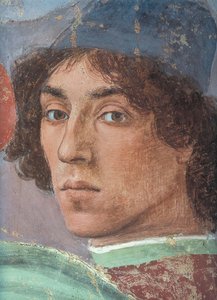
Filippino Lippi
1457 - 1504 , Italië
Belangrijkste feiten
- Artistieke Stroming: Hoge Renaissance
- Bekende Werken:
- Kroon van Maria
- Tobias en Engel
- St. Jeronimus
- Beïnvloed Door Kunstenaars:
- Fra Filippo Lippi
- Sandro Botticelli
- Geboortedatum: April 1457
- Geboorteplaats: Prato, Italië
- Kunstenaars Beïnvloed: ['Raffaellino del Garbo']
- Nationaliteit: Italiaans
- Overlijdensdatum: April 1504
- Volledige Naam: Filippino Lippi
Gerelateerde artikelen

Filippino Lippi: Renaissance Innovation Bridging Faith & Humanism
Explore the captivating world of Filippino Lippi, a Renaissance master bridging faith & humanism through innovative art. Discover his key works, influences, and lasting legacy with OriginalUniqueArt.

Oil on Canvas: A Historical & Technical Exploration of a Timeless Artistic Medium
Explore the rich history & enduring techniques of oil painting on canvas. Discover the science behind its longevity, conservation practices, and contemporary relevance. Expert insights for art enthusiasts.

The Enduring Power of Painting: A Historical & Contemporary Exploration of Form and Emotion
Explore the rich history & enduring techniques of oil painting with OriginalUniqueArt. Discover masterpieces, learn about art collecting, and find authentic handmade reproductions crafted by skilled artists.
Filippo Lippi: Bridging Renaissance Devotion & Artistic Innovation
Explore the life & revolutionary art of Filippo Lippi, a pivotal Renaissance painter. Discover his masterpieces, influence on Botticelli, and investment potential. Expert analysis at OriginalUniqueArt.

The Enduring Legacy of Oil on Canvas: Technique, History & Aesthetic Impact
Explore the rich history & techniques of oil painting – from Renaissance masters to Impressionism. Discover pigments, layering methods, and why this timeless medium endures. Expert insights for artists & art enthusiasts.
