Geometric Abstraction · 1954
Study for the (Fernand Léger, 1954)
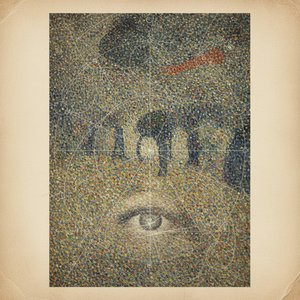
Fernand Léger (1881–1955) maakte Study for the . Het dateert uit 1954. Het behoort tot de Geometric Abstraction-stroming. Het is gemaakt van Acrylic On Canvas. Het is te vinden in Museu do Caramulo in Caramulo, Portugal. De afmetingen zijn 38 × 44 cm.
- 1954
- Acrylic On Canvas
- 38 × 44 cm
- Museu do Caramulo

 Voorvertoning

 Met de hand geschilderd olieverfwerk
 Verstuur
 Delen
 Informatieblad


 Download
 Vergelijkbare items
 Röntgenonderzoek
 Diavoorstelling
 Vraag & antwoord

 Statistieken
Study for the , in het kort
- Titel
- Study for the
- Kunstenaar
- Fernand Léger (1881–1955)
- Geboren in [jaar]
- Argentan, Frankrijk
- Datum
- 1954
- Medium
- Acrylic On Canvas
- Afmetingen
- 38 × 44 cm
- Te zien in
- Museu do Caramulo, Caramulo, Portugal
- Beweging
- Geometric Abstraction
- Onderwerp
- musical performance, geometric forms, modern landscape, instrument ensemble, urban scene, animal presence
Wat stelt Study for the voor?
A Symphony of Form and Feeling: Exploring Fernand Léger’s “Study for Breakfast”
Fernand Léger's "Study for Breakfast," completed in 1954, transcends mere representation; it embodies the very spirit of Pointillism—a technique championed by Georges Seurat and embraced wholeheartedly by Léger as a means to convey dynamism and immediacy. This unassuming landscape isn’t simply depicted as it appears before our eyes; instead, Léger meticulously constructs it from countless tiny dots of pigment, creating an illusion of depth and texture that defies conventional painting methods. The resulting image pulsates with energy, mirroring the rhythms of daily life—a quiet morning scene rendered with astonishing precision. It's a masterful demonstration of how abstraction can serve as a conduit for emotion and observation simultaneously.- Style: Pointillism – Léger’s signature style prioritizes optical mixing over blending pigments on canvas, resulting in vibrant hues that shimmer and shift subtly under the light.
- Technique: Léger employed a painstaking process of applying dots of color—typically yellow, red, and blue—to build up layers of tonal variation. This method demanded immense patience and meticulous attention to detail, reflecting Léger’s unwavering commitment to his artistic vision.
Historical Context: Embracing Modernity Amidst Postwar Uncertainty
Created in the aftermath of World War II, “Study for Breakfast” speaks to a broader cultural preoccupation with rebuilding and redefining beauty after devastation. Léger’s stylistic choices—the geometric abstraction and the deliberate fragmentation of form—were deliberately antithetical to the prevailing artistic trends of his time, signaling a rejection of Impressionism's focus on fleeting sensations and an embrace of the machine age’s influence on visual perception. This bold stance positioned Léger as a pioneer of abstract expressionism, anticipating developments that would reshape the landscape of 20th-century art.Symbolic Resonance: The Quiet Power of Observation
Despite its apparent simplicity, “Study for Breakfast” is laden with symbolic significance. Léger’s use of dots—representing individual particles and conveying movement—suggests a fascination with scientific principles and an attempt to capture the underlying order of nature. The muted palette contributes to a mood of contemplative serenity, inviting viewers to contemplate the beauty found in everyday moments. It's a subtle reminder that even amidst turbulent times, art can offer solace and inspire wonder.Emotional Impact: Capturing Essence Through Precision
Ultimately, Léger’s “Study for Breakfast” succeeds in conveying an emotional resonance far exceeding its visual surface. The artist doesn’t aim to evoke sentimental feelings but rather to distill the essence of a scene—the feeling of warmth, light, and stillness—into a meticulously crafted composition. This achievement underscores Léger's profound understanding of how abstraction can communicate complex ideas and sensations with remarkable effectiveness. It remains an enduring testament to his artistic genius and a captivating example of Pointillist artistry.In welk museum bevindt Study for the zich?
Museu do Caramulo
Caramulo, Portugal
Een symfonie van staal en ziel Genesteld in de groene, golvende heuvels van de Serra do Caramulo in centraal Portugal, verschijnt het Museu do Caramulo als een adembenemende paradox; een toevluchtsoord waar de precisie van werktuigbouwkunde de diepe menselijke creativiteit ontmoet. Dit is niet louter een bewaarplaats voor relikwieën, maar een levende dialoog tussen twee schijnbaar onverenigbare werelden. Opgericht door de visionaire broers Abel en João de Lacerda, staat het museum als een getuigenis van een gedeelde passie die weigerde grenzen te zien tussen het gebrul van een motor en de stille gratie van een penseelstreek.


Hoogwaardige afbeeldingen van Study for the

Publiek domein: de kunstenaar is overleden in 1955.
Andere formaten, uitsneden en citatie →Fernand Léger, Study for the (1954), Museu do Caramulo. Publiek domein
Vragen over Study for the , beantwoord
Waar is "Study for the" door Fernand Léger tegenwoordig te zien?
Het originele "Study for the" door Fernand Léger wordt bewaard in Museu do Caramulo. Een reproductie maakt het mogelijk om het werk thuis tentoon te stellen.
In welk jaar werd "Study for the" gemaakt?
"Study for the" door Fernand Léger werd gecreëerd in 1954.
Met welk medium is "Study for the" door Fernand Léger uitgevoerd?
Het medium van "Study for the" door Fernand Léger is Acrylic On Canvas. Reproducties zijn bedoeld om de uitstraling van deze techniek weer te geven.
Wat zijn de afmetingen van het originele "Study for the" door Fernand Léger?
"Study for the" heeft in zijn originele vorm de afmetingen 38 x 44 cm. De originele afmetingen dienen als een handig referentiepunt bij het kiezen van de juiste afmeting voor een reproductie.
Wat stelt "Study for the" voor?
De onderwerpen van "Study for the" zijn musical performance, geometric forms, modern landscape, instrument ensemble, urban scene, animal presence, domestic setting, pointillism technique.
Is "Study for the" vrij van auteursrecht?
De auteursrechtelijke status van "Study for the" door Fernand Léger: het werk is bevindt zich in het publiek domein - de auteursrechten zijn verlopen. Dit bepaalt of reproducties van de afbeelding vrijelijk mogen worden gemaakt.
Wie is de kunstenaar achter "Study for the"?
"Study for the" wordt toegeschreven aan Fernand Léger.
Bij welke kunststroming behoort "Study for the" door Fernand Léger?
"Study for the" door Fernand Léger behoort tot de Geometric Abstraction-stroming. Deze stroming biedt de stilistische context van het werk.
Tot welke periode in de carrière van Fernand Léger behoort "Study for the"?
"Study for the" behoort tot de Mature Period in de carrière van Fernand Léger. Deze classificatie plaatst het werk in de context van de ontwikkeling van de kunstenaar.
Over de kunstenaar, Fernand Léger

1881–1955, Frankrijk
Fernand Léger
Het Leven van Fernand Léger Het verhaal van Fernand Léger begint in het dorp Argentan, gelegen in de regio Orne in Neder-Normandië. Hij kwam op 4 februari 1881 ter wereld als enige zoon. Zijn vroege jaren werden gevormd door de stilte van het Franse platteland en de aanwezigheid van zijn moeder, Marie-Adèle Daunou. Zijn vader, een man die zijn brood verdiende als veehandelaar, overleed toen Fernand nog een jong jongetje was, waardoor het kind werd opgevoed door zijn moeder in een huishouden dat werd gekenmerkt door haar vroomheid en een zekere bescheidenheid.
Ook van Fernand Léger
 De Stad1919
 De Mechanicus1920
 Drie vrouwen1921
 Nadenken in het Bos1910

Essays over Study for the
 Top 10 Kunstwerken met een Industriële Sfeer | OriginalUniqueArt.comOntdek 10 iconische kunstwerken die de rauwe schoonheid van industriële landschappen en stadsgezichten vastleggen. Van impressionisme tot a…
 Georges Seurat: Pointillism, Perception & the Scientific Foundations of Modern ArtExplore the revolutionary art of Georges Seurat and the science behind Pointillism. Discover chromoluminarism, optical mixing, and the last…
 Mastering the Machine Age: The Top 25 Fernand Léger ArtworksImmerse yourself in the vibrant world of Fernand Léger. Explore 25 iconic masterpieces of Cubism and Tubism, from bold geometric forms to m…