Voorvertoning
 Verstuur
 Delen
Delen
 Details bekijken
 Gids
Gids

 Download
 Vergelijkbare items
 Röntgenonderzoek
 Diavoorstelling
 Vraag & antwoord
 Statistieken
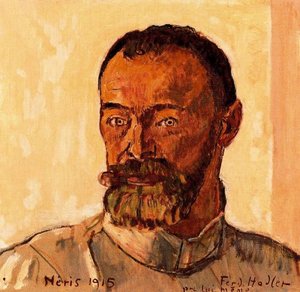
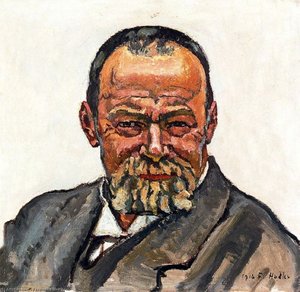
Twee Figuren

- 32.0 x 24.0 cm


 Lees meer
Giclée / Kunstafdrukken
Giclée- of canvasafdruk van museumkwaliteit met een snelle productie en flexibele afwerkingsmogelijkheden. ( Bestel handgeschilderde reproductie Schakel over naar digitale afbeeldingen)




P118B €10

P118H €10

P118W €10

P438Z €10

P508JH €12

P508YH €12

P805H €10

P805Z €10

P919BZ €10

P919G €10

P919XJ €10

P959ZH €10

P968JZ €12

W106C €8

W218G €10

W218JH €8

W218Y €10

W307PJ €10

W316G €10

W316PJ €8

W316Y €10

W398PJ €8

W4111J €10

W500HY €15

W500JH €15

W692G €12

W849H €8

W940BG €15

W953PJ €8




Kies uit onze vooraf ingestelde maten die overeenkomen met de originele verhoudingen van het kunstwerk.

Voer de gewenste breedte en hoogte in, passend bij uw lijst of muur. Een afdruk kan alleen worden ingekort en nooit groter worden gemaakt dan het origineel; een formaat met andere verhoudingen zal daarom een deel van de afbeelding verliezen. Wij sturen u een digitaal mockup ter goedkeuring voordat we tot drukwerk overgaan. De afbeelding op deze pagina toont niet de werkelijke uitsnede — dit is alleen te zien op het mockup.
Wereldwijde levering () binnen 2 weken in plaats van de standaard 4/5 weken. (4 november)

Gratis wereldwijde expressverzending

Hoogwaardig linnen canvas

Volledige verzendverzekering

Garantie op terugbetaling van invoerrechten

Garantie op exacte kleurweergave

Retourbeleid van 100 dagen (alleen bij defecten)

100% Geld-terug-garantie

Korting bij meerdere afnames
 De optie voor glas is alleen beschikbaar bij een formaat kleiner dan 110 cm.

Twee Figuren
Giclée / Kunstafdrukken
Afmetingen reproductie
-


Eindtotaal
€ 72
Een Studie van Twee Figuren door Ferdinand Hodler
Deze studie van twee mannen staat symbool voor een belangrijke ontwikkeling binnen het werk van Ferdinand Hodler en biedt een fascinerende kijk op zijn persoonlijke filosofie en artistieke stijl. Geboren in Bern, Zwitserland, in 1853, werd Hodler getroffen door een reeks tragische gebeurtenissen die zijn leven drastisch vormden – de vroegtijdige doodsgevallen van zijn vader en twee jongere broers zorgden voor een constante herinnering aan het fragiele karakter van het bestaan. Deze ervaringen voedden een diepe contemplatie over de dood en een bijzondere fascinatie voor de schoonheid en kracht van de natuur, thema’s die hij consequent zou terugvinden in zijn kunstwerken. Hodler begon zijn carrière als decoratieve schilder, maar zijn talent bleek snel verder te gaan dan het gewone vakmanschap. Hij wilde een uitgebreide artistieke opleiding volgen en zich niet beperken tot commerciële opdrachtgeverschap. Deze zoektocht naar persoonlijke groei leidde hem uiteindelijk tot een stijl die gekenmerkt werd door een combinatie van symbolisme, expressieve lijnen en een gedempte kleurpalet – een stijl die hij zou ontwikkelen tot een onderscheidende signatuur. Zijn werk wordt vaak beschouwd als een prachtige weergave van de Zwitserse kunsttraditie en biedt een belangrijke bijdrage aan het begrip van de symbolistische beweging. De studie zelf is uitgevoerd in zwart-wit tekening, waarbij Hodler een eenvoudige maar krachtige compositie heeft gecreëerd die twee mannen laat staan naast elkaar. Een figuur draagt een lange robe of mantel, terwijl de andere zijn rug naar de kijker draait. De manier waarop de mannen zijn gepositioneerd suggereert een tegenstelling tussen beweging en stilstand, tussen zichtbaarheid en verborgenheid – thema’s die Hodler regelmatig zou verkennen in zijn kunstwerken. Een oude boek ligt op de linker kant van het beeld, wat mogelijk een bron van inspiratie vormde voor het tekening of simpelweg een plaatselijke aanwezigheid tijdens het creëren ervan. Hodler gebruikte een combinatie van technische middelen om zijn studie te realiseren, waarbij hij vooral aandacht besteedde aan het gebruik van lijnen en schaduw om een gevoel van ruimte en diepte te creëren. Zijn stijl werd sterk beïnvloed door de werken van Gustave Moreau en Edvard Munch, kunstenaars wiens symbolistische visie overeenkomsten vertoonde met zijn eigen artistieke interesses. De studie is een prachtige illustratie van Hodler’s vermogen om emotionele inhoud over te brengen zonder gebruik te maken van kleur – een stijl die hem onderscheidt van vele andere kunstenaars van zijn tijd en een blijvende waarde biedt voor het huidige publiek. Een hoogwaardige reproductie kan een prachtige aanvulling vormen op elke kunstcollectie en een inspirerende bron zijn voor interieurontwerpers die streven naar een stijlvolle en emotionele ruimte.Veelgestelde vragen
Uit welke materialen bestaat "Twee Figuren" en in welke stijl is het uitgevoerd?
In "Twee Figuren" komen de Acryl op canvas-techniek en de Swiss Symbolisme-stroming samen.
Welk gebruik en welke ruimte worden aanbevolen voor "Twee Figuren" door Ferdinand Hodler?
Aanbevolen gebruik (Accent) en ruimte (Woonkamer) zijn de twee aanbevelingen voor "Twee Figuren" door Ferdinand Hodler.
Kan "Twee Figuren" door Ferdinand Hodler, onderdeel van de collectie van Nationale Galerie van Bosnië en Herzegovina, op legale wijze worden gereproduceerd?
"Twee Figuren" door Ferdinand Hodler, onderdeel van de collectie van Nationale Galerie van Bosnië en Herzegovina, is bevindt zich in het publiek domein - de auteursrechten zijn verlopen. Deze status bepaalt of er reproducties van de afbeelding mogen worden gemaakt.
Biografie kunstenaar
A Life Etched in Symbolism: The World of Ferdinand Hodler
Ferdinand Hodler, a name inextricably linked to the landscape of Swiss painting and the evocative language of symbolism, emerged from modest beginnings to become one of the most significant artists of the late 19th and early 20th centuries. Born in Bern, Switzerland, in 1853, his life was profoundly shaped by early loss – a recurring motif that would deeply inform his artistic vision. The untimely deaths of his father and two younger brothers before he reached adolescence cast a long shadow, instilling within him a contemplative awareness of mortality and the transient nature of existence. These experiences, interwoven with an acute sensitivity to the beauty and power of the natural world, became foundational elements of his evolving oeuvre. Initially apprenticed to decorative painters, Hodler’s innate talent quickly transcended mere craftsmanship; he harbored a fervent desire for formal artistic training and exploration beyond the constraints of commercial work. This ambition led him to Geneva in 1871, where he immersed himself in study, attending science lectures alongside diligently copying masterpieces at the city's museum – a rigorous education that laid the groundwork for his subsequent innovations.From Realism to ‘Parallelism’: Forging a Unique Vision
Hodler’s artistic journey was characterized by constant evolution and an unwavering pursuit of expressive power. His early works reflected the prevailing realist style prevalent during the time—portraits, landscapes, and genre scenes executed with meticulous detail. However, he soon found himself constrained by these conventions, seeking a means to convey deeper emotional truths and philosophical ideas. This quest led him towards Symbolism, a movement that deliberately rejected naturalistic representation in favor of subjective experience and evocative imagery. Yet Hodler didn’t simply adopt the tenets of Symbolism; instead, he meticulously crafted his own distinctive path, developing what he termed “parallelism.” This unique style involved arranging figures and forms in rhythmic, almost geometric patterns—a visual manifestation of interconnectedness. It was an attempt to depict not merely *what* he observed, but *how* he felt – the underlying emotional currents that connected all things. The Night, completed in 1890, stands as a pivotal work, marking his decisive shift towards symbolist imagery and sparking considerable debate amongst critics. Despite initial skepticism, the painting garnered attention in Paris, establishing Hodler’s reputation beyond Switzerland's borders and signaling the arrival of a truly original voice.Landmarks in Paint: Key Works and Their Significance
Throughout his prolific career, Hodler produced a remarkable body of work that continues to captivate audiences today. The Day, completed in 1893, stands as one of his most ambitious and celebrated achievements—a monumental historical painting showcasing his mastery of composition and symbolism. Housed at the Kunsthaus Zürich, this artwork is a powerful meditation on life, death, and renewal, rendered with an arresting blend of realism and visionary intensity. The sheer scale and emotional weight of The Day solidified Hodler’s position as a leading figure in European art. Other notable works include numerous depictions of the Swiss Alps, imbued with a sense of awe-inspiring grandeur, and portraits that reveal his profound understanding of human psychology. He frequently revisited themes of loss and mourning, perhaps reflecting his own childhood traumas, but always infused them with a dignified resilience. His paintings weren’t merely representations; they were emotional landscapes, inviting viewers to contemplate the fundamental questions of existence. Works like Truth II (1897) demonstrate Hodler's ability to seamlessly blend classical forms with modern sensibilities, creating images that are both timeless and strikingly contemporary—a testament to his innovative spirit.Influences and Historical Context
Ferdinand Hodler’s artistic development was shaped by a confluence of influences. Early exposure to the works of Gustave Moreau and the Symbolist movement in Paris undoubtedly played a crucial role. However, he also drew inspiration from Japanese prints, particularly their use of flattened perspective and symbolic imagery. Furthermore, his Swiss heritage—the rugged beauty of the Alps and the traditions of rural life—permeated his work, lending it a distinctly regional character. Hodler’s art emerged during a period of profound social and intellectual change – the late 19th and early 20th centuries were marked by rapid industrialization, urbanization, and growing anxieties about modernity. His paintings offered a visual language for grappling with these complex issues, providing solace and insight in an increasingly uncertain world. The rise of psychology, particularly Freud’s theories on the unconscious, also influenced his exploration of inner states and emotional landscapes.A Lasting Legacy: Influence and Historical Significance
Ferdinand Hodler's influence extended far beyond the borders of Switzerland. His innovative use of symbolism and his development of “parallelism” paved the way for Expressionism, with its emphasis on subjective emotion and distorted forms. Artists who followed in his footsteps recognized him as a precursor to their own explorations of inner experience. Hodler’s work also resonated with broader cultural currents – a period marked by rapid social change, scientific advancements, and a growing sense of existential anxiety. His paintings offered a visual language for grappling with these complex issues, providing solace and insight in an increasingly uncertain world. Today, Hodler’s works are held in major museums across Europe and beyond, ensuring that his artistic vision continues to inspire and challenge generations of viewers. He remains a towering figure in Swiss art history, celebrated not only for his technical skill but also for his profound emotional depth and unwavering commitment to exploring the mysteries of the human condition.Exploring Hodler Further
- For an in-depth look at his life and work: Wikipedia - Ferdinand Hodler
- Discover more of his paintings at: OriginalUniqueArt - Ferdinand Hodler Collection
- View *The Day* (1893) here: OriginalUniqueArt - The Day
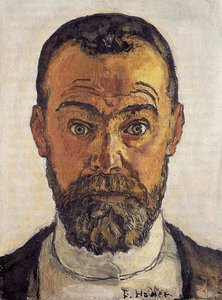
Ferdinand Hodler
1853 - 1918 , Zwitserland
Belangrijkste feiten
- Artistic Movement Or Style: Symbolisme, Parallelisme
- Artists Or Movements Influenced By This Artist: ['Expressionisme']
- Artists Who Influenced This Artist: ['Expressionisme']
- Date Of Birth: 1853
- Date Of Death: 1918
- Full Name: Ferdinand Hodler
- Nationality: Zwitsers
- Notable Artworks:
- De Nacht
- De Dag
- Waarheid II
- Place Of Birth: Bern, Zwitserland
Gerelateerde artikelen

Meesterwerken in Zwart: Top 10 Schilderijen Gedreven door Donkere Tinten | OriginalUniqueArt.nl
Ontdek de kracht van donker! Verlies jezelf in onze top 10 zwarte schilderijen, van Caravaggio tot Manet. Leer over meesterwerken, technieken & emotie. Museumkwaliteit reproducties op OriginalUniqueArt.com – Kunst voor uw interieur.
Meesterwerken in Zwart: Top 10 Schilderijen Gedreven door Ivoorkleurig Zwart - OriginalUniqueArt.com
Ontdek de kracht van ivoorkleurig zwart in 10 iconische schilderijen. Van Rembrandt tot Manet, duik in de verhalen achter deze meesterwerken en vind perfecte kunst voor uw interieur. Museumkwaliteit reproducties op OriginalUniqueArt.com

Meesterwerken in Zwart: Top 10 Schilderijen Gedreven door Mars Black - OriginalUniqueArt
Ontdek de kracht van 'Mars Black' in 10 iconische schilderijen! Van Rembrandt tot Manet, duik in de donkere esthetiek en emotionele diepgang van meesterwerken. Vind museumkwaliteit reproducties & decoratie-inspiratie op OriginalUniqueArt.com.

Kazimir Malevich's Top 25 Meesterwerken: Abstracte Kunst voor Uw Interieur | OriginalUniqueArt
Ontdek de 25 meest iconische werken van Kazimir Malevich, pionier van het suprematisme en abstracte kunst. Van 'Zwarte Vierkant' tot 'Witte op Wit', leer over zijn invloedrijke stijl & koop museumkwaliteit reproducties voor uw interieur. Explore the full collection online!
Meesterwerken in Zwart: Top 10 Schilderijen Gedreven door Lampzwart – OriginalUniqueArt
Ontdek de kracht van lampzwart in 10 iconische schilderijen! Van Rembrandt tot Caravaggio, reis door donkere tinten & meesterlijke technieken. Vind museumkwaliteit reproducties en creëer een dramatische sfeer met OriginalUniqueArt.com. Explore the full collection online!