

 Bekijk op ware grootte
 Verstuur
 Delen
Delen
 Details bekijken
 Gids voor studentenkunstwerken

 Download
 Vergelijkbare items
 Röntgenonderzoek
 Diavoorstelling
 Statistieken
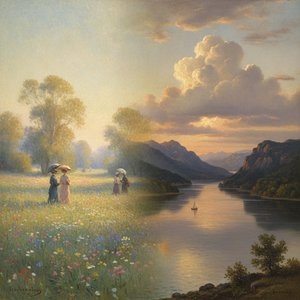
River Scene
 Oil On Canvas
- WallArt
- Impressionism
 1890
1890 81.0 x 65.0 cm
 Het Israël Museum
 Lees meer
Giclée / Kunstafdrukken
Giclée- of canvasafdruk van museumkwaliteit met een snelle productie en flexibele afwerkingsmogelijkheden. ( Koop handgeschilderd kunstwerk Schakel over naar digitale afbeeldingen)




P118B €10

P118H €10

P118W €10

P438Z €10

P508JH €12

P508YH €12

P805H €10

P805Z €10

P919BZ €10

P919G €10

P919XJ €10

P959ZH €10

P968JZ €12

W106C €8

W218G €10

W218JH €8

W218Y €10

W307PJ €10

W316G €10

W316PJ €8

W316Y €10

W398PJ €8

W4111J €10

W500HY €15

W500JH €15

W692G €12

W849H €8

W940BG €15

W953PJ €8




Kies uit onze vooraf ingestelde maten die overeenkomen met de originele verhoudingen van het kunstwerk.

Voer de breedte en de hoogte in die u nodig heeft, passend bij uw lijst of uw muur. Een afdruk kan alleen worden ingekort, nooit groter worden gemaakt dan het origineel, waardoor een formaat met een andere verhouding een deel van de afbeelding verliest. Wij sturen u een digitaal mockup ter goedkeuring voordat we iets drukken. De afbeelding op deze pagina toont niet de werkelijke uitsnede — dit is alleen te zien op het mockup.
Wereldwijde levering () binnen 2 weken in plaats van de standaard 4/5 weken. (22 oktober)

Gratis wereldwijde expressverzending

Hoogwaardig linnen canvas

Volledige verzendverzekering

Garantie op terugbetaling van invoerrechten

Garantie op exacte kleurweergave

Retourbeleid van 100 dagen (alleen bij defecten)

100% Geld-terug-garantie

Korting bij meerdere afnames
 De optie voor glas is alleen beschikbaar bij een formaat kleiner dan 110 cm.

River Scene
Giclée / Kunstafdrukken
Formaat reproductie
-


Totaalprijs
€ 71
River Scene – A Window Into Impressionistic Vision
“River Scene,” painted by Ferdinand Guillaumin in 1890, stands as a quintessential example of Impressionism’s fascination with capturing fleeting moments and sensory impressions. More than just a depiction of a riverside landscape, it's an invitation to experience the atmosphere of a bygone era—a testament to Guillaumin’s ability to distill the essence of light and color into a single canvas.
Subject Matter & Composition
The artwork portrays a bustling waterway dominated by several boats – barges laden with cargo, smaller vessels navigating calmer stretches – reflecting the industrial growth occurring in France during the late 19th century. Guillaumin skillfully employs horizontal lines to emphasize the expansive space of the river and horizon, creating a visual rhythm that draws the viewer’s eye across the composition. The arrangement of boats contributes to this sense of movement and dynamism.
Style & Technique – Impasto and Atmospheric Light
Guillaumin's distinctive style is characterized by “impasto,” where thick layers of paint are applied directly onto the canvas, creating a palpable textural surface that captures the shimmering effect of sunlight on the water’s surface. Short, broken brushstrokes dominate the technique, mirroring the fragmented nature of perception itself—a hallmark of Impressionism’s rejection of academic realism.
Color Palette & Symbolism
The color palette leans heavily towards blues and greens – reflecting the dominant hues of the river environment – punctuated by yellows and browns that add warmth and depth. Guillaumin utilizes a muted tonal range, prioritizing atmospheric light over precise representation. The boats themselves could symbolize progress, trade, or perhaps even the passage of time, subtly enriching the artwork’s narrative.
Historical Context & Artistic Legacy
Painted during the height of Impressionism's influence, “River Scene” aligns perfectly with the movement’s core principles—a deliberate departure from traditional artistic conventions. Its inclusion in exhibitions alongside Claude Monet solidified Guillaumin’s place within the canon of Impressionist art. Today, reproductions of this evocative piece continue to inspire collectors and interior designers seeking a connection to the beauty and immediacy of nature.
Additional Research
Further exploration into Ferdinand Guillaumin's artistic career reveals his membership in the Société Nautique de Marne, where he championed the depiction of maritime subjects. His work at the Musée d’Art Moderne de Paris alongside Monet exemplifies the collaborative spirit that propelled Impressionism forward.
Vragen & Antwoorden
Wat is de luminantie van "River Scene" door Armand Guillaumin?
De luminantie die is vastgesteld voor "River Scene" door Armand Guillaumin is Bright Balance.
Uit welke fase van de ontwikkeling van Armand Guillaumin is "River Scene"?
Binnen de carrière van Armand Guillaumin valt "River Scene" in de Mature Period. Deze fase helpt om het werk te vergelijken met andere werken van de kunstenaar.
Hoe verhouden de kleuren van "River Scene" door Armand Guillaumin zich tot de emotie van het kunstwerk?
Het Neutrals kleurenpalet van "River Scene" door Armand Guillaumin gaat samen met de Tranquil emotionele toon. Kleur is een van de manieren waarop een werk gevoel overbrengt.
Biografie van de kunstenaar
early life and career
Ferdinand Guillaumin, a French Impressionist painter and lithographer, was born on February 16, 1841, in Paris. His artistic journey began amidst the burgeoning fervor of impressionism—a movement that sought to capture the ephemeral beauty of light and color within the natural world. Growing up in a working-class family, he descended from Jean Joseph Guillaumin, a notary who instilled in him an appreciation for intellectual pursuits alongside a fascination with the surrounding landscapes of central France – specifically Moulins. This formative experience profoundly shaped his artistic sensibilities, nurturing a keen observation of light and texture, elements that would become hallmarks of his distinctive style. He pursued formal education at Moulins’ École Normale Supérieure, where he honed his drawing skills under the tutelage of sculptor Louis Caillouet—a pivotal encounter that cemented his commitment to artistic excellence. Shortly thereafter, he relocated to Paris, securing employment as a clerk in his uncle's lingerie shop while simultaneously dedicating himself to mastering painting techniques at the Académie Suisse. It was here that he forged connections with fellow artists who would become lifelong companions and collaborators: Eugène Boudin, Gustave Courbet, Camille Pissarro, and Francisco Oller—a Puerto Rican Impressionist painter whose influence extended far beyond their shared studio space. Courbet’s uncompromising realism served as a counterpoint to Guillaumin's burgeoning interest in capturing fleeting impressions of light, fostering a dialogue that would propel both artists toward innovative artistic explorations. His early works demonstrated an exceptional draughtsmanship—a meticulous attention to detail—combined with a masterful command of color and brushwork—characteristics that distinguished him from many of his contemporaries.contribution to impressionism
Guillaumin’s unwavering dedication to the Impressionist movement solidified his position as one of its most respected figures. He actively participated in six of the Society of Painters, Sculptors, and Engravers' (later The Impressionists’) annual exhibitions—a testament to his commitment to artistic innovation and collaboration. These exhibitions provided a crucial platform for showcasing his unique vision—characterized by dreamy landscapes bathed in soft light—and aligning him squarely with the movement’s core ethos: prioritizing sensory experience over academic conventions. His distinctive technique involved layering thin washes of color onto canvas, creating luminous surfaces that seemed to shimmer with reflected light. Unlike some Impressionists who favored bold contrasts and dramatic compositions, Guillaumin opted for a quieter aesthetic—one imbued with an understated elegance and profound sensitivity to the subtleties of tonal gradation. This approach resonated deeply with the spirit of impressionism, capturing not merely what was seen but also how it felt—a feat that cemented his reputation as a master of atmospheric perspective. The influence of Courbet’s uncompromising realism served as a counterbalance to Guillaumin's exploration of Impressionistic ideals, fostering a dynamic exchange that propelled both artists toward groundbreaking artistic achievements. His stylistic choices reflected a broader trend within the movement—a deliberate rejection of traditional academic painting in favor of capturing the immediacy and vibrancy of everyday life.notable works and associations
Guillaumin’s artistic legacy extends beyond his participation in Impressionist exhibitions; it resides in the enduring beauty and evocative power of his paintings—particularly “Garden in Janville in June” (1886) and “River Scene,” which exemplify his masterful command of color and texture. These canvases capture the tranquil serenity of rural landscapes—infused with a palpable sense of warmth and luminosity—demonstrating Guillaumin’s ability to translate visual impressions into emotionally resonant artworks. He maintained close ties with Eugène Murer, a fellow Impressionist painter and proprietor of a Parisian café—a friendship that nurtured both artistic inspiration and convivial companionship. Their shared passion for art fostered a collaborative spirit that enriched their respective oeuvres and solidified their place within the annals of Impressionist history. Furthermore, Guillaumin’s association with Vincent van Gogh—whom he befriended during his time in Auvers-sur-Oise—represents a poignant intersection of artistic sensibilities—a testament to the enduring power of human connection amidst creative endeavors. His patronage by Emile Zola and his circle of bohemian artists underscored his engagement with intellectual currents that challenged prevailing social norms—reflecting a broader commitment to artistic freedom and expressive experimentation. Guillaumin’s work found its way into prominent collections, including those housed at the Musée d’Orsay in Paris—a testament to its enduring appeal and recognition as a cornerstone of Impressionist art.legacy and remembrance
Ferdinand Guillaumin passed away on June 26, 1927, leaving behind an indelible mark on the history of French painting. His paintings continue to captivate audiences worldwide—serving as reminders of the transformative potential of artistic vision and unwavering dedication to craft. They stand alongside masterpieces by Monet and Cézanne as symbols of Impressionism’s enduring legacy—a testament to Guillaumin's contribution to capturing the fleeting beauty of light and color—and his profound understanding of the human experience. His influence can be seen in subsequent generations of artists who embraced Impressionistic principles—solidifying his position as a pivotal figure within the artistic canon. Explore more of Guillaumin’s works and the Impressionist movement on OriginalUniqueArt: ferdinand guillaumin | 3 artworks impressionism art movement
Armand Guillaumin
1841 - 1927 , Frankrijk
Snelle feiten
- Artistic Movement Or Style: Impressionism
- Artists Or Movements Influenced By This Artist: ['Symbolism']
- Artists Who Influenced This Artist:
- Vincent van Gogh
- Paul Cézanne
- Claude Monet
- Date Of Birth: February 16, 1841
- Date Of Death: June 26, 1927
- Full Name: Jean Baptiste Armand Guillaumin
- Nationality: French
- Notable Artworks:
- Garden in Janville in June
- River Scene
- View of Puy de Dôme
- Place Of Birth: Paris, France
Gerelateerde artikelen

Evocations of Place: A Historical Journey Through Landscape Art
Explore the rich history of landscape art with OriginalUniqueArt. Discover renowned artists, movements like Impressionism & tonalism, and expert guidance for collecting timeless pieces. Find your perfect serene escape today!

Paul Cézanne's Top 25 Meesterwerken: Kleur, Vorm & De Basis van Modern Art | OriginalUniqueArt
Ontdek de 25 meest iconische schilderijen van Paul Cézanne! Duik in zijn kleurrijke wereld, leer over impressionisme & post-impressionisme en bewonder meesterwerken als 'De Baders'. Vind museumkwaliteit reproducties & interieurinspiratie op OriginalUniqueArt.com.
Capturing the Light: A Journey Through the Soul of American Impressionism and the Hudson River School
Explore the luminous beauty of American Impressionism and the Hudson River School. Discover a curated journey through light, landscape, and history, celebrating the enduring legacy of masters through exquisite, hand-painted oil reproductions for the discerning art lover.

Evocations of Place: A Historical Journey Through Landscape Art
Explore the rich history of landscape art with OriginalUniqueArt. Discover renowned artists, movements like Impressionism & Romanticism, and expert guidance for collecting timeless pieces. Find your perfect serene escape today!

Flowing Narratives: Rivers in Painting – A Historical Exploration
Explore the rich history of rivers in painting! Discover masterpieces from ancient times to Impressionism & beyond. Learn about symbolism, artists like Monet & Daubigny, and find your perfect serene artwork at OriginalUniqueArt.
