
 Voorvertoning
 Verstuur
 Delen
Delen
 Details bekijken
 Gids
Gids

 Download
 Vergelijkbare items
 Röntgenonderzoek
 Diavoorstelling
 Vraag & antwoord
 Statistieken
De Ochtend

- 34.0 x 26.0 cm


 Lees meer
Giclée / Kunstafdrukken
Giclée- of canvasafdruk van museumkwaliteit met een snelle productie en flexibele afwerkingsmogelijkheden. ( Bestel handgeschilderde reproductie Schakel over naar digitale afbeeldingen)




P118B €10

P118H €10

P118W €10

P438Z €10

P508JH €12

P508YH €12

P805H €10

P805Z €10

P919BZ €10

P919G €10

P919XJ €10

P959ZH €10

P968JZ €12

W106C €8

W218G €10

W218JH €8

W218Y €10

W307PJ €10

W316G €10

W316PJ €8

W316Y €10

W398PJ €8

W4111J €10

W500HY €15

W500JH €15

W692G €12

W849H €8

W940BG €15

W953PJ €8




Kies uit onze vooraf ingestelde maten die overeenkomen met de originele verhoudingen van het kunstwerk.

Voer de gewenste breedte en hoogte in, passend bij uw lijst of muur. Een afdruk kan alleen worden ingekort en nooit groter worden gemaakt dan het origineel; een formaat met andere verhoudingen zal daarom een deel van de afbeelding verliezen. Wij sturen u een digitaal mockup ter goedkeuring voordat we tot drukwerk overgaan. De afbeelding op deze pagina toont niet de werkelijke uitsnede — dit is alleen te zien op het mockup.
Wereldwijde levering () binnen 2 weken in plaats van de standaard 4/5 weken. (5 november)

Gratis wereldwijde expressverzending

Hoogwaardig linnen canvas

Volledige verzendverzekering

Garantie op terugbetaling van invoerrechten

Garantie op exacte kleurweergave

Retourbeleid van 100 dagen (alleen bij defecten)

100% Geld-terug-garantie

Korting bij meerdere afnames
 De optie voor glas is alleen beschikbaar bij een formaat kleiner dan 110 cm.

De Ochtend
Giclée / Kunstafdrukken
Afmetingen reproductie
-


Eindtotaal
€ 72
Een Moment van Stilte en Licht: Een Analyse van ‘De Ochtend’ door Felix Ivo Leicher
Thomas Gainsborough, geboren in Sudbury, Suffolk, op 14 mei 1727, was een belangrijke figuur in de ontwikkeling van Britse kunst tijdens het Laatbarokke tijdperk. Zijn oeuvre omvatte zowel gedetailleerde portretten als prachtige landschappen en vestigde hem als een van de meest invloedrijke schilders van zijn tijd, naast Sir Joshua Reynolds. Gainsborough’s artistieke reis begon met een traditionele leerlingschap bij een Londens zilversmed, maar hij werd echt gevormd door zijn vroegste associatie met Hubert Gravelot, een Franse boekillustrator die onder invloed stond van Watteau en daarmee de tradities van het Rococo. Deze verbinding gaf hem begrip voor Rococo technieken en een diepe waardering voor fijn gedraaide penseelstreken en atmosferische perspectief – elementen waar hij later een ongeëvenaarde beheersing over kreeg. Zijn familie’s eenvoudige achtergrond—zijn vader een wollenhandelaar—dreef zijn eerste carrière aan, waardoor hij zichzelf moest vestigen als portretkunstenaar en een belangrijke rol speelde bij het definiëren van de stijl van zijn tijd. Een kunstenaar die zich liet inspireren door Rubens en Pittoni, maar ook een persoonlijke gevoeligheid ontwikkelde voor het vastleggen van emotie en licht.Het Onderwerp en De Compositie
De schildering ‘De Ochtend’ biedt een intieme scène waarin een nude vrouw op een bed zit, haar benen gekruist. Haar blik is gericht naar buiten, naar het raam, terwijl ze zich op de bedplaats bevindt. Een stoel staat iets verder rechts van het bed en twee gordijnen draperen het linker- en rechtergedeelte van het raam af. De kunstenaar heeft een prachtige balans gevonden tussen licht en schaduw, waarbij het warme ochtendlicht het gezicht van de vrouw voorzichtig belicht terwijl het ook een gevoel van rust en sereniteit oproept. De eenvoudige compositie draagt bij aan de emotionele kracht van het werk.Techniek en Stijl
Felix Ivo Leicher gebruikte olie op doek om deze afbeelding vast te leggen, een techniek die hem in staat stelde om een ongelooflijke hoeveelheid licht en kleur weer te geven. Zijn stijl is gekenmerkt door een vloeiende penseelstreken en een zorgvuldige aandacht voor detail, zoals blijkt uit de subtiele nuances van huidtinten en het prachtige spel van licht op het stofje van het gordijn. Leicher’s werk wordt vaak beschouwd als een voorbeeld van het romantische landschapsstijl, waarbij hij een gevoel voor atmosfeer en emotie boven technische perfectie plaatst. Hij verkreeg zijn inspiratie uit kunstenaars zoals Rubens en Pittoni, maar ontwikkelde ook een eigen stijl die hem onderscheidt van zijn tijdgenoten.Historische Context en Betekenis
‘De Ochtend’ werd geschilderd in 1780 en is onderdeel van het Szépmûvészeti Múzeum in Budapest, Hongarije. Het werk komt voort uit een periode waarin kunstenaars zich steeds meer richtten op het vastleggen van natuurlijke schoonheid en het verkennen van de menselijke emotie. De afbeelding kan worden gezien als een weergave van zowel fysieke rust als innerlijke contemplatie – een thema dat terugkomt in veel kunstwerken uit die tijd. Het gebruik van het nude lichaam werd vaak gebruikt om ideale schoonheid en natuurlijke eenvoud te symboliseren, een belangrijk principe binnen de kunstgeschiedenis.Een Adembenemende Reproduktie
Een hoogwaardige reproductie van ‘De Ochtend’ biedt een prachtige manier om de schoonheid van deze klassieke schildering in huis te brengen. Laat je inspireren door het licht, de kleuren en de emotionele kracht van Leicher's meesterwerk en creëer een stijlvolle ruimte die een gevoel van sereniteit en elegantie uitstraalt. Een kunstwerk dat tijdloze schoonheid verklaart!Veelgestelde vragen
Waarvoor wordt het gebruik van "De Ochtend" door Felix Ivo Leicher aanbevolen?
De aanbevolen toepassing voor "De Ochtend" door Felix Ivo Leicher is Accent. Het kan echter ook voor andere doeleinden worden gebruikt.
Wat is de luminantie van "De Ochtend" door Felix Ivo Leicher?
De kleuren van "De Ochtend" hebben een luminantie van Zachte schaduw.
Is er een factsheet over "De Ochtend" door Felix Ivo Leicher voor studenten?
Er is een Informatieblad pagina beschikbaar voor "De Ochtend" door Felix Ivo Leicher: een printbaar informatieblad over het kunstwerk, ontworpen voor studenten en gebruik in de klas.
Biografie kunstenaar
The Formative Years of a Silesian Talent
The story of Felix Ivo Leicher begins in the Silesian town of Bílovec, where a path that initially seemed destined for manual labor took an unexpected and luminous turn toward the fine arts. Before he was recognized as a master of the brush, his early life was marked by diverse apprenticeships; he first learned the intricate craft of weaving and later pursued the study of cutlery at school. However, the spark of true vocation ignited when he entered a local painter's workshop under Francis Andrew Schaffer. It was here that the foundations of his technique were laid, and a passion for painting took hold, eventually becoming the singular focus of his entire existence.
His journey from a provincial apprentice to an established figure in the Habsburg Empire was propelled by academic rigor and institutional support. Moving to Vienna, Leicher sought higher training and became a pupil at the Academy of Fine Arts Vienna. His talent was quickly validated on the academic stage; in 1754, he secured second prize in a prestigious competition for his work Anointing Saul the King. This achievement not only brought him recognition but also ensured the support of the Academy, setting the stage for a career that would span much of Central Europe.
Artistic Mastery and the Influence of the Masters
Leicher’s artistic identity was deeply intertwined with the great masters of his era, most notably Franz Anton Maulbertsch. Working closely with Maulbertsch, Leicher shared in the creation of grand frescoes and paintings for various churches, a collaboration that left a lasting imprint on his style. While the influence of his mentor is unmistakable in his use of light and composition, Leicher developed a distinct voice. His approach was often characterized by a softer, more delicate touch than the dramatic vitality of Maul-bertsch, favoring a gentler handling of form and a more subtle atmospheric quality.
His repertoire was remarkably diverse, ranging from monumental altarpieces to intimate secular works. As his career progressed through the latter part of the 18th century, he devoted himself to creating smaller cabinet paintings that explored secular themes with great sensitivity. His ability to navigate both the sacred and the profane allowed his work to permeate the religious and aristocratic landscapes of Austria, Bohemia, Moravia, Silesia, and Hungary. This versatility is beautifully captured in works such as The Evening and The Morning, where he demonstrates a masterful command of light and a profound ability to evoke serene, contemplative atmospheres.
Legacy and the Hidden Hand of Leicher
One of the most fascinating aspects of Leicher’s legacy is the historical challenge of attribution. For many years, several of his significant works were mistakenly attributed to Maulbertsch, as the stylistic similarities between teacher and pupil were so profound. It is only through recent scholarship that many of these pieces have been reclaimed and identified as the true products of Leicher's hand. This revelation has shed new light on the breadth of his contribution to the Rococo movement, revealing a painter of immense skill whose works continue to grace various churches and private collections.
The historical significance of Felix Ivo Leicher lies not only in his technical proficiency but in his role as a vital contributor to the visual culture of the Habsburg Empire. His paintings, often characterized by their graceful compositions and effective use of light, serve as windows into the aesthetic sensibilities of the 18th century. Whether through the grand scale of a church altarpiece or the quiet intimacy of a domestic scene, Leicher’s art remains a testament to a life dedicated to capturing the beauty, grace, and subtle emotions of his time.

Felix Ivo Leicher
1727 - 1812 , Czech Republic
Belangrijkste feiten
- Artistic Movement Or Style: Rococo
- Artists Who Influenced This Artist:
- Franz Anton Maulbertsch
- Rubens
- Pittoni
- Full Name: Felix Ivo Leicher
- Nationality: Czech-Austrian
- Notable Artworks:
- The Evening
- The Morning
- Place Of Birth: Bilovec, Czech Republic
- Date Of Birth: 1727
- Date Of Death: 1812
Gerelateerde artikelen

The Elegance of Rococo: A Journey Through Pastel Dreams and Ornate Splendor
Embark on an elegant journey through the Rococo era. Discover the delicate beauty of pastel masterpieces, the intricate artistry of 18th-century French masters, and how this era of ornate splendor continues to inspire timeless luxury in fine art collecting.

Top 10 Rococo Meesterwerken: Kunstgeschiedenis voor uw Interieur | OriginalUniqueArt.com
Ontdek de 10 meest iconische Rococo meesterwerken! Duik in de wereld van Fragonard, Boucher & Watteau. Leer over lieflijkheid, pastelkleuren en aristocratie. Museumkwaliteit kunst reproducties op OriginalUniqueArt.com.
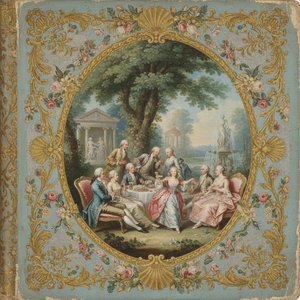
The Rococo Style: Aristocratic Leisure & the Pursuit of Delight in 18th-Century Art
Explore the opulent world of Rococo art! Discover Watteau, Boucher & Nattier's masterpieces. Expert insights for collectors seeking museum-quality reproductions and custom portraits at OriginalUniqueArt.

Illuminating the Enlightenment: A Comprehensive Exploration of 18th-Century Painting
Explore the captivating world of 18th-century painting! Discover Rococo's playful elegance & Neoclassicism’s Enlightenment ideals with expert insights into Fragonard, David, and more. A comprehensive guide for art enthusiasts.

The Rococo Aesthetic: Opulence, Rebellion & the Pursuit of Pleasure in 18th-Century Art
Explore the opulent world of Rococo art! Discover its origins, key artists like Watteau & Boucher, and lasting influence on design. Expert insights for collectors & enthusiasts.
