
 Voorvertoning
 Verstuur
 Delen
Delen
 Details bekijken

 Download
 Vergelijkbare items
 Röntgenonderzoek
 Diavoorstelling
 Statistieken
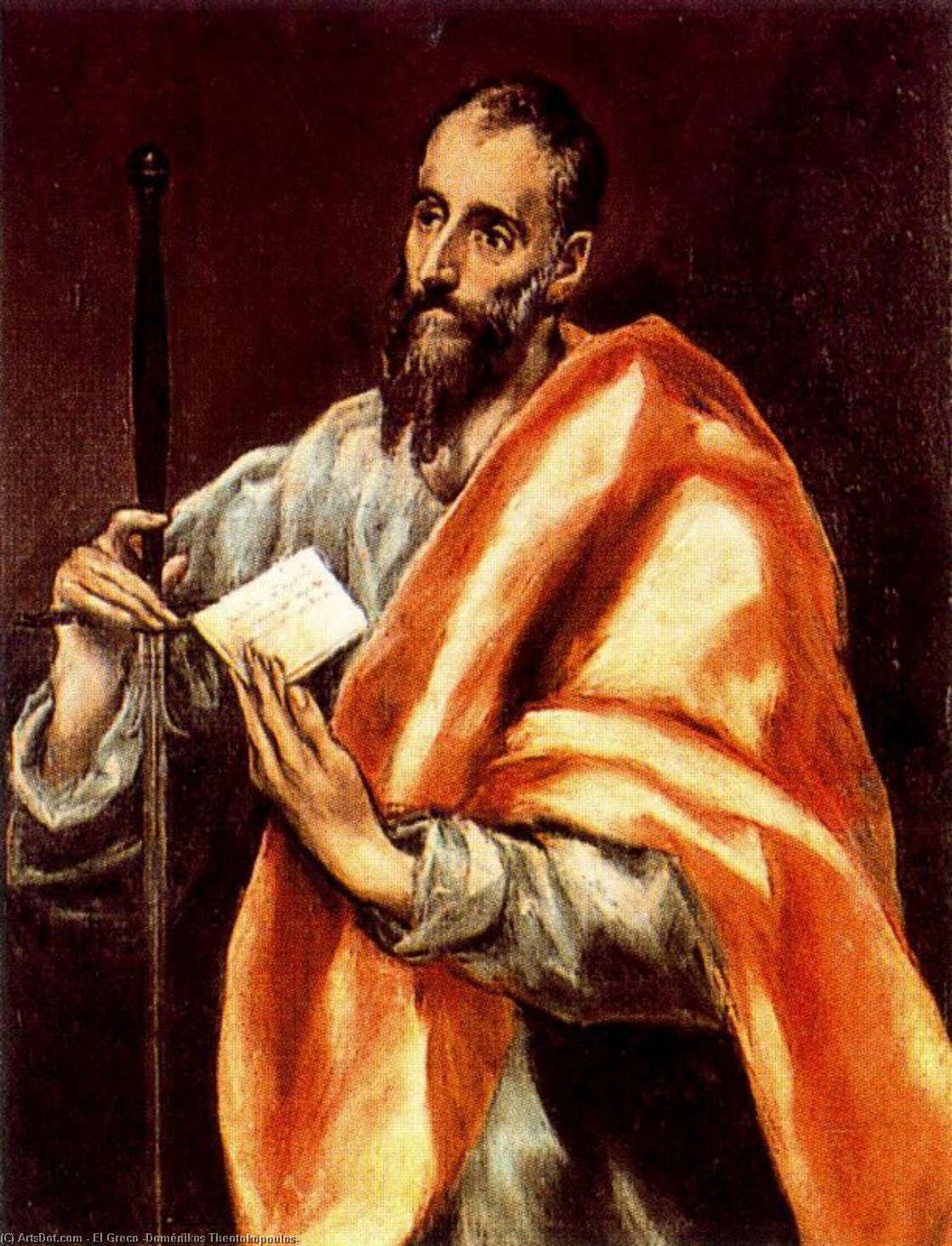
San Pablo1


 Lees meer
Koop een digitale afbeelding in hoge resolutie met verbeterde kwaliteit, die veel superieur is aan de online voorvertoning.
Elk bestand wordt met uiterste precisie voorbereid door onze interne specialisten, met behulp van geavanceerde tools en deskundige handmatige retouche. Wij garanderen dat elke afbeelding een uitzonderlijke helderheid, nauwkeurige kleurweergave en verfijnde details bezit.
Het uiteindelijke bestand wordt binnen 72 uur per e-mail geleverd, geoptimaliseerd voor direct gebruik in professionele, redactionele en printomgevingen. Dit is dezelfde kwaliteit waarop vooraanstaande designstudio's, uitgevers en galerieën vertrouwen.
Digitale afbeeldingen
Download een bestand met hoge resolutie voor persoonlijke weergave, afdrukken en creatieve projecten. ( Schakel over naar print Bestel handgeschilderde reproductie)
Inbegrepen bij elke bestelling van een digitale afbeelding
Professionele digitale levering, gegarandeerd
Wanneer u kiest voor OriginalUniqueArt.com, ontvangt u niet alleen een afbeelding – u krijgt een professioneel verbeterd digitaal kunstwerk, met precisie vervaardigd en voorzien van een tevredenheidsgarantie. Dit is alles wat automatisch bij uw bestelling is inbegrepen:

Snelle levering per e-mail
Uw hoogwaardige digitale afbeeldingsbestand wordt binnen 72 uur na bestelling naar u gemaild – klaar voor direct gebruik.

AI-verbeterd digitaal bestand
Uw kunstwerk wordt professioneel geoptimaliseerd met behulp van geavanceerde AI-tools en handmatige bewerkingen, waardoor maximale details, helderheid en kleurnauwkeurigheid worden gegarandeerd.

Gratis levenslange herlevering van digitale afbeeldingen
Je bestand per ongeluk verwijderd of kwijtgeraakt? Geen zorgen – we sturen het u op elk gewenst moment gratis opnieuw toe.

Geen invoerkosten – nooit
Geniet direct van uw kunstwerk zonder invoerrechten, belastingen of verzendkosten – digitale downloads zijn altijd belastingvrij.

Garantie op kleurgetrouwheid
Met behulp van professionele hulpmiddelen en kleurbeheer zorgen wij ervoor dat uw digitale afbeelding de originele kleuren zo nauwkeurig mogelijk weergeeft.

100 dagen tevredenheidsgarantie
Als u niet tevreden bent met uw digitale afbeelding, passen wij deze aan of storten wij 100% terug binnen 100 dagen - zonder vragen te stellen.

100% Geld-terug-garantie
Niet tevreden? Ontvang een volledige terugbetaling binnen 100 dagen na ontvangst van uw digitale bestand - zonder vragen te stellen.

Korting bij grote bestellingen
Koop 3 afbeeldingen, bespaar 10% - Koop 5, bespaar 15% - Koop 10+, bespaar 20%. Ideaal voor creatieve projecten, galerieën en bureaus.
The Spiritual Intensity of El Greco’s Saint Paul
In the twilight of his illustrious career, Doménikos Theotokópoulos, known eternally as El Greco, produced works that transcended the boundaries of mere portraiture to touch the very essence of the divine. His painting, San Pablo1, serves as a profound testament to this spiritual mastery. This piece is not simply a depiction of an apostle; it is a window into the psychological and theological depth of the late Mannerist period. The figure of Saint Paul emerges from the shadows with a commanding presence, his weathered face and contemplative gaze inviting the viewer into a silent dialogue of faith. Through the masterful use of chiaroscuro, El Greco directs our eyes to the interplay of light upon the saint's features, creating a sense of movement and life that feels both grounded in reality and elevated by grace.
The composition is a masterclass in the Mannerist tradition, where the artist deliberately moves away from the rigid anatomical perfection of the High Renaissance to embrace a more expressive, elongated form. In San Pablo1, we see this through the subtle stretching of the figure and the dramatic, sweeping folds of his crimson robe. The vibrant red of the drapery does more than provide a splash of color; it symbolizes the passion and the blood of the martyr, anchoring the saint's earthly suffering to his heavenly mission. As the light catches the edges of the fabric, it creates a rhythmic energy that guides the viewer through the painting, ensuring that the eye never rests but continues to wander through the textures of cloth and skin.
A Legacy of Light and Shadow
To behold this work is to experience the unique synthesis of cultures that defined El Greco’s life. Having been shaped by the iconographic traditions of his native Crete, the humanist ideals of Italy, and the fervent religious atmosphere of Toledo, Spain, the artist possessed a toolkit unlike any of his contemporaries. In this portrait, the Byzantine influence is felt in the meticulous attention to symbolic detail, while the Italian influence manifests in the dramatic, sculptural quality of the light. This fusion results in an emotional impact that is both unsettling and deeply comforting—a hallmark of El particular genius.
For the discerning collector or interior designer, a reproduction of San Pablo1 offers more than just aesthetic beauty; it brings a sense of historical gravity and intellectual depth to a space. The painting’s neutral background ensures that it can integrate seamlessly into diverse environments, from classical studies to modern, minimalist galleries, acting as a focal point that commands attention without overwhelming the room. It is a piece designed for contemplation, perfect for those who seek to surround themselves with art that speaks of resilience, wisdom, and the enduring power of the human spirit.
Kunstenaarsbiografie
Doménikos Theotokópoulos, called El Greco
Doménikos Theotokópoulos, known to the world as El Greco – “the Greek” – was a painter whose life and work defied easy categorization. Born in Crete, Greece (1541), his artistic journey took him through Venice and Rome before finding its ultimate expression in the spiritual heartland of Spain: Toledo. El Greco wasn’t merely a product of these places; he synthesized their influences into something wholly unique, a style that anticipated the emotional intensity of Expressionism and the fragmented forms of Cubism centuries later. His early training within the Byzantine tradition instilled in him a meticulous attention to detail and a profound understanding of religious iconography. This foundation, however, wouldn’t confine him. He signed his works in Greek, often appending “Krḗs” – Cretan – as a proud declaration of his origins, even as he ventured into new artistic territories. The seeds of his distinctive style were sown not just in technique but also in the fervent religious climate of his homeland and the rich tapestry of Venetian art.Early Life and Artistic Training
Doménikos Theotokópoulos was born in Fodele (modern Candia), Crete, which at that time belonged to the Republic of Venice. His father, Nikolaos Zacharias Kantakopoulos, was a wealthy merchant and administrator, providing him with a privileged upbringing. From a young age, Doménikos demonstrated an exceptional talent for drawing and painting, mastering the techniques of Byzantine icon painting – a tradition deeply rooted in Orthodox Christianity – under the tutelage of Eustathios Symonds, a renowned Cretan iconographer. This formative experience instilled in him a reverence for detail, a mastery of color palettes derived from Byzantine iconography, and a profound understanding of religious symbolism. The influence of Byzantium is palpable throughout his early oeuvre, particularly in works depicting saints and biblical figures rendered with serene dignity and luminous colors.Venetian Influence: Embracing Innovation
Around 1567, Doménikos moved to Venice, the epicenter of Renaissance artistic innovation. He immersed himself in the vibrant Venetian art scene, studying the masterpieces of Titian, Tintoretto, and Veronese – artists who had revolutionized painting with their mastery of color, composition, and dramatic lighting. Recognizing the limitations of Byzantine tradition alone, El Greco eagerly embraced the Venetian approach, loosening his brushwork and experimenting with oil paint—a medium previously unfamiliar to Cretan painters. This Venetian influence is vividly evident in *St. Sebastian* (1600), where anatomical detail blends seamlessly with an almost theatrical use of light and shadow. He absorbed the dynamism and expressive fervor characteristic of Venetian painting, preparing himself for a transformative encounter with Mannerism in Rome.Roman Years: Seeking Recognition Amidst Competition
In 1570, Doménikos traveled to Rome, hoping to gain recognition within the competitive artistic milieu of the papal court. However, he struggled to secure commissions and faced considerable challenges navigating the complex social dynamics of Roman art life. Despite his talent, El Greco’s style—characterized by elongated figures, distorted perspectives, and stylized draperies—didn't align with the prevailing aesthetic sensibilities of Mannerism, which favored elegance and refinement. Nevertheless, he continued to hone his craft, absorbing influences from artists like Giulio Romano and Andrea Palladio, broadening his artistic horizons and experimenting with new techniques. His Roman years were marked by a period of artistic introspection and stylistic evolution—a quest for personal expression amidst the pressures of patronage and artistic convention.Toledo: A Synthesis of Tradition and Vision
By 1577, Doménikos settled in Toledo, Spain – a city steeped in religious fervor during the Counter-Reformation and home to numerous churches eager for monumental artworks. This relocation proved decisive for El Greco’s artistic development. He received prestigious commissions from influential patrons—including Cardinal Juan Ruiz Zafra—and produced his most celebrated paintings: *The Burial of the Count of Orgaz*, *View of Toledo*, *The Opening of the Fifth Seal*, and *Christ Cleansing the Temple*. In Toledo, El Greco achieved a remarkable synthesis of Byzantine tradition and Venetian innovation, forging a style that was both deeply rooted in religious faith and strikingly original. His paintings are imbued with an emotional intensity unparalleled in Western art history—a testament to his profound spiritual vision and his unwavering commitment to artistic excellence. He became a symbol of Spanish Renaissance art, and his legacy continues to inspire artists today.
El Greco
1541 - 1614 , Griekenland
Belangrijkste feiten
- Artistic Movement Or Style: Renaissance en Barok
- Artists Who Influenced This Artist:
- Titian
- Tintoretto
- Date Of Birth: 1541
- Full Name: Doménikos Theotokópoulos
- Nationality: Grieks
- Notable Artworks:
- De Begrafenis van Graaf Orgaz
- Een uitzicht op Toledo
- Het Openen van de Vijfde Sleutel
- Place Of Birth: Crete, Greece