1923
Lobby card, Java Head (Edward Steichen, 1923)
Edward Steichen (1900–1973) maakte Lobby card, Java Head. Het dateert uit 1923. Het is gemaakt van Print. Het is te vinden in Museum of the Moving Image in Astoria, United States of America.
- 1923
- Museum of the Moving Image, Astoria

 Voorvertoning

 Met de hand geschilderd olieverfwerk
 Verstuur
 Delen
 Informatieblad


 Download
 Vergelijkbare items
 Röntgenonderzoek
 Diavoorstelling
 Vraag & antwoord

 Statistieken
Lobby card, Java Head, in het kort
- Titel
- Lobby card, Java Head
- Kunstenaar
- Edward Steichen (1900–1973)
- Geboren in [jaar]
- Bivange, Luxemburg
- Datum
- 1923
- Medium
- Te zien in
- Museum of the Moving Image, Astoria, United States of America
- Periode
- Early Modern
- Onderwerp
- movie poster, vintage art, lobby card, indian culture, nautical theme, drama scene
Wat stelt Lobby card, Java Head voor?
A Glimpse into Cinematic Drama: The Allure of the Lobby Card
This evocative lobby card for "Java Head," dating back to 1923, transports us directly into the vibrant, dramatic heart of early cinema. It is more than just a promotional piece; it is a carefully constructed tableau vivant, capturing the charged atmosphere that defined silent film epics. The composition immediately draws the eye to the intense interaction between the two central figures. On the left, the gentleman, clad in the formal attire of the era—a suit and tie—leans into the scene with an air of grave seriousness, his posture suggesting a pivotal moment of revelation or confrontation. His gaze seems fixed upon the woman, anchoring the narrative tension.
The Symbolism of Culture and Mystery
The woman on the right introduces layers of exotic mystery to this dramatic exchange. Her adornment, featuring what appears to be elaborate traditional Indian jewelry, immediately suggests a cross-cultural narrative—a common trope in early Hollywood melodramas that allowed for rich visual storytelling. Her head is turned slightly away from the viewer, lending her an air of enigmatic contemplation; she seems caught between the man's intensity and some internal deliberation. The background reinforces this sense of journey and scope with its stylized depiction of a ship upon the ocean. This nautical element hints at themes of passage, separation, or perhaps even escape, grounding the personal drama within a grander, sweeping adventure.
Technique and Vintage Allure
The aesthetic quality of this piece is deeply rooted in the illustrative traditions of the early 20th century. The color palette—dominated by rich blues, warm yellows, and deep reds—is characteristic of period printing techniques, lending the entire image a beautiful patina of age that collectors so adore. While the original medium was likely lithography or high-quality printmaking for theatrical display, its reproduction offers us the chance to own this specific visual language. The overall style is illustrative yet highly polished, embodying the grand spectacle promised by "A Paramount Picture."
Emotional Resonance for the Modern Collector
For the discerning collector or interior designer, this artwork serves as a potent piece of decorative storytelling. It doesn't merely hang on a wall; it narrates a moment suspended in time—a breath held just before the climax. The blend of formal Western attire with richly detailed Eastern costume creates an immediate visual dialogue, sparking conversation and contemplation within any sophisticated space. Owning this reproduction allows one to curate an environment steeped in cinematic romance and historical grandeur, making it a captivating focal point that speaks volumes about an appreciation for art history and dramatic flair.
In welk museum bevindt Lobby card, Java Head zich?
Museum of the Moving Image
Astoria, United States of America
Een Poort naar Pixels: De Filmische Ziel van Astoria Genesteld in de levendige hartslag van de wijk Astoria in Queens, staat het Museum of the Moving Image als een uniek en boeiend kruispunt waar kunst, technologie en storytelling samenkomen. Het is veel meer dan een loutere bewaarplaats voor artefacten; het is een meeslepende ervaring die ademt met de essentie van het moderne leven zelf. Gehuisvest binnen de historische muren van de Kaufman Astoria Studios—een monument dat ooit weergalmde van de creatieve energie uit het gouden tijdperk van Hollywood—dient het museum als een levend getuigenis van de filmgeschiedenis.
Hoogwaardige afbeeldingen van Lobby card, Java Head

Beschermd door auteursrecht: de afbeelding is uitsluitend ter referentie getoond.
Andere formaten, uitsneden en citatie →Edward Steichen, Lobby card, Java Head (1923), Museum of the Moving Image.
Vragen over Lobby card, Java Head, beantwoord
Waar kan ik het originele werk "Lobby card, Java Head" door Edward Steichen bewonderen?
Het originele werk "Lobby card, Java Head" is te bewonderen in Museum of the Moving Image, Astoria, United States of America.
In welk jaar werd "Lobby card, Java Head" door Edward Steichen gemaakt?
"Lobby card, Java Head" door Edward Steichen werd gecreëerd in 1923.
Met welke techniek is "Lobby card, Java Head" gemaakt?
Het medium van "Lobby card, Java Head" door Edward Steichen is Print. Reproducties zijn bedoeld om de uitstraling van deze techniek weer te geven.
Wat stelt "Lobby card, Java Head" voor?
De onderwerpen van "Lobby card, Java Head" zijn movie poster, vintage art, lobby card, indian culture, nautical theme, drama scene, silent film.
Behoort "Lobby card, Java Head" door Edward Steichen tot het publiek domein?
"Lobby card, Java Head" door Edward Steichen valt onder nog steeds auteursrechtelijk beschermd. Deze status bepaalt hoe de afbeelding van het werk mag worden gereproduceerd.
Aan welke kunstenaar wordt "Lobby card, Java Head" toegeschreven?
"Lobby card, Java Head" wordt toegeschreven aan Edward Steichen.
Hoe oud was Edward Steichen bij het creëren van "Lobby card, Java Head" in 1923?
Edward Steichen maakte "Lobby card, Java Head" op 23-jarige leeftijd. De kunstenaar werd geboren in 1900 en het werk dateert uit 1923.
Waarom heeft het kunstwerk "Lobby card, Java Head" deze auteursrechtelijke status?
"Lobby card, Java Head" door Edward Steichen is nog steeds auteursrechtelijk beschermd. De auteursrechtelijke bescherming loopt vanaf het overlijden van de kunstenaar, dat plaatsvond in 1973.
Wordt "Lobby card, Java Head" bewaard in het land van de maker?
Nee - het kunstwerk wordt in het buitenland bewaard. Edward Steichen werd geboren in Luxemburg, en het originele werk "Lobby card, Java Head" wordt bewaard in een museum in United States of America.
Over de kunstenaar, Edward Steichen

1900–1973, Luxemburg
Edward Steichen
A Life Bridging Worlds: The Artistic Odyssey of Edward Steichen Edward Steichen, later known as Edward Steichen, was a figure who transcended simple categorization. Born in 1879 in the small village of Bivange, Luxembourg, his life became an extraordinary journey from European roots to becoming one of America’s most influential artists – not merely as a photographer, but as a painter, curator, and visionary who reshaped how we perceive visual culture. The early years were marked by a significant relocation; in 1881, the Steichen family emigrated to Hancock, Michigan, seeking new opportunities. This move instilled in young Edward a sense of displacement and perhaps, a heightened sensitivity to observation – qualities that would profoundly shape his artistic vision.
Ook van Edward Steichen
 Le Tournesol (The Sunflower)1920
 Behind-the-scenes photograph, Paying the Piper1921
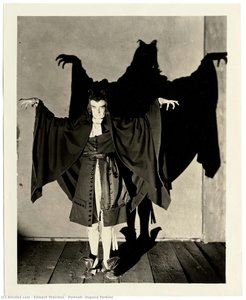 Portrait, Osgood Perkins1923
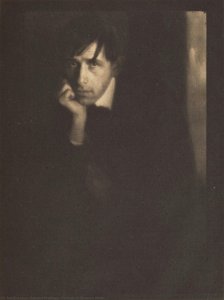 Portrait of Clarence White1905
Essays over Lobby card, Java Head
 Pictorialism: A Search for Artistic Photography's Soul – Aesthetics, Techniques & LegacyExplore the captivating world of Pictorialism – a pivotal movement that transformed photography into fine art. Discover key artists like St…
 Crowns of Creativity: A Visual Journey Through History's Most Iconic Headdresses and Artful AdornmentsEmbark on a visual journey through history's most stunning headdresses. From royal crowns to sacred feathers, explore the artistry of iconi…
 25 Must-See Masterpieces at the Smithsonian American Art MuseumExplore 25 iconic works from the Smithsonian American Art Museum. From Hopper to O'Keeffe, find masterpieces on OriginalUniqueArt.com.