

 Bekijk op ware grootte
 Verstuur
 Delen
Delen
 Details bekijken
 Gids voor studentenkunstwerken

 Download
 Vergelijkbare items
 Röntgenonderzoek
 Diavoorstelling
 Statistieken
The End -1
 Acrylic On Canvas
- WallArt
- Pop Art
 1993
1993 510.0 x 662.0 cm
 Tate Britain
 Lees meer
De kunstwerken die op deze pagina worden weergegeven, zijn beschermd door de auteursrechtwetgeving, wat betekent dat het ons wettelijk niet is toegestaan om identieke reproducties te maken of te verkopen. Deze bescherming wordt gehandhaafd onder internationale overeenkomsten zoals de Conventie van Bern en door nationale wetgeving, waaronder de bepalingen van de Amerikaanse auteurswet - Titel 17. Alle rechten voorbehouden. Reproduceren of distribueren van afbeeldingen is niet toegestaan zonder uitdrukkelijke schriftelijke toestemming van WahooArt.com en de rechthebbenden.
Als een respectvol en legaal alternatief bieden wij op maat gemaakte, handgeschilderde kunstwerken aan die geïnspireerd zijn op het origineel. Onze bekwame en professionele kunstenaars bestuderen zorgvuldig de stijl, sfeer en artistieke essentie van het origineel om een nieuw, uniek werk te creëren dat dezelfde emotie oproept – terwijl het een op zichzelf staande, originele creatie blijft.
Deze methode voldoet volledig aan de auteursrechtwetgeving, omdat het niet gaat om het kopiëren of dupliceren van het beschermde kunstwerk. In plaats daarvan is er sprake van een creatieve herinterpretatie — een nieuw schilderij dat door het origineel wordt geïnspireerd, maar er niet identiek aan is.
Handgemaakte olieverfreproductie
Met de hand geschilderd in olieverf op canvas in uw gewenste maat en lijst, op bestelling gemaakt door onze kunstenaars. ( Schakel over naar print Schakel over naar digitale afbeeldingen)




P118B €10

P118H €10

P118W €10

P438Z €10

P508JH €12

P508YH €12

P805H €10

P805Z €10

P919BZ €10

P919G €10

P919XJ €10

P959ZH €10

P968JZ €12

W106C €8

W218G €10

W218JH €8

W218Y €10

W307PJ €10

W316G €10

W316PJ €8

W316Y €10

W398PJ €8

W4111J €10

W500HY €15

W500JH €15

W692G €12

W849H €8

W940BG €15

W953PJ €8




Kies uit onze vooraf ingestelde maten die overeenkomen met de originele verhoudingen van het kunstwerk.

Voer de breedte en de hoogte in die u nodig heeft, passend bij uw lijst of uw muur. Dit is handgeschilderd, dus bij een afmeting met een andere vormverhouding kan de kunstenaar iets meer rondom het schilderij schilderen of juist iets meer weglaten — u kiest zelf. Wij sturen u een digitaal mockup ter goedkeuring voordat het schilderwerk begint. De afbeelding die op deze pagina wordt getoond, is niet het uiteindelijke resultaat — alleen de mockup geeft dit weer.
Na de bestelling zal het team van OriginalUniqueArt.com per e-mail contact opnemen met de klant voor instructies en een mockup-voorbeeld sturen.
Wereldwijde levering () binnen 3 tot 4 weken in plaats van de standaard 5 weken. (24 oktober). Zonder concessies aan de kwaliteit.

Gratis wereldwijde expressverzending

Hoogwaardig linnen canvas

Volledige verzendverzekering

Garantie op terugbetaling van invoerrechten

Garantie op exacte kleurweergave

Retourbeleid van 100 dagen (alleen bij defecten)

100% Geld-terug-garantie

Korting bij meerdere afnames
 De optie voor glas is alleen beschikbaar bij een formaat kleiner dan 110 cm.

The End -1
Reproductiemethode
Formaat reproductie
-


Totaalprijs
€ 264
The Fractured Echoes of “The End” – A Meditation on Decay and Finality
Edward Ruscha’s “The End,” created in 1993, isn't merely a painting; it’s an unsettling meditation on the transient nature of existence, rendered with a stark minimalism that belies its profound emotional weight. The work immediately confronts the viewer with a fragmented visual vocabulary – two rectangular panels dominated by the repeated phrase “The End,” each section partially obscured by vertical lines resembling scratches or deliberate markings. These aren't clean, precise cuts; they’re rough, uneven interventions that suggest a process of erosion, as if the text itself is slowly being consumed by time and decay. The grayscale palette—ranging from near-white to deep charcoal—further amplifies this sense of disintegration, evoking the faded tones of old photographs or weathered documents. It's a deliberate rejection of vibrant color, prioritizing texture and suggestion over overt representation.A Rooted History: Ruscha’s Pop Art Legacy and Los Angeles Vernacular
Ruscha’s work is deeply intertwined with the trajectory of American art in the late 20th century. Emerging from the Ferus Gallery scene in Los Angeles during the height of the Pop Art movement, he absorbed the influence of figures like Warhol and Lichtenstein while simultaneously forging his own distinct path. However, unlike the celebratory embrace of consumer culture often associated with Pop Art, Ruscha’s work frequently operates on a more melancholic register. He wasn't interested in replicating mass-produced imagery; instead, he sought to capture the essence of Los Angeles – its sprawling infrastructure, its anonymous landscapes, and its underlying sense of alienation. “The End” can be seen as a culmination of this exploration, reflecting a growing disillusionment with the promises of the American Dream. The reference to the Hollywood Boulevard photograph series, created in 1973, highlights this connection—a systematic documentation of urban decay and the relentless march of time.The Language of Absence: Technique and Symbolic Weight
Ruscha’s technique is deceptively simple yet remarkably effective. The work appears to be a print – likely executed on photographic paper – with the deliberate addition of the vertical lines. These markings aren't merely aesthetic flourishes; they actively disrupt the legibility of the text, creating a sense of instability and uncertainty. They suggest a process of erasure, as if the words are struggling to maintain their form against an overwhelming force. The repetition of “The End” itself is crucial. It’s not just a statement of conclusion but also a cyclical affirmation—a constant reminder of the inevitable return to nothingness. The fragmented nature of the phrase – each panel only partially revealing the whole – mirrors the human experience of loss and memory, where fragments remain long after the original event has faded.Beyond the Surface: Emotion and Interpretation
“The End” isn’t a painting that offers easy answers or comforting resolutions. Instead, it invites contemplation—a confrontation with our own mortality and the impermanence of all things. The work evokes feelings of melancholy, anxiety, and perhaps even a strange sense of beauty in its stark honesty. It's a reminder that endings are not necessarily negative; they can be opportunities for renewal and transformation. The deliberate ambiguity of the piece allows each viewer to project their own experiences and interpretations onto it, making “The End” a profoundly personal work of art. Its enduring power lies in its ability to resonate with our deepest fears and desires, prompting us to consider what truly matters at the end of our own journeys.Size: 510 x 662 cm
Date: 1993
Artist Information: Edward Joseph Ruscha IV (born December 16, 1937) is an American artist associated with the pop art movement. He has worked in the media of painting, printmaking, drawing, photography, and film.
Vragen & Antwoorden
Voor welke kamer wordt "The End -1" door Edward Ruscha aanbevolen, gezien de kleuren?
Gezien de Neutrals kleuren, wordt "The End -1" aanbevolen voor een Living Room.
Wat zijn de reproductierechten van "The End -1" in Tate Britain?
De auteursrechtstatus van "The End -1" door Edward Ruscha is duidelijk: het werk is nog steeds auteursrechtelijk beschermd. De aanwezigheid ervan in Tate Britain verandert die status niet.
Wat zijn de datum en de stijl van "The End -1" door Edward Ruscha?
"The End -1" werd gemaakt in 1993, binnen de Pop Art-stroming.
Biografie van de kunstenaar
Edward Joseph Ruscha IV: Een Pionier van de Pop Art
Geboren op 16 december 1937 in Omaha, Nebraska, groeide Edward Joseph Ruscha IV op in een rooms-katholiek gezin. Al vroeg toonde hij interesse in kunst, met name cartooning, aangemoedigd door de steun van zijn moeder. In 1956 verhuisde Ruscha naar Los Angeles en studeerde aan het Chouinard Art Institute (nu CalArts) van 1956-1960 onder Robert Irwin en Emerson Woelffer. Tijdens zijn studie aldaar was hij mede-redacteur van het tijdschrift *Orb*, een voorloper van alternatieve kranten, wat getuigt van zijn vroege betrokkenheid bij experimentele media.
Vroege Ontwikkeling en Invloeden
Ruscha’s artistieke reis begon in de vroege jaren 1960, waardoor hij zich aansloot bij de Ferus Gallery groep in Los Angeles. Deze omgeving was cruciaal voor zijn ontwikkeling. Hij liet zich beïnvloeden door een diverse reeks kunstenaars, waaronder Jasper Johns, John McLaughlin, H.C. Westermann, Arthur Dove, Alvin Lustig en Marcel Duchamp. De invloed van Edward Hopper, met name zijn schilderij *Gas* (1940), resoneerde sterk met Ruscha’s ontluikende stijl. Zijn vroege werken verkenden de visuele taal van commercialisme en het alledaagse Amerikaanse leven, een reflectie van de postoorlogse cultuur waarin hij opgroeide.
Kern Thema's en Stijl
Ruscha is wereldberoemd om zijn integratie van tekst en zinnen in schilderijen, vaak gepresenteerd in een vlakke, stoïcijnse esthetiek. Hij portretteerde frequent alledaagse onderwerpen zoals benzinestations, motels en landschappen van Zuid-Californië. Zijn fotografische boeken, zoals Every Building on the Sunset Strip (1966), zijn iconische voorbeelden van zijn conceptuele benadering van kunst. Een centraal thema in Ruscha’s werk is de exploratie van vernaculaire taal en de visuele cultuur van Los Angeles. Hij reduceerde vaak complexe ideeën tot hun essentie, waarbij hij gebruik maakte van een minimalistisch kleurenpalet en typografische precisie.
Belangrijkste Prestaties en Bekende Werken
Enkele van zijn meest gevierde werken omvatten:
- Standard Station (1966): Een essentiële representatie van de Amerikaanse roadside architectuur, die een gevoel van vervreemding en anonimiteit oproept.
- Large Trademark (1962): Een vroeg voorbeeld van zijn woord-gebaseerde schilderijen, waarmee hij de macht van branding onderzocht.
- Hollywood (1982): Reflecteert het iconische imago van Los Angeles en de complexiteit van de entertainmentindustrie.
- Every Building on the Sunset Strip (1966): Een baanbrekend fotografisch boek dat een stukje Sunset Boulevard documenteert, waarmee hij de grenzen tussen kunst en documentaire fotografie vervaagde.
Historische Betekenis en Erfenis
Ruscha wordt beschouwd als een sleutelfiguur in de Pop Art beweging, hoewel zijn stijl vaak elke gemakkelijke categorisering overstijgt. Zijn werk daagt traditionele opvattingen van schilderkunst en fotografie uit, waardoor grenzen tussen kunstvormen vervagen. Zijn invloed strekt zich uit tot hedendaagse kunstenaars die werken met taal, fotografie en conceptuele kunst. Hij hielp Los Angeles vestigen als een belangrijk centrum voor artistieke innovatie tijdens de jaren 1960. Ruscha woont en werkt nog steeds in Culver City, Californië, waar hij een actieve en invloedrijke kracht in de kunstwereld blijft.

Edward Ruscha
1937 - , Verenigde Staten van Amerika
Snelle feiten
- Artistieke Stroming: Pop Art
- Bekende Werken:
- Standard Station (1966)
- Large Trademark (1962)
- Hollywood (1982)
- Every Building on the Sunset Strip (1966)
- Geboortedatum: 16 december 1937
- Geboorteplaats: Omaha, Verenigde Staten
- Geïnspireerd Door:
- Jasper Johns
- John McLaughlin
- H.C. Westermann
- Arthur Dove
- Marcel Duchamp
- Edward Hopper
- Nationaliteit: Amerikaans
- Overlijdensdatum: Leeft nog
- Volledige Naam: Edward Joseph Ruscha IV
Gerelateerde artikelen

Romantische Landschappen: Top 10 Meesterwerken voor een Sfeervol Interieur | OriginalUniqueArt.nl
Ontdek de 10 meest iconische meesterwerken van de Romantiek! Reis door de tijd met Caspar David Friedrich, Turner & Delacroix. Laat je inspireren en vind museumkwaliteit kunst reproducties voor een sfeervol interieur op OriginalUniqueArt.com.

John Constable's Top 25 Meesterwerken: Landschappen die de Ziel Raaken | OriginalUniqueArt
Ontdek de 25 mooiste schilderijen van John Constable, meester van de Engelse Romantiek. Van idyllische landschappen tot iconische Hay Wain – bewonder zijn techniek en emotie. Museumkwaliteit reproducties & decoratie op OriginalUniqueArt.com.
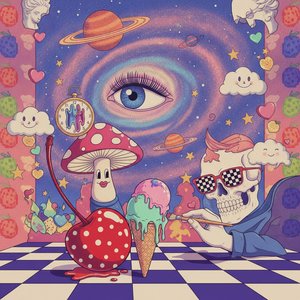
Pop Surrealism Unveiled: The Sophisticated Intersection of Vibrant Pop Art and Dreamlike Subconscious Landscapes
Explore the captivating world of Pop Surrealism. Discover how vibrant Pop Art meets dreamlike subconscious imagery through the works of masters like Jeff Soto and Ryan Heshka. An expert guide for discerning collectors seeking to understand this profound contemporary art movement.

Evocations of Place: A Historical Journey Through Landscape Art
Explore the rich history of landscape art with OriginalUniqueArt. Discover renowned artists, movements like Impressionism & Romanticism, and expert guidance for collecting timeless pieces. Find your perfect serene escape today!
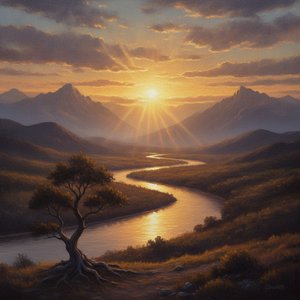
Golden Hour Magic: Capturing the Ethereal Beauty of Sunset Landscapes in Fine Art
Embark on a visual journey through the golden hour. Discover how master painters capture the ethereal glow of sunsets, from Monet's Impressionism to the Hudson River School. Explore timeless techniques and bring the magic of twilight into your home with exquisite fine art reproductions.
