

 Voorvertoning
 Verstuur
 Delen
Delen
 Details bekijken

 Download
 Vergelijkbare items
 Röntgenonderzoek
 Diavoorstelling
 Statistieken
Zonnelicht in een Cafetaria
 Acryl op canvas
- Wanddecoratie
- American Realism
 1958
1958- Modern
 102.0 x 153.0 cm
 Yale University Art Gallery
 Lees meer
Giclée / Kunstafdrukken
Giclée- of canvasafdruk van museumkwaliteit met een snelle productie en flexibele afwerkingsmogelijkheden. ( Bestel handgeschilderde reproductie Schakel over naar digitale afbeelding)




P118B $10

P118H $10

P118W $10

P438Z $10

P508JH $12

P508YH $12

P805H $10

P805Z $10

P919BZ $10

P919G $10

P919XJ $10

P959ZH $10

P968JZ $12

W106C $8

W218G $10

W218JH $8

W218Y $10

W307PJ $10

W316G $10

W316PJ $8

W316Y $10

W398PJ $8

W4111J $10

W500HY $15

W500JH $15

W692G $12

W849H $8

W940BG $15

W953PJ $8




Kies uit onze vooraf ingestelde maten die overeenkomen met de originele verhoudingen van het kunstwerk.

U kunt uw eigen afmetingen opgeven om in een specifieke lijst of ruimte te passen. Als de door u gekozen maat niet overeenkomt met de proporties van het originele kunstwerk, zullen wij de afbeelding bijsnijden of uitbreiden met een gespiegelde of effen rand. Een digitaal mockup wordt ter goedkeuring naar u verzonden voordat de productie begint.
Houd er rekening mee dat de preview op het scherm de werkelijke bijsneding of uitbreiding niet weergeeft. Alleen de mockup toont de uiteindelijke compositie nauwkeurig.
Hoewel aangepaste maten beschikbaar zijn, raden wij aan een afmeting uit de vooraf bepaalde lijst te kiezen om de originele proporties te behouden.
Wereldwijde levering () binnen 2 weken in plaats van de standaard 4/5 weken. (13 september)

Gratis wereldwijde expressverzending

Hoogwaardig linnen canvas

Volledige verzendverzekering

Garantie op terugbetaling van invoerrechten

Garantie op exacte kleurweergave

Retourbeleid van 100 dagen (alleen bij defecten)

100% Geld-terug-garantie

Korting bij meerdere afnames
 De optie voor glas is alleen beschikbaar bij een formaat kleiner dan 110 cm.

Zonnelicht in een Cafetaria
Giclée / Kunstafdrukken
Afmetingen reproductie
-


Eindtotaal
$ 81
Een Stil Drama van het Moderne Leven
Edward Hoppers Sunlight in a Cafeteria (1958) is een meesterlijke weergave van stedelijke eenzaamheid, uitgevoerd met de precisie en emotionele diepte die zijn iconische stijl definiëren. Dit olieverfschilderij op doek, met een oppervlakte van 102 x 153 cm en nu ondergebracht in het Yale University Art Gallery, gaat verder dan een eenvoudige scène om tot een aangrijpende meditatie over verbinding en isolatie in de moderne wereld te komen.
De Scène Ontcijferd: Eenzaamheid in Nabijheid
Het schilderij presenteert twee figuren – een man en een vrouw – gezeten aan afzonderlijke tafels binnen een lichtrijke cafetaria. Ondanks hun fysieke nabijheid scheidt een onmiskenbare emotionele kloof hen. Beiden zijn verloren in eigen gedachten, schijnbaar onbewust van elkaars aanwezigheid. Hopper positioneert hen doelbewust met de rug naar elkaar toe, wat dit gevoel van desconnectie versterkt en de kijker uitnodigt om na te denken over de onzichtbare verhalen die zich in de geest van elk individu afspelen. De kracht ligt niet in wat zij doen, maar eerder in hoe zij hun omgeving ervaren – alleen, zelfs te midden van gezelschap.
Artistieke Stijl & Techniek: Verlicht Amerikaans Realisme
Diep geworteld in het Amerikaans Realisme, wordt Hoppers stijl gekenmerkt door een bewuste en nauwkeurige benadering van vorm, licht en schaduw. In Sunlight in a Cafeteria hanteert hij strakke lijnen en zorgvuldig weergegeven details om een tastbaar gevoel van realiteit te creëren. Het dramatische samenspel tussen het felle zonlicht dat door de grote ramen naar binnen stroomt en de diepe schaduwen die de figuren omhullen, is bijzonder treffend. Dit meesterlijke gebruik van chiaroscuro creëert niet alleen visuele diepte, maar onderstreept ook het emotionele gewicht van de scène, waardoor gevoelens van introspectie en eenzaamheid worden versterkt. Men ziet hoe Hopper vormen vereenvoudigt, waarbij hij zich concentreert op essentiële massa's en volumes om een gevoel van stilte en rust over te brengen.
Symboliek & Emotionele Resonantie: Een Universele Ervaring
De symboliek van het schilderij is subtiel maar diepgaand. Het heldere zonlicht is visueel aantrekkelijk, maar kan ook worden geïnterpreteerd als een hard en onverbiddelijk licht dat de isolatie van de personages blootlegt. De lege ruimtes binnen de compositie – tussen de figuren, op de tafels en in de achtergrond – benadrukken dit gevoel van leegte en ontkoppeling. Sunlight in a Cafeteria roept een complex spectrum aan emoties op: melancholie, eenzaamheid, stille contemplatie en misschien zelfs een vleugje hoop. Hopper biedt geen antwoorden; hij presenteert een moment, waardoor wij onze eigen gevoelens en interpretaties op de scène kunnen projecteren. Het is een werk dat spreekt tot de universele menselijke ervaring van alleen zijn in een menigte.
Hopper Integreren in uw Interieur: Aanbevelingen voor Presentatie
Het ingetogen kleurenpalet en de introspectieve stemming van dit schilderij maken het uitzonderlijk veelzijdig voor interieurontwerp. Overweeg de volgende aanbevelingen:
- Setting: Ideaal voor ruimtes die bedoeld zijn voor stille reflectie – bibliotheken, studeerkamers of slaapkamers.
- Kleurenpalet: Complementeert neutrale kleurenschema's (grijs, crème, wit) en gedempte tinten. De blauwe en groene nuances uit het schilderij kunnen worden terug laten komen in accentmeubilair of textiel.
- Verlichting: Zorg ervoor dat het kunstwerk goed verlicht is om Hoppers meesterlijke gebruik van licht en schaduw te kunnen waarderen. Vermijd fel, direct licht dat de details zou kunnen doen vervagen.
- Inlijsting: Een eenvoudige, ingetogen lijst (hout of metaal) zal de esthetiek van het schilderij het beste aanvullen zonder af te leiden van de inherente kracht ervan.
Of u nu een kunstverzamelaar bent, een liefhebber van design, of simpelweg iemand die diepgaande en evocatieve kunst waardeert, Sunlight in a Cafeteria biedt een tijdloze blik op de menselijke conditie. Het is een werk dat uitnodigt tot beschouwing en nog lang na het bekijken blijft resoneren.
Biografie van de kunstenaar
A Solitude Observed: The Life and Art of Edward Hopper
Edward Hopper, a name inextricably linked to the quietude and subtle melancholy that permeated 20th-century American life, wasn’t simply a painter of scenes; he was a poet of light and shadow, a chronicler of modern isolation. Born in Nyack, New York, in 1882, to middle-class parents of Dutch ancestry, Hopper's early years provided a stable upbringing that nurtured his artistic inclinations. From childhood sketches meticulously dated and signed, it became evident that keen observation and an innate talent for drawing were central to his being. Though initially encouraged towards commercial illustration – a pragmatic suggestion from his parents – Hopper’s ambitions leaned toward fine art, leading him to the New York School of Art where he studied under William Merritt Chase and Robert Henri. These formative years instilled not only technical skill but also an appreciation for realism and a commitment to depicting the world as he saw it—unvarnished and honest. The writings of Ralph Waldo Emerson resonated deeply with Hopper, reinforcing his sense of individualism and acute observation – qualities that would become hallmarks of his artistic vision. Early travels to Paris exposed him to Impressionism, yet Hopper quickly diverged from its fleeting brushstrokes, forging a path uniquely his own.Finding His Voice: Realism and the American Scene
Hopper’s artistic journey wasn't immediate or effortless. He grappled with discovering his distinctive voice, experimenting with various styles before settling into the realism that would define his career. This wasn’t mere replication of reality; it was a distillation of its essence, stripping away extraneous detail to reveal underlying emotional truths. His paintings began to focus on everyday scenes – houses, diners, offices, hotel rooms – imbued with a sense of stillness and often, loneliness. He possessed an extraordinary ability to capture the psychological states of his subjects, hinting at narratives without explicitly stating them. The precise rendering of light and shadow became crucial, not merely as descriptive elements but as emotional cues, creating atmospheres that were both captivating and unsettling. House by the Railroad (1925), an early masterpiece, exemplifies this approach—a seemingly simple composition radiating a profound sense of isolation and mystery. Hopper’s printmaking, often overlooked, ran parallel to his painting, sharing similar themes and stylistic qualities, demonstrating his mastery across mediums. He wasn't interested in grand historical narratives or allegorical symbolism; he focused on the mundane, elevating it through careful observation and emotional resonance.Iconic Visions: Nighthawks and Beyond
While Hopper’s career unfolded gradually, certain works catapulted him to widespread recognition. Nighthawks (1942), arguably his most famous painting, became an instant icon of American culture. The late-night diner scene, bathed in stark fluorescent light, perfectly encapsulates the alienation and anonymity of modern urban life. The figures within are lost in their own thoughts, disconnected from one another despite their proximity—a poignant commentary on the human condition. Gas (1940), with its striking portrayal of a roadside gas station, showcases Hopper’s fascination with American landscapes and the burgeoning automobile culture. Other notable works like *Automat*, *Office in a Small City*, and *Summertime* each offer unique insights into the complexities of 20th-century American society. These paintings weren't merely depictions of places; they were explorations of mood, psychology, and the subtle dramas unfolding within ordinary settings. His wife, Josephine Nivison Hopper, played a vital role not only as his lifelong companion but also as a frequent model, contributing significantly to the characterization of his female figures.Themes and Legacy: A Lasting Influence
Several recurring themes permeate Hopper’s oeuvre. Urban isolation is perhaps the most prominent—the sense of loneliness experienced by individuals even amidst crowds. He explored the American landscape, both rural and urban, often emphasizing its starkness and emptiness. His work delves into psychological realism, probing the inner lives of his subjects with a sensitivity that transcends mere representation. There’s also an undercurrent of nostalgia for a simpler past, juxtaposed with an acknowledgement of the complexities and anxieties of modern life. Hopper's influence on subsequent artists is undeniable. His unique style has inspired countless painters, including Pierre Sanford Ross, and continues to resonate with contemporary artists seeking to capture the essence of human experience. His paintings remain highly sought after by collectors and are exhibited in major museums worldwide, solidifying his place as a pivotal figure in American art history. More than just an artist, Edward Hopper was a visual philosopher, offering profound insights into the human condition through his masterful use of light, shadow, and composition.- His legacy lies not only in the beauty of his paintings but also in their enduring ability to provoke thought, evoke emotion, and remind us of the quiet solitude that often defines our lives.
- Hopper’s work continues to captivate audiences because it speaks to universal themes of loneliness, isolation, and the search for meaning in a rapidly changing world.
- His paintings have become iconic representations of American culture, often used to symbolize the anxieties and aspirations of the 20th century—and beyond.
- Hopper’s aesthetic has profoundly influenced filmmakers (like Alfred Hitchcock) and writers, inspiring countless works that explore similar themes of alienation and psychological tension.
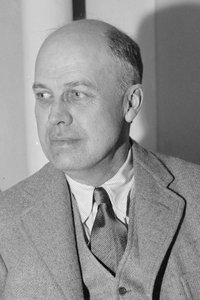
Edward Hopper
1931 - 1967 , Verenigde Staten van Amerika
Belangrijkste feiten
- Artistic Movement Or Style: Realisme
- Artists Or Movements Influenced By This Artist: ['Ross']
- Artists Who Influenced This Artist:
- Chase
- Henri
- Date Of Birth: 22 juli 1882
- Date Of Death: 15 mei 1967
- Full Name: Edward Hopper
- Nationality: Amerikaans
- Notable Artworks:
- Nighthawks
- House
- Gas
- Place Of Birth: Nyack, USA
Gerelateerde artikelen
Edward Hopper's Top 25 Meesterwerken: Kunst, Verhalen & Sfeer voor je Interieur
Ontdek de top 25 meesterwerken van Edward Hopper! Duik in de wereld van Amerikaans realisme, iconische diners & verstilde hotelkamers. Kunst kopen? Vind hoogwaardige reproducties & interieurinspiratie op OriginalUniqueArt.com.

Top 10 Meesterwerken van het Amerikaans Realisme | Kunst & Decoratie
Ontdek de 10 meest iconische meesterwerken van het Amerikaans Realisme! Van Edward Hopper tot Andrew Wyeth, leer over de kunstenaars en hun tijdloze schilderijen. Vind museumkwaliteit reproducties & decoratie op OriginalUniqueArt.com.
The Ashcan School: Realism, Urban Life & the Democratization of American Art
Explore the revolutionary Ashcan School! Discover how artists like Henri & Sloan challenged tradition with gritty realism, capturing urban life in early 20th-century America. Learn about their impact on American art history.
Top 10 Meesterwerken van het Hedendaags Realisme | OriginalUniqueArt.com
Ontdek de 10 meesterwerken van het Hedendaags Realisme! Leer over Lucian Freud, Gerhard Richter & Chuck Close. Vind museumkwaliteit kunst reproducties en inspiratie voor uw interieurdecoratie op OriginalUniqueArt.com.
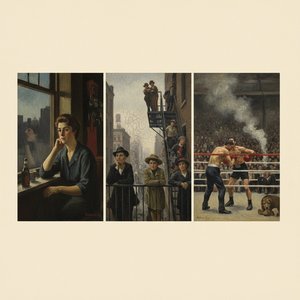
American Realism: Social Commentary & Artistic Representation in Early 20th-Century Painting
Explore the powerful social commentary & artistic representation of American Realism. Discover key artists like Bellows & Sloan, and understand the movement's lasting impact on 20th-century art history.


