Contemporary Realism · 1928
Night Windows (Edward Hopper, 1928)
Edward Hopper (1882–1967) maakte Night Windows. Het dateert uit 1928. Het behoort tot de Contemporary Realism-stroming. Het is gemaakt van Painting. Het is te vinden in MoMA - Museum of Modern Art in New York City, Verenigde Staten van Amerika. De afmetingen zijn 73 × 86 cm.
- 1928
- Painting
- 73 × 86 cm
- MoMA - Museum of Modern Art, New York City

 Voorvertoning

 Met de hand geschilderd olieverfwerk
 Verstuur
 Delen
 Informatieblad


 Download
 Vergelijkbare items
 Röntgenonderzoek
 Diavoorstelling
 Vraag & antwoord

 Statistieken
Night Windows, in het kort
- Titel
- Night Windows
- Kunstenaar
- Edward Hopper (1882–1967)
- Geboren in [jaar]
- Upper Nyack, Verenigde Staten van Amerika
- Datum
- 1928
- Medium
- Painting
- Afmetingen
- 73 × 86 cm
- Te zien in
- MoMA - Museum of Modern Art, New York City, Verenigde Staten van Amerika
- Beweging
- Contemporary Realism
- Periode
- Modern
- Onderwerp
- urban isolation, nocturne scene, window view, domestic interior, voyeurism, light darkness contrast
Wat stelt Night Windows voor?
A Window Into Solitude: Exploring Edward Hopper’s Night Windows
Edward Hopper, a name synonymous with the quiet contemplation of modern existence, wasn't merely capturing landscapes; he was distilling the very essence of American urban life onto canvas. Born in Nyack, New York, in 1882, to parents steeped in Dutch heritage, his formative years instilled within him an unwavering dedication to observation and artistic expression—a passion evident from his earliest sketches meticulously documented and signed. Initially steered toward commercial illustration by his pragmatic family, Hopper’s artistic aspirations stubbornly clung to the realm of fine art, propelling him towards the New York School of Art where he honed his skills under William Merritt Chase and Robert Henri. These influential mentors fostered not only technical proficiency but also a profound appreciation for realism and a commitment to portraying the world as perceived through a discerning eye—a perspective that would define his oeuvre.- Subject Matter: Hopper’s ‘Night Windows,’ painted in 1928, presents a deceptively simple scene: a woman seated alone in a chair overlooking another room bathed in the muted glow of lamplight. This seemingly unremarkable tableau belies its significance as a cornerstone of Hopper's nocturne series and, crucially, embodies his masterful exploration of urban isolation.
- Style & Technique: Executed in stark black and white—a deliberate choice reflecting Hopper’s stylistic preference for tonal realism—the painting utilizes precise linework and subtle shading to create a palpable sense of atmosphere. The artist eschews dramatic lighting effects, favoring instead the diffused illumination characteristic of city nights, thereby amplifying the feeling of quiet detachment.
Historical Context & Influences
‘Night Windows’ resides firmly within the broader context of Hopper's artistic journey—a period marked by a fascination with American realism and an admiration for Impressionist masters like Degas. Hopper’s own stylistic sensibilities were profoundly shaped by these influences, mirroring Degas’s preoccupation with capturing fleeting moments of everyday life and conveying psychological nuance. The painting speaks to the anxieties and uncertainties prevalent in the Jazz Age, reflecting a societal shift toward individualism and questioning traditional social norms—themes that resonate powerfully even today.- Symbolism: Hopper’s masterful use of visual language transcends mere depiction; it communicates profound symbolic ideas. The woman's posture – slumped slightly, her gaze fixed on the distant figure – embodies a poignant stillness, mirroring the pervasive loneliness experienced by individuals navigating the complexities of urban life. Furthermore, the breeze rustling through the window serves as a subtle reminder of movement and connection—a counterpoint to the overarching sense of isolation.
- Reception & Significance: Contemporary critics recognized ‘Night Windows’ for its evocative power, describing it as “one of those glimpses into other lives which one suddenly catches from the window of a passing El,” capturing “that momentary sense of the mystery and intensity of the thousands of lives pressing close to each other.” This astute observation encapsulates Hopper's ability to distill the essence of New York City—a feat achieved through meticulous detail and understated emotional resonance.
Emotional Impact & Legacy
Ultimately, ‘Night Windows’ transcends its formal elements to deliver a deeply affecting experience for the viewer. It invites contemplation on themes of solitude, observation, and unspoken connection—questions that continue to intrigue audiences decades after its creation. Hopper's enduring legacy rests upon his unwavering commitment to portraying human experience with unflinching honesty and sensitivity—a testament to his artistic genius and his profound understanding of the human condition. Its timeless appeal ensures that ‘Night Windows’ will forever hold a place among the most celebrated images of 20th-century art.In welk museum bevindt Night Windows zich?
MoMA - Museum of Modern Art
New York City, Verenigde Staten van Amerika
Oorsprong en geschiedenis van MoMA - Museum of Modern Art De fundamenten van MoMA - Museum of Modern Art werden gelegd in 1929. Geconcipieerd door Abby Aldrich Rockefeller, Lillie P. Bliss en Mary Quinn Sullivan, ontstond de instelling tijdens een periode van diepgaande mondiale transitie.


Hoogwaardige afbeeldingen van Night Windows

Protected by copyright: these files are for personal reference, not a licence to republish.
Edward Hopper, Night Windows (1928), MoMA - Museum of Modern Art.
Vragen over Night Windows, beantwoord
Waar is "Night Windows" door Edward Hopper tegenwoordig te zien?
"Night Windows" door Edward Hopper is te zien in MoMA - Museum of Modern Art, New York City, Verenigde Staten van Amerika. De vermelding van het museum heeft betrekking op het originele werk, niet op reproducties.
In welk jaar werd "Night Windows" door Edward Hopper gemaakt?
"Night Windows" dateert uit 1928. Deze datum plaatst het werk binnen de carrière van Edward Hopper en het betreffende tijdperk.
Met welke techniek is "Night Windows" door Edward Hopper vervaardigd?
Het medium van "Night Windows" door Edward Hopper is Painting. Reproducties zijn bedoeld om de uitstraling van deze techniek weer te geven.
Wat zijn de afmetingen van het originele "Night Windows"?
"Night Windows" heeft in zijn originele vorm de afmetingen 86 x 73 cm. De originele afmetingen dienen als een handig referentiepunt bij het kiezen van de juiste afmeting voor een reproductie.
Wat stelt "Night Windows" voor?
De onderwerpen van "Night Windows" zijn urban isolation, nocturne scene, window view, domestic interior, voyeurism, light darkness contrast, quiet contemplation, american realism.
Is de afbeelding van "Night Windows" door Edward Hopper vrij van auteursrecht?
"Night Windows" door Edward Hopper valt onder nog steeds auteursrechtelijk beschermd. Deze status bepaalt hoe de afbeelding van het werk mag worden gereproduceerd.
Wie heeft "Night Windows" gemaakt?
"Night Windows" is gemaakt door Edward Hopper. De informatie op deze pagina beschrijft het originele werk van Edward Hopper.
Bij welke kunststroming behoort "Night Windows" door Edward Hopper?
De kunststroming die verbonden is aan "Night Windows" door Edward Hopper is Contemporary Realism. Deze classificatie plaatst het werk binnen een context van verwante kunstenaars en kunstwerken.
In welke periode van de carrière van Edward Hopper valt "Night Windows"?
"Night Windows" behoort tot de Mature Period in de carrière van Edward Hopper. Deze classificatie plaatst het werk in de context van de ontwikkeling van de kunstenaar.
Over de kunstenaar, Edward Hopper
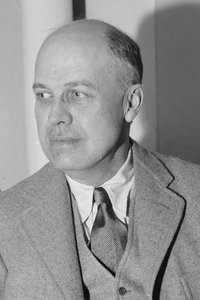
1882–1967, Verenigde Staten van Amerika
Edward Hopper
De Stilte van het Amerikaanse Landschap Edward Hopper werd geboren in Upper Nyack, Verenigde Staten van Amerika. Zijn vroege jaren werden doorgebracht met het observeren van de wereld met een onvermoeibare blik, een gewoonte die begon met kindertekeningen die met uiterste precisie gedateerd en gesigneerd waren. Hoewel zijn ouders een pragmatisch pad in de commerciële illustratie voorstelden, bleef zijn focus gericht op de schone kunsten. Hij studeerde aan de New York School of Art onder William Merritt Chase en Robert Henri.
Ook van Edward Hopper
 Nachtuilen, Het Art Institute of Chicago, Chicago1942
 Automat (klein)
 Huis bij de spoorlijn1925
 New York Film1939
Essays over Night Windows
 Mastering Solitude: The Top 25 Iconic Artworks by Edward HopperStep into the quiet world of American Realism with our curated guide to the top 25 Edward Hopper artworks. Explore the light, shadow, and s…
 10 Iconic Masterpieces That Defined American RealismJourney through the soul of American Realism. Explore 10 iconic masterpieces, from Edward Hopper to classic landscapes, and learn the stori…
 10 Iconic Masterpieces That Defined Contemporary RealismJourney through the soul of Contemporary Realism. Explore 10 iconic masterpieces, their legendary artists, and the breathtaking techniques …