Voorvertoning
 Verstuur
 Delen
Delen
 Details bekijken
 Gids
Gids

 Download
 Vergelijkbare items
 Röntgenonderzoek
 Diavoorstelling
 Vraag & antwoord
 Statistieken
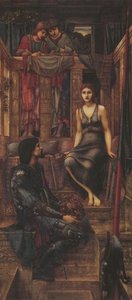
Phyllis and Demophoön


 Lees meer
Giclée / Kunstafdrukken
Giclée- of canvasafdruk van museumkwaliteit met een snelle productie en flexibele afwerkingsmogelijkheden. ( Bestel handgeschilderde reproductie Schakel over naar digitale afbeeldingen)




P118B €10

P118H €10

P118W €10

P438Z €10

P508JH €12

P508YH €12

P805H €10

P805Z €10

P919BZ €10

P919G €10

P919XJ €10

P959ZH €10

P968JZ €12

W106C €8

W218G €10

W218JH €8

W218Y €10

W307PJ €10

W316G €10

W316PJ €8

W316Y €10

W398PJ €8

W4111J €10

W500HY €15

W500JH €15

W692G €12

W849H €8

W940BG €15

W953PJ €8




Kies uit onze vooraf ingestelde maten die overeenkomen met de originele verhoudingen van het kunstwerk.

Voer de gewenste breedte en hoogte in, passend bij uw lijst of muur. Een afdruk kan alleen worden ingekort en nooit groter worden gemaakt dan het origineel; een formaat met andere verhoudingen zal daarom een deel van de afbeelding verliezen. Wij sturen u een digitaal mockup ter goedkeuring voordat we tot drukwerk overgaan. De afbeelding op deze pagina toont niet de werkelijke uitsnede — dit is alleen te zien op het mockup.
Wereldwijde levering () binnen 2 weken in plaats van de standaard 4/5 weken. (9 november)

Gratis wereldwijde expressverzending

Hoogwaardig linnen canvas

Volledige verzendverzekering

Garantie op terugbetaling van invoerrechten

Garantie op exacte kleurweergave

Retourbeleid van 100 dagen (alleen bij defecten)

100% Geld-terug-garantie

Korting bij meerdere afnames
 De optie voor glas is alleen beschikbaar bij een formaat kleiner dan 110 cm.

Phyllis and Demophoön
Giclée / Kunstafdrukken
Afmetingen reproductie
-


Eindtotaal
€ 72
A Tapestry of Myth and Memory: The Ethereal World of Burne-Jones
In the heart of the Victorian era, amidst the soot and industrial fervor of Birmingham, a vision was being woven that would forever alter the landscape of British Romanticism. Edward Coley Burne-Jones, a master of the Pre-Raphaelite aesthetic, possessed a singular ability to transcend the mundane reality of his time, pulling the viewer into a realm where myth and memory intertwine. His masterpiece, “Phyllis and Demophon,” completed in 1870, serves as a profound window into this dreamlike dimension. This oil on canvas is not merely a depiction of a classical tale; it is an immersive emotional experience that captures the very essence of longing, beauty, and the transformative power of tragedy.
The narrative, drawn from the poignant legends of Ovid's Metamorphoses, unfolds with a heartbreaking grace. The painting brings to life the tragic romance between the Thracian princess Phyllis and the Athenian prince Demophon. Through Burne-Jones’ lens, we witness a moment suspended in time—a delicate balance between the blossoming of youthful passion and the looming shadow of inevitable loss. The composition masterfully utilizes the landscape to mirror the internal states of the protagonists; the lush, verdant surroundings and the soft, diffused light evoke an idyllic paradise that feels both tangibly real and hauntingly unreachable.
Technique and the Renaissance Echo
To gaze upon this work is to witness a deliberate rebellion against the rigid academic conventions of the 19th century. Burne-Jones looked backward to move forward, drawing deep inspiration from the luminous, ethereal qualities of the early Italian Renaissance, most notably the works of Sandro Botticelli. This influence is evident in the way the figures are rendered with an exquisite, almost delicate precision, and how the light seems to emanate from within the canvas itself rather than merely falling upon it.
The artist’s technical prowess is displayed through a meticulous attention to texture and color. The vibrant green of Phyllis's gown acts as a focal point of vitality against the more muted, atmospheric tones of the background, creating a visual rhythm that guides the eye across the canvas. Every brushstroke contributes to a sense of depth and atmosphere, where the soft edges of the distant trees and the subtle gradations of light create a dreamlike haze. For the collector or interior designer, this technique offers a sophisticated layer of complexity; the painting does not just sit upon a wall, it breathes life into a room, providing a focal point that invites prolonged contemplation and emotional resonance.
A Symbolism of Transformation and Loss
Beyond its aesthetic splendor, “Phyllis and Demophon” is steeped in profound symbolism. The painting captures the tension between human vulnerability and divine intervention. As the story progresses from the joy of union to the agony of abandonment and eventual metamorphosis, Burne-Jones uses the positioning of his figures to communicate a sense of separation even amidst closeness. The way the lovers are placed within the broader landscape—surrounded by other figures that seem to exist in a different temporal plane—suggests the fragmentation of memory and the cruelty of fate.
For those seeking to adorn a space with art that speaks to the soul, this piece offers more than mere decoration. It is an invitation to reflect on the cyclical nature of life: the beauty of love, the sorrow of loss, and the possibility of rebirth. Owning a high-quality reproduction of such a monumental work allows one to bring this timeless meditation on the human condition into the modern home, creating an atmosphere of intellectual depth and poetic elegance that transcends the fleeting trends of contemporary design.
Veelgestelde vragen
Welk gevoel brengt "Phyllis and Demophoön" met zich mee als cadeau?
De Melancholic toon van "Phyllis and Demophoön" door Edward Burne-Jones sluit perfect aan bij de aanbevolen gelegenheid voor een cadeau: Anniversary.
Met welke techniek is "Phyllis and Demophoön" door Edward Burne-Jones vervaardigd?
Het medium van "Phyllis and Demophoön" door Edward Burne-Jones is Oil On Canvas. Reproducties zijn bedoeld om de uitstraling van deze techniek weer te geven.
Is "Phyllis and Demophoön" een goed cadeau-idee?
"Phyllis and Demophoön" door Edward Burne-Jones is een aanrader als cadeau voor Anniversary. Een reproductie van het kunstwerk is een prachtig geschenk.
Biografie kunstenaar
A Dream Woven in Color: The Life and Art of Edward Burne-Jones
Edward Coley Burne-Jones, geboren in Birmingham in 1833, was een figuur van onschatbare betekenis die de romantische stromingen van het Pre-Raphaelite Brotherhood met de esthetische gevoelens van het late Victoriaanse tijdperk verbond. Zijn leven, gekenmerkt door zowel een diepe artistieke visie als persoonlijke complexiteit, ontviel tegen een achtergrond van maatschappelijke veranderingen en een vurige herontdekking van middeleeuwse idealen. De vroege verlies van zijn moeder wierp een lange schaduw, wat resulteerde in een jeugd die werd gekneed door zijn vader en de onveranderlijke huismeid Ann Sampson – een opvoeding die een contemplatieve aard bevorderde en een diepe onderdomeling in imaginaire werelden stimuleerde. Zijn formele opleiding aan King Edward VI Grammar School en later de Birmingham School of Art legden de basis voor zijn technische vaardigheid, maar het was zijn tijd aan Exeter College, Oxford, die zijn artistieke lot echt ontvond. Daar sloot hij een blijvende vriendschap met William Morris, een band gebouwd op gedeelde intellectuele passies en een wederkerig verlangen naar schoonheid in een snel moderniserende wereld. Deze connectie bleek niet alleen van invloed op Burne-Jones’s artistieke traject, maar ook bij te dragen aan de vestiging van het invloedrijke bedrijf Morris & Co., gewijd aan het herleven van traditionele vakmanschap.The Brotherhood and the Birth of a Unique Vision
Oxford werd een broedplaats voor artistiek experimenteren, waarbij Burne-Jones en Morris, samen met hun kring van vrienden – “the Birmingham Set” – zich verdiepten in de werken van John Ruskin en Alfred Tennyson, inspiratie puttend uit de kunst en ethos van het Middelste Leeuwen. Deze vurige omhelzing van middeleeuwse thema’s was niet alleen nostalgisch; het was een afwijzing van wat ze beschouwden als de lelijkheid en materialisme van de hedendaagse samenleving. De vorming van “The Brotherhood” versterkte hun artistieke idealen, waardoor een omgeving ontstond waarin poëzie, literatuur en visuele kunst met elkaar verweven waren. Een cruciale gebeurtenis was zijn ontmoeting met Dante Gabriel Rossetti, wiens werk een diepgaande invloed op Burne-Jones’s vroege stijl had. Kort daarna verliet Burne-Jones Oxford zonder een graad te halen en vestigde zich in Londen als kunstenaar. Hij ontwikkelde al snel een eigen esthetiek, gekenmerkt door etherische schoonheid, melancholische gratie en een minutieuze aandacht voor detail. Zijn schilderijen waren niet simpelweg illustraties van middeleeuwse verhalen; ze waren evocatieve droomwerelden doordrenkt met symboliek en psychologische diepte. De invloed van Botticelli en Filippo Lippi was zichtbaar in zijn uitgerekte figuren en delicate composities, maar Burne-Jones infuseerde deze invloeden met een unieke Britse gevoeligheid. Hij streefde niet naar het nabootsen van het verleden, maar naar het distilleren van de essentie ervan, waardoor werken ontstonden die zowel oud als radicaal nieuw aanvoelden.From Painting to Tapestry: A Renaissance of Craft
Burne-Jones’s artistieke output strekte zich verder uit dan het doek. Zijn samenwerking met William Morris leidde tot de oprichting van Morris & Co., een bedrijf dat de decoratieve kunsten in Engeland revolutionariseerde. Hij was niet alleen ontwerper van patronen; hij herdefinieerde het concept van kunst zelf, pleitte voor een holistische benadering waarbij kunst elk aspect van het leven doordrong. Het bedrijf produceerde prachtige textiel, behang, meubilair en glas-in-lood – allemaal gekenmerkt door Burne-Jones’s verfijnde esthetiek. Zijn ontwerpen voor glas-in-lood zijn met name opmerkelijk, waardoor kerken en kathedralen werden getransformeerd tot luminieuze rijkdommen van kleur en verhaal. Het medium stelde hem in staat om zijn fascinatie met licht en symboliek te verkennen in een nieuwe dimensie, waardoor ramen ontstonden die zowel devotionele objecten als kunstwerken waren. Deze toewijding aan vakmanschap was niet alleen bedoeld om de status van decoratieve kunsten te verhogen; het was een bewuste poging om de hiërarchie te herzien die schilderkunst en beeldhouwkunst op de top van artistieke prestaties plaatste. *The Beguiling of Merlin*, getoond in 1877, markeerde een keerpunt, waarmee Burne-Jones werd gevestigd als een toonaangevende figuur van de Aesthetic Movement – een beweging die “kunst voor kunst’s rekening” promootte en schoonheid boven alles zette.Personal Shadows and Enduring Legacy
Burne-Jones’s persoonlijke leven was niet zonder complexiteit. Zijn huwelijk met Georgiana MacDonald, hoewel langdurig, werd overschaduwd door een passievolle affaire met zijn Griekse model, Maria Zambaco, die resulteerde in een dramatische crisis. Ondanks deze emotionele onrust bleef hij een indrukwekkend oeuvre produceren, waarbij hij thema’s als liefde, verlies en de zoektocht naar spirituele betekenis onderzocht. Zijn latere schilderijen werden steeds introspectiever, gekenmerkt door een verhoogde melancholie en een meer abstracte benadering van vorm. Hij ontving in 1895 een baronetcyclus, die erkenning gaf aan zijn significante bijdragen aan de Britse kunst en cultuur. Op zijn sterfbed werd hij geëutheniseerd in 1898. Zijn nalatenschap blijft vandaag de dag resoneren. Zijn invloed is te zien in het werk van talloze kunstenaars die hem volgden, en zijn ontwerpen blijven inspiratie bieden aan hedendaagse vakmensen en ontwerpers. Hij staat als een getuigenis van de kracht van kunst om door de tijd heen te gaan en de diepste hoeken van de menselijke ziel aan te raken.A Lasting Influence
- Burne-Jones’s werk belichaamt de Pre-Raphaelite idealen van schoonheid, detail en symboliek, maar hij ontwikkelde een unieke stijl die hem onderscheidde van zijn tijdgenoten.
- Zijn bijdragen aan de decoratieve kunsten via Morris & Co. revitaliseerden traditionele vakmanschap en verhoogden de status van design.
- Zijn glas-in-lood ramen blijven iconische voorbeelden van Victoriaanse kunst, waardoor heilige ruimtes worden getransformeerd met hun luminieuze schoonheid.
- Hij heeft een diepgaande invloed gehad op latere generaties van kunstenaars, die een hernieuwde waardering hebben gecreëerd voor vakmanschap en esthetische waarden.
- Burne-Jones’s verkenning van mythologie, legendes en psychologische thema's blijft het publiek vandaag de dag betoveren, waardoor zijn plaats als een van de belangrijkste Britse kunstenaars van de 19e eeuw wordt bevestigd.

Edward Burne-Jones
1833 - 1898 , Verenigd Koninkrijk
Belangrijkste feiten
- Artistic Movement Or Style: Pre-Raphaeliet, Esthetiek
- Artists Or Movements Influenced By This Artist: ['Victorian kunstenaars']
- Artists Who Influenced This Artist:
- Rossetti
- Botticelli
- Date Of Birth: 28 augustus 1833
- Date Of Death: 17 juni 1898
- Full Name: Edward Coley Burne-Jones
- Nationality: Britse kunstenaar
- Notable Artworks:
- Merlin en Nimue
- Sisyphus
- Place Of Birth: Birmingham, Engeland
Gerelateerde artikelen
The Pre-Raphaelite Brotherhood: A Rebellion of Beauty & Medieval Revival
Explore the captivating world of the Pre-Raphaelite Brotherhood! Discover their rebellion against academic art, iconic masterpieces, and lasting influence on Victorian aesthetics. Learn about Rossetti, Burne-Jones & more.

The Pre-Raphaelite Brotherhood: Rediscovering Romanticism, Mythological Depth, and Vivid Detail in Victorian Art
Explore the breathtaking world of the Pre-Raphaelite Brotherhood. Discover how this movement redefined Victorian art through vivid detail, mythological depth, and romanticism. An expert guide for classic art enthusiasts seeking to rediscover these timeless masterpieces.

The Pre-Raphaelite Brotherhood: Rediscovering Beauty, Romance, and Medieval Magic in Victorian Art
Embark on a journey through the Pre-Raphaelite Brotherhood. Discover the romantic symbolism, medieval magic, and radical beauty of Rossetti and Burne-Jones in this expert exploration of Victorian art history.

Dante Gabriel Rossetti's Top 25 Meesterwerken: Kunst voor uw Interieur | OriginalUniqueArt
Ontdek de 25 meest betoverende meesterwerken van Dante Gabriel Rossetti! Duik in de wereld van Pre-Raphaëlitische kunst, symbolisme & romantiek. Vind museumkwaliteit reproducties en inspiratie voor uw interieur op OriginalUniqueArt.com.
Edward Burne-Jones: A Pre-Raphaelite Vision of Myth, Symbolism & Aesthetic Idealism
Discover the enchanting world of Edward Burne-Jones and the Pre-Raphaelite Brotherhood. Explore his mythical paintings, distinctive style, and lasting influence on Victorian art & the Aesthetic Movement. Expert analysis & high-quality reproductions at OriginalUniqueArt.