

 Bekijk op ware grootte
 Verstuur
 Delen
Delen
 Details bekijken
 Gids voor studentenkunstwerken

 Download
 Vergelijkbare items
 Röntgenonderzoek
 Diavoorstelling
 Statistieken
Jealousy


 Lees meer
Giclée / Kunstafdrukken
Giclée- of canvasafdruk van museumkwaliteit met een snelle productie en flexibele afwerkingsmogelijkheden. ( Koop handgeschilderd kunstwerk Schakel over naar digitale afbeeldingen)




P118B €10

P118H €10

P118W €10

P438Z €10

P508JH €12

P508YH €12

P805H €10

P805Z €10

P919BZ €10

P919G €10

P919XJ €10

P959ZH €10

P968JZ €12

W106C €8

W218G €10

W218JH €8

W218Y €10

W307PJ €10

W316G €10

W316PJ €8

W316Y €10

W398PJ €8

W4111J €10

W500HY €15

W500JH €15

W692G €12

W849H €8

W940BG €15

W953PJ €8




Kies uit onze vooraf ingestelde maten die overeenkomen met de originele verhoudingen van het kunstwerk.

Voer de breedte en de hoogte in die u nodig heeft, passend bij uw lijst of uw muur. Een afdruk kan alleen worden ingekort, nooit groter worden gemaakt dan het origineel, waardoor een formaat met een andere verhouding een deel van de afbeelding verliest. Wij sturen u een digitaal mockup ter goedkeuring voordat we iets drukken. De afbeelding op deze pagina toont niet de werkelijke uitsnede — dit is alleen te zien op het mockup.
Wereldwijde levering () binnen 2 weken in plaats van de standaard 4/5 weken. (25 oktober)

Gratis wereldwijde expressverzending

Hoogwaardig linnen canvas

Volledige verzendverzekering

Garantie op terugbetaling van invoerrechten

Garantie op exacte kleurweergave

Retourbeleid van 100 dagen (alleen bij defecten)

100% Geld-terug-garantie

Korting bij meerdere afnames
 De optie voor glas is alleen beschikbaar bij een formaat kleiner dan 110 cm.

Jealousy
Giclée / Kunstafdrukken
Formaat reproductie
-


Totaalprijs
€ 71
A Portrait of Unease: Unpacking Edvard Munch’s “Jealousy”
Edvard Munch's "Jealousy," painted in 1913, isn’t merely a depiction of three figures; it’s a visceral embodiment of psychological torment. The painting immediately arrests the viewer with its muted palette – predominantly deep blues and greens punctuated by the stark white of the shirts – creating an atmosphere thick with unspoken tension and simmering resentment. The composition itself is deliberately unsettling: the central figure, positioned slightly off-center, turns his head away, a subtle gesture that speaks volumes about withdrawal and perhaps even betrayal. His posture, coupled with the averted gazes of those flanking him, suggests a complex web of relationships fraught with suspicion and unacknowledged hurt. The dimly lit room, devoid of any comforting details beyond the two chairs, amplifies this sense of isolation and claustrophobia – as if the figures are trapped within their own anxieties.
Munch’s Expressionist Vision: Capturing Inner Turmoil
“Jealousy” is a prime example of Munch's pioneering work within the Expressionist movement. Rejecting the objective representation favored by earlier artistic traditions, Munch sought to externalize his own intensely personal emotions and psychological states. He achieved this through a radical manipulation of color, form, and line. Notice how the figures aren’t rendered with meticulous detail; instead, they are simplified into almost skeletal forms, emphasizing their vulnerability and highlighting the raw emotion beneath the surface. The brushstrokes themselves are agitated and visible, mirroring the turbulent feelings depicted within the scene. Munch employed a technique he called “soul painting,” aiming to directly convey his inner experience rather than simply portraying an external reality. This approach was revolutionary at the time, paving the way for future generations of artists to explore the depths of human consciousness.
Symbolism and the Weight of Personal History
The painting’s symbolism is deeply intertwined with Munch's own life experiences. Born in 1863 amidst a landscape scarred by illness and premature death, Munch carried an enduring awareness of mortality and suffering. His mother and sister succumbed to tuberculosis during his childhood, events that profoundly shaped his artistic vision. The theme of jealousy itself resonates powerfully within this context – it’s not simply a fleeting emotion but a corrosive force capable of destroying relationships and shattering the human spirit. The ties worn by the figures are significant; they represent social constraints and expectations, perhaps contributing to the underlying tension. Some art historians have suggested that the painting reflects Munch's own fraught relationship with his father, a stern and emotionally distant figure who instilled in him a deep-seated sense of unease.
Technique and Emotional Resonance: A Reproduction for Today
OriginalUniqueArt.com’s hand-painted reproductions strive to capture the essence of “Jealousy” with meticulous attention to detail, mirroring Munch's original techniques. We employ a team of highly skilled artists who painstakingly recreate his distinctive brushwork and color palette using traditional oil painting methods. The result is a reproduction that not only faithfully reproduces the visual elements of the artwork but also conveys its profound emotional impact. The subtle gradations of color, the textured surface, and the carefully rendered expressions all contribute to an experience that feels remarkably authentic. Whether displayed in a private collection or incorporated into a larger interior design scheme, this reproduction offers a powerful connection to one of the most significant works of the Expressionist era – a poignant reminder of the enduring power of human emotion and the complexities of the human heart.
- High-quality hand-painted reproduction
- Faithful recreation of Munch’s style and color palette
- Suitable for both private collections and interior design projects
Vragen & Antwoorden
Uit welk land komt het Symbolist Expressionism werk "Jealousy"?
"Jealousy" verbindt de Symbolist Expressionism-stroming met Noorwegen via de geboorteplaats van de maker.
In welk jaar werd "Jealousy" door Edvard Munch gemaakt?
De creatie van "Jealousy" door Edvard Munch dateert uit 1913.
Waarom heeft de auteursrechtelijke status van "Jealousy" deze specifieke aard?
De auteursrechtstatus van "Jealousy" - bevindt zich in het publiek domein - de auteursrechten zijn verlopen - vloeit voort uit het overlijden van de kunstenaar in 1944.
Biografie van de kunstenaar
Een Leven in Schaduw: De Wereld van Edvard Munch
Edvard Munch, geboren in 1863 te Ådalsbruk in Noorwegen, was een kunstenaar wiens werk synoniem werd met de angsten en emotionele onrust van het moderne tijdperk. Zijn leven, diep getekend door verlies en een allesdoordringende melancholie, vormde de bron van zijn expressieve kunst. Al vroeg in zijn jeugd, overschaduwd door de vroege dood van zijn moeder en zus – beiden ten prooi gevallen aan tuberculose – ontwikkelde Munch een spookachtige preoccupatie met sterfelijkheid, ziekte en de fragiliteit van het menselijk bestaan. Deze ervaringen waren niet slechts biografische details; ze werden de kern van zijn artistieke visie, die een onophoudelijke verkenning van het innerlijke landschap van angst, verdriet en hunkering aanwakkerde. De strenge religieuze overtuigingen van zijn vader en zijn eigen worstelingen met psychische aandoeningen droegen verder bij aan een gevoel van dreiging dat Munch’s wereld doordrong, waardoor niet alleen zijn persoonlijke leven maar ook de symbolische taal van zijn schilderijen werd gevormd. Hij portretteerde geen scènes; hij externaliseerde een interne staat en vertaalde psychologische nood in visuele vorm.
De Ontstaansgeschiedenis van Expressie: Invloeden en Artistieke Ontwikkeling
Munch’s artistieke reis begon met formele training aan de Koninklijke School voor Kunst en Design in Kristiania (Oslo), maar het was zijn ontmoeting met boheemse kringen en de nihilistische filosofie van Hans Jæger die zijn creatieve vuur echt aanwakkerde. Jæger moedigde Munch aan om conventionele academische stijlen te verlaten en zich in plaats daarvan onder te dompelen in de diepten van zijn eigen subjectieve ervaring, een concept dat hij “zielsschilderen” noemde. Deze cruciale verschuiving markeerde het begin van Munch’s kenmerkende stijl – gekenmerkt door rauwe emotie, vervormde vormen en een afwijzing van naturalistische weergave. Zijn reizen naar Parijs in de jaren 1890 brachten hem in contact met de opkomende post-impressionistische beweging, waar hij invloeden absorbeerde van kunstenaars als Paul Gauguin, Vincent van Gogh en Henri de Toulouse-Lautrec. Het gedurfde kleurgebruik, expressieve penseelstreken en psychologische intensiteit van deze meesters resoneerden diep met Munch’s eigen artistieke neigingen. Hij imiteerde hun technieken niet; hij synthetiseerde ze tot iets unieks – een visuele taal die in staat was om de meest diepe en verontrustende menselijke emoties over te brengen. Zijn tijd in Berlijn bleek ook cruciaal, waardoor hij in contact kwam met toneelschrijver August Strindberg, wiens verkenning van psychologische thema’s Munch’s artistieke onderzoek verder aanwakkerde.
Iconische Visioenen: Belangrijke Werken en Hun Symbolische Betekenis
Munch’s oeuvre wordt bevolkt door beelden die diep in het collectieve bewustzijn zijn gegrift. De Schreeuw, misschien wel zijn meest iconische werk, overstijgt zijn status als schilderij om een universeel symbool van existentieel angst te worden. Het wervelende, vurige landschap en het contornerende gezicht van de figuur belichamen een oergevoel tegen de onverschilligheid van het universum. Madonna, een controversieel en diep persoonlijk stuk, onderzoekt thema’s als seksualiteit, moederschap en sterfelijkheid met verontrustende openhartigheid. Terugkerende motieven zoals Het Zieke Kind – geïnspireerd door het verlies van zijn zus Sophie – dienen als ontroerende herinneringen aan Munch’s jeugdtrauma en de alomtegenwoordige schaduw van de dood. Melancholie I & II, krachtige afbeeldingen van diepe droefheid en isolatie, onthullen een kwetsbaarheid die zowel persoonlijk als universeel herkenbaar is. Deze werken zijn niet simpelweg representaties van de externe realiteit; ze zijn vensters naar de ziel van de kunstenaar, die kijkers een compromisloze blik bieden op de donkerste hoeken van het menselijk psyche. Munch streefde er niet naar om mooie beelden te creëren; hij zocht naar waarheid – zelfs als die waarheid pijnlijk en verontrustend was.
Een Blijvende Erfenis: Historische Betekenis en Voortdurende Invloed
Edvard Munch’s bijdrage aan de moderne kunst is onmeetbaar. Hij staat als een sleutelfiguur in de ontwikkeling van het expressionisme, die baanbaande weg voor kunstenaars die subjectieve emotie boven objectieve weergave stelden. Zijn compromisloze verkenning van universele menselijke ervaringen – liefde, verlies, angst en dood – blijft tot op de dag van vandaag resoneren met publiek, waardoor zijn plaats als een van de meest invloedrijke en duurzame figuren in de kunstgeschiedenis wordt verstevigd. Zijn werk heeft generaties kunstenaars diepgaand beïnvloed, bewegingen zoals het Duitse expressionisme en daarbuiten beïnvloedend. Hij durfde de donkerdere aspecten van de menselijke conditie te confronteren, waarbij hij conventionele opvattingen over schoonheid en artistieke representatie uitdaagde. Zelfs na het bereiken van roem en erkenning – culminerend in de oprichting van het Munch Museum in Oslo – bleef zijn persoonlijke leven turbulent, gekenmerkt door periodes van psychische instabiliteit en isolatie. Toch bleef hij creëren, waardoor een oeuvre achterbleef dat blijft provoceren, uitdagen en inspireren. Munch’s erfenis gaat niet alleen over de schilderijen zelf; het gaat om de moed om de complexiteit van het menselijk bestaan te confronteren en die ervaringen in kunst te vertalen die spreken tot de diepste delen van ons wezen.
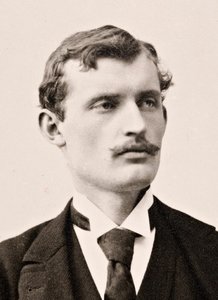
Edvard Munch
1863 - 1944 , Noorwegen
Snelle feiten
- Artistic Movement Or Style: Expressionisme
- Artists Or Movements Influenced By This Artist: ['Duits Expressionisme']
- Artists Who Influenced This Artist:
- Paul Gauguin
- Van Gogh
- Date Of Birth: 12 december 1863
- Date Of Death: 23 januari 1944
- Full Name: Edvard Munch
- Nationality: Noors
- Notable Artworks:
- The Scream
- Madonna
- The Sick Child
- Place Of Birth: Ådalsbruk, Zweden
Gerelateerde artikelen
The Raw Emotion of Expressionism: A Deep Dive into its History, Characteristics & Enduring Influence
Explore the raw emotion of Expressionism with OriginalUniqueArt. Discover its history, key artists like Kirchner & Munch, and lasting influence on modern art. Expert insights for collectors & enthusiasts.

Edvard Munch: Anxiety, Modernity & the Dawn of Expressionism
Explore the profound world of Edvard Munch, pioneer of Expressionism. Discover the origins of 'The Scream' & his haunting depictions of anxiety, mortality, and love. Expert analysis & high-quality reproductions at OriginalUniqueArt.
Edvard Munch's Top 25 Meesterwerken: Kunst voor uw Interieur | OriginalUniqueArt.com
Ontdek de 25 meest iconische schilderijen van Edvard Munch, meesterwerken van het expressionisme. Lees over angst, liefde & symboliek in zijn werk. Museumkwaliteit reproducties op OriginalUniqueArt.com!
Top 10 Expressionistische Meesterwerken: Kunst voor uw Interieur | OriginalUniqueArt
Ontdek de 10 meest invloedrijke expressionistische meesterwerken! Van Munch's 'De Schreeuw' tot Kandinsky's abstractie. Leer over kunst, emotie & kleur. Museumkwaliteit reproducties op OriginalUniqueArt.com – uw bron voor unieke wanddecoratie.
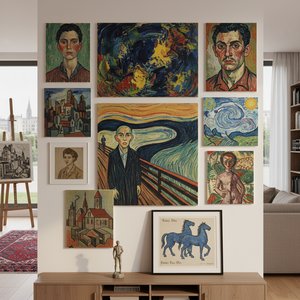
Top 10 Expressionistische Meesterwerken: Kunst die Échte Emotie Spreekt | OriginalUniqueArt.nl
Ontdek de 10 meest iconische Expressionistische meesterwerken! Van Munch's 'De Schreeuw' tot Kandinsky's abstractie. Leer over de kunstenaars, technieken & emoties achter deze beweging. Museumkwaliteit reproducties op OriginalUniqueArt.com.


