
 Bekijk op ware grootte
 Verstuur
 Delen
Delen
 Details bekijken

 Download
 Vergelijkbare werken
 Röntgenonderzoek
 Diavoorstelling
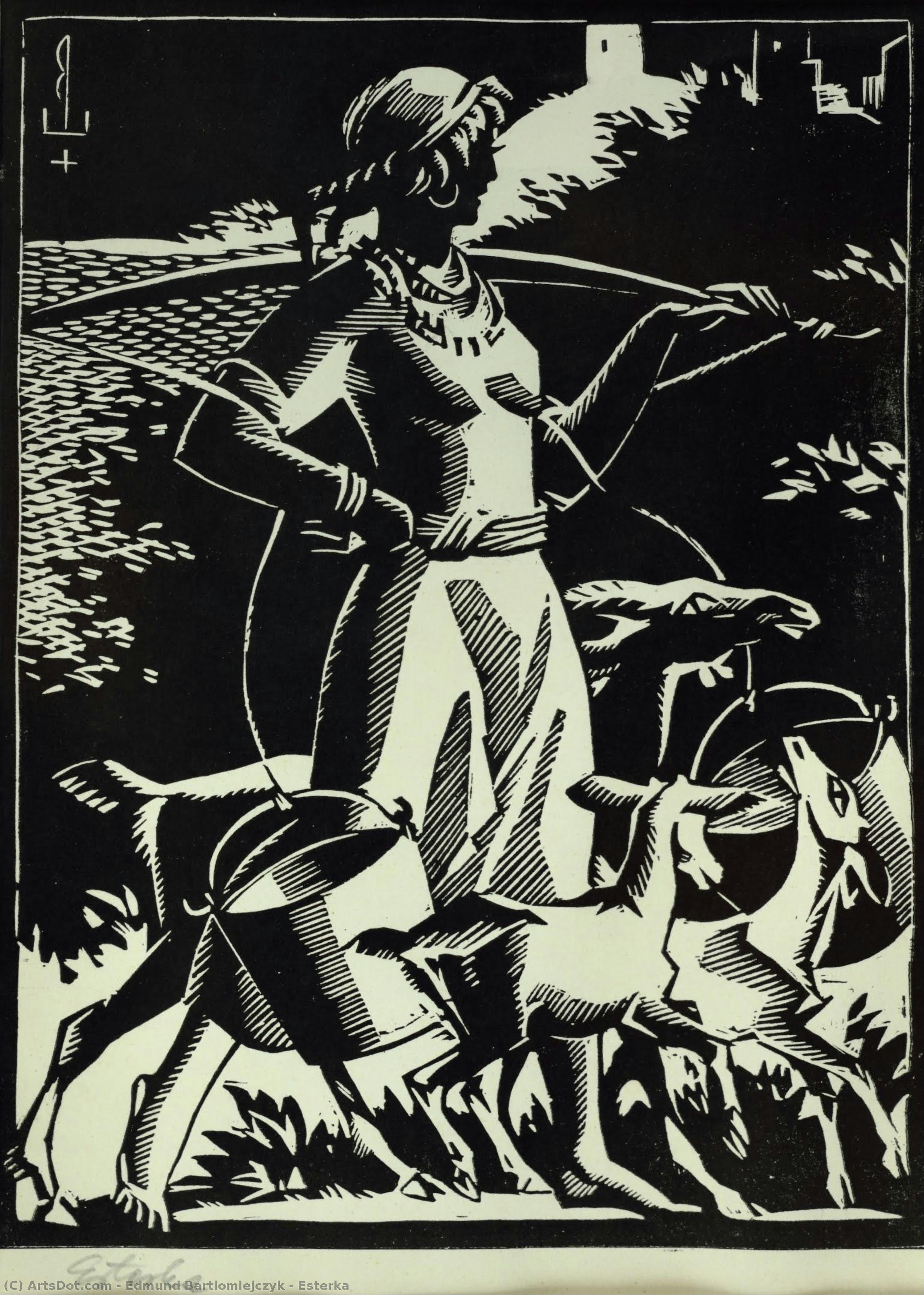
Esterka


 Lees meer
Giclée / Kunstafdrukken
Giclée- of canvasafdruk van museumkwaliteit met een snelle productie en flexibele afwerkingsmogelijkheden. ( Bestel een handgeschilderde reproductie van dit verzamelobject Naar afbeelding wisselen)




































Kies uit onze vooraf ingestelde maten die overeenkomen met de originele verhoudingen van het kunstwerk.

U kunt uw eigen afmetingen opgeven om in een specifieke lijst of ruimte te passen. Als de door u gekozen maat niet overeenkomt met de proporties van het originele kunstwerk, zullen wij de afbeelding bijsnijden of uitbreiden met een gespiegelde of effen rand. Een digitaal mockup wordt ter goedkeuring naar u verzonden voordat de productie begint.
Houd er rekening mee dat de preview op het scherm de werkelijke bijsneding of uitbreiding niet weergeeft. Alleen de mockup toont de uiteindelijke compositie nauwkeurig.
Hoewel aangepaste maten beschikbaar zijn, raden wij aan een afmeting uit de vooraf bepaalde lijst te kiezen om de originele proporties te behouden.
Wereldwijde levering () binnen 2 weken in plaats van de standaard 4/5 weken. (4 augustus)

Gratis wereldwijde expressverzending

Hoogwaardig linnen canvas

Volledige verzendverzekering

Garantie op terugbetaling van invoerrechten

Garantie op exacte kleurweergave

60 dagen retourbeleid (alleen bij defecten)

100% Geld-terug-garantie

Korting bij meerdere afnames
 De optie voor glas is alleen beschikbaar bij een formaat kleiner dan 110 cm.

Esterka
Giclée / Kunstafdrukken
Formaat reproductie
-


Totaalprijs
$ 80
Biografie van de kunstenaar
Edmund Bartłomiejczyk: A Painter of Everyday Life and River Landscapes
Edmund Bartłomiejczyk (5 November 1885 – 2 September 1950 Warsaw, Poland) was a Polish painter whose distinctive style captured the essence of rural life and particularly the serene beauty of river landscapes. Born in Łódź, Poland, he pursued his artistic ambitions with unwavering dedication throughout his lifetime, leaving behind a legacy of evocative paintings that continue to resonate with viewers today. Bartłomiejczyk’s formative years were marked by exposure to Impressionistic influences—particularly those championed by Claude Monet and Pierre-Auguste Renoir—which instilled in him a fascination for capturing fleeting moments of light and color. This aesthetic sensibility would become a cornerstone of his artistic vision, guiding his approach to portraying scenes from the Polish countryside. He meticulously observed the rhythms of daily life, depicting farmers tending their fields, children playing by the riverbanks, and families gathered around hearth fires—subjects rendered with remarkable sensitivity and detail. His technique involved layering thin washes of pigment onto canvas, creating luminous surfaces that conveyed a palpable sense of atmosphere. Bartłomiejczyk skillfully utilized complementary colors to heighten visual impact and achieved textural nuances through subtle brushstrokes. Unlike many artists of his era who favored grand narratives or idealized representations, Bartłomiejczyk’s focus remained firmly grounded in the tangible realities of rural Poland—a deliberate choice that speaks volumes about his artistic convictions. Bartłomiejczyk gained recognition for his contribution to the art competition at the 1932 Summer Olympics held in Berlin. His painting “Esterka” was displayed alongside works from other artists representing nations across Europe, showcasing Polish artistic talent on an international stage. This participation solidified his reputation as a respected figure within the Polish art community and ensured that his work would be remembered for its honest portrayal of human experience. Beyond the Olympics, Bartłomiejczyk’s oeuvre includes notable pieces like “Rafts on the Vistula” and “Quarrymen of Purbeck, Dorset.” These paintings exemplify his masterful command of color and composition—particularly evident in "Rafts on the Vistula," where he skillfully captures the misty reflections of trees on the surface of the river. His dedication to capturing natural beauty cemented his place as one of Poland’s foremost landscape painters. Bartłomiejczyk's artistic legacy extends beyond individual artworks; it embodies a humanist impulse—a desire to depict ordinary people and places with dignity and compassion. He remains an important artist for understanding Polish art history and the Impressionistic movement's impact on European painting.
edmund bartlomiejczyk
1885 - 1950 , Poland
Snelle feiten
- Artistic Movement Or Style: Realism
- Artists Or Movements Influenced By This Artist: ['European Painting']
- Artists Who Influenced This Artist: ['Henryk Tanworth Wells']
- Date Of Birth: November 5, 1885
- Date Of Death: September 2, 1950
- Full Name: Edmund Bartłomiejczyk
- Nationality: Polish
- Notable Artworks:
- Esterka
- Rafts on the Vistula
- Place Of Birth: Warsaw, Poland

